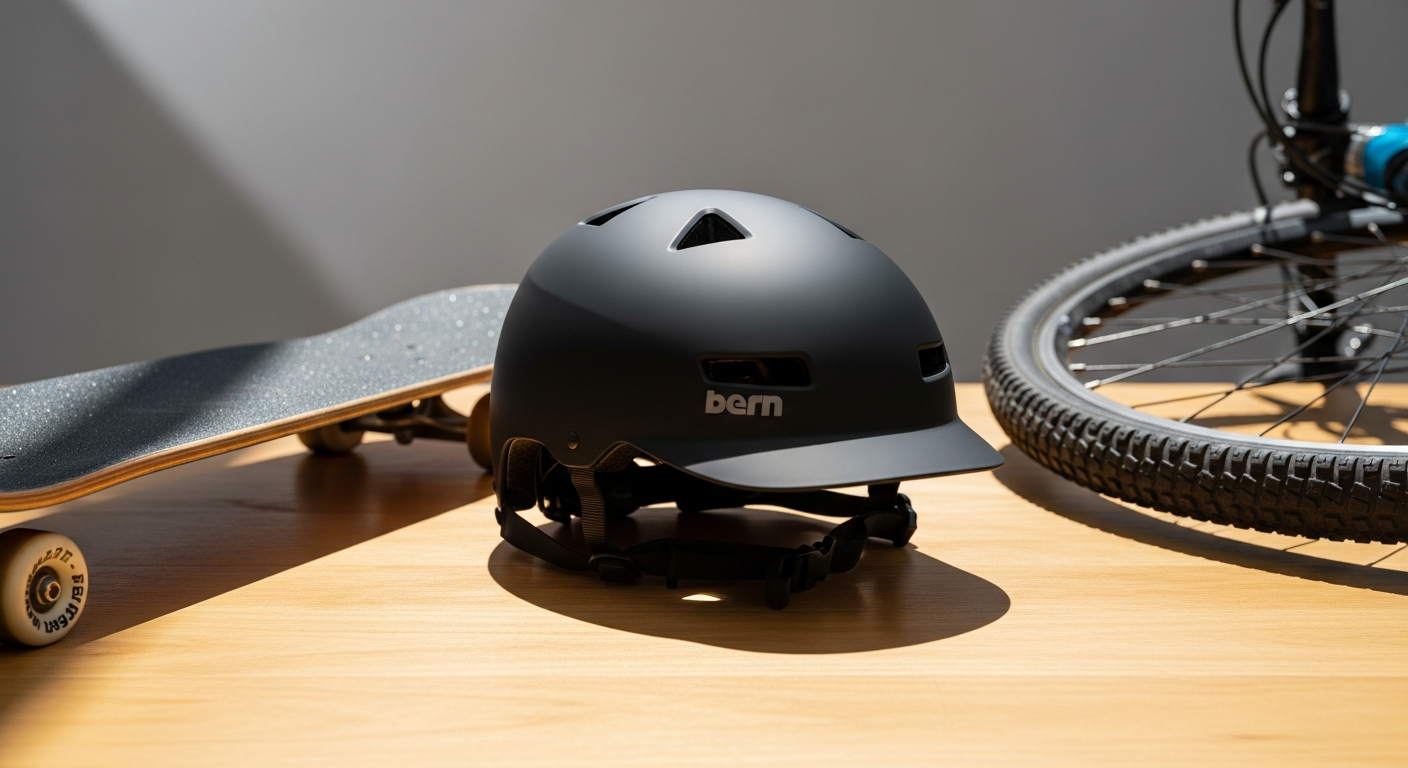
Here’s a striking reality: most athletes own three separate helmets—one for biking, another for skateboarding, and a third for snow sports. That’s redundant, expensive, and frankly, unnecessary. The Bern Watts 2.0 Multi-Sport Helmet shatters that assumption by delivering legitimate protection across all three activities without forcing you to compromise on style or safety.
Bern Helmets built their reputation on the original Watts, a helmet that became synonymous with street-inspired protection and timeless design. The Watts 2.0 represents a meaningful evolution—enhanced ventilation, updated safety certifications, and the option of MIPS technology—while maintaining the iconic aesthetic that made the original legendary.
Check out the Bern Watts 2.0 Multi-Sport Helmet on Bern Europe.
The Iconic Design That Started It All
Street-Inspired Aesthetic That Transcends Typical Helmet Design
The Watts 2.0 looks nothing like your standard cycling helmet. Its sleek, street-inspired silhouette appeals to riders who refuse to sacrifice style for protection. This design philosophy has been central to Bern’s identity since the original Watts hit the market—proving that safety gear doesn’t need to be bulky or utilitarian.
Built-In Visor Brim as Functional Protection and Signature Style
The visor brim sets the Watts 2.0 apart from its competitors. Beyond its distinctive appearance, the brim serves a practical purpose: shielding your face from sun exposure during long rides and deflecting rain during wet conditions. It’s a design choice that balances form and function perfectly.
How the Original Watts Established Bern’s Market Presence
The original Watts became instrumental in establishing Bern as a legitimate helmet manufacturer rather than just another gear company. Its combination of accessible pricing, protective certification, and rebellious aesthetic created genuine brand loyalty among cyclists, skaters, and snowboarders alike.
Why the Watts 2.0 Maintains Classic Appeal While Incorporating Modern Features
Rather than completely redesigning what worked, Bern refined the Watts 2.0 with targeted improvements. The silhouette remains recognizable, but the enhanced ventilation system, updated safety standards, and optional MIPS technology represent meaningful upgrades without abandoning the design that made the original a classic.
Multi-Sport Certification Explained
Understanding CPSC, EN1078, and EN1077B Standards
Safety certifications can feel abstract until you understand what they actually protect against. The CPSC (Consumer Product Safety Commission) certification covers general helmet safety standards in North America. EN1078 is the European standard for cycling helmets, while EN1077B covers snowboarding and skiing protection. The Watts 2.0 meets all three, meaning it’s engineered to handle the specific impact scenarios each activity presents.
How the Watts 2.0 Meets Distinct Standards for Three Different Sports
Achieving certification across cycling, skateboarding, and snowboarding isn’t simple—each activity creates different impact patterns and force distributions. The Watts 2.0’s ABS hard shell construction, combined with its protective coverage and foam padding, addresses the unique requirements of all three disciplines. The helmet doesn’t compromise on any front; instead, it shares protective principles that apply universally.
Multi-Sport Helmets Versus Single-Sport Specialized Options
Single-sport helmets often provide more aggressive ventilation or aerodynamic features tailored to specific activities. However, the Watts 2.0 offers something more valuable for most athletes: genuine versatility without significant safety compromises. Unless you’re an elite cyclist or professional skateboarder pushing performance to extremes, a multi-sport helmet eliminates the need for specialized gear while maintaining legitimate protection.
Ventilation and Comfort Features That Matter
11-Vent System Addressing Earlier Ventilation Concerns
The original Watts received valid criticism for limited airflow during hot weather. The Watts 2.0 directly addresses this with 11 strategically placed vents that promote consistent airflow while maintaining structural integrity. During extended summer rides, this ventilation system genuinely impacts comfort without sacrificing the durability that defines the helmet.
Compass Fit System and One-Handed Adjustment Technology
The Compass Fit system represents a subtle but significant upgrade in wearability. This adjustment mechanism allows you to achieve a secure fit without removing the helmet, using a simple one-handed dial mechanism. Whether you’re adjusting for different hairstyles, hat configurations, or wearing conditions, the Compass Fit adapts immediately.
How Airflow Management Impacts Comfort During Extended Rides
Comfort directly influences whether you’ll consistently wear a helmet. Adequate ventilation prevents heat buildup that leads to discomfort and sweat pooling. The Watts 2.0’s vent placement ensures air moves across your scalp and forehead, maintaining a cooler microclimate during active use. This seemingly minor feature translates to actual willingness to wear the helmet on every ride.
MIPS Technology and Rotational Impact Protection
What MIPS Actually Does
MIPS (Multi-directional Impact Protection System) consists of a low-friction layer inside the helmet that allows for controlled micro-movement during angled impacts. When your head strikes a surface at an angle—which is far more common than direct head-on impacts—this layer reduces rotational forces transmitted to your brain. Multiple studies suggest this technology reduces the risk of certain types of brain injuries.
How Rotational Forces During Angled Impacts Affect Brain Safety
Straight vertical impacts are relatively rare in real-world accidents. Most falls and collisions occur at angles, creating rotational force on your brain and brain stem. These rotational forces can contribute to concussions and more serious traumatic brain injuries. Traditional helmets address direct impact but offer minimal protection against rotational effects—this is where MIPS makes a measurable difference.
The Difference Between MIPS and Non-MIPS Watts 2.0 Models
The Watts 2.0 is available with and without MIPS technology. The MIPS version costs approximately $129, while non-MIPS options may be available at lower price points. For most active athletes, the added rotational impact protection justifies the investment, particularly if you’re engaged in activities with higher fall risks like skateboarding.
Explore the full range of Bern Watts 2.0 models available now.
Real-World Performance Across Three Sports
Cycling-Specific Advantages
The visor brim provides genuine sun and rain protection during road and mountain bike rides. The 11 vent system keeps you cool during climbing and sustained efforts. The Compass Fit system allows quick adjustments without stopping. Combined with MIPS technology, the Watts 2.0 addresses the specific demands cyclists face without excessive weight or wind resistance.
Skateboarding Suitability
Skateboarders prioritize impact protection in specific zones—the sides of the head, temples, and back of the skull. The Watts 2.0’s coverage and ABS hard shell excel in these areas. The visor doesn’t interfere with visibility or movement, and the secure fit ensures the helmet stays in place during tricks and falls. The street-inspired aesthetic is a natural fit for skate culture.
Snowboarding Compatibility
Winter sports present unique requirements: thermal insulation, goggle compatibility, and protection against lateral impacts common in snow falls. The Watts 2.0 meets EN1077B snowboarding standards, meaning it’s specifically engineered for snow sports safety. The optional Winter Knit conversion kit enhances thermal properties, transforming the helmet into dedicated cold-weather gear without requiring a separate purchase.
Pricing, Value, and Investment Considerations
Current Watts 2.0 MIPS Pricing
The Watts 2.0 MIPS version retails at approximately $129. This represents a meaningful investment compared to budget helmets, but it’s important to contextualize this cost against the protection and versatility you’re receiving.
Cost-Per-Sport Analysis When Replacing Three Single-Sport Helmets
Consider the alternative: purchasing three separate helmets designed specifically for cycling, skateboarding, and snowboarding would easily exceed $300 combined. The Watts 2.0 eliminates this redundancy entirely. You’re not just buying a helmet; you’re investing in a single piece of gear that genuinely adapts to multiple activities.
Long-Term Durability Justifying Premium Pricing
The ABS hard shell construction provides exceptional durability. Many users report their Watts 2.0 helmets lasting years of consistent use across multiple sports. This longevity means the per-use cost actually decreases significantly over time. You’re paying slightly more upfront for a helmet that outlasts cheaper alternatives and performs across more activities.
The Verdict on Bern’s Legendary Multi-Sport Helmet
The Bern Watts 2.0 Multi-Sport Helmet delivers on its promise. It genuinely protects across cycling, skateboarding, and snowboarding without forcing you to choose between safety and style. The enhanced ventilation, Compass Fit system, and optional MIPS technology represent meaningful upgrades over the original Watts, while the iconic design ensures you’ll actually want to wear it.
At $129 for the MIPS version, you’re investing in versatility, durability, and a product that’s earned its best-seller status through genuine performance. Whether you’re commuting by bike, hitting the skate park, or carving through snow, the Watts 2.0 adapts to your lifestyle. If you’ve been juggling multiple helmets or settling for a single-sport option that doesn’t quite fit your needs, this is the helmet worth trying on.
Discover the Bern Watts 2.0 Multi-Sport Helmet and find your perfect fit.
Leave a Reply