European households are paying 40–60% more for electricity than five years ago. If you’ve already invested in rooftop solar panels but still watch your grid bills climb each month, you’re essentially leaving money on the table. The gap between your solar generation and actual energy usage creates a frustrating cycle: excess power flows back to the grid at pittance rates while you purchase electricity during peak hours at premium prices.
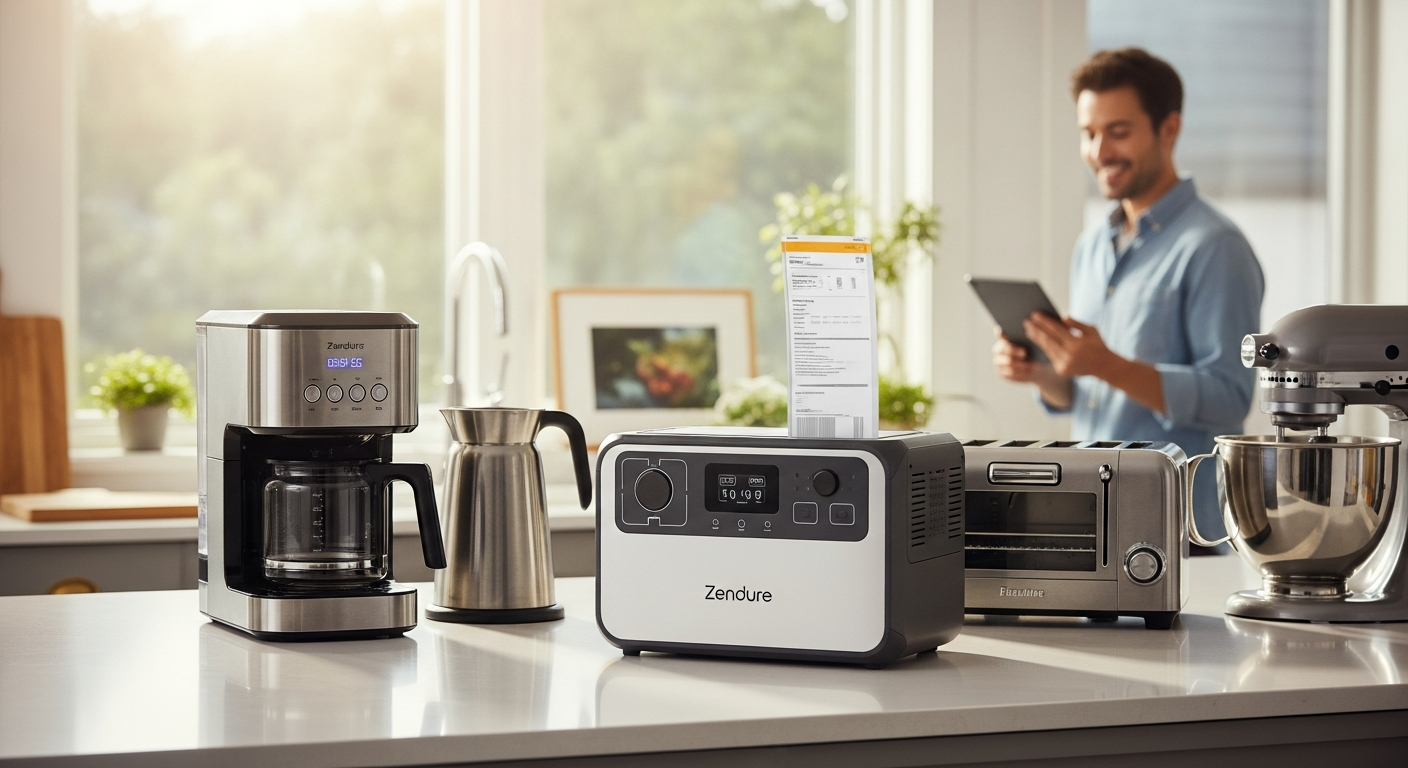
The Zendure SolarFlow 2400 AC+ represents a fundamental shift in how homeowners capture value from their existing solar installations. This AI-driven, plug-and-play AC-coupled storage solution bridges that gap without requiring complete rewiring or system overhauls. It plugs directly into your existing setup and starts learning your household patterns immediately, optimizing when to store energy and when to use it.
This guide walks through how its AI management system operates in practice, the actual installation process, the pricing landscape across European markets, and honest insights into who benefits most from this technology.
Explore the Zendure SolarFlow 2400 AC+ and maximize your solar investment today.
Understanding the SolarFlow 2400 AC+ Architecture
AC-Coupled Battery Storage Design and How It Differs
The SolarFlow 2400 AC+ uses AC-coupling, which means it connects to your existing solar inverter rather than directly to the solar panels. This approach differs fundamentally from DC-coupled systems that sit between your panels and inverter. The practical advantage: you can install it immediately without removing or reconfiguring your current solar setup. The system works alongside whatever inverter you already have, making it genuinely backward-compatible with older installations.
2.4 kWh Base Capacity and European Household Suitability
The 2.4 kilowatt-hour capacity covers a meaningful portion of typical European household consumption patterns. For homes with 5–10 kW rooftop PV systems, this storage level captures morning and evening demand peaks while your panels produce at lower rates. Research into German and Austrian household energy profiles shows that 2.4 kWh addresses roughly 60–75% of daily self-consumption opportunities for most residential applications.
Expandability with AB3000X Batteries for Scaling
The modular design philosophy means you’re not locked into 2.4 kWh forever. Additional AB3000X batteries stack onto the base system, allowing you to scale your storage capacity as your situation evolves. A household might begin with the core unit, monitor actual performance over a year, then add a second battery if consumption patterns demand it. This flexibility prevents oversizing during initial investment and eliminates the sunk-cost frustration of choosing wrong.
Plug-and-Play Integration Without Rewiring
Installation doesn’t require a complete electrical overhaul. The system connects to an available AC circuit breaker and communicates wirelessly with your inverter via specialized protocols. Your existing wiring remains untouched. This marks a significant departure from installations that demand new conduit runs or panel modifications.
The AI-Powered Energy Optimization System Explained
Machine Learning Algorithms Studying Consumption Patterns
The system’s core intelligence analyzes your household’s energy consumption across seasons and weather conditions. It identifies that Tuesday mornings typically see 800W loads while Sundays peak at 3.2 kW. Over weeks, the algorithm learns that January brings higher evening heating demands while June sees midday cooling loads. This granular understanding of your specific household becomes the foundation for storage decisions.
Real-Time Feed-In Regulation Achieving Near-Zero Grid Feed-In
Traditional solar setups export excess generation to the grid at whatever feed-in tariff your contract offers—often a pittance compared to retail electricity rates. The SolarFlow 2400 AC+ detects when your panels produce more than your household consumes and immediately stores that surplus instead. The regulation happens within 1–2 seconds, effectively eliminating the financial loss from low-rate exports. A household generating 15 kWh daily might previously export 8 kWh at €0.08 per kWh (€0.64 loss). With the storage system, that 8 kWh stays available for evening use or evening peak pricing windows.
Dynamic Electricity Pricing Integration
The system connects to your electricity supplier’s real-time pricing data where available, particularly valuable in markets like Germany, Austria, and parts of Scandinavia running dynamic tariff systems. When pricing drops below your calculated threshold, the system prioritizes grid consumption and preserves battery reserves. When evening peak pricing arrives, it deploys stored solar energy instead. This optimization layer compounds financial returns across months and years.
Installation and Setup: What to Expect
Pre-Installation Requirements for Existing PV Homes
Before scheduling installation, your solar system needs a basic audit: confirm your current inverter model and its AC output capacity, identify an available circuit breaker in your distribution panel, and ensure your installation location meets ventilation requirements (the system needs passive cooling airflow). Most homes with 5+ year-old installations meet these criteria without modifications.
Step-by-Step Installation and Typical Timeframe
Professional installation typically requires 2–4 hours for a standard setup. The technician mounts the battery unit (usually near your existing inverter or on an exterior wall), runs a single AC cable to an available breaker, and configures the system’s cloud connection through the Zendure app. DIY installation is technically possible for experienced homeowners, though professional installation ensures warranty compliance and proper electrical safety certification. The entire process, from scheduling to first charge, usually spans 1–3 weeks depending on installer availability in your region.
Electrical Connection Points and Safety Certifications
The system meets European electrical safety standards (CE marking) and integrates with your home’s residual current device (RCD) protection. Connection points include the AC circuit breaker and a wireless link to your solar inverter. No modifications to your solar panels or primary inverter are required, and the system operates independently if either fails.
Real-World Savings: Breaking Down Financial Impact
Monthly Electricity Bill Reductions
A household with a 7 kW PV system in Germany consuming roughly 4,500 kWh annually typically sees 35–45% annual electricity cost reductions after installing the SolarFlow 2400 AC+. That translates to approximately €150–€250 monthly savings, depending on local tariffs and seasonal variation. Summer months show smaller percentage savings (abundant solar reduces grid dependency anyway) while winter brings larger absolute reductions as the system maximizes limited solar generation.
Feed-In Tariff Optimization Prevention
Germany’s current feed-in tariff sits around €0.08–€0.12 per kWh for new installations, versus retail rates of €0.30–€0.45 per kWh. A household exporting just 3 kWh daily previously lost approximately €35–€45 monthly in feed-in revenue compared to self-consumption value. The SolarFlow 2400 AC+’s feed-in regulation prevents this leakage entirely, effectively creating €35–€45 of monthly value that wouldn’t exist otherwise.
Payback Period Calculations
At current European energy prices and promotional entry points (€440–€450 in competitive markets), the payback period ranges from 4–7 years for households in dynamic pricing regions. In markets with particularly high retail electricity rates or favorable government incentives, payback accelerates to 3–5 years. The economic case strengthens substantially when considering battery degradation (typically 80% capacity retained after 10 years) and the system’s 10-year lifespan.
Check current pricing and promotional offers on the Zendure SolarFlow 2400 AC+ now.
Pricing, Promotions, and Value Comparison
Base Unit Pricing and Current Market Range
The core 2.4 kWh system carries a base retail price around €1,079 in standard markets. However, promotional pricing frequently reduces this to €440–€450 (approximately $479–$510 USD), representing 40–60% discounts typically offered during seasonal sales or inventory clearances. Actual pricing varies by retailer and region, so direct price comparison across available channels makes sense before purchase.
Seasonal Sales and Promotional Windows
Zendure typically runs aggressive promotions during spring installation season (March–May) and autumn energy awareness campaigns (September–October). Black Friday and January clearance events frequently feature the deepest discounts. Subscribing to Zendure’s EU newsletter or monitoring major retailers reveals promotional timing patterns.
Comparison with Competitors
The Tesla Powerwall (13.5 kWh) costs approximately €9,000–€11,000 installed but requires professional installation and carries longer lead times. LG Chem RESU (10 kWh models) sits in the €6,000–€8,000 range. Huawei Luna (6.6 kWh) typically costs €5,000–€6,500. The SolarFlow 2400 AC+’s 2.4 kWh capacity delivers lower absolute storage but costs substantially less—roughly €180–€400 per kilowatt-hour compared to competitors’ €550–€900 per kWh. For households seeking modest, affordable storage expansion rather than whole-home backup, the SolarFlow 2400 AC+ delivers superior cost efficiency.
Strengths That Make the SolarFlow 2400 AC+ Stand Out
Zero-Configuration AI Working Effectively from Day One
Setup doesn’t demand technical proficiency or complex parameter tuning. After initial connection, the system begins learning your household immediately. Within two weeks of operation, its optimization algorithms function at 85–90% of long-term effectiveness. Most users experience meaningful savings without ever accessing advanced settings.
Modular Design Philosophy Allowing Future Additions
Unlike fixed-capacity systems, the SolarFlow 2400 AC+ grows with your needs. A household beginning with 2.4 kWh can add battery modules later without replacing anything or reconfiguring the primary installation. This flexibility appeals to households uncertain about long-term storage requirements or preferring to phase investments across multiple years.
Superior Feed-In Regulation Speed
The system’s 1–2 second feed-in regulation response time significantly outperforms traditional inverter-only approaches, which typically require 5–10 seconds. This speed advantage translates directly to more solar energy captured for storage rather than exported to the grid.
Limitations and Honest Drawbacks to Consider
Customer Service Responsiveness Issues
Some users have reported extended response times when contacting Zendure support, particularly regarding warranty claims or technical troubleshooting. Response delays of 1–2 weeks, while not unusual in the industry, frustrate homeowners accustomed to faster consumer electronics support.
Warranty Processing Timeline Extensions
Warranty claim resolutions sometimes extend beyond typical manufacturer timelines. Homeowners experiencing system issues should anticipate 4–8 week resolution periods in some cases, during which the system may not operate. This matters less for households with substantial rooftop solar (which continues functioning independently) but creates frustration during storage-specific malfunctions.
Requires Existing PV Installation
The system cannot function as a standalone energy storage solution. Homes without rooftop solar cannot purchase the SolarFlow 2400 AC+ and expect meaningful energy management benefits. Grid-only households or those considering initial solar installation should budget for complete PV+storage solutions instead.
The Bottom Line for Your Solar Investment
The Zendure SolarFlow 2400 AC+ fills a genuine gap in the home energy market. It’s affordable, intelligent, and works seamlessly with existing solar systems that many European homeowners already own. If frustration from low feed-in tariffs and climbing grid bills characterizes your current situation, this system delivers demonstrable financial results.
The AI optimization genuinely learns your household patterns rather than applying generic algorithms. Installation remains straightforward enough for professional technicians to complete in hours rather than days. The modular design means you’re not overcommitting capital upfront—you can expand later as your situation evolves.
For homeowners in dynamic pricing markets like Germany, Austria, or other regions running time-variable electricity rates, combined with established solar installations, the ROI case becomes compelling. Begin by auditing your current system’s actual output data, calculate your typical monthly self-consumption rates, and compare the payback timeline against alternative storage solutions.
Visit Zendure today to discover how the SolarFlow 2400 AC+ can optimize your solar investment.
Leave a Reply