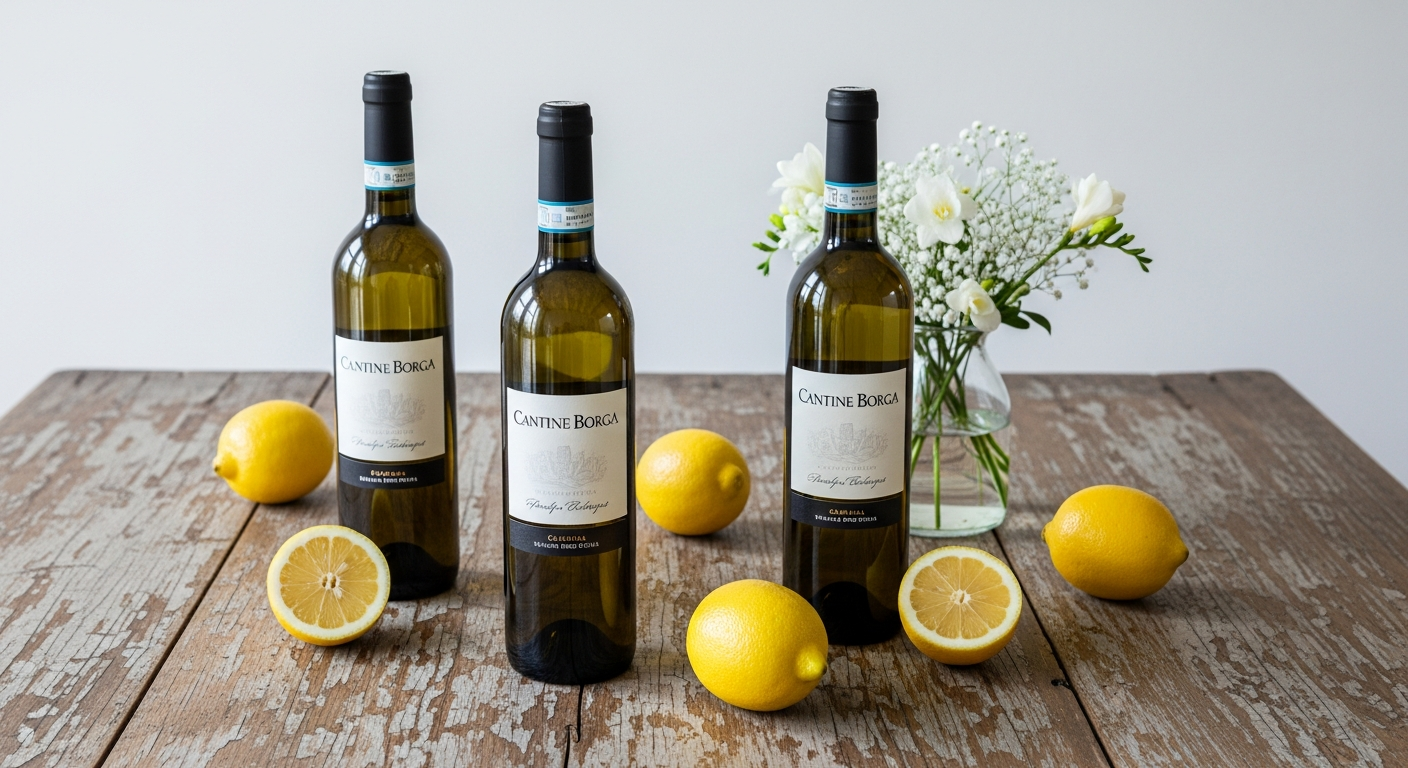
If someone told me a €8.48 white wine could genuinely compete with bottles triple the price, I'd have been skeptical a few years ago. But tasting through enough budget options changes your perspective. Most feel thin, forgettable, engineered for volume rather than character. Then you encounter something like Cantine Borga's Pinot Grigio delle Venezie, and the whole equation shifts. This wine has earned 4.5-star ratings from everyday drinkers and an 85/100 average from professional critics—not because it's a steal for the price, but because it's simply well-made wine.
Cantine Borga has been working the Veneto region since 1940, building a family legacy focused on capturing authentic terroir without the marketing markup. Their approach is refreshingly straightforward: make quality wine that expresses where it comes from, keep the pricing honest, and let the bottle speak for itself. The Pinot Grigio delle Venezie embodies this philosophy perfectly—no unnecessary oak aging, no trendy manipulation, just Pinot Grigio done right.
What you're about to discover is why this bottle has become a go-to recommendation for anyone serious about wine value. The flavor profile alone justifies regular purchases, the food pairing versatility means you'll reach for it constantly, and the vegan certification opens doors for inclusive entertaining. Consider this your complete roadmap to understanding what makes this wine such a reliable choice.
Explore the full Cantine Borga collection and order your first bottle today.
The Veneto Terroir Story Behind Cantine Borga's Signature Expression
The Veneto region of Northern Italy holds a special distinction in the European wine world—it's where climate, soil composition, and centuries of winemaking tradition converge to produce some of the continent's most elegant and approachable white wines. Cantine Borga didn't establish itself in this region by accident. The family recognized early on that Veneto's unique combination of Alpine influence and volcanic soils creates conditions perfectly suited to Pinot Grigio grapes.
Family winemaking heritage and regional roots
Since 1940, Cantine Borga has operated within this tradition while developing its own identity. Three generations of winemakers have refined their understanding of what the Veneto terroir demands—and what it rewards. This isn't a corporate operation trying to replicate success elsewhere. The family's commitment to the region means they've invested in understanding the subtle seasonal variations, the microclimates that affect ripeness, and the precise harvest timing that transforms ordinary Pinot Grigio into something memorable.
How volcanic soils and Alpine influence shape Venetian Pinot Grigio
The volcanic soils underlying much of Veneto's vineyard land contribute mineral complexity that distinguishes these wines from Pinot Grigio produced in other regions. The Alps to the north moderate temperatures, slowing ripening and allowing grapes to develop both sugar and acidity in balance. This combination produces wines that feel vibrant and fresh rather than heavy or overripe. You taste this in every sip of Cantine Borga's expression—the delicate citrus notes, the hay and floral undertones, the mineral quality that prevents the wine from ever feeling one-dimensional.
DOC certification and quality guarantees
The Pinot Grigio delle Venezie DOC designation carries specific meaning. It's not arbitrary branding. DOC (Denominazione di Origine Controllata) status means the grapes come from precisely defined geographic zones, production methods follow strict standards, and independent verification confirms quality benchmarks. When you see this certification on a bottle, you know exact regulations governed everything from where the grapes grew to how long they aged in barrel. For Cantine Borga, this certification represents quality assurance rather than a marketing tool—the standards align with their own commitment to authentic expression.
Why Veneto produces Europe's most elegant affordable white wines
The combination of ideal growing conditions and competitive regional production creates a market where quality doesn't demand premium pricing. Veneto produces vast quantities of wine, which means established operations like Cantine Borga benefit from efficient production without compromising craftsmanship. The region's reputation for white wine excellence also means serious winemakers cluster here, raising the baseline quality across the entire area. You benefit from this ecosystem—genuine quality at honest pricing becomes possible when regional standards are high and competition is serious.
Tasting Notes Decoded—What You'll Actually Experience in the Glass
The moment you pour Cantine Borga's Pinot Grigio, the radiant golden-yellow color signals a wine with proper ripeness and maturity. This isn't the pale, nearly transparent Pinot Grigio some producers create—it's a wine with presence and body, indicating grapes reached full potential before harvest.
Aromatic complexity and what it reveals
The aromatic profile unfolds with layers rather than a single dominant note. Initial impressions bring pear and ripe apple forward, followed by hay—that dried grass and straw quality that adds textural interest to a white wine's bouquet. As the wine opens in the glass, citrus emerges: lemon and grapefruit zest that provides refreshing sharpness. White flowers (think honeysuckle or acacia) add floral lift, while a subtle mineral quality keeps everything grounded and prevents any sense of sweetness from dominating.
How the palate balances freshness with structure
The palate is where this wine's design becomes apparent. The initial taste delivers immediate freshness—that crisp quality that makes your mouth water and prepares it for food. But this isn't a thin, one-note freshness. There's actual body here, an elegant texture that coats the palate rather than rushing through. The wine balances between acidity and fruit, between minerality and floral notes. Nothing overwhelms. Nothing disappears. Every element has space.
The savory finish and lingering citrus quality
The finish is where Cantine Borga distinguishes itself from mass-market Pinot Grigio. Instead of fading quickly, the wine leaves a savory impression—that white wine minerality and subtle herbaceous quality that suggests food pairing. The citrus notes persist without becoming sharp or fatiguing. This lingering quality matters practically. It means the wine continues contributing to the eating experience rather than disappearing after the swallow.
Unoaked production and why it matters
The decision to leave this wine unoaked directly preserves its natural character. Oak aging adds vanilla, toast, and butterscotch notes—flavors that can obscure the subtle complexity a terroir-driven wine offers. By skipping oak, Cantine Borga lets you experience Pinot Grigio as the grape and region express it: fresh, mineral, and transparent. This approach requires confidence in the wine's inherent quality. You can't mask imperfection with oak aging. The winemakers here don't need to.
Alcohol content at 12-12.5% ABV
At 12 to 12.5% alcohol by volume, this wine strikes a practical balance. It's light enough that you can enjoy multiple glasses without heaviness or fatigue. The alcohol remains imperceptible on the palate—it doesn't create heat or burning sensations. Yet 12% is substantial enough to provide structure and body that many ultra-light wines lack. The alcohol level supports the wine's food-friendly nature without demanding special handling or food pairing considerations.
Vegan-Certified Wine—What This Means for Your Dietary Choices
The vegan certification on Cantine Borga's bottle signals something many wine drinkers overlook: the production methods used to clarify and stabilize the finished wine. Most people assume wine is vegan by default since it's made from grapes. The reality is more complex.
Understanding vegan certification in winemaking
Traditional winemaking involves using fining agents to remove suspended particles that create cloudiness or haze. These agents bind to unwanted particles and settle to the bottom, carrying them out of the finished wine. Common fining agents include gelatin (derived from animal collagen), isinglass (fish bladder protein), casein (milk protein), and egg albumin. While these agents are filtered out before bottling, their use disqualifies the wine from vegan certification. Vegan winemaking avoids all animal-derived fining agents, relying instead on mineral-based alternatives or extended settling time.
Why this matters for inclusive entertaining
If you regularly host people following plant-based diets, vegan wine certification removes a hidden complication. Guests with strict dietary commitments can enjoy your wine selection without needing to ask whether it aligns with their values. The vegan certification on Cantine Borga's bottle means you're not making compromises or explaining production methods—you're simply offering wine that fits everyone's needs.
Growing mainstream demand for plant-based wine options
The market for vegan wine has expanded dramatically over the past decade. It's no longer a niche category—major retailers now prominently feature vegan wine sections, and production volumes continue climbing. This shift reflects broader consumer awareness about ingredient sourcing and production transparency. Cantine Borga's vegan certification positions them within a growing movement toward conscious consumption, appealing to drinkers who want their purchases to align with their values.
Pairing vegan wine with plant-based cuisine
Vegan wine pairs beautifully with plant-based cooking, which has evolved far beyond basic salads and steamed vegetables. The acidity and mineral quality of this Pinot Grigio complement avocado toast, hummus-based mezze boards, roasted cauliflower, and herb-driven pasta dishes. The wine's citrus notes work particularly well with nutritional yeast, tahini-based sauces, and fresh herb preparations. Many plant-based home cooks find that this wine's structure allows them to work with bolder, more complex vegetable-forward cooking without worrying about wine pairing compatibility.
Master Food Pairings That Transform Ordinary Meals
The true test of a wine's versatility appears on the dinner table. Cantine Borga's Pinot Grigio demonstrates remarkable flexibility across different cuisines and preparations.
Light appetizers and starters
Bruschetta with fresh tomatoes and basil finds a perfect partner in this wine's acidity and herb notes. The citrus quality cleanses the palate between bites while the minerality echoes the toast's textural quality. Grilled vegetables—zucchini, eggplant, peppers with olive oil and garlic—benefit from the wine's freshness and its subtle herbaceous undertones. For seafood starters, shrimp ceviche, oysters, or seared scallops all align beautifully with Pinot Grigio's profile. The wine's natural affinity with seafood means even simple preparations like chilled poached shrimp or cured fish work exceptionally well.
Seafood excellence and why this wine shines
The classic pairing of white wine and seafood exists for good reason, and this Pinot Grigio demonstrates why. Fried fish—whether tempura-battered, breaded, or simply pan-seared—works beautifully. The wine's acidity cuts through richness while its delicate fruit notes don't overwhelm delicate fish flesh. Steamed fish preparations, where the fish's natural flavors remain front and center, create an almost transcendent pairing. The wine's minerality and subtle floral notes enhance rather than compete with white fish, halibut, cod, or sole. Even oilier fish like mackerel or sardines benefit from this wine's acidity and structural elegance.
Pasta and classic Italian preparations
Pasta with pesto showcases one of this wine's strongest applications. The basil, pine nuts, garlic, and olive oil in traditional pesto resonate with the wine's herbaceous undertones. Tomato-based sauces also work excellently—the wine's acidity mirrors the sauce's brightness while its fruit notes complement tomato's natural sweetness. Creamy pasta preparations with light butter or cream sauces align with the wine's delicate body and elegant texture.
The classic Spaghetti Aglio e Olio pairing
This simple preparation—just spaghetti, garlic, parsley, red pepper flakes, and olive oil—represents the pinnacle of Pinot Grigio pairing philosophy. The garlic and parsley notes present in the wine's aromatic profile echo the dish's starring ingredients. The acidity refreshes the palate between bites of oil-coated pasta. The mineral quality connects with the olive oil's earthiness. This isn't complicated cuisine requiring specialized wine knowledge—it's straightforward Italian cooking paired with wine that understands the tradition.
White meat and poultry applications
Chicken prepared simply—roasted, grilled, or pan-seared—works exceptionally well. The wine's delicate structure complements rather than overwhelms lean white meat. Turkey, particularly roasted preparations or ground turkey applications, finds an ideal partner. Light pork dishes, especially those prepared with herbs or light cream sauces, align with the wine's profile. The key principle: the lighter the preparation, the better the pairing.
Cheese and salad combinations
Salads featuring goat cheese, with its characteristic tang and creamy texture, pair beautifully. The wine's acidity balances the cheese's richness while its citrus notes complement the cheese's inherent sharpness. Mixed green salads with vinaigrette, particularly those with herbs or light cheese additions, work well. The wine's freshness echoes fresh greens while the acidity mirrors vinaigrette's bite.
Summer entertaining scenarios
Picture an outdoor dinner party on a warm evening. This wine becomes your secret advantage. It's versatile enough to pair with whatever combination of dishes guests bring or you prepare. The 12% alcohol level means no one feels heavy or fatigued even after multiple glasses. The vegan certification ensures inclusive entertaining. The bottle's elegant presentation suggests thoughtfulness without requiring explanations. The price point means you can confidently open multiple bottles without budget anxiety. In summer entertaining, this wine handles practically every scenario you'll encounter.
Making Your Next Bottle Count
Cantine Borga's Pinot Grigio delle Venezie occupies a rare market position: genuinely affordable without sacrificing character, authenticity, or the consistent quality that earns praise from both critics and everyday drinkers. The crisp aromatics, elegant palate, and food-friendly structure mean this bottle deserves regular rotation in your wine collection rather than occasional emergency purchases.
What distinguishes this wine extends beyond taste. The vegan certification matters if you entertain inclusively or want purchasing decisions aligned with personal values. The stable pricing—around €8.48—means you're not gambling on vintage variation or sudden market jumps. The option to purchase directly from Cantine Borga ensures authenticity and transparency that many mass-market wines can't offer. You're buying from a family winery that's perfected its craft over more than 80 years, not a corporate entity prioritizing profit margins.
Whether you're planning summer dinner parties, building a practical weeknight wine rotation, or introducing someone to quality Italian wine without overwhelming complexity, this bottle delivers across every context. You're not compromising with budget wine—you're making an intelligent choice informed by critic scores, user ratings, and genuine tasting experience.
Discover why Cantine Borga Pinot Grigio delle Venezie deserves a place in your next wine order.
Leave a Reply