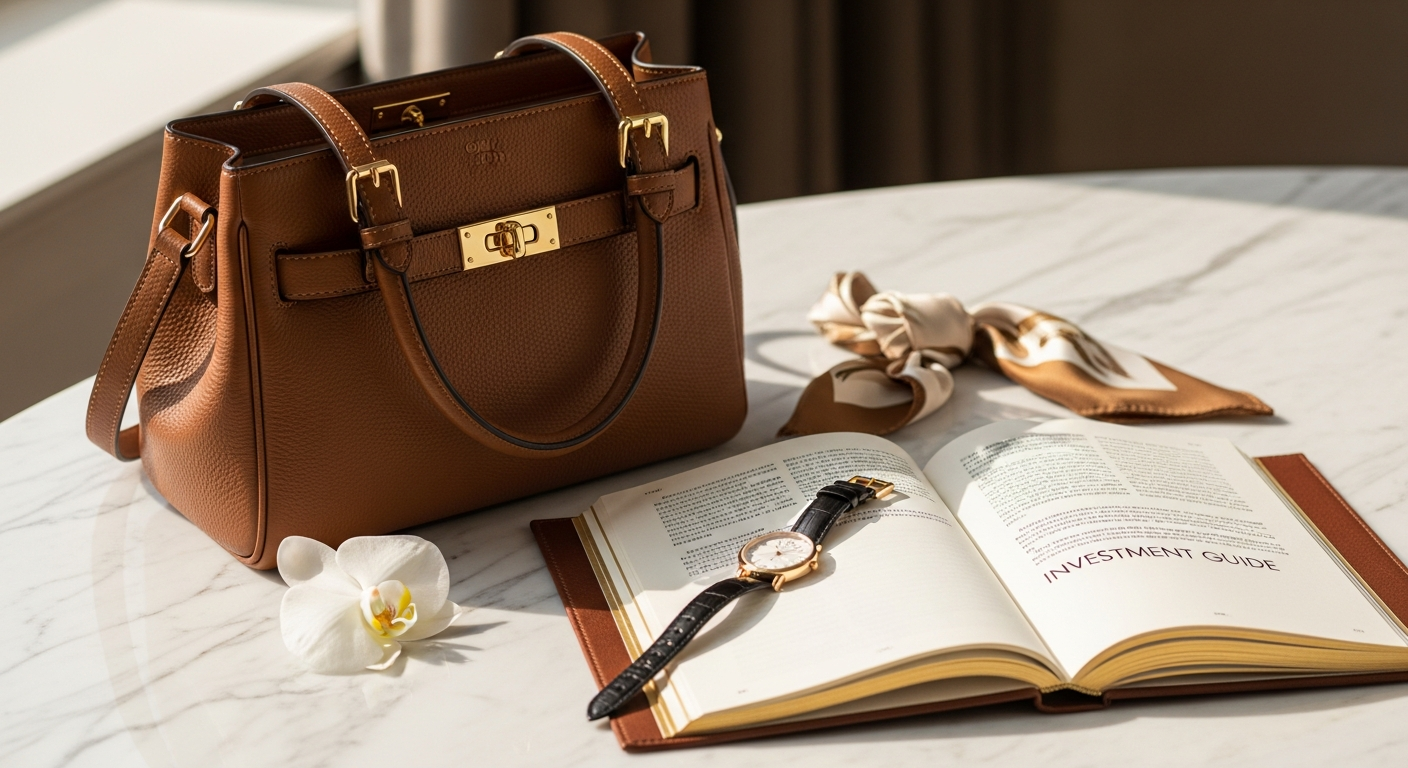
The Timeless Investment: Why Giglio Crafted Italian Leather Handbags Appreciate Over Time
Most luxury handbags fade from relevance within a few years, their appeal dimming alongside changing trends and deteriorating materials. The Giglio Crafted Italian Leather Handbag operates on an entirely different principle: premium vegetable-tanned leather doesn't just endure—it improves. Over months and years of use, the leather develops a rich patina that deepens in color and character, becoming a visual record of its owner's journey.
The luxury accessories market is undergoing a fundamental shift. Discerning buyers increasingly view high-end purchases as long-term investments rather than seasonal acquisitions, gravitating toward brands that emphasize durability and environmental responsibility. This mindset reflects a broader rejection of disposable fashion in favor of pieces built to last and designed to evolve.
Giglio's heritage in Italian leather craftsmanship, rooted in Tuscany's centuries-old tradition, positions these handbags as timeless wardrobe staples rather than fleeting trends. This guide examines how these handbags transform over time, why they represent sound financial stewardship, and how sustainability-conscious luxury shoppers are making them essential pieces.
Explore the Giglio collection of Italian leather handbags today.
The Art of Leather Patina: Understanding How Your Giglio Handbag Transforms
Vegetable-tanned leather doesn't merely age—it matures into something richer and more distinctive. As your Giglio handbag moves through daily life, exposure to sunlight, moisture, and the natural oils from your hands initiates a gradual transformation.
Natural Darkening and Color Deepening Over Time
The most visible change occurs in the leather's color. Lighter tones deepen gradually, shifting from honey to amber to rich chocolate brown, depending on the original hue and your environment. This darkening process accelerates with exposure to light and air, meaning handbags carried outdoors develop their patina faster than those kept indoors. The transformation isn't random—it's consistent and predictable, reflecting the leather's chemical composition responding to oxidation and environmental elements.
Hand-Blotted Leather Develops Unique Character Marks
Giglio's signature hand-blotted finish means each piece begins with subtle variations. As your handbag ages, these imperfections become more pronounced, alongside new creases and marks that accumulate naturally. Corner scuffs, fold lines, and wear patterns emerge as evidence of genuine use, each one contributing to an entirely unique aesthetic that no two bags will share, even if purchased from the same collection.
Patina as a Marker of Authenticity
The development of patina serves as an authentication mechanism. Genuine vegetable-tanned leather patinas predictably and beautifully, while synthetic alternatives simply fade or crack. Collectors and resale markets recognize this patina as proof of quality materials and legitimate craftsmanship. A Giglio handbag with deep patina carries credibility that new items cannot match.
How Environmental Exposure Accelerates Patina Formation
Climate, humidity, and seasonal changes all influence how quickly patina develops. Handbags carried in Mediterranean or temperate climates with moderate humidity develop patina steadily and evenly. Arid environments may accelerate darkening, while consistently cool, dry storage slows the process. Some owners intentionally expose their handbags to sunlight to encourage faster patina development, treating the process as an active collaboration between owner and material.
Investment Value: Why Giglio Handbags Hold Their Worth
Purchasing a Giglio handbag isn't merely an aesthetic choice—it's a financial decision supported by market data and historical trends.
Certified Pre-Owned Giglio Handbags Command Strong Resale Value
The pre-owned luxury market demonstrates remarkable demand for quality Giglio pieces. Authenticated second-hand Giglio handbags typically retain 60-75% of their original retail value, substantially outperforming mass-market luxury brands that lose 40-50% within two years. This retention reflects both the brand's reputation and the inherent durability of its products.
Factors That Preserve or Enhance Resale Value
Condition remains the primary value determinant. Handbags stored properly, used consistently rather than occasionally, and maintained with appropriate leather care products command premium prices. Original packaging, authenticity certificates, and documentation of the purchase enhance resale potential significantly. The leather's patina, if developed naturally and evenly, actually increases value by demonstrating genuine quality and authentic aging.
Cost-Per-Wear Calculation for Luxury Investment Pieces
A €500 Giglio handbag used daily for five years represents a cost of approximately €0.27 per wear. By comparison, a €150 mass-market handbag lasting eighteen months costs roughly €0.28 per wear. When you factor in the Giglio piece's resale value, the actual lifetime cost becomes even more favorable. Strategic luxury purchasing prioritizes cost-per-wear over absolute price tags.
Historical Price Appreciation of Tuscan Leather Brands
Tuscan leather goods have appreciated in value over decades. Vintage Giglio pieces from the 1980s and 1990s now sell at or above their original retail prices when adjusted for inflation, with exceptional examples commanding premiums. This appreciation reflects both inflation and genuine scarcity—quality vintage pieces become increasingly rare as existing examples remain in active use rather than being discarded.
Discover investment-grade Italian leather handbags at Giglio Luxury.
Sustainability Through Longevity: The Environmental Case for Quality Over Quantity
Environmental consciousness and luxury consumption aren't contradictory—they align perfectly in pieces designed for decades of use.
Carbon Footprint Reduction Through Extended Product Lifespan
A handbag worn for twenty years generates substantially lower per-year carbon emissions than five similar-quality items purchased over the same period. Manufacturing represents the most energy-intensive phase of a handbag's lifecycle. Every additional year of use distributes that environmental cost across more wearing occasions, dramatically lowering the per-wear carbon footprint.
Vegetable-Tanned Leather's Biodegradability Versus Synthetic Alternatives
Vegetable-tanned leather, used exclusively in Giglio handbags, biodegrades within months to a few years once discarded. Synthetic leather and polyurethane alternatives persist in landfills for decades, potentially centuries. At end-of-life, a Giglio handbag returns to the earth; mass-market alternatives create permanent waste.
Circular Economy Principles: Repair, Restoration, and Second-Hand Markets
Quality handbags support circular economy models. Worn straps can be replaced; worn leather can be conditioned and restored; structural damage can be repaired by skilled craftspeople. A thriving market for authenticated second-hand Giglio handbags extends product lifecycles indefinitely. Items change owners multiple times, each use extending their environmental utility and deferring disposal.
Supporting Artisanal Communities and Traditional Craftsmanship
Purchasing Giglio handbags directly supports Tuscan artisans and family-owned leather workshops that maintain traditional skills and techniques. These communities face pressure from industrial manufacturing, yet they persist because demand for genuine quality remains. Each purchase sustains livelihoods, preserves cultural heritage, and maintains knowledge systems that span generations.
The Tuscany Connection: Why Heritage Matters for Handbag Quality
Giglio's Tuscan origin isn't merely marketing positioning—it represents access to six decades of accumulated expertise and membership in the world's most sophisticated leather ecosystem.
Six Decades of Giglio Family Expertise in Leather Goods Manufacturing
Giglio's manufacturing lineage extends back to the 1960s, when the family began developing proprietary techniques for leather selection, treatment, and finishing. This six-decade commitment means current craftspeople trained under mentors who learned from founders. Knowledge accumulates, quality standards become non-negotiable, and shortcuts become impossible when reputation spans generations.
Tuscany's Reputation as the Global Epicenter of Leather Craftsmanship
Tuscany produces approximately 40% of the world's finest leather. This concentration creates competitive pressure toward excellence, specialized supply chains for premium materials, and access to finishing techniques that cannot be replicated elsewhere. The region's leather tanneries represent the culmination of medieval traditions refined through modern innovation.
Traditional Tanning Methods Versus Industrial Production Techniques
Giglio employs vegetable-tanning processes that require months of careful attention, contrast sharply with industrial chrome-tanning that completes in days. Vegetable tanning produces leather that breathes, ages beautifully, and develops character. Industrial methods prioritize speed and consistency, sacrificing the depth and longevity that define luxury pieces.
The Made in Tuscany Designation and What It Guarantees
"Made in Tuscany" carries legal significance and traceable accountability. It certifies that tanning occurred in Tuscany according to established standards, materials sourced from verified suppliers, and final assembly completed by qualified craftspeople. This designation provides assurance impossible to obtain from distant manufacturing locations.
The Lasting Legacy of Thoughtful Investment
Choosing a Giglio Crafted Italian Leather Handbag transcends acquiring an accessory—it represents a commitment to a philosophy where quality compounds over time. These pieces transform beautifully, maintain their financial worth, and align with conscientious consumption values.
The patina developing across your handbag's surface tells a genuine narrative; the durability ensures decades of dependable service; the resale potential means your investment can fund future acquisitions. When you prioritize craftsmanship and longevity, you make a statement against disposable fashion, support artisanal traditions spanning generations, and reduce environmental impact through deliberate choices.
Start by identifying which styles align with your lifestyle and daily needs. Commit to proper leather care and storage. Then watch as your handbag matures into something far more valuable than its original price—a cherished companion that gains character and significance with every adventure, every season, and every carefully lived year.
Leave a Reply