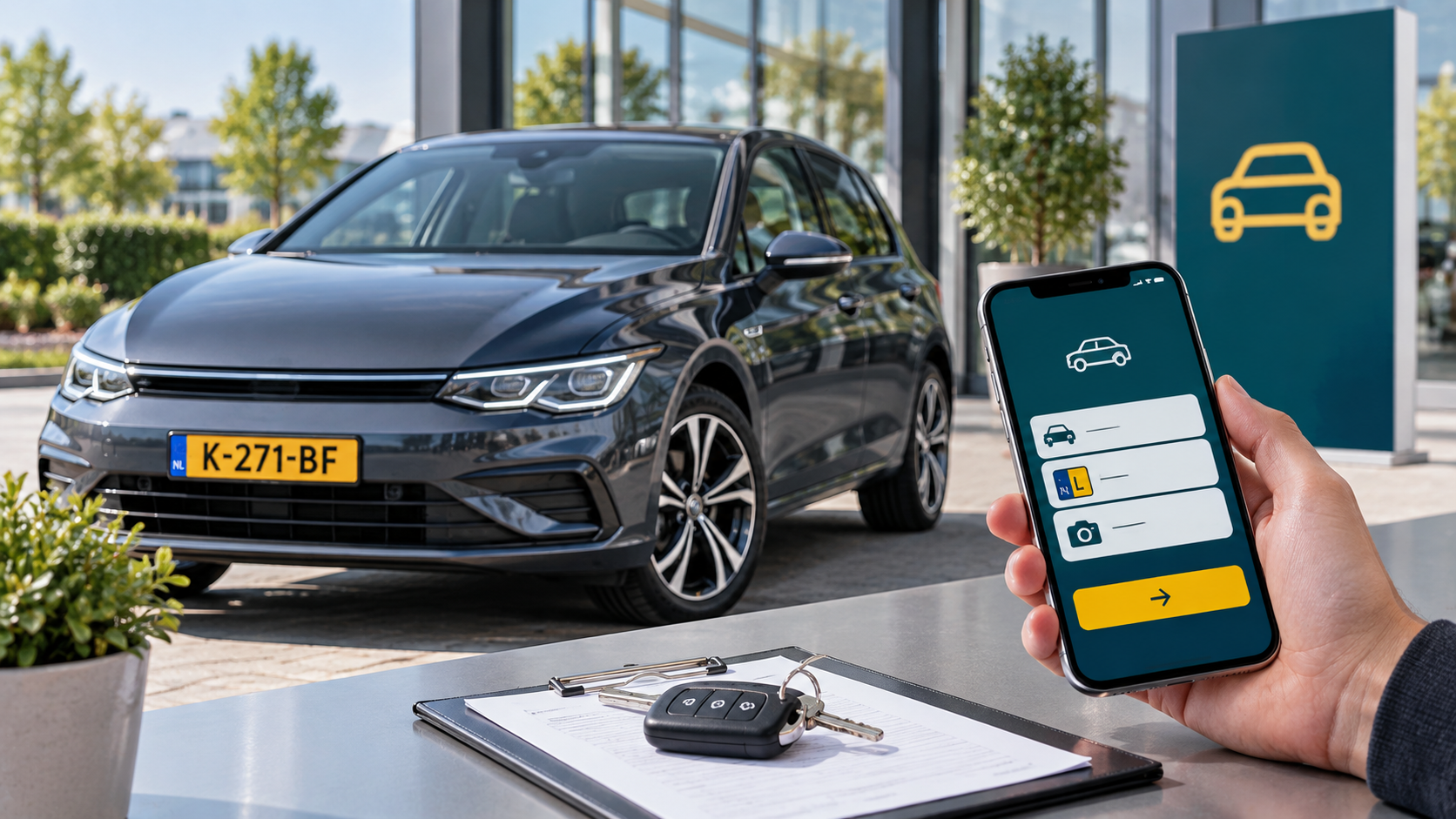
If you’ve searched “sell my car online,” you’ve probably found several ways to do it. You can create a classified listing, approach a dealer directly, use an instant-buying service, or submit your vehicle to a platform that connects private sellers with professional dealers.
Each method handles pricing, communication, fees, paperwork, and vehicle handover differently. That means the right choice depends on what matters to you: control over the asking price, convenience, access to several potential buyers, or avoiding appointments with private shoppers. Dealer-network services such as Ik Wil Van Mijn Auto Af provide another route by presenting eligible vehicles to RDW-recognized dealers that can submit proposals.
Here’s what you should know before choosing an online selling method.
Sell My Car Online: What Are Your Main Options?
If your goal is to sell car online, there isn’t a single process used across every website. Some sites publish your advertisement for private buyers. Others purchase vehicles directly, while dealer-network platforms act as intermediaries between you and professional vehicle businesses.
The main differences look like this:
| Selling Method | Who May Buy Your Car? | Price Process | Seller Involvement |
|---|---|---|---|
| Private classified listing | Individual buyer | You set or negotiate the price | High |
| Direct dealer sale | One dealership | Dealer makes a proposal | Medium |
| Instant-buying service | Vehicle-buying company | Company determines its purchase price | Low to medium |
| Dealer-network platform | Participating professional dealers | Dealers submit proposals | Low to medium |
No method automatically produces the highest selling price for every vehicle. Your car’s age, condition, mileage, maintenance history, model, local demand, and the buyers reached can all affect what someone is prepared to pay.
That makes comparison useful before committing to a sale.
How Does Selling a Car Online Work?
If you’re researching how to sell a car online, the basic process usually begins with information about the vehicle.
You may need details such as:
- Registration information
- Make and model
- Year
- Mileage
- Vehicle condition
- Maintenance history
- Current damage or defects
- Equipment or notable options
- Clear exterior and interior photographs
After submitting those details, what happens next depends on the type of service.
A classified site publishes your advertisement and leaves communication largely to you. A direct buyer evaluates your vehicle and may provide a purchase proposal. A dealer-network service distributes the vehicle information to eligible professional buyers.
With Ik Wil Van Mijn Auto Af, the company states that submitted vehicle information is checked before the vehicle becomes visible to dealers in a restricted dealer environment. Interested dealers can then submit proposals.
Why Accurate Vehicle Information Matters
Give buyers an accurate description from the beginning.
Don’t hide scratches, warning lights, mechanical problems, accident damage, missing service history, or other known issues. A buyer may inspect the vehicle before completing the transaction.
Accurate descriptions can also reduce disputes during handover because the vehicle presented to the buyer should correspond with the information used to evaluate it.
Photographs should show the actual condition rather than trying to conceal imperfections. Include clear exterior angles, interior images, the dashboard and mileage, wheels, and visible damage when applicable.
How Does Ik Wil Van Mijn Auto Af Work?
Ik Wil Van Mijn Auto Af is a Dutch vehicle-selling service operated by Dealerdirect. According to its FAQ, the service connects private sellers with dealers for cars, motorcycles, campers, and other vehicles. The company states that its dealer network consists of RDW-recognized dealers.
The current process can be summarized like this:
1. Submit Your Vehicle
You provide information about your vehicle through the website.
2. Vehicle Information Is Checked
The company states that its vehicle-control department checks the submission and attempts to contact the seller.
3. Dealers Can Submit Proposals
The vehicle is displayed inside a restricted environment accessible to participating dealers. Interested dealers can submit a proposal.
4. You Review the Proposal
Submitting your vehicle does not automatically mean you have sold it. The company’s current vehicle pages state that receiving a proposal is non-binding and that you decide if you want to proceed.
5. Accepting Creates a Sale Agreement
This distinction matters. Dealerdirect’s current terms state that a purchase agreement is formed when the seller accepts a dealer’s bid.
Once you accept, read the transaction requirements carefully and follow the instructions for arranging the transfer.
6. Vehicle Transfer and Payment Follow
Current brand pages state that the dealer checks the vehicle against its description during transfer. The seller then receives payment and the official release from liability when the transaction proceeds as agreed.
See how the Ik Wil Van Mijn Auto Af selling process works.
What Does Ik Wil Van Mijn Auto Af Cost?
Fees are especially important when comparing online car selling services, since a platform’s advertised selling price doesn’t necessarily equal your final proceeds.
According to the current Dealerdirect terms and Ik Wil Van Mijn Auto Af process page, registration and mediation are generally free before a successful sale. A service fee applies after a qualifying completed sale.
The published fee structure is:
| Vehicle Selling Price | Published Service Fee |
|---|---|
| €499 or lower | €29 |
| €500 or higher | €49 |
The company states that the service charge covers administration, transfer, and other mediation costs and is charged after the vehicle has been paid for and released from the seller’s name.
Fees and terms can change, so check the current conditions directly before accepting a transaction.
Calculate Your Expected Proceeds
Don’t compare platforms solely by the headline bid.
For instance, if a platform charges a successful-sale fee, subtract that amount when evaluating what you’ll actually receive.
You should also check for costs associated with transportation, inspections, listing upgrades, cancellation, or other services on any platform you’re researching.
What Is a Car Dealer Auction?
A car dealer auction gives professional buyers the chance to evaluate a vehicle and submit bids or proposals through a controlled system rather than requiring the seller to negotiate separately with individual private shoppers.
For sellers, the main attraction is access to several professional buyers through one submission.
Still, competition doesn’t guarantee a particular price. The number and size of proposals depend on dealer interest in your specific vehicle.
Ik Wil Van Mijn Auto Af’s terms also state that a vehicle may require several auction rounds before receiving a bid and that Dealerdirect can present a vehicle several times, generally capped at five rounds.
That’s an important detail if you’re comparing the service with a company that provides an immediate purchase price.
Dealer Platform vs Private Sale: Which Fits You?
If you sell your car online privately, you retain substantial control over your advertisement and asking price. However, you’ll generally handle inquiries, negotiations, viewings, test drives, and buyer screening yourself.
A dealer platform changes that arrangement.
| Priority | Private Listing | Dealer-Network Platform |
|---|---|---|
| Set your own advertised price | Yes | Usually not the same model |
| Communicate with private shoppers | Yes | Typically avoided |
| Access professional vehicle buyers | Limited | Yes |
| Handle individual inquiries | Yes | Reduced |
| Negotiate directly with private buyers | Usually | No |
| Potential selling fee | Depends on site | Depends on platform |
| Control over accepting a proposal | Yes | Yes before acceptance |
Private selling can make sense if you’re comfortable managing the transaction and have time to wait for the right buyer.
A dealer-network platform may fit better if you prefer a structured process and would rather deal with professional vehicle businesses.
Neither method guarantees a higher final price in every case.
Is Ik Wil Van Mijn Auto Af Free to Try?
According to the company’s current FAQ, you can use the service without paying the successful-sale fee until your vehicle is actually sold. The service fee is charged after the sale conditions described by the company have been met.
That means you can submit your vehicle and review the resulting proposal before deciding to accept it.
The distinction between submitting and accepting matters. Once you accept a bid, Dealerdirect’s terms state that a purchase agreement is formed.
Read those terms before accepting rather than waiting until vehicle handover.
Check the current Ik Wil Van Mijn Auto Af process and service fees before submitting your vehicle.
What Should You Compare Before Choosing a Car-Selling Website?
Finding the best place to sell car online depends on your priorities rather than a single universal ranking.
Use these questions when comparing platforms:
How Is Your Vehicle Valued?
Find out if the website provides an estimated value, purchases the vehicle directly, distributes it to dealers, or publishes a private advertisement.
These models can produce different results because the buyers and pricing processes differ.
Are You Required to Accept?
Check what happens after receiving a valuation or proposal.
With Ik Wil Van Mijn Auto Af, the company’s current materials state that receiving a proposal is non-binding. Acceptance, however, creates a purchase agreement under Dealerdirect’s terms.
What Fees Apply?
Look beyond registration fees.
Check:
- Successful-sale fees
- Listing fees
- Inspection charges
- Transportation costs
- Cancellation conditions
- Paid advertisement upgrades
Read the current terms instead of relying on an older review or article.
Who Is Buying the Vehicle?
A private marketplace can expose your vehicle to individual shoppers. A direct-buying company becomes the buyer itself. A dealer network connects you with participating professional businesses.
Knowing who sits on the other side of the transaction helps you understand what happens after submitting your information.
How Is Payment Handled?
Check when payment occurs and who sends it.
Current Ik Wil Van Mijn Auto Af vehicle pages state that payment occurs during the transfer after the dealer checks the vehicle against the description.
How Is the Vehicle Removed From Your Name?
In the Netherlands, the release from liability is an important part of transferring a vehicle.
The current Ik Wil Van Mijn Auto Af process states that the seller receives the official release during a successful handover.
Keep your documentation after the transaction.
How Can You Prepare Your Car Before Listing It?
Preparation doesn’t need to mean expensive repairs or professional detailing.
Start with accuracy.
Clean enough of the vehicle to make its actual condition easy to see, remove personal belongings, and gather documents that can help a buyer evaluate it.
Useful items can include:
- Registration details
- Maintenance records
- Repair invoices
- APK information
- Both keys, if available
- Documentation for installed equipment
- Details about known defects
Take photographs in good daylight. Include the exterior from several angles, cabin, dashboard, odometer, wheels, and visible damage.
Ik Wil Van Mijn Auto Af’s current vehicle guidance similarly recommends supplying clear photographs and information about mileage, maintenance, APK status, keys, and known damage.
Should You Repair Damage Before Selling?
Not automatically.
A repair might increase the vehicle’s value, but that doesn’t mean you’ll recover the entire repair bill through a higher selling price.
Get a repair estimate first. Then compare the likely cost against the potential effect on the vehicle’s value.
For small cosmetic issues, disclosure may be simpler than paying for repairs immediately before selling. For mechanical or safety-related problems, accurately describing the condition is particularly important.
Dealer buyers routinely evaluate used vehicles in varying conditions, so don’t assume every imperfection must be fixed before requesting a proposal.
How Quickly Can an Online Vehicle Sale Happen?
Be cautious with guaranteed timelines.
Ik Wil Van Mijn Auto Af publishes examples of sellers receiving proposals quickly, and several of its current vehicle pages state that a concrete proposal can often arrive within 24 hours. However, this should be treated as the company’s description of its service rather than a guaranteed result for every vehicle.
Its terms explicitly acknowledge that some vehicles may require several auction rounds before receiving a bid.
Your timing can depend on factors such as:
- Make and model
- Age
- Mileage
- Mechanical condition
- Damage
- Maintenance documentation
- Dealer demand
- Accuracy of your submission
If timing matters, ask each service about both the expected time to receive a proposal and the expected time from acceptance to final handover.
What Happens After You Accept a Dealer Proposal?
This is where you should stop thinking of the process as simply requesting a valuation.
Dealerdirect’s terms state that accepting a bid creates the purchase agreement between seller and bidder. The terms also require the seller, unless stated otherwise, to contact the buyer within 48 hours to arrange vehicle delivery.
Before accepting, confirm that:
- Vehicle information is accurate.
- You understand the amount being paid.
- You understand the service fee.
- You have read the current terms.
- You know how handover will occur.
- You understand how payment will be completed.
- You know what documentation you’ll receive.
Don’t accept simply to see what happens next. Treat acceptance as a transaction decision.
Is Selling Through a Dealer Network Safer Than Meeting Private Buyers?
The two methods create different risks.
With a private sale, you may communicate directly with strangers, arrange viewings, handle test drives, negotiate payment, and complete the transfer yourself.
Ik Wil Van Mijn Auto Af states that its network consists only of RDW-recognized dealers.
That removes some interactions associated with advertising to the general public, but you should still follow normal transaction precautions. Verify payment, follow the agreed transfer procedure, keep documentation, and make sure you receive the release from liability.
Using a professional platform shouldn’t be treated as a reason to ignore basic checks.
Can You Sell Vehicles Other Than Cars?
Yes. According to the company’s current FAQ, Ik Wil Van Mijn Auto Af mediates sales involving cars, motorcycles, campers, and other recreational vehicles.
The potential buyer pool and evaluation process can differ by vehicle type, so check the applicable requirements before submitting a specialized vehicle.
What Can Affect the Proposal You Receive?
There isn’t a single formula that guarantees a particular bid.
Professional buyers can evaluate factors such as vehicle type, age, mileage, condition, maintenance records, equipment, expected resale demand, and repair needs.
For that reason, comparing an online proposal with other realistic selling routes can be useful.
You could request a dealer-network proposal, obtain a direct dealership valuation, and research comparable private listings before deciding which route fits your priorities.
Remember that an advertised private-sale price isn’t necessarily the amount the seller eventually receives.
Should You Accept the Highest Proposal Immediately?
Price matters, but review the complete transaction first.
Before accepting, check the payment arrangements, vehicle collection or delivery requirements, fees, timing, and contractual obligations.
If you aren’t satisfied with a proposal from Ik Wil Van Mijn Auto Af, its current materials state that you aren’t required to accept it.
That gives you an opportunity to compare the proposal with other selling methods before entering the purchase agreement.
When Does a Dealer-Network Platform Make Sense?
A service such as Ik Wil Van Mijn Auto Af may fit your priorities if you:
- Prefer dealing with professional vehicle businesses.
- Don’t want to manage a public classified advertisement.
- Want to see what a dealer network is prepared to pay.
- Prefer not to arrange repeated private viewings.
- Are comfortable paying the published successful-sale fee if you proceed.
- Want the ability to review a proposal before accepting it.
A private listing may suit you better if you want direct control over the advertised price and don’t mind communicating with individual buyers.
A direct dealership sale may suit you if you already have a dealer you trust and prefer dealing with one business.
The decision comes down to the trade-off between your time, control, selling process, and expected net proceeds.
Questions to Ask Before You Sell
Before committing to any platform, ask:
Is submitting my vehicle binding?
Check exactly when a contractual commitment begins.
Who will buy my car?
Find out if you’re dealing with individuals, the platform itself, or independent dealers.
What will I pay?
Calculate all applicable charges rather than looking only at the proposed vehicle price.
When will I receive payment?
Know the payment procedure before handing over the vehicle.
Who handles the transfer?
Make sure you understand the registration and release process.
What happens if the vehicle condition differs from the listing?
Accurate disclosure can help prevent disagreements during inspection.
Can the proposal change?
Read the platform’s terms governing vehicle inspection, discrepancies, and the final transaction.
These questions can tell you far more about a service than a headline promise about speed or price.
Choosing an Online Car-Selling Method That Fits Your Priorities
If you’re searching “sell my car online,” start by deciding what you value in the transaction.
Private listings give you substantial control but require direct involvement. Direct buyers can simplify the process but typically give you one company’s valuation. Dealer-network platforms create another option by presenting your vehicle to professional buyers and returning proposals for you to assess.
Ik Wil Van Mijn Auto Af uses the dealer-network model. Its current official information states that vehicles are presented in a restricted environment to RDW-recognized dealers, registration is non-binding, and a service fee of €29 or €49 applies after a successful sale depending on the selling price. Accepting a dealer’s bid creates the purchase agreement, so reviewing the terms before acceptance is important.
Compare the expected net payment, fees, timing, buyer type, handover procedure, and amount of work required from you. That gives you a practical basis for deciding which online selling method fits your vehicle and priorities.
Leave a Reply