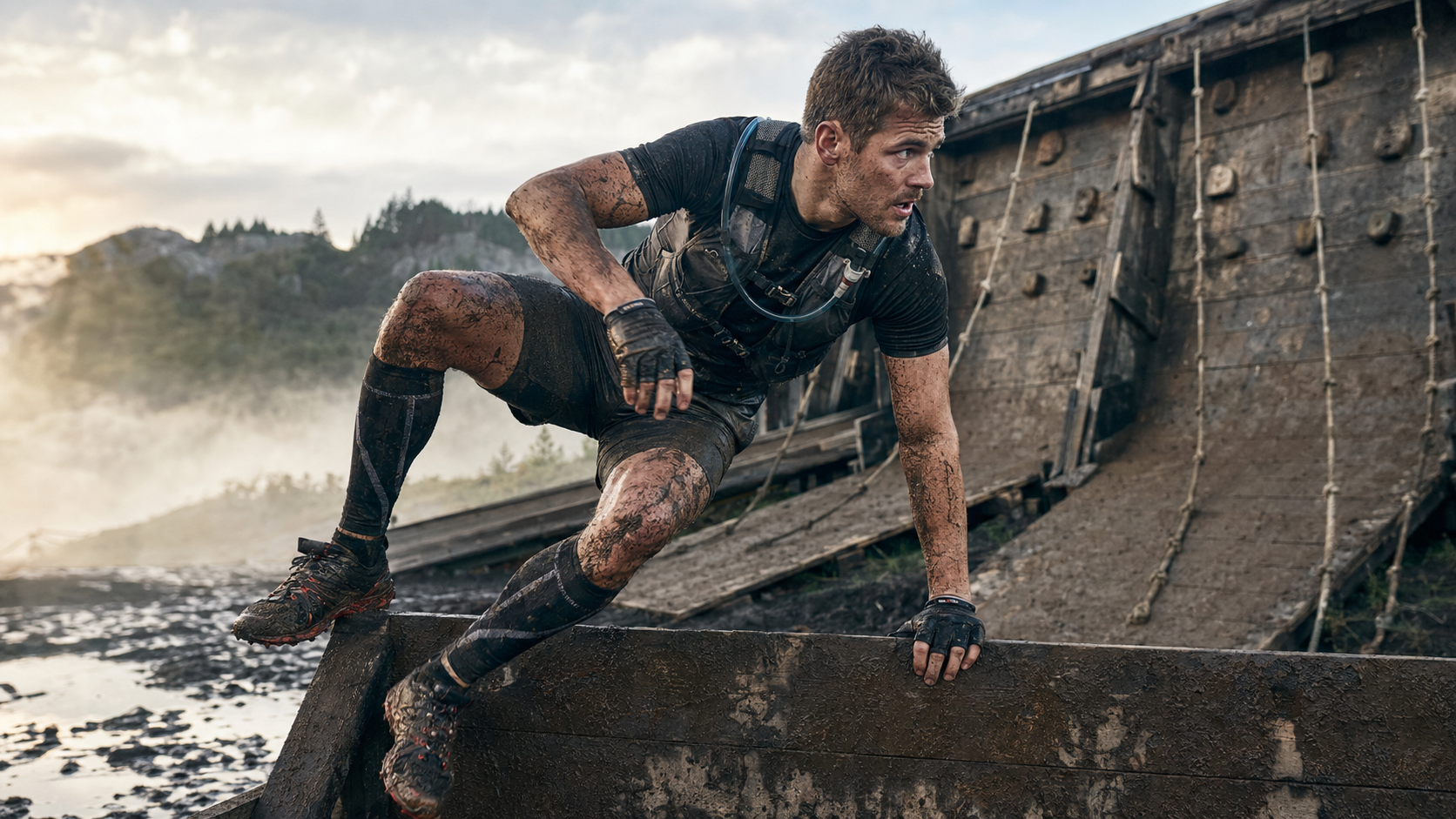
Obstacle racing pushes your strength, endurance, balance, and determination across unpredictable terrain. The right Spartan Race gear helps you stay comfortable while climbing walls, crawling through mud, carrying heavy objects, and running over steep trails.
Your equipment should provide reliable grip, efficient drainage, and protection without adding unnecessary weight. From trail shoes and moisture-wicking clothing to gloves and hydration packs, every item can affect your performance. This guide explains what to wear, what to carry, and how to select practical gear for different Spartan race distances.
Spartan Race Gear You Need for Better Comfort and Performance
Your ideal gear setup depends on the race distance, weather, terrain, and your experience level. A short Sprint may require only basic clothing and quality shoes, while a Beast or Ultra can demand hydration, nutrition, and additional protection.
The main goal is to choose lightweight equipment that handles mud, water, rocks, ropes, and repetitive movement. Test everything during obstacle course training before wearing it on race day.
Choose Obstacle Course Racing Shoes with Strong Grip
Shoes are among the most important pieces of Spartan Race gear. Standard road-running shoes often struggle on muddy hills because their flat outsoles cannot provide enough traction.
Look for obstacle course racing shoes with:
- Deep outsole lugs for gripping mud and loose soil
- Effective drainage ports that release water quickly
- A secure heel fit to prevent slipping inside the shoe
- Durable toe protection for rocks and obstacles
- Lightweight materials that do not absorb excessive water
- Enough flexibility for climbing, crawling, and uneven ground
A snug fit is helpful, but your shoes should not squeeze your toes. Feet may swell during longer races, so leave a small amount of space in the toe box.
Avoid wearing brand-new shoes on race day. Use them during several trail runs and obstacle training sessions to identify pressure points, heel movement, or discomfort.
Wear Moisture-Wicking Clothing
Mud, sweat, and water are unavoidable during most Spartan events. Cotton clothing absorbs moisture, becomes heavy, and may cause uncomfortable rubbing. Technical fabrics are a more practical choice because they dry faster and move with your body.
A simple race outfit may include:
- A fitted moisture-wicking shirt
- Compression shorts or running tights
- Supportive sports underwear
- Quick-drying socks
- A lightweight outer layer in cold conditions
Fitted clothing is less likely to catch on barbed wire, ropes, or wooden obstacles. Loose pockets can also collect mud and water, so streamlined designs usually perform better.
Choose flat seams or seamless construction when possible. This can reduce chafing around your shoulders, waist, thighs, and underarms during longer races.
Select Durable Spartan Race Gloves
Gloves are optional, but some racers use them for additional hand protection. Spartan Race gloves may help during rope climbs, bucket carries, monkey bars, and crawls across rough surfaces.
However, wet or muddy gloves can sometimes reduce your grip. Choose a close-fitting pair with:
- Textured palms
- Flexible fingers
- Fast-drying fabric
- Secure wrist closures
- Minimal padding
Practice every major grip obstacle while wearing your gloves. If they become slippery when wet, it may be better to remove them before obstacles that require precise hand placement.
Protect Your Legs and Knees
Compression tights or leggings can help protect your skin from scratches, rope burns, and rough ground. They are particularly useful on courses with rocky trails, dense vegetation, or extended crawling sections.
Knee sleeves may offer extra protection during crawls, but bulky designs can restrict movement or slide down when wet. Lightweight sleeves are usually more suitable for obstacle racing.
Calf sleeves are another option. They may protect your lower legs from debris and provide light compression, but they should be tested during training to confirm they remain comfortable.
Use Trail Running Socks That Dry Quickly
Wet socks can soften your skin and increase the risk of blisters. Choose synthetic or merino-blend trail running socks that manage moisture and maintain their shape.
Your socks should:
- Fit closely without bunching
- Cover areas that commonly rub against your shoes
- Dry faster than cotton
- Provide moderate cushioning
- Remain secure on steep descents
Longer socks can protect your calves from ropes, branches, and mud. Ankle socks feel lighter, but they provide less coverage. Base your choice on the course and your personal comfort.
Carry Hydration Gear for Longer Spartan Races
Aid stations may be available along the course, but longer events can require additional hydration. A lightweight hydration pack, vest, or soft flask lets you drink between stations and carry small essentials.
Hydration gear is especially useful for:
- Spartan Beast races
- Spartan Ultra events
- Hot or humid conditions
- Mountain courses
- Racers who need frequent fluids
Choose a low-profile pack that stays close to your body. Loose straps may snag on obstacles, while an overloaded pack can affect your balance.
For shorter events, carrying water may not be necessary. Review the event details and aid-station information before deciding.
Plan Your Race Nutrition
Energy needs increase as race duration and difficulty rise. Shorter racers may only need a suitable pre-race meal and water. Longer courses may require easily digestible carbohydrates and electrolytes.
Common options include:
- Energy gels
- Chews
- Small snack bars
- Electrolyte tablets
- Salt capsules
- Soft food stored in sealed packaging
Train with the same race nutrition you plan to carry. Trying an unfamiliar product during an event can lead to nausea, cramps, or digestive discomfort.
Store food where you can reach it easily without removing your entire pack. Waterproof packaging helps protect it during swimming or deep-water obstacles.
Consider Weather-Specific Equipment
Weather can change how you build your Spartan Race gear checklist.
Hot Weather
Choose breathable clothing, sun protection, and adequate hydration. A lightweight cap can provide shade, but it must remain secure during crawls and climbs.
Cold Weather
Use thin insulating layers that retain warmth without becoming heavy when wet. Gloves and a fitted long-sleeve top may help, but avoid thick materials that absorb water.
Rainy or Muddy Conditions
Prioritize shoes with aggressive traction and clothing that sheds water. Waterproof jackets are often impractical during intense racing because they can trap heat, but a light shell may help before and after the event.
Pack Useful Post-Race Essentials
Your race-day bag should include supplies for cleaning up and changing after the finish. Mud can remain trapped in clothing and shoes, so pack dirty items separately.
Useful post-race essentials include:
- A complete change of clothes
- Dry shoes or sandals
- Towels
- Wet wipes
- Plastic or waterproof bags
- Warm outerwear
- Water and recovery snacks
- Basic blister-care supplies
Place clean clothing inside a waterproof bag. This prevents rain, mud, or spilled drinks from ruining your dry outfit.
What Not to Wear During a Spartan Race
Some equipment may create more problems than benefits. Avoid:
- Cotton shirts, socks, and underwear
- Heavy shoes that absorb water
- Loose jewelry
- Clothing with open pockets
- Untested gloves
- Oversized hydration packs
- Expensive accessories that can be lost
- New shoes or clothing that has not been tested
Minimal, dependable equipment is usually more effective than carrying every possible accessory.
Test Your Spartan Race Gear During Training
Race-day equipment should feel familiar. Wear your full setup during trail runs, hill workouts, carries, crawls, and grip exercises. If possible, test it in wet and muddy conditions.
Pay attention to:
- Chafing after extended movement
- Shoes slipping on steep terrain
- Socks bunching inside your footwear
- Clothing restricting your stride
- Hydration packs bouncing while running
- Gloves losing traction when wet
Testing gives you time to replace uncomfortable items and adjust your setup before the event.
Spartan Race Gear Checklist
Use this basic checklist while preparing:
- Trail or obstacle racing shoes
- Moisture-wicking shirt
- Compression shorts or tights
- Quick-drying socks
- Optional racing gloves
- Optional knee or calf sleeves
- Hydration pack for longer events
- Tested race nutrition
- Sunscreen
- Timing chip and race identification
- Dry post-race clothing
- Towel and waterproof storage bags
Check the official event instructions for mandatory items, course-specific guidance, and restrictions.
Build a Practical Setup for Your Spartan Race
The best Spartan Race gear supports your movement without distracting you from the course. Begin with grippy shoes, quick-drying clothing, and reliable socks. Add gloves, hydration, nutrition, or protective equipment based on the distance and conditions.
Most importantly, use every item during training. A carefully tested setup can help you manage mud, water, technical trails, and demanding obstacles with greater comfort and confidence.
Leave a Reply