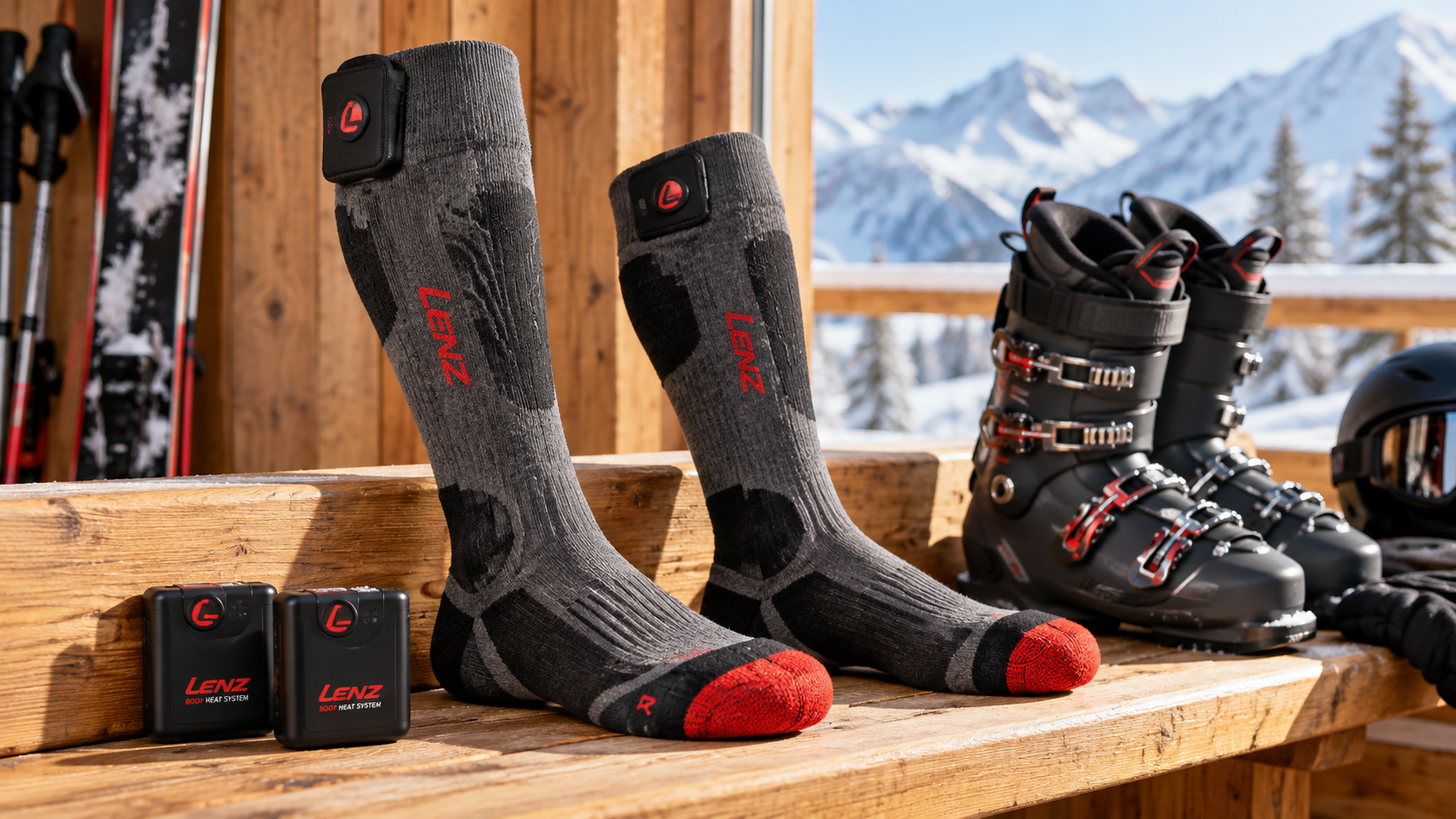
Cold feet have derailed more winter adventures than you’d think—and they’re absolutely preventable. If you’ve ever shivered through a ski day, watched your toes go numb on a backcountry hike, or struggled with Raynaud’s Syndrome during outdoor activities, you’re not alone. The good news? Heated socks have transformed from a luxury gadget into an essential piece of cold-weather gear, and the Lenz Heat Sock 5.1 Toe Cap stands at the forefront of this revolution.
Lenz Products, an Austrian company with decades of expertise in heated apparel, engineered these socks specifically for people who refuse to let freezing temperatures limit their adventures. Unlike basic thermal socks that simply insulate, the Heat Sock 5.1 actively generates warmth through a rechargeable battery system and patented Toe Cap® heating technology. This isn’t a gimmick—it’s a legitimate solution that’s earned a reputation as a game-changer among winter athletes, outdoor enthusiasts, and anyone dealing with chronic cold feet.
How the Patented Toe Cap® Heating Technology Works
Dual-sided heating chamber
The Toe Cap® element heats toes from both the top and bottom surface, creating an enclosed warmth zone that maximizes thermal efficiency. This design ensures that the critical area most vulnerable to cold exposure receives comprehensive coverage.
Flat, discreet design
The heating element is engineered to remain unnoticeable inside tight-fitting ski boots and winter footwear without adding bulk. You won’t feel the technology working—just the steady warmth it provides.
Strategic heat placement
Warmth concentrates where you need it most—the toes—rather than distributing heat unevenly across the entire sock. This targeted approach maximizes battery efficiency and prevents overheating in areas that don’t require as much warming.
Integration with battery system
The heating element connects seamlessly to rechargeable lithium-ion battery packs that attach to the leg band. The connection is secure and reliable, designed to withstand extended outdoor use.
Three customizable heat settings
Users can toggle between high, medium, and low settings based on conditions and personal preference. This flexibility allows you to adapt to changing weather throughout the day without removing your boots.
Bluetooth app control
The Lenz Heat App allows individual sock control, interval heating patterns, and precise temperature management from your smartphone. This level of control separates these socks from competitors relying on fixed heating elements.
Material Composition and Comfort Features
Premium fabric blend
The sophisticated construction combines 50% polyester, 15% merino wool, 25% polyamide, 5% silk, 3% elastane, and 2% polypropylene. Each material serves a specific function in the overall performance profile.
Merino wool benefits
Natural thermal insulation, breathability, moisture-wicking, and temperature regulation keep feet comfortable in extreme cold. The merino component elevates these socks beyond purely synthetic alternatives.
Anti-chafing inner layer
A specialized yarn layer prevents irritation during extended wear, especially important when wearing heated socks for full-day activities. This thoughtful design detail prevents the discomfort that can come from all-day sock contact.
Moisture transportation system
Advanced fabric technology moves sweat away from skin, preventing dampness and maintaining warmth efficiency. Even with active heating, proper moisture management remains critical for comfort.
Shin padding and support
Additional cushioning on the shin area and ring bandages provide extra comfort and arch support. These features address common pressure points during extended outdoor activities.
Easy maintenance
Machine washable at 30°C, making these socks practical for regular use and long-term durability. The low-temperature requirement protects the heating elements while cleaning thoroughly.
Compression benefits
The snug fit improves circulation and prevents the socks from shifting inside your boots. This secure positioning keeps the heating elements properly positioned throughout your activity.
Battery Options and Real-World Runtime Expectations
rcB 1200 battery specifications
Delivers approximately 4 hours on high heat, 6-7 hours on medium, and 10-14 hours on low setting. This entry-level battery works well for shorter excursions or primarily low-heat usage.
rcB 1400 battery specifications
Extends runtime to roughly 5-6 hours on high, 8-10 hours on medium, and 15-18 hours on low. This mid-range option balances runtime capability with reasonable size and weight.
rcB 1800 battery specifications
The premium option provides 6 hours on high, 9-11 hours on medium, and 16-20 hours on low for extended adventures. Choose this for full-day activities or when you anticipate high-heat usage.
Charging requirements
Batteries take 5-7 hours to fully charge, requiring overnight or advance planning before trips. This charging window is longer than many users expect, so planning becomes essential.
Discreet attachment
Battery packs clip securely to the leg band without creating noticeable bulk or discomfort. The attachment point is engineered for security without interfering with your movement.
Standby mode consideration
Packs enter standby rather than fully powering off, which some users note as a minor drawback. Battery drain continues slowly even when heating isn’t active.
Battery purchase options
Available separately or bundled in complete kits with socks included. Bundle deals typically offer better value than purchasing components individually.
Runtime variability
Actual battery life depends on ambient temperature, activity level, and individual heat tolerance. Real-world usage may differ from specification estimates based on your specific conditions.
Pricing Breakdown and Value Proposition
Socks-only pricing
Lenz Heat Sock 5.1 Toe Cap ranges from approximately $189.99 to $484.98 when purchased without batteries. This pricing assumes you already own compatible battery packs or plan to purchase them separately.
Complete kit pricing
Full systems including rcB 1400 batteries typically cost between $429.99 and $499.95. Most buyers choose this option for the convenience of having everything needed to start using the socks immediately.
Battery costs
Rechargeable battery packs are often sold separately, adding $150-$250+ to your initial investment. Factor this into your total cost calculation before purchasing socks alone.
Cost per use analysis
For frequent winter athletes, the per-use cost decreases significantly over multiple seasons. Someone who uses the socks 50+ days annually recovers the investment much faster than occasional users.
Durability factor
User reports of long-term reliability suggest these socks represent a solid long-term investment rather than a disposable product. Multi-season performance justifies the higher upfront cost.
Comparison to alternatives
Premium heated socks from competitors often fall in similar price ranges, making Lenz competitive within the market. You’re not paying a significant premium for the Lenz brand.
Warranty and support
Lenz’s reputation for customer service adds value beyond the initial purchase price. Strong support matters when you’re investing in specialized equipment.
Resale value
Quality construction means these socks retain decent resale value if you decide to upgrade later. The secondary market for Lenz products remains active.
Standout Advantages That Set Lenz Apart
Proven cold-weather performance
Users consistently report exceptional warmth retention, even in extreme temperatures. Real-world testimonials from serious winter athletes validate the engineering.
Smartphone integration
The Lenz Heat App provides granular control that basic heat-setting buttons cannot match. This technological advantage represents a genuine step forward in heated sock design.
Individual sock management
Control left and right socks independently, allowing you to adjust warmth based on real-time comfort. This flexibility prevents overheating one foot while the other remains cold.
Interval heating capability
Schedule heat pulses rather than continuous warmth, extending battery life during moderate conditions. This smart heating approach maximizes runtime efficiency.
Merino wool integration
The natural fiber component elevates comfort beyond synthetic-only heated socks. The combination of active heating and merino’s natural properties creates superior comfort.
Fit compatibility
Engineered specifically for ski boots and tight winter footwear without sacrificing comfort. The flat heating element means you don’t sacrifice fit for function.
User testimonials
Widespread praise from winter athletes, backcountry enthusiasts, and people with Raynaud’s Syndrome validates the product’s real-world effectiveness. These aren’t paid endorsements—genuine users champion the socks.
Austrian engineering heritage
Lenz’s decades of heated apparel expertise translates to refined product design. The company didn’t rush into the market; they built on established reputation.
Practical Limitations and Trade-Offs to Consider
Separate battery purchase
Many buyers are surprised that batteries don’t come with the socks, requiring additional spending. Check what’s included before assuming you have a complete system.
Charging time reality
Five to seven hours of charging limits spontaneous use and requires planning ahead. You can’t grab the socks and leave immediately without advance preparation.
Battery pack bulk
While discreet, the leg-mounted pack is noticeable to some users, particularly in tight pants or gaiters. The attachment point may create slight pressure against your leg.
Standby mode behavior
The inability to fully power down means slow battery drain even when not actively heating. You’ll want to charge before storage periods to prevent full depletion.
Learning curve
The Lenz Heat App requires smartphone connectivity and initial setup, which isn’t ideal for all users. Technology-averse individuals might find the system more complex than preferred.
Replacement battery cost
Future battery replacements represent an ongoing expense beyond the initial sock investment. Budget for new batteries every 3-5 years depending on usage.
Weight consideration
The battery pack adds a small amount of weight to your legs, which matters for ultralight backpacking. Every ounce counts at extreme elevations or on extended backcountry trips.
Maintenance requirements
Regular charging and proper washing at low temperatures demand more care than standard socks. You can’t toss these in a hot dryer or wash them casually.
Who Should Invest in Lenz Heat Sock 5.1 Toe Cap
Winter sports enthusiasts
Skiers, snowboarders, and backcountry adventurers benefit most from extended warmth. A full day on the slopes becomes more enjoyable when your toes aren’t screaming for heat.
Cold-weather hikers and mountaineers
Extended outdoor exposure in freezing conditions makes heated socks worthwhile. The ability to adjust heat as you move prevents the temperature swings that frustrate traditional sock users.
Raynaud’s Syndrome sufferers
Medical-grade warmth solution for people with circulation-related cold sensitivity. For individuals with this condition, heated socks often represent a necessity rather than luxury.
Outdoor workers
Construction, forestry, and utility workers spending full days in cold environments gain immediate practical benefit. Workplace safety improves when employees aren’t fighting foot discomfort.
Motorcycle and snowmobile riders
Extended exposure to wind chill makes active heating essential. Wind speed at highway velocity creates cold exposure that standard insulation cannot adequately address.
Fishing and hunting enthusiasts
Long days in cold, wet conditions where foot warmth directly impacts comfort and safety. Standing stationary in freezing temperatures demands active heating.
Frequent cold-weather travelers
People who regularly visit arctic or alpine regions justify the investment through frequent use. Travelers discover that foot comfort dramatically impacts overall trip enjoyment.
Aging athletes
Older outdoor enthusiasts experiencing decreased natural cold tolerance benefit from external warmth. Natural aging reduces the body’s ability to thermoregulate effectively.
People with poor circulation
Medical conditions affecting blood flow to extremities benefit from external heat source. Medical professionals sometimes recommend heated socks for patients with circulation challenges.
Comparing Lenz Heat Sock 5.1 to Standard Thermal Alternatives
Active heating vs. insulation
Heated socks generate warmth; thermal socks simply retain body heat. This fundamental difference creates performance gaps that become obvious in extreme cold.
Temperature performance
Lenz socks maintain toe warmth in conditions where even premium wool socks fail. There’s a threshold temperature where insulation alone becomes insufficient, and heated socks cross that barrier.
Control precision
App-based management beats fixed insulation levels of traditional socks. Real-time adjustability prevents both overheating and inadequate warmth.
Battery dependency
Heated socks require charging; thermal socks work indefinitely. This trade-off matters for backcountry expeditions where charging infrastructure doesn’t exist.
Cost differential
Initial investment is higher, but performance in extreme cold justifies the premium. Calculate whether the superior warmth aligns with your activity demands.
Versatility factor
Adjustable heat settings adapt to changing conditions throughout the day. Traditional socks force you to accept whatever insulation they provide.
Weight and packability
Heated socks add battery weight; thermal socks remain lightweight. For ultralight backpackers, this distinction matters significantly.
Maintenance complexity
Heated socks require charging infrastructure; thermal socks need only washing. Simplicity appeals to some users despite the performance trade-off.
Lifespan considerations
Quality construction means both types last multiple seasons with proper care. Durability isn’t the differentiator; performance is.
Setup, Charging, and App Control Walkthrough
Initial battery pairing
Connect rcB battery pack to socks via secure attachment point on leg band. The connection is straightforward and requires no special tools.
First-time charging
Allow 5-7 hours for complete charge before first use. Don’t assume the battery arrives charged; perform a full charge cycle before your first outing.
Lenz Heat App download
Available on iOS and Android for smartphone control. Download and install before your first use so you understand the interface.
Bluetooth connectivity
Pair app with battery pack for wireless heat management. The pairing process is intuitive and takes only a few minutes.
Three-tier heat settings
High for extreme cold, medium for moderate conditions, low for extended runtime. Start with medium and adjust based on your comfort feedback.
Individual sock control
Adjust left and right socks independently within the app. This capability prevents wasting battery on heating a foot that’s already comfortable.
Interval heating patterns
Set automatic heat pulses rather than continuous warmth. Experiment with intervals to discover the pattern that maximizes battery life for your conditions.
Battery status monitoring
App displays remaining runtime and charge percentage. Check status regularly so you’re never surprised by battery depletion.
Temperature presets
Save custom heat profiles for different activities and conditions. Create presets for skiing, hiking, and stationary activities to avoid adjusting mid-use.
Troubleshooting tips
Reset connections, re-pair devices, and check firmware updates through the app. Most issues resolve through standard troubleshooting steps.
Real-World Performance Across Different Winter Activities
Ski resort days
Eight-hour days on the slopes with medium heat setting keep toes warm without excessive battery drain. The rcB 1400 battery easily handles full days of skiing.
Backcountry touring
Extended days in variable conditions benefit from adjustable heat and extended battery options. The ability to switch between low and high heat extends your adventuring window.
Ice fishing marathons
Stationary cold exposure demands continuous high heat; the rcB 1800 battery proves essential. Fishing demands extended sitting in extreme cold where heated socks shine.
Winter hiking
Moderate activity generates some body heat; low or medium settings extend battery life significantly. Hiking’s physical exertion means you need less heat than stationary activities.
Snowmobile expeditions
Hours of wind chill exposure justifies high heat setting despite battery consumption. Wind speed during riding creates conditions where insulation alone proves inadequate.
Motorcycle winter commuting
Consistent wind chill demands reliable warmth; app control prevents overheating during stops. Urban riding’s stop-and-start pattern benefits from intelligent heat management.
Construction and outdoor work
Full-day exposure in cold conditions requires strategic heat management and durable construction. Workers appreciate the reliability during long shifts.
Casual winter walking
Low heat setting provides all-day comfort for everyday cold-weather activities. Even light heat usage creates dramatic comfort improvements for daily winter life.
Extreme alpine climbing
High-altitude cold and reduced oxygen demand maximum warmth; multiple battery sets recommended. Serious mountaineers recognize that heating socks become critical equipment at extreme elevations.
Maintenance, Durability, and Long-Term Care
Washing instructions
Machine wash at 30°C (86°F) to preserve heating elements and fabric integrity. Temperature control is crucial; hot water damages the delicate electronics.
Battery removal requirement
Always detach battery packs before washing socks. The batteries aren’t waterproof and must remain separate from the washing process.
Drying method
Air dry or use low heat; high temperatures damage delicate fabrics and heating components. Machine drying risks destroying your investment.
Storage best practices
Keep batteries charged at 50-70% during off-season storage for battery longevity. Neither fully charged nor fully depleted storage maximizes battery lifespan.
Heating element durability
Properly maintained socks retain heating performance for multiple seasons. Users report consistent warmth output after years of use.
Fabric resilience
Merino wool and synthetic blend resist pilling and degradation with normal use. The material combination creates durable construction.
Battery replacement timeline
Expect 300-500 charge cycles before noticeable capacity reduction. This translates to 3-5 years of regular use before replacement becomes necessary.
Warranty coverage
Lenz typically offers manufacturer warranties on defects; check current terms before purchase. Understanding warranty coverage protects your investment.
Repair options
Damaged heating elements or battery connections may be repairable through Lenz customer service. Contact support before assuming damage is permanent.
Lifespan expectation
Quality construction suggests 3-5+ years of reliable use with proper care. Well-maintained socks often exceed this timeline.
Making the Investment Decision: Is It Worth It?
Cost-benefit analysis
Calculate annual use frequency to determine per-use cost and ROI. Someone using the socks 80 days annually achieves dramatically different cost-per-use than occasional users.
Activity level assessment
Regular winter athletes justify investment; occasional users may find standard socks sufficient. Honest evaluation of your winter activity level is crucial.
Climate considerations
People in consistently cold regions benefit more than those in variable climates. Year-round accessibility to winter conditions justifies the investment better than seasonal-only use.
Existing gear evaluation
Assess whether current thermal solutions are genuinely inadequate before upgrading. Sometimes better boots or gaiters solve the problem cheaper than heated socks.
Budget flexibility
Complete kits represent significant investment; consider socks-only purchase if you already own compatible batteries. Strategic purchasing decisions can reduce initial expense.
Medical necessity factor
People with Raynaud’s Syndrome or circulation issues may find heated socks medically justified. Insurance occasionally covers medical-grade heated apparel.
Performance expectations
Understand that heated socks enhance comfort but don’t replace proper winter footwear selection. They’re one component of comprehensive cold-weather preparation.
Long-term value
Multi-season durability and consistent performance support the higher initial cost. Calculate expected lifespan when determining overall investment value.
Alternative solutions
Explore other heated apparel options or battery-powered foot warmers before deciding. Various heating solutions exist; ensure you’re choosing the best fit.
Trial approach
Some retailers offer return windows; test the system before committing to long-term ownership. Returning product within the trial period is better than living with buyer’s remorse.
The Bottom Line: Lenz Heat Sock 5.1 Toe Cap as Your Cold-Weather Solution
The Lenz Heat Sock 5.1 Toe Cap represents a genuine breakthrough for anyone serious about winter comfort. These socks deliver active warmth where standard thermal options simply can’t compete, backed by Austrian engineering expertise and user testimonials that consistently praise their performance. The patented Toe Cap® heating technology, merino wool blend, and smartphone app control create a system that adapts to your conditions rather than forcing you to adapt to fixed insulation levels.
Yes, the upfront investment stings—complete kits run $430-$500, and battery packs require advance charging. The leg-mounted battery pack adds minor bulk, and the 5-7 hour charging time demands planning. These trade-offs matter, and they’re not insignificant. But if you’re spending full days in extreme cold, dealing with circulation issues, or simply tired of numb toes ruining your outdoor adventures, these socks deliver measurable value that justifies the cost.
The real question isn’t whether Lenz Heat Sock 5.1 Toe Cap heated socks are good—they clearly are. The question is whether your winter lifestyle demands the performance they provide. If you’re a casual winter walker, standard merino socks probably suffice. If you’re a backcountry skier, ice fisherman, or someone with Raynaud’s Syndrome, these socks aren’t a luxury—they’re an investment in comfort and safety.
Start with a complete kit including batteries, test the system through a full winter season, and you’ll quickly understand why these socks have earned their reputation as a game-changer. Your toes will thank you.
Explore the Lenz Heat Sock 5.1 Toe Cap collection and find your perfect fit for winter adventures.

Leave a Reply