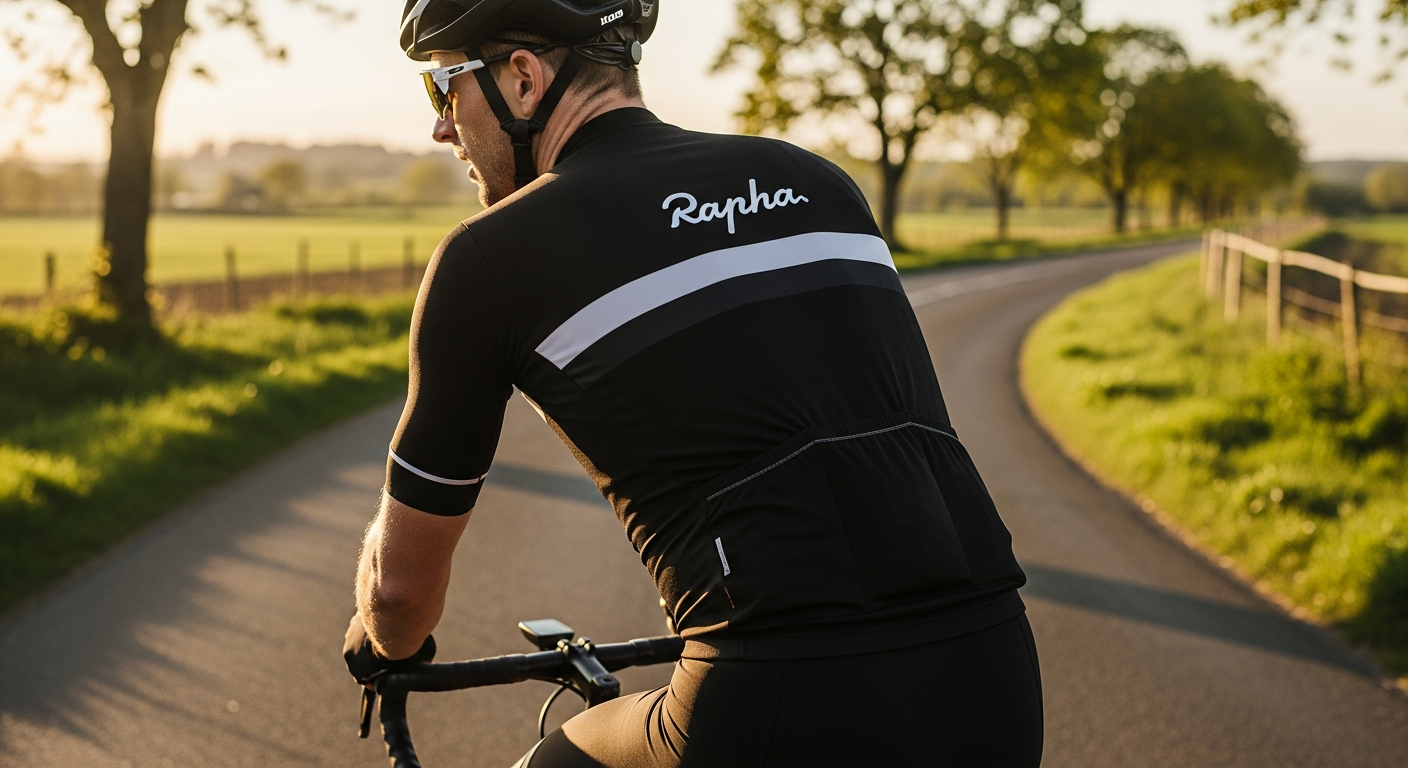
For over a decade, the Rapha Men's Classic Cycling Jersey has remained a fixture in the kit of serious cyclists worldwide. No design overhauls, no desperate attempts to chase trends—just consistent, reliable performance that keeps riders coming back season after season. This jersey represents something increasingly rare in cycling apparel: a product that genuinely improves your riding experience without demanding constant reinvention.
At its heart, the Classic Jersey embodies Rapha's core philosophy: marrying heritage-inspired aesthetics with modern performance technology. Built from Rapha Performance Merino (RPM)—a thoughtful 50/50 blend of merino wool and polyester—this jersey handles the unpredictable demands of three-season riding with remarkable composure. Whether you're navigating spring's temperature swings, summer's heat and humidity, or autumn's crisp winds, the fabric delivers consistent comfort.
This guide breaks down what makes the Classic Jersey perform: the science behind its fabric technology, how the refined fit translates to real-world comfort, the practical pocket design that sets industry standards, and whether the premium price tag (£110–£125) aligns with genuine durability. I'll also address the honest trade-offs, so you can decide whether it's the right choice for your specific riding style and priorities.
Rapha Performance Merino Fabric: The Core Technology Behind the Hype
Merino wool and polyester blend: Superior temperature regulation
The 50/50 composition of Rapha Performance Merino creates a fabric with distinct advantages over synthetic-only alternatives. This balance isn't arbitrary—it's engineered to leverage the strengths of each fiber. Merino wool provides natural insulation without the bulk, while polyester contributes structural integrity and washability. The result is a jersey that performs across a broader temperature range than either fiber could achieve alone.
Moisture vapor transport: Staying dry during intense efforts
The fabric actively absorbs sweat and releases it gradually into the air rather than clinging to your skin. During a threshold interval or a steep climb, your body generates significant moisture. Unlike jerseys that simply wick sweat away (leaving you clammy), merino's vapor transport system keeps you feeling dry throughout the effort. This distinction becomes genuinely noticeable on rides lasting several hours, where sustained moisture against your skin creates discomfort and chafing.
Natural odor resistance: Fewer washes between rides
Merino wool contains lanolin, a natural antimicrobial compound that resists bacterial growth far longer than synthetic fibers. This means you can wear the Classic Jersey multiple times between washes—a significant advantage for riders juggling multi-day tours, busy training schedules, or simply those who prefer less frequent laundry. Many riders report wearing their Classic Jersey 3–4 times before washing, compared to every other ride for synthetic jerseys.
Durability and longevity: Polyester's structural contribution
The polyester component prevents the jersey from becoming fragile or stretching excessively over time. Merino wool alone, while comfortable, can lose shape and durability through repeated washing and wear. The polyester reinforces seams, maintains structural integrity, and extends the jersey's lifespan significantly. This is why the Classic Jersey consistently delivers 3–5+ years of regular riding, making the upfront investment increasingly sensible on a cost-per-wear basis.
Weight considerations: Honest assessment of fabric feel
The merino-polyester blend does feel slightly heavier than ultra-lightweight summer jerseys. On a 35°C, low-humidity day, you might notice this weight more than ideal. However, this same weight translates to durability and comfort on cooler, variable-weather rides—the jersey's actual strength lies. The fabric is never cumbersome, but cyclists accustomed to featherweight alternatives might perceive it differently.
Eco-credentials: The sustainability shift in newer iterations
Recent versions of the Classic Jersey incorporate recycled polyester fibers, reducing environmental impact without sacrificing performance. For cyclists conscious of their gear's footprint, this evolution demonstrates Rapha's commitment to balancing performance with sustainability. The recycled content maintains the same durability and moisture-management characteristics as virgin polyester.
The Refined Classic Fit: Comfort Meets Performance Design
Close-fitting silhouette: Balancing aerodynamic efficiency with comfort
The Refined Classic fit sits closer to the body than casual cycling wear, creating a streamlined silhouette that minimizes wind resistance. However, this isn't the aggressive, second-skin tightness of a race-oriented jersey. Instead, the fit allows genuine room for your natural riding position, particularly through the torso and shoulders. This distinction matters enormously on all-day rides where aggressive tightness becomes progressively uncomfortable.
Room for movement: Why this isn't a race-tight jersey
The jersey provides ample space for deep breathing and unrestricted arm movement, critical on longer efforts. You won't feel the fabric restricting your ribcage or limiting your reach on the handlebars. This design philosophy reflects Rapha's understanding that most cyclists spend more time on recreational, all-day rides than racing flat-out. The slightly more relaxed fit rewards you with hours-long comfort without compromising aerodynamic efficiency noticeably.
Arm fit evolution: How newer versions compare to earlier iterations
Early versions of the Classic Jersey featured relatively loose arm holes and sleeves, which some modern riders found baggy. Rapha addressed this feedback in newer iterations, tightening the arm profile while maintaining the jersey's core comfort philosophy. If you're comparing an original Classic with current production runs, expect noticeably snugger arms in the newer version—though still not as aggressive as race-cut alternatives.
Shoulder and chest accommodation: Tailored for the riding position
The jersey's shoulders are cut to accommodate the forward lean of cycling without bunching or restricting shoulder mobility. The chest and upper back area provides room for your torso's expanded position on the bike without excess fabric creating drag or bunching. This tailoring makes the jersey feel purposefully designed for cycling, not simply a fitted t-shirt.
Length and hem placement: Silicone gripper technology in action
The silicone gripper tape along the rear hem prevents the jersey from riding up during aggressive climbing or sprinting. This feature transforms the ride experience—you're never hiking the jersey back down or worrying about exposing your lower back. The gripper holds firm without creating visible bulges or discomfort against your skin.
Fit across body types: Honest assessment for different builds
The Classic Jersey's refined fit works well for most body types, but cyclists with particularly narrow shoulders or those with heavier builds might find the fit tighter or less accommodating than intended. The jersey assumes a fairly standard cycling build. Larger-framed riders sometimes report the length feeling slightly short, while very lean riders might find the arm holes slightly loose. Trying on or ordering from a retailer with flexible returns remains wise.
Pocket Design and Storage: Practical Features That Matter
Three generously sized rear pockets: Capacity without compromise
The three rear pockets on the Classic Jersey are noticeably larger than those on many competitors' jerseys. You can fit a smartphone, energy bars, a tire lever, a repair kit, and still have room for a pump or light jacket. Despite this capacity, the pockets don't sag or lose shape even when fully loaded, a testament to the fabric's structural integrity and the pocket engineering.
Secure zipped pocket: Placement and peace of mind
The center pocket includes a secure zip, ideal for valuables like credit cards, cash, or your house key. The zipper quality is robust, and the pocket placement keeps it accessible without being obtrusive. You won't inadvertently open it during a ride, nor will you struggle to reach it when needed.
Pocket positioning: Engineering that prevents sagging
The Classic Jersey's pocket design positions them slightly higher and more forward than on some competing jerseys. This placement, combined with the RPM fabric's structural rigidity, means the pockets maintain their shape throughout the ride. Even after a long tour with everything loaded, the jersey doesn't look stretched or saggy—it maintains its tailored appearance.
Loading capacity: Weight distribution without aerodynamic penalty
The pockets can safely hold 2–3 kg (roughly 4–6 pounds) without compromising the jersey's fit or creating noticeable wind resistance. This capacity accommodates a full repair kit, multiple energy items, a lightweight jacket, and valuables. The distribution across three pockets helps balance weight and prevents any single pocket from pulling or straining.
Access while riding: Practical retrieval during varied terrain
The pocket placement allows straightforward access during climbs, descents, and technical sections. You can reach items without hunching uncomfortably or taking a hand completely off the handlebars. The generously sized openings mean you're not fumbling awkwardly to retrieve items during riding.
Comparison to competitors: Industry-leading engineering
Few jerseys at comparable price points match the Rapha Classic's pocket functionality. Castelli, Assos, and Pas Normal Studios offer quality pockets, but Rapha's combination of size, security, and anti-sag engineering sets the standard. This is one area where the premium price genuinely translates to noticeable practical superiority.
Three-Season Versatility: When and How to Wear It
Spring riding: Managing unpredictable temperature swings
Spring conditions range wildly—cool mornings warming into comfortable afternoons, with potential rain at any moment. The merino blend handles these transitions beautifully. The fabric's insulation keeps you comfortable in the 10–15°C morning, while its moisture-management properties prevent overheating as temperatures climb. You're rarely too cold or too warm; instead, the jersey adapts as conditions change.
Summer performance: Honest assessment of breathability
The Classic Jersey performs adequately in summer, keeping you reasonably cool through its breathable construction. However, on hot, humid days (30°C+), lighter, more minimal jerseys offer marginally better cooling. The fabric's weight isn't a performance handicap in summer, but cyclists doing exclusively summer riding might appreciate a dedicated lighter jersey for peak temperatures. The Classic excels when summer mornings are cool and afternoons warm—not when it's relentlessly hot.
Autumn and winter use: Layering potential
The Classic Jersey pairs beautifully with lightweight base layers in autumn and early winter. The slim fit accommodates a merino or synthetic base layer without excess bulk. Layer with a lightweight gilet for 10–15°C riding, or combine with a full winter jacket for colder days. The jersey becomes part of a layered system rather than functioning as standalone winter wear.
Humidity management: Performance in wet conditions
Merino's vapor transport characteristics particularly shine in humid or wet conditions. On damp, cool days, the fabric sheds moisture effectively, keeping you from feeling clammy. The odor resistance also means you can wear it multiple times during a rainy week without frequent washing, a practical advantage for autumn and winter cycling.
Transition periods: The Classic's sweet spot
The jersey's absolute sweet spot falls in the 15–22°C range. These temperatures—typical of spring, early autumn, and fall—are where the Classic Jersey's versatility genuinely shines. You can wear it alone, achieving consistent comfort without needing base layers or jackets. In these ideal conditions, the jersey feels purposefully designed, and you understand immediately why it's Rapha's best-seller.
Layering strategies: Pairing recommendations for extended seasons
For cooler riding, pair the Classic with a lightweight merino base layer and a breathable shell jacket. For spring and autumn shoulder seasons, combine it with a gilet. On summer days, wear it standalone with minimal base layer support. This layering flexibility means a single Classic Jersey can form the core of your three-season cycling wardrobe.
Premium Pricing vs. Real-World Value
Price positioning: Understanding the premium price tag
At £110–£125, the Classic Jersey sits at the premium end of the cycling apparel spectrum. A quality synthetic jersey costs £50–80, while budget options start around £30. The price difference is substantial, and justifying it requires honest analysis of value and durability. Rapha positions the Classic as an investment piece, not a consumable.
Durability ROI: Cost-per-wear calculations over years
Consider a cyclist riding three times weekly, wearing the Classic Jersey on roughly half those rides (so 75–80 wears annually). Over a three-year period, that's 225–240 wears. At £120, that calculates to approximately £0.50 per wear—competitive with much cheaper jerseys when you account for durability. Most budget jerseys last 50–75 wears before fading, pilling, or losing shape. The Classic routinely delivers 200+ wears before significant degradation, making the cost-per-wear equation decisively favorable.
Quality markers: Construction details that justify the premium
The seam quality is notably superior to budget alternatives—stitching is consistent, tight, and uses reinforced construction at stress points. The fabric finish feels refined rather than cheap. The zippers are durable (YKK quality), and overall construction details suggest craftsmanship rather than cost-cutting. These details aren't flashy, but they accumulate into genuine durability.
Resale value: Secondary market pricing
Rapha gear holds value remarkably well on secondary markets. A Classic Jersey from 2–3 years ago typically sells for 60–70% of original retail price, compared to 30–40% for generic brands. This secondary market strength reflects the brand's reputation and the jersey's proven durability. If you eventually move to different gear, resale value partially offsets your initial investment.
Promotional opportunities: Buying strategically
Rapha occasionally discounts the Classic Jersey during end-of-season sales or promotional events, occasionally dropping the price to £90–100. Watching for these opportunities (typically in July and January) allows you to acquire the jersey at better value without compromising quality. Many serious cyclists purchase their Classic Jerseys during promotional periods, effectively reducing cost-per-wear.
Investment perspective: Building a durable wardrobe foundation
Serious cyclists view the Classic Jersey as a foundational wardrobe piece—something akin to owning a quality pair of cycling shoes. You might own multiple Classic Jerseys (one for autumn, one for spring, perhaps a long-sleeve version for winter), building a cohesive, durable kit. This perspective shifts the psychology from "expensive jersey" to "essential cycling infrastructure," and the investment becomes genuinely sensible.
Strengths That Keep Cyclists Coming Back
Exceptional comfort: Feedback from all experience levels
Whether you're a competitive cyclist or a casual weekend rider, the Classic Jersey delivers consistent comfort. Beginners appreciate its forgiving fit and reliability. Experienced cyclists trust it on long rides and multiple-day tours. This broad appeal—comfort across experience levels—is rare in cycling apparel, which typically optimizes for either speed or comfort, not both simultaneously.
Timeless aesthetic: Design that refuses to feel dated
The Classic Jersey's understated styling, often featuring a subtle armband and minimal graphics, maintains visual relevance season after season. You won't look back at photos from five years ago and cringe at dated design choices. This longevity means the jersey remains visually current through multiple years of ownership, contributing to its long-term wearability.
Reliable performance: Predictable behavior across seasons
The fabric behaves consistently whether you're riding in spring, summer, or autumn conditions. You develop confidence in the jersey's capabilities—it will keep you comfortable, dry, and appropriately insulated. This reliability removes uncertainty from ride planning; you can grab the Classic and know it will perform as expected.
High-quality feel: Premium materials evident from first wear
The moment you unfold a new Classic Jersey, the quality is apparent. The fabric feels substantial rather than flimsy. The construction details communicate craftsmanship. This tactile quality contributes to psychological satisfaction—you feel like you've invested in something substantial, not a throwaway piece.
Pocket execution: Setting the industry standard
Rapha's pocket engineering simply outperforms competitors at similar price points. This practical feature might seem minor until you're loading up for a long ride and appreciating how well the pockets function. Small details like this accumulate into genuine product superiority.
Versatility: Genuine three-season capability
Few jerseys truly perform across three seasons without creating temperature regulation compromises. The Classic Jersey manages this rare feat through merino's inherent properties. You're not constantly wishing for a different jersey based on conditions; instead, the Classic adapts alongside the season.
Brand heritage: Rapha's cycling philosophy and commitment
Rapha's reputation for quality and cycling heritage adds another dimension to owning a Classic Jersey. You're not just buying a piece of apparel; you're aligning with a brand whose core philosophy prioritizes performance and craftsmanship. For many cyclists, this heritage connection carries genuine meaning.
Honest Trade-Offs and Potential Drawbacks
Price barrier: Limited accessibility for budget-conscious riders
The £110–125 price point excludes cyclists building their first kit on a budget or those prioritizing quantity over quality. For someone purchasing their first three cycling jerseys, spending £350+ on Rapha pieces might represent excessive investment when functional alternatives cost £50–80 each. Budget constraints are legitimate, and the Classic Jersey remains a premium product.
Summer limitations: When lighter alternatives make sense
On sustained hot, low-humidity days, lighter, more minimal jerseys offer marginal cooling advantages. If your cycling focuses predominantly on summer, you might appreciate a dedicated lightweight jersey alongside the Classic. The merino weight, while beneficial most of the year, becomes slightly unnecessary during peak summer heat.
Fit preferences: Slightly relaxed for pure-speed athletes
Cyclists obsessed with marginal aerodynamic gains prefer race-cut jerseys with aggressive, almost uncomfortably tight fits. The Classic's refined fit prioritizes comfort, which means it's not optimized for time-trial or track-cycling speed. If every watt matters and you're willing to sacrifice comfort for aerodynamic efficiency, other jerseys serve that specific goal better.
Arm snugness: Variability across production runs
Older versions of the Classic Jersey have noticeably looser arms compared to recent iterations. This inconsistency across production runs means you can't perfectly predict fit based on size alone. If purchasing secondhand or from older inventory, arm fit varies. Newer versions address this, but the variability exists.
Niche positioning: Designed for all-day comfort, not pure speed
The Classic Jersey prioritizes wearability on long, mixed-intensity rides over optimizing for racecraft. This design philosophy means it's slightly compromised in pure-speed applications compared to race-specific jerseys. Cyclists participating in competitive events might prefer alternatives designed specifically for racing.
Color and pattern variety: Understated aesthetics mean limited visual options
Rapha's commitment to timeless styling translates to relatively limited color variation. You won't find bold, striking patterns on the Classic Jersey—instead, subtle colorways and minimal graphics. Cyclists preferring visual boldness might find the aesthetic restraint limiting compared to competitors offering more colorful options.
Long-Term Durability and Care
Fabric longevity: Realistic expectations with proper care
With regular washing and reasonable care, expect 3–5 years of consistent performance from a Classic Jersey. Many riders report 5+ years of durability with careful treatment. The RPM fabric resists degradation better than synthetic alternatives, but like any garment, eventual wear is inevitable. The jersey doesn't suddenly fail; instead, it gradually fades and becomes slightly less vibrant.
Washing recommendations: Preserving merino's characteristics
Wash in cool water (30°C or less) using merino-specific detergent or gentle wool wash. Avoid fabric softener and excessive heat, which can damage merino's structure. Machine washing on a gentle cycle works fine; the polyester content prevents the fragility of pure merino. Air-dry rather than tumble-drying. These straightforward practices maintain the jersey's performance characteristics throughout its lifespan.
Pilling resistance: Polyester's contribution to durability
The polyester component significantly reduces pilling compared to pure merino jerseys. Minor surface pilling occasionally occurs, particularly in high-friction areas, but it's minimal. A fabric pill roller can address any visible pilling, restoring the jersey's appearance. The polyester blend makes the Classic far more resilient to this common merino problem.
Color retention: Fade resistance and longevity
Rapha's dyeing process produces colors with excellent fade resistance. The jersey won't dramatically fade after a year of regular riding. However, extended UV exposure (stored outside) does gradually lighten colors over multiple years. Proper storage—in a cool, dark location—preserves color vibrancy. Realistic expectation: colors remain consistent for 2–3 years, with gradual fading thereafter.
Seam integrity: Quality of construction and durability
The seams are reinforced and use high-quality thread, resisting failures through multiple years of stretching, washing, and movement. Seam failure is exceptionally rare with the Classic Jersey. The stitching quality represents one of the jersey's genuine strengths, and you can confidently expect seams to outlast the overall garment aesthetics.
Repair potential: Rapha's warranty and customer service approach
Rapha offers straightforward warranty coverage and is generally responsive to quality concerns. If seams fail prematurely or manufacturing defects appear, Rapha typically addresses the issue through replacement or repair. The brand's reputation depends on customer satisfaction, making them responsive to legitimate issues. This backstop provides additional confidence in the investment.
Seasonal storage: Maximizing lifespan through off-season care
Store the jersey in a cool, dry location away from direct sunlight. Ensure it's fully dry before storage to prevent mildew or odor development. Merino is naturally resistant to bacterial growth, but proper storage extends lifespan. Avoid plastic storage containers, which trap moisture; instead, use breathable fabric storage or simply fold it in a drawer with other cycling clothes.
Who Should Buy the Rapha Men's Classic Jersey
Serious recreational cyclists: 5–10+ hours weekly
If you're riding 5–10+ hours weekly and prioritizing reliability and comfort, the Classic Jersey represents an excellent investment. You'll wear it frequently enough for the cost-per-wear to become genuinely favorable. Serious recreational cyclists appreciate the jersey's versatility and consistent performance across varied conditions.
Club run participants: Comfort and durability for group riding
Club cyclists benefit from the Classic's refined fit and all-day comfort. Club runs often blend various intensities and distances, requiring a jersey that performs reliably across variable demands. The jersey's professional appearance also aligns with club riding culture, where appearance and equipment quality matter.
Multi-day touring cyclists: The odor resistance and temperature regulation shine
For cyclists planning multi-day tours, the merino's odor resistance eliminates the need to pack multiple jerseys. The temperature regulation handles the variable conditions of extended touring. The pocket capacity accommodates touring essentials. The Classic Jersey becomes the core piece of a minimalist touring kit.
Commuters and utility riders: Versatility for mixed-condition, mixed-purpose riding
The jersey's three-season versatility makes it ideal for commuters riding in varied conditions. Its professional appearance works equally well for casual café stops or mixed-purpose riding. The durability handles daily use without premature degradation.
Cyclists prioritizing comfort over speed: Willing to sacrifice marginal aerodynamics
If you prioritize hours-long comfort over chasing marginal speed improvements, the Classic Jersey matches your priorities perfectly. The refined fit's slight relaxation compared to race-tight alternatives translates directly to enhanced long-ride comfort.
Heritage-conscious riders: Appreciating cycling philosophy and timeless design
Cyclists who value Rapha's cycling heritage, philosophy, and commitment to timeless design find genuine satisfaction in owning the brand's most iconic product. The jersey represents something beyond mere apparel—it embodies a particular approach to cycling.
Less ideal for: When the Classic might not fit
The Classic Jersey is less suitable for racers seeking aggressive race cuts, cyclists riding exclusively in summer heat, or budget-conscious beginners building their first kit. If these categories describe you, alternative jerseys serve those specific needs better.
Rapha Men's Classic Jersey vs. Alternatives in 2026
Rapha Classic II: The newer iteration
The Classic II represents an evolution rather than a complete redesign. Rapha refined the fit—particularly tightening the arm profile—and updated the fabric technology while maintaining the jersey's core philosophy. The Classic II addresses feedback from users of earlier versions while preserving what made the original successful. If you're choosing between the original and Classic II, the latter offers subtle but meaningful improvements.
Long-sleeve variant: Extended coverage without bulk
The long-sleeve version of the Classic Jersey extends coverage for cooler months without adding excessive bulk. It maintains the same refined fit, pocket design, and fabric characteristics as the short-sleeve version. For cyclists wanting extended three-season versatility, the long-sleeve variant pairs well with the short-sleeve version to create seasonal flexibility.
Competitor comparisons: Castelli, Assos, and Pas Normal Studios
Castelli Perfetto Long Sleeve (£130–140) offers superior winter characteristics but slightly compromises summer versatility. Assos Mille GT (£145–165) prioritizes fit precision and aerodynamics, appealing to performance-focused cyclists. Pas Normal Studios Mechanism Jersey (£135–150) emphasizes contemporary aesthetics and bold design. Each competes in overlapping territory but with different philosophical emphases. The Classic Jersey remains the most versatile among these options.
Performance vs. heritage: Why the Classic prioritizes timeless design
The Classic Jersey doesn't chase cutting-edge fabric technology or trendy design elements. Instead, it maintains confidence in proven materials and timeless aesthetics. This conservative approach means it occasionally lacks the marginal performance advantages of newer competitors' jerseys, but it ensures the jersey remains visually and functionally relevant for years.
Value positioning: Where it sits in the premium cycling apparel market
The Classic Jersey sits firmly in the premium segment—the top 10–15% of pricing. This positioning reflects its quality, durability, and brand heritage. However, it's not the absolute most expensive option; specialist race jerseys and weather-specific pieces often command higher prices. The Classic represents premium quality without the extreme pricing of ultra-specialized alternatives.
Upgrade considerations: When to move beyond the Classic
Consider a specialized summer jersey if you ride predominantly in heat and humidity. Explore race-specific jerseys if competitive cycling becomes a focus. Investigate dedicated winter jerseys if you're regularly riding in below-5°C conditions. The Classic Jersey excels broadly but doesn't optimize for any single specialized demand better than purpose-built alternatives.
The Jersey That Earned Its Decade-Long Reputation
The Rapha Men's Classic Cycling Jersey isn't fashionable or trendy—it's simply proven. Over a decade of consistent sales and zero design overhauls demonstrates something rare in cycling apparel: a product that genuinely improves your riding experience and earns customer loyalty through reliability rather than marketing hype.
The merino wool blend keeps you comfortable across seasons, managing temperature regulation that synthetic alternatives struggle to match. The pocket engineering sets the industry standard, providing practical storage without compromising fit or aerodynamics. The refined fit delivers all-day wearability that race-tight alternatives simply can't approach, rewarding you with hours of consistent comfort rather than marginal speed gains.
Yes, the premium price stings—£110–125 represents a genuine investment compared to budget alternatives. But when you're reaching for this jersey week after week through spring rain, summer heat, and autumn wind, the value becomes undeniable. The cost-per-wear equation tips decisively in its favor over three to five years of regular riding. Most serious cyclists own multiple Classic Jerseys, building a cohesive, durable kit that reliably performs across varied conditions.
If you're chasing marginal speed improvements or cycling exclusively in summer heat, lighter, more specialized alternatives exist and might suit your specific needs better. If you're building a versatile, durable cycling wardrobe that handles real-world riding conditions without fuss—that performs equally well on commute days, club runs, weekend tours, and training efforts—the Classic Jersey remains the gold standard.
Leave a Reply