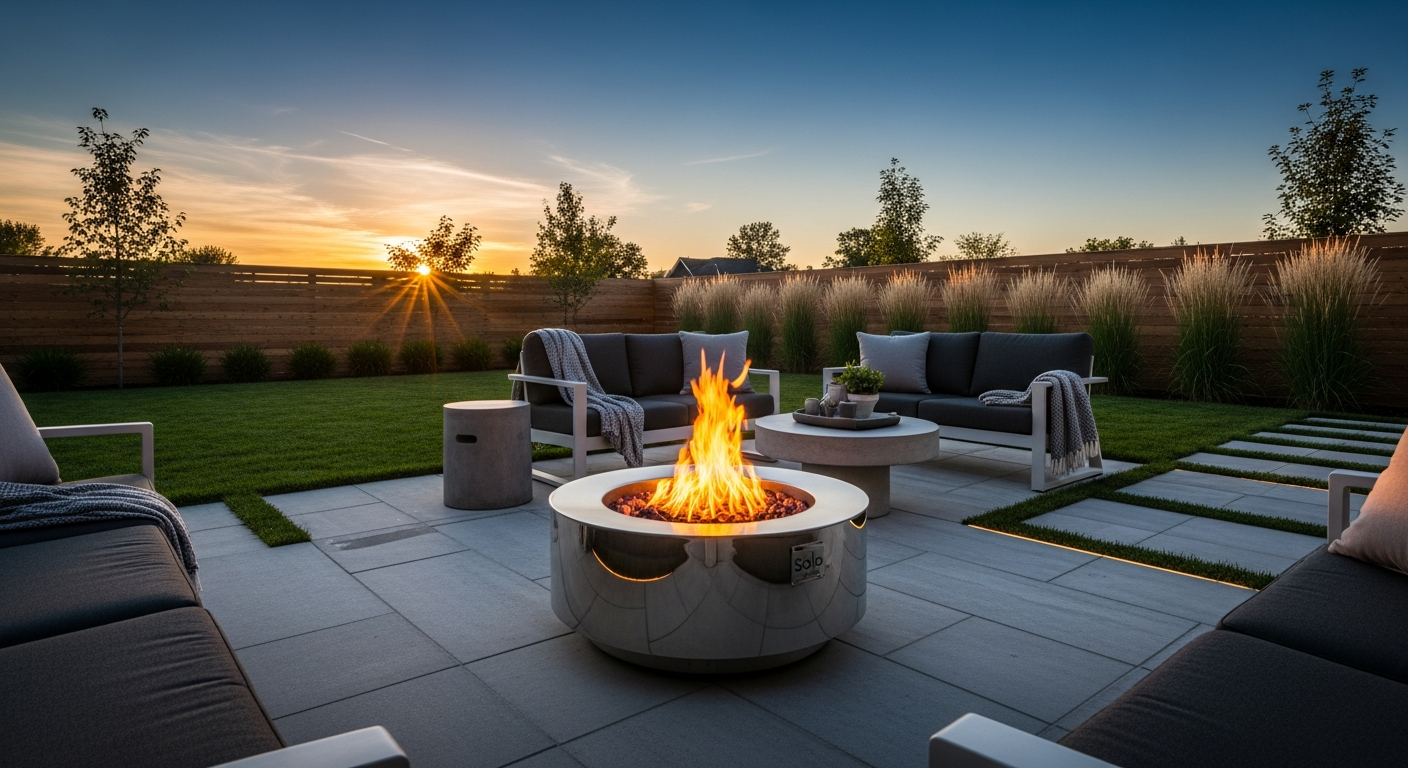
Picture hosting a backyard gathering where no one leaves smelling like a campfire—no watery eyes, no coughing fits, no smoke chasing you around the patio. That's the reality Solo Stove Bonfire 2.0 owners experience every single time they light up. The difference between this and a traditional fire pit feels almost unfair.
Traditional fire pits have dominated outdoor spaces for decades, but they come with a frustrating tradeoff: incredible ambiance paired with relentless smoke that ruins the experience. You settle in to enjoy the evening, and within minutes, the smoke finds you. Your guests shift positions constantly, chasing that one comfortable spot where the smoke doesn't drift into their faces. Your clothes reek the next morning. Sound familiar?
The Solo Stove Bonfire 2.0 has become a game-changer in the outdoor heating market, earning its spot as one of the brand's bestselling products. Its patented 360° Airflow design doesn't just reduce smoke—it practically eliminates it through a clever secondary combustion system that burns off emissions before they escape. Through this guide, you'll understand the engineering that makes this fire pit stand out, see what real-world performance actually looks like, and determine whether the investment makes sense for your lifestyle. Check out the Solo Stove Bonfire 2.0 today.
How the 360° Airflow Technology Actually Works
Dual-stage combustion process
The magic happens through a two-step burning sequence that conventional pits simply cannot replicate. Air enters through bottom vents, gets heated by the initial fire, and then channels upward through precisely engineered holes positioned at the top of the pit. This isn't random airflow—it's a calculated path that ensures heated air reaches unburned gases at exactly the right moment.
Secondary burn mechanism
That upward-flowing air ignites those unburned gases, creating a second fire that consumes smoke particles before they escape into the air. What you see as "smoke" from a traditional pit is actually incomplete combustion—fuel that didn't burn completely the first time. The Bonfire 2.0 forces a second pass, extracting every bit of energy and eliminating the visible emissions.
Why traditional pits fail
Conventional designs lack this airflow engineering, allowing smoke to rise directly upward from the fuel. There's no mechanism to capture and reignite those escaping gases. The result? Thick, pungent smoke that bothers everyone within thirty feet.
Efficiency gains
The system maximizes heat output while minimizing wood consumption compared to open fires. You'll burn hotter and cleaner, getting more usable warmth from fewer logs. The engineering doesn't just make the fire pit pleasant—it makes it genuinely efficient.
Patent-protected design
Solo Stove's proprietary technology isn't replicated by competitors. While other brands try to mimic the concept, this patented system represents years of development and refinement.
Physical Specifications and Space Requirements
Dimensions and portability
The Bonfire 2.0 measures 19.5 inches in diameter and 14 inches in height—compact enough for patios yet substantial enough for gatherings. At approximately 20 pounds, it's portable but realistically requires two people for comfortable repositioning. It won't dominate a small backyard, and it fits easily in a truck bed for camping trips.
Footprint on outdoor layouts
Works well on decks, campsites, and small yards without consuming valuable outdoor space. The compact footprint makes it suitable for residential settings where a massive fire pit would look out of place.
Log length limitations
Accepts logs up to 16 inches, requiring pre-cutting of larger firewood. This is worth considering if you typically use full-length logs—you'll need to either cut them down or purchase pre-cut firewood specifically sized for the pit.
Ash pan design
The removable ash pan catches minimal white ash—typically just a handful per burn session. Cleanup becomes a five-minute task instead of a frustrating chore.
Performance in Real-World Conditions
Smoke reduction claims vs. reality
Achieves near-smokeless operation in most conditions. Under optimal burning with seasoned wood and calm weather, minimal smoke actually escapes. Some light wisps might appear during the initial ignition phase, but sustained burning produces virtually no visible emissions.
Heat output and radiant warmth
The design produces intense upward heat radiation. Sitting close to the pit means genuine warmth; sitting further back is noticeably cooler. This differs from traditional pits where heat radiates somewhat evenly in all directions. Closer seating is more comfortable, though heat deflector accessories can redirect warmth outward if needed.
Burn rate and wood consumption
The efficient design means faster wood consumption due to hotter, more complete burns. Don't expect this to burn wood slower than a traditional pit—it actually burns faster because the combustion is so complete. You're getting more energy per log, but you'll go through wood quicker.
Weather impact
Wind and humidity affect performance significantly. Calm, dry conditions produce optimal results. High winds can disrupt the airflow pattern, and wet wood will create more visible emissions and reduced efficiency.
Seasoned wood requirements
Dry firewood produces superior results compared to green or wet wood. Using properly seasoned wood—dried for at least six months—unlocks the pit's full potential. Anything less compromises both the smokeless performance and heat output. Explore Solo Stove Bonfire 2.0 options and find the right setup for your space.
Maintenance and Cleanup Advantages
Ash removal process
The removable pan catches minimal white ash—typically just a handful per burn session. You'll empty it once every few fires rather than constantly fighting accumulated ash. The cleanup process is genuinely quick.
Stainless steel durability
The 304-grade stainless steel construction resists rust and corrosion for long-term outdoor exposure. You're not dealing with painted steel that chips and flakes. This material ages gracefully, developing a natural patina rather than deteriorating.
Cleaning frequency
Requires less frequent deep cleaning than traditional fire pits. The efficient burn means less accumulated debris and ash buildup. Periodic wiping maintains the appearance without intensive scrubbing.
Seasonal storage
The relatively lightweight construction (around 20 pounds) makes moving indoors or covering during off-season realistic. You can store it in a garage or covered patio without needing heavy equipment.
Longevity expectations
Quality construction suggests 10+ years of regular use with minimal degradation. Owners report their pits performing excellently after five, seven, even ten years of consistent use. This isn't a disposable purchase.
Investment Considerations and Value Proposition
Price range
Typically $250–$500 depending on retailer, bundles, and seasonal sales. This positions it firmly in the premium category, well above basic steel ring fire pits but below some high-end alternatives.
Premium positioning
The higher upfront cost reflects superior engineering, materials, and brand reputation. However, lower maintenance expenses long-term help balance the initial investment. You're not constantly replacing parts or dealing with rust and deterioration.
Accessory ecosystem
Heat deflectors, protective covers, and specialized stands are available to enhance functionality and protection. These additions let you customize the pit to your specific needs and preferences.
Resale value
Strong secondary market demand exists due to brand reputation and product popularity. If you ever decide to sell, you'll recover a significant portion of your investment.
ROI calculation
Cost justification comes through reduced smoke complaints from neighbors, less wasted wood through efficient burning, and extended usable seasons. You'll use your backyard more comfortably throughout the year.
Trade-Offs and Honest Limitations
Heat distribution
Radiant warmth concentrates upward, meaning sitting further back requires a heat deflector accessory to feel genuinely warm. This isn't a fatal flaw—it's just how the physics work—but it's worth considering if your seating arrangement spreads people far from the pit.
Wood preparation
Logs must be cut to 16 inches or shorter, adding prep time before use. If you source full-length firewood, you'll spend extra time at a chop saw getting it fire-pit ready.
Burning intensity
The efficient design creates a hotter, faster burn that consumes wood quicker than expected. Budget accordingly for wood purchases if you plan frequent fires.
Initial investment barrier
Premium pricing may feel steep compared to conventional alternatives. A basic steel ring costs a fraction of this, and that gap matters to many budgets.
Learning curve
Optimal performance requires understanding proper wood selection and loading techniques. You'll benefit from reading the manufacturer's guidance and experimenting with your first few fires.
Ideal Use Cases and Audience Fit
Small to medium gatherings
Perfect for 4–12 person groups in residential settings. The pit size and heat output suit this range exceptionally well.
Patio and deck installations
Compact design suits limited outdoor spaces without overwhelming aesthetics. It looks intentional rather than cramped.
Campsite flexibility
Portable enough for glamping or seasonal camping adventures. The weight and dimensions make transport practical.
Smoke-sensitive households
Ideal for those with respiratory sensitivities or neighbors in close proximity. If smoke bothers you or your guests, this solves that problem entirely.
Design-conscious homeowners
Sleek, modern appearance complements contemporary outdoor decor. This isn't a rustic, chunky fire pit—it's a refined outdoor appliance.
Comparison to Traditional Fire Pits and Alternatives
Smoke elimination advantage
Dramatically outperforms conventional open fires in air quality. There's simply no comparison—traditional pits produce substantial visible smoke; the Bonfire 2.0 produces virtually none.
Efficiency metrics
Burns hotter and cleaner, producing more usable heat per log. You get more warmth from less wood, though you'll go through wood faster due to the intensity.
Aesthetic appeal
Modern design contrasts sharply with rustic traditional pit aesthetics. If your outdoor space has contemporary styling, the Bonfire 2.0 fits seamlessly. If you're going for a rustic camping vibe, it might feel out of place.
Maintenance burden
Significantly easier cleanup compared to traditional pit ash accumulation. You'll spend less time scrubbing and more time enjoying.
Cost differential
Premium pricing reflects genuine engineering and material quality advantages. You're not paying for branding alone—you're paying for technology that actually works.
The Bottom Line: Is the Solo Stove Bonfire 2.0 Worth It?
The Solo Stove Bonfire 2.0 represents a genuine leap forward in residential fire pit technology. Yes, the upfront investment stings compared to a basic steel ring, and yes, you'll need to cut your firewood to size. But here's what actually matters: you're buying a premium product backed by thoughtful engineering, built to last over a decade, and designed to eliminate one of outdoor entertaining's most persistent annoyances.
Whether this smokeless fire pit belongs in your backyard depends on your priorities. If you value clean air, minimal maintenance, and a modern aesthetic—and you have the budget to match—this is a smart investment. For everyone in between, particularly those hosting regular gatherings or dealing with smoke-sensitive household members, the Bonfire 2.0 delivers genuine value that justifies its premium price tag.
Ready to upgrade your outdoor experience? Research current pricing across retailers, check for seasonal bundles, and consider whether accessories like heat deflectors align with your specific setup. Visit Solo Stove to explore the Bonfire 2.0 and transform your outdoor gatherings.
Leave a Reply