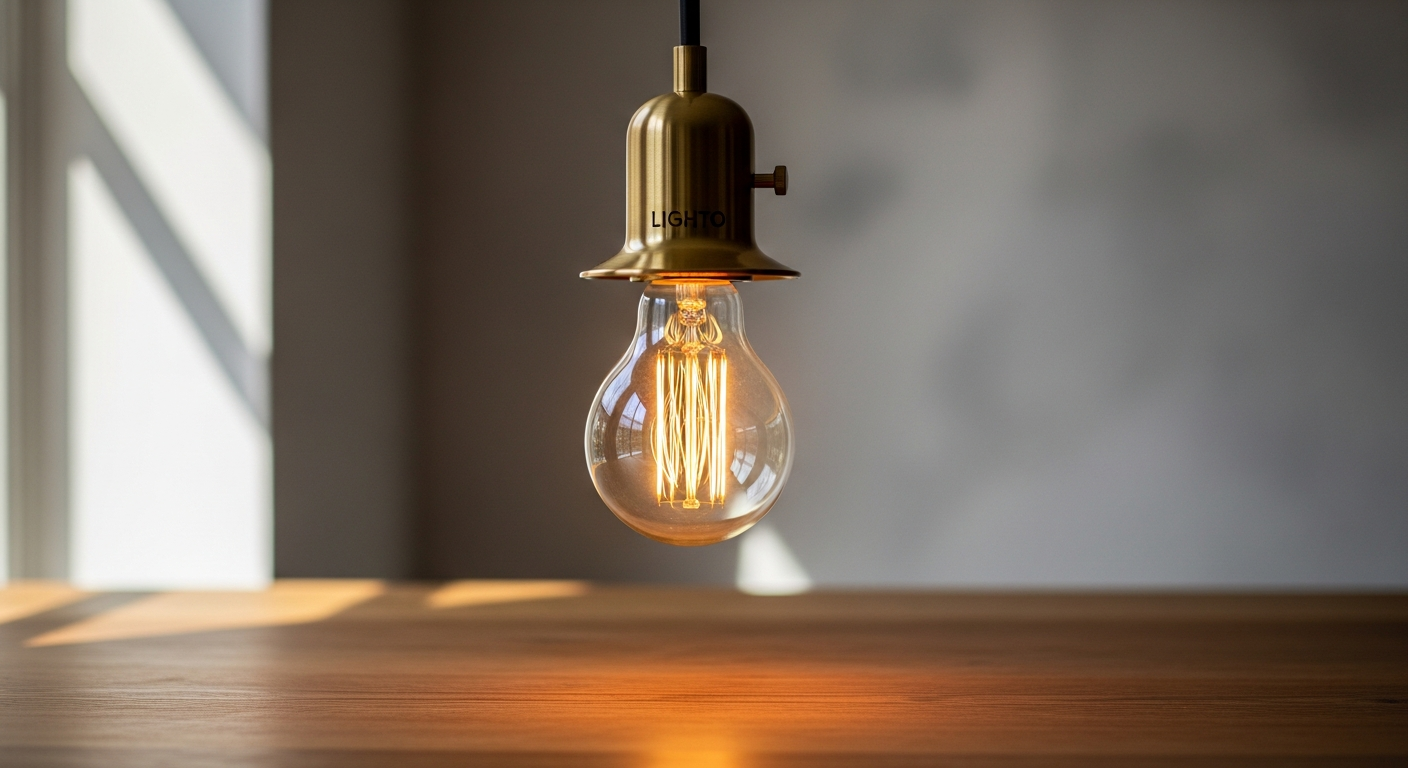
Lighto E27 dimmable LED filament lamp installed in modern dimmer-compatible fixture with warm glow

How to Master Dimming with the Lighto E27 Dimmable LED Filament Lamp: A Complete Setup Guide for 2026

Here's a surprising fact: most homeowners struggle with dimmer compatibility when switching to LED bulbs, yet the right lamp can transform this frustration into seamless control. The Lighto E27 Dimmable LED Filament Lamp solves this problem elegantly, offering smooth dimming performance that rivals traditional incandescent bulbs—without the energy waste or frequent replacements.

Dimming technology has evolved dramatically over the past decade. What once required specific fixtures now works with standard E27 sockets across countless homes. The Lighto brand has engineered its dimmable filament lamps to work harmoniously with modern dimmer systems, making them an ideal choice for anyone upgrading their lighting without overhauling their electrical setup. This matters because dimmability isn't just about convenience—it's about creating the exact atmosphere you want, whenever you want it.

Upgrade your home with Lighto E27 Dimmable LED Filament Lamps today and experience flicker-free dimming control.

Understanding Dimmer Compatibility: What You Need to Know

LED vs. incandescent dimmer differences

Traditional incandescent dimmers were engineered specifically for the resistive load of filament bulbs. These older dimmers work by cutting power to the bulb in predictable waves, a technique that works beautifully with incandescent technology. LED bulbs operate on entirely different electrical principles, and older dimmer technology often causes flickering, buzzing, or an inability to dim smoothly. The Lighto E27 lamp's advanced circuitry handles this better than many budget LED options, but compatibility still matters.

Trailing-edge vs. leading-edge dimmers

Two primary dimmer technologies exist: leading-edge (or forward-phase) and trailing-edge (or reverse-phase) dimmers. Leading-edge dimmers, the older standard designed for incandescent loads, cut the leading edge of the AC wave. Trailing-edge dimmers cut the trailing edge and perform far better with LED bulbs because they create less electrical noise and provide smoother dimming curves. The Lighto E27 works best with trailing-edge or universal dimmers that explicitly support LED filament lamps.

Minimum load requirements

Many dimmers have minimum wattage thresholds—often 40-60 watts for older models. A 4-watt LED lamp like the Lighto E27 falls dramatically below these requirements, potentially causing the dimmer to behave erratically or shut off entirely. Modern LED-compatible dimmers typically feature minimum load specifications of 5-10 watts, making them suitable for multiple Lighto lamps or single-lamp installations with compatible dimmer technology.

Universal dimmer compatibility

Certain dimmer brands and types are certified for LED compatibility and perform reliably with Lighto E27 models. Dimmers explicitly labeled "LED-compatible" or "trailing-edge universal dimmers" typically work smoothly. Brands that invest in LED-specific engineering tend to deliver better performance, though the Lighto E27's quality construction helps it work with a broader range of dimmer types than cheaper LED filament alternatives.

Testing dimmer compatibility

Before committing to multiple bulbs, test your existing dimmer with a single Lighto E27 lamp. Install the bulb, dim it through its full range, and observe for flickering, buzzing, or dead zones where the lamp won't respond to dimmer adjustments. This practical verification takes minutes and saves frustration down the road.

Upgrading to an LED-compatible dimmer

If your current dimmer underperforms, replacement is straightforward. LED-compatible trailing-edge dimmers range from €20-€60 depending on features and brand quality. Installation involves turning off power at the breaker, removing the old dimmer, and connecting wires to the new unit—a task within reach for anyone comfortable with basic electrical work. Professional installation costs €50-€150 if you prefer expert handling.

Step-by-Step Installation for Flicker-Free Performance

Pre-installation safety checks

Begin by turning off power at the circuit breaker. Verify the fixture can accommodate an E27 bulb by examining the socket—it should be the large screw-type fitting, roughly 27mm in diameter. Inspect the socket for corrosion, damage, or loose components. A damaged socket creates poor electrical contact, directly causing dimming problems and potential safety hazards.

Proper screw-fitting technique

Insert the Lighto E27 lamp by aligning the threads and turning clockwise. Don't force it—the bulb should screw in smoothly. A properly seated bulb ensures reliable electrical contact, critical for flicker-free dimming. An improperly installed bulb creates intermittent connections that trigger dimming irregularities even with a perfectly functional dimmer.

Dimmer adjustment settings

With power restored, gradually increase the dimmer from its minimum position. Most LED-compatible dimmers feature trim pots or digital calibration settings on the dimmer itself. Consult your dimmer's manual for these adjustment procedures. The Lighto E27's circuitry typically requires minimal adjustment, but proper calibration ensures the lamp responds smoothly across the entire dimming range.

Testing the full dimming range

Dim the lamp from its lowest setting to maximum brightness, observing for any flickering, stuttering, or dark zones where the bulb doesn't respond. The dimming should feel continuous and smooth. If you notice a section of the dimmer's range where the lamp flickers or doesn't respond, this indicates a dimmer compatibility issue rather than a lamp defect.

Common installation mistakes

Loose connections—whether the bulb isn't fully seated or wiring at the dimmer is improperly secured—rank as the primary cause of dimming problems. Over-tightening the bulb can damage the socket threads; finger-tight plus a quarter turn is sufficient. Installing incompatible dimmers, skipping the test phase, and failing to verify power is off during installation also create unnecessary complications.

When to call a professional

If the bulb won't seat properly, the fixture shows visible damage, or you're uncomfortable working with electrical components, professional installation is worthwhile. Electricians can verify your entire circuit's compatibility, recommend appropriate dimmer upgrades, and ensure safe installation in minutes.

Discover premium dimmable LED solutions that transform your lighting experience with Lighto E27 lamps.

Creating Ambiance: Mood Lighting Applications for Every Room

Living room atmospheric design

The living room is where dimming flexibility truly shines. The Lighto E27's warm 2200K glow mimics candlelight or traditional incandescent bulbs, creating inviting spaces for conversation and relaxation. During evening hours, dimming these lamps to 50-60% brightness maintains the atmospheric warmth while reducing eye strain. The visible LED filament adds decorative appeal, especially in exposed fixtures or pendant lights where the bulb itself becomes part of the design aesthetic.

Dining room dinner party lighting

Dinner parties demand precise lighting control. Begin the evening with lamps dimmed to create intimate ambiance, then brighten them slightly when serving courses that require better visibility. The Lighto E27's smooth dimming curve allows these adjustments without the abrupt brightness jumps that less sophisticated bulbs produce. Guests consistently perceive dimmed warm lighting as more sophisticated and welcoming than static, bright illumination.

Bedroom relaxation zones

Bedroom lighting profoundly affects sleep quality and evening wind-down routines. The Lighto E27's warm color temperature supports melatonin production when dimmed in evening hours. Establishing a dimming routine—bright enough for dressing and preparation, then progressively dimmed as bedtime approaches—aligns your lighting with natural circadian rhythms. This practice improves sleep onset and quality compared to static bright lighting.

Home office productivity lighting

Home office lighting must balance ambient warmth with task visibility. Dimming Lighto E27 lamps to 75-85% brightness provides comfortable general illumination without the harsh sterility of full brightness. For focused work requiring maximum visibility, running lamps at full brightness offers ample light output. The ability to adjust throughout the day prevents eye fatigue and supports productivity during extended work sessions.

Accent lighting and decorative displays

Dimmed Lighto E27 filament lamps excel at accent lighting. Position them to highlight artwork, architectural features, bookshelves, or collectibles. Dimming creates subtle, sophisticated lighting that draws attention without overwhelming the space. The visible filament design adds character when the bulb itself is visible—a design feature that separates these lamps from utilitarian alternatives.

Smart lighting routines

Modern smart home systems integrate with compatible LED dimmers and bulbs to create automated dimming schedules. Program dimming profiles for different times of day: bright morning light for energy, gradually dimmed afternoon comfort, and soft evening ambiance. This automation removes manual adjustment while optimizing both atmosphere and energy use.

Energy Savings Through Smart Dimming Practices

Wattage reduction at lower brightness levels

A 4-watt Lighto E27 lamp already consumes far less than the 25-40 watt incandescent it replaces. Dimming reduces consumption further. Operating at 50% brightness consumes approximately 50% of the lamp's power draw. Over thousands of hours annually, these incremental reductions compound into substantial energy bill decreases.

Comparing energy costs: LED vs. incandescent dimming

Consider a typical scenario: replacing a 40-watt incandescent bulb used 5 hours daily with a 4-watt Lighto E27. Annual consumption drops from 73 kWh to 7.3 kWh—a 90% reduction. At €0.25 per kWh (approximate European average), this single bulb saves €16.43 annually. Multiply across a home with 10-15 visible bulbs, and annual savings reach €160-€250 without sacrificing any atmospheric quality.

Lifespan extension through reduced usage

The Lighto E27's rated lifespan of 15,000-50,000 hours represents exceptional longevity compared to incandescent bulbs' 1,000-2,000 hours. Operating these lamps at 70-80% brightness rather than maximum extends their lifespan further. Fewer replacements mean reduced material waste and additional long-term cost savings beyond energy reduction.

Smart dimming for seasonal efficiency

Seasonal adjustments enhance overall home efficiency. Summer evenings allow dimmer lamp usage, reducing heat output and cooling demands. Winter evenings benefit from slightly higher brightness, supporting mood and visibility during darker months. This seasonal flexibility optimizes both comfort and energy consumption year-round.

Measuring actual energy savings

Smart plugs and home energy monitors provide precise consumption data. Install a smart plug on a lamp with the Lighto E27 and track actual kilowatt-hour usage. Compare these measurements to your previous incandescent bulb's documented consumption. Real-world data validates projected savings and often reveals additional optimization opportunities.

Long-term cost analysis

Calculating return on investment helps justify initial lamp investment. A €12 Lighto E27 bulb saving €16.43 annually reaches payback in approximately 9 months. After that point, every month of operation represents pure savings. Over the lamp's 15,000-50,000 hour lifespan, individual bulb savings range from €40-€130 depending on usage patterns.

Troubleshooting Dimming Issues and Performance Problems

Flickering at certain brightness levels

Flickering at specific dimmer settings typically indicates incompatibility between the dimmer's leading-edge technology and the Lighto E27's electronics. Other causes include loose bulb installation, corroded socket connections, or minimum load threshold violations. Test solutions methodically: first ensure the bulb is fully seated, then verify socket cleanliness, then test with an alternative dimmer if possible.

Dimmer not reaching full brightness

Some dimmers limit maximum output at 95% brightness. This design choice protects dimmer electronics but creates perception of inadequate brightness. Consult your dimmer's manual for maximum brightness adjustment settings. Alternatively, this can indicate a minimum load problem—adding another LED bulb to the same dimmer circuit may resolve the issue.

Dimmer stuck at minimum brightness

Dead zones where the dimmer fails to respond frustrate users and suggest calibration issues. LED-compatible dimmers often feature calibration procedures accessed via trim pots or digital controls. Following manufacturer calibration instructions typically resolves this. Persistent dead zones indicate dimmer replacement necessity.

Buzzing or humming sounds

Audible buzzing originates from either the dimmer, the lamp, or less commonly, the fixture itself. Turn off power and listen carefully when the dimmer is activated—if buzzing occurs before the lamp illuminates, the dimmer itself is the source. Buzzing only when the lamp is on suggests lamp-dimmer incompatibility. Buzzing in the fixture suggests loose components. Each source requires different solutions: dimmer replacement, lamp switching, or fixture tightening.

Inconsistent dimming across multiple bulbs

When some Lighto E27 lamps in the same circuit dim smoothly while others flicker, suspect loose bulb installation or socket issues rather than universal incompatibility. Check each problematic bulb's seating and the corresponding socket condition. Cleaning oxidized contacts often resolves inconsistent dimming.

Compatibility verification steps

Purchase a single Lighto E27 bulb and test it with your existing dimmer. Dim it through the full range, observe for flickering or dead zones, and run it for 20-30 minutes. This controlled test takes less time than troubleshooting after purchasing multiple bulbs and immediately reveals compatibility issues.

When replacement is necessary

A faulty bulb typically exhibits flickering even in non-dimmed fixtures. A faulty dimmer shows problems with all bulbs, both LED and incandescent. If a single Lighto E27 bulb flickers only in dimmed mode but works fine at full brightness, the dimmer—not the bulb—requires replacement. Lighto's three-year warranty covers defective bulbs; contact the retailer with proof of purchase.

Comparing Lighto E27 Dimmable Lamps to Other Lighting Solutions

Lighto vs. budget non-dimmable LED bulbs

Budget non-dimmable LED bulbs cost €2-€5 per unit, significantly less than dimmable options at €5-€15. However, they eliminate dimming flexibility entirely. If you've invested in dimmers or value atmospheric control, non-dimmable bulbs represent false economy. The Lighto E27's dimmability costs marginally more but unlocks functionality worth far more to most homeowners.

Lighto filament lamps vs. smart RGB bulbs

Smart RGB color-changing bulbs offer flexibility that warm-only filament lamps cannot match. However, RGB bulbs cost €20-€40, dramatically more than Lighto E27s. For pure atmospheric warm lighting without color variation, Lighto filament lamps deliver superior aesthetic appeal at a fraction of the cost. RGB bulbs make sense for accent lighting where color flexibility justifies the expense.

Lighto E27 vs. traditional incandescent bulbs

Incandescent bulbs produce incomparably beautiful light through genuine heat radiation, offering a quality no LED entirely replicates. However, they consume 5-10 times more energy, require frequent replacement, and generate significant heat. The Lighto E27 captures 95% of incandescent warmth and ambiance while eliminating these drawbacks. For modern consumers, this trade-off overwhelmingly favors LED filament technology.

Lighto vs. halogen dimmer-compatible bulbs

Halogen bulbs dim smoothly and produce pleasant light but consume nearly as much energy as incandescent technology and generate intense heat. Lighto E27 lamps offer superior energy efficiency and lifespan while providing comparable dimming performance. Halogen's advantages narrow significantly when energy costs and replacement frequency enter the calculation.

Lighto vs. other premium LED filament brands

Other premium LED filament brands in the €5-€15 range compete directly with Lighto. Differentiation comes through build quality, warranty coverage, dimmer compatibility, and light quality consistency. Lighto's position as Gloeilampgoedkoop's in-house brand reflects substantial quality control investment and three-year warranty coverage that matches or exceeds competitors.

Cost-benefit analysis for room-by-room upgrades

Prioritize visible fixtures first—pendant lights, chandeliers, and exposed sconces where the filament design enhances aesthetics. These rooms typically see heavy dimming usage, maximizing both atmospheric and energy benefits. Upgrade recessed ceiling fixtures second, then lesser-used spaces last. This prioritization sequence ensures maximum return on investment and visible quality improvements immediately.

Maximizing Your Lighto E27 Investment: Maintenance and Longevity

Proper cleaning and dust management

Dust accumulation on the visible LED filament reduces light output and affects aesthetics. Every 3-6 months, turn off power at the breaker, allow the lamp to cool fully, and gently wipe the outer glass with a soft, lint-free cloth slightly dampened with distilled water. Never use harsh chemicals or abrasive materials that damage the lamp's coating.

Environmental factors affecting lifespan

Temperature stability extends lamp longevity. Fixtures in temperature-extreme locations—near heating vents, outside-exposed areas, or poorly ventilated spaces—experience reduced lifespan. Humidity also matters; very damp environments like bathrooms without adequate ventilation may shorten operational life. Mount these lamps in stable, well-ventilated locations when possible.

Dimmer maintenance for optimal performance

Dimmers occasionally accumulate dust on internal components, causing performance degradation. Turn off power and use compressed air to gently clear dimmer vents annually. This simple maintenance preserves dimming smoothness and extends dimmer lifespan, protecting your investment in compatible equipment.

Warranty coverage and three-year protection

Lighto's three-year warranty covers manufacturing defects and premature failures. Retain your purchase receipt and packaging for warranty claims. Lighto honors claims when bulbs fail before rated lifespan due to manufacturing issues, though physical damage or incorrect installation typically voids coverage.

Storage best practices

Store unused Lighto E27 bulbs in original packaging in a cool, dry location away from vibration and impact. Extreme temperature fluctuations during storage can stress internal components. Protect bulbs from dust and moisture that might compromise socket contacts.

Seasonal checks and testing

Every 6-12 months, systematically test each installed lamp's dimming performance. Look for new flickering, reduced brightness, or unresponsive zones. Early detection of performance changes often indicates fixable issues—a loose connection or dimmer calibration drift—before they become serious problems.

Upgrade planning

Track the hours your lamps accumulate annually. If a lamp sees 5 hours daily of use, it approaches its 15,000-hour minimum lifespan in approximately 8 years. Planning replacements before bulbs fail prevents operating with faulty fixtures and ensures seamless continuity of your lighting design.

The Dimming Revolution: Why Lighto E27 Lamps Deserve a Place in Your Home

The Lighto E27 Dimmable LED Filament Lamp represents a genuine breakthrough for homeowners seeking both aesthetic beauty and functional control. You've learned that dimmer compatibility isn't mysterious—it's manageable with the right knowledge and setup approach. The warm 2200K glow, combined with smooth dimming capabilities, creates atmospheric lighting that incandescent bulbs once monopolized, yet without the energy waste or constant replacements.

What makes these lamps truly exceptional is their versatility across every room in your home. Whether you're creating an intimate dinner setting, establishing a productive work environment, or simply unwinding with soft ambient light, the Lighto E27 delivers. The energy savings accumulate quietly in the background—€5-€15 per bulb might seem like a modest investment until you calculate years of reduced electricity bills and fewer replacement purchases.

Evaluate your current dimming setup and identify which fixtures would benefit most from upgrading to Lighto E27 dimmable lamps. Start with one or two key rooms, test the dimming performance, and expand from there. The combination of quality construction, three-year warranty, and genuine dimming flexibility makes this investment worthwhile. Your future self—enjoying perfectly lit spaces while watching energy costs decline—will thank you for taking action today.

Transform your home lighting with Lighto E27 Dimmable LED Filament Lamps and experience the perfect balance of style and savings.


Comments

Leave a Reply

Your email address will not be published. Required fields are marked *