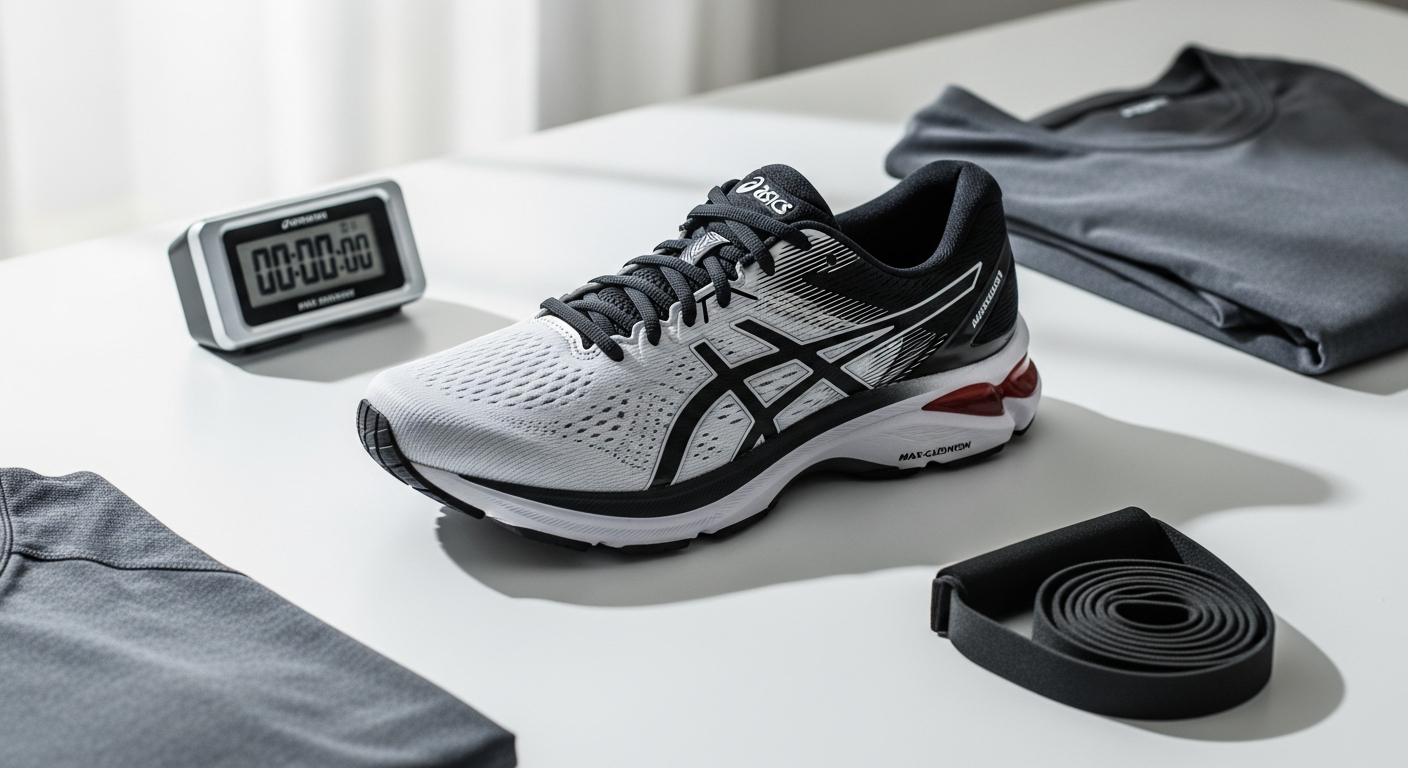
When over 60% of marathon runners report that shoe comfort directly impacts their race-day performance and recovery, you realize footwear isn't just about preference—it's about results. I've watched countless runners struggle through training cycles with shoes that either sacrifice protection or feel sluggish underfoot. The constant trade-off between cushioning and responsiveness has plagued the market for years, leaving runners frustrated with compromises.
The Asics Superblast 3 challenges this compromise by delivering something runners have long searched for: genuine cushioning that doesn't sacrifice responsiveness. Asics positioned the Superblast 3 as a super trainer that bridges the gap between daily trainers and racing flats. The shoe combines innovative FF Leap foam technology with FF Blast Plus cushioning, creating a platform that handles everything from recovery jogs to marathon efforts.
This versatility matters because most runners can't justify owning five different shoes—they need one reliable option that performs across varied training demands. I'm breaking down what makes this shoe tick for marathoners and recovery-focused runners specifically. You'll discover the midsole technology that powers its bouncy feel, how the updated fit addresses common complaints, real-world performance across different running scenarios, and whether the $200+ price tag delivers genuine value.
Explore the Asics Superblast 3 and transform your training rotation today.
Midsole Technology That Transforms Long-Distance Running
The Superblast 3's midsole represents a significant leap forward in cushioning innovation. The top layer features FF Leap foam, engineered to be lighter and more responsive than previous FF Blast technology. This material appears in Asics's Metaspeed racing models, bringing that same race-proven performance to a trainer platform. Below sits the FF Blast Plus base layer, which delivers maximum cushioning and protection where you need it most during extended efforts.
The upgrade from standard FF Blast technology matters considerably for marathoners. FF Leap foam reduces overall weight while maintaining energy return, meaning your legs don't work harder to propel you forward on mile 18. The dual-layer system creates a genuinely bouncy platform without the rigidity that carbon-plated alternatives impose. During 10+ mile runs, you feel this responsiveness clearly—each footfall generates noticeable rebound rather than a dead, absorbed sensation.
Stack height specifications measure 46.5mm in the heel and 38.5mm in the forefoot, creating an 8mm drop. This substantial cushioning doesn't compromise ground feel or natural mechanics. The non-plated design means your feet stay engaged with the ground throughout your stride, not locked into a predetermined motion pattern. Recovery jogs feel effortless, while tempo efforts maintain enough responsiveness to keep your pace honest without sacrificing the protection your body craves during high-mileage blocks.
Fit and Comfort Upgrades That Address Runner Feedback
Previous Asics models received consistent criticism about cramped toe boxes, particularly from runners with slightly wider forefeet. The Superblast 3 addresses this directly through an expanded toe box design while maintaining a secure midfoot lockdown. The engineered mesh upper provides excellent breathability without sacrificing structural support during longer efforts.
The heel-to-toe drop of 8mm positions your foot in a naturally neutral position. This moderate drop works well for runners transitioning between easy recovery runs and faster-paced work. Your stride remains smooth across intensity variations, and your calf muscles experience consistent demands rather than the adaptation required when switching between significantly different stack heights.
Midfoot lockdown becomes critical during marathon training when accumulated fatigue tests your stability. The secure lacing system keeps your foot anchored without pressure points that develop during extended wear. True-to-size fit means you don't need to size up or down—order your normal size. The heel counter design provides excellent ankle security, particularly valuable during 20-mile long runs when your body tires and form degrades slightly. The average width fits most runners well, though those with genuinely wide feet will find limited options within the Asics line.
Durability and Traction Across Training Conditions
The segmented rubber outsole design balances durability with flexibility. Unlike solid rubber constructions, segmentation allows the forefoot to flex naturally while maintaining reliable grip across varied surfaces. Real-world mileage capacity extends between 300-500 miles before noticeable cushioning degradation occurs—respectable longevity for a max-cushion trainer.
Grip performance on wet roads performed admirably during testing, with reliable traction on slick surfaces without the stickiness that traps moisture. Gravel trail running revealed solid performance across mixed-surface routes, though the Superblast 3 truly shines on road and asphalt-based training. Outsole wear patterns typically develop first under the heel, progressing to the outer forefoot as miles accumulate. This wear progression remains predictable and doesn't compromise structural integrity until you've approached the 500-mile threshold.
Maintenance extends shoe life considerably. A quick rinse after muddy runs and air drying prevents accelerated degradation. The engineered mesh upper resists stubborn dirt accumulation, requiring only occasional gentle cleaning to maintain appearance. Rotate between two pairs if you're logging serious mileage—this simple practice extends individual shoe lifespan by distributing impact stress and allowing cushioning materials full recovery between runs.
Marathon Training vs. Racing: When to Wear the Superblast 3
Marathoners frequently ask whether to race in the Superblast 3 or reserve it for training. The answer depends on your priorities and race strategy. During peak mileage weeks when you're running 40+ miles weekly, the Superblast 3 excels at protecting your legs through high-volume training blocks. The cushioning actively reduces fatigue accumulation, allowing you to maintain quality in your hard workouts while recovering adequately on easy days.
Recovery run performance stands out as a particular strength. The maximum cushioning and lightweight construction combine to make easy-paced recovery runs genuinely comfortable. You're not battling heavy shoes or feeling like you're pounding into the ground—instead, each stride feels supported and energized. This psychological confidence matters during tough training blocks when mental fatigue compounds physical demands.
For actual race day, consider your running economy and personal preferences. The Superblast 3 can work for marathon racing if you prioritize comfort and durability over absolute speed. However, runners targeting specific time goals typically pair it with a lighter carbon-plated racing flat for the actual event. This two-shoe approach optimizes your training adaptations while delivering race-day performance advantages when it matters most. The Superblast 3 serves as your tireless training partner, building fitness and resilience through high-mileage blocks.
Get your Asics Superblast 3 and optimize your marathon training foundation.
Weight, Responsiveness, and Energy Return Analysis
Actual weight specifications measure 8.2 to 8.4 ounces for a men's US size 9—remarkably light considering the substantial stack height. This weight efficiency translates directly to reduced leg fatigue during extended runs. Your legs simply don't work as hard propelling a lighter platform, and cumulative fatigue reduction becomes apparent over 20+ mile training runs. By the final miles, you're fresher than you would be in heavier max-cushion competitors.
The bounce and energy return characteristics shine during tempo runs and faster-paced training sessions. While not as snappy as dedicated racing flats, the Superblast 3 delivers noticeable rebound that prevents a sluggish, absorbed sensation. The FF Leap foam layer specifically enhances this responsiveness without requiring a carbon plate. Your leg muscles still feel engaged in the running motion rather than locked into predetermined patterns by rigid structure.
Responsiveness during faster-paced work remains solid despite maximum cushioning. You can throw down genuine speed work in the Superblast 3, though purists might prefer lighter racing flats for interval training. The lightweight construction prevents the sluggish feeling that plagues some max-cushion trainers, creating a genuine middle ground between plush protection and racing performance.
Honest Assessment of Limitations and Trade-offs
The price point of $200-$210 represents a significant investment, particularly for runners managing multiple pairs or training on tighter budgets. Competitor offerings in the max-cushion space carry similar pricing, though some alternatives undercut this cost. Whether premium pricing aligns with performance benefits depends on your individual priorities and training volume.
The lack of a carbon plate generates mixed reactions. Some runners prefer the natural mechanics and ground feel that non-plated designs provide. Others crave the propulsive sensation and stiffness that rigid plates deliver. For marathon training and recovery running specifically, the absence of a carbon plate preserves natural mechanics and flexibility—characteristics many marathoners actually prefer over race-flat rigidity.
The high stack height, while providing ample cushioning, creates a feeling of instability for some runners, particularly in the forefoot. If you prefer maximum ground feel and minimal cushioning, the Superblast 3 won't satisfy your preferences. The shoes aren't available in wide sizes, creating challenges for runners with genuinely wide forefeet. Additionally, some users describe the shoe as "super loud" during runs—the combination of soft foam layers and segmented outsole generates more audible feedback than some competitors.
Recovery Runner Advantages and Training Load Management
Recovery runners—those prioritizing comfort and durability over speed—find tremendous value in the Superblast 3. The maximum cushioning actively absorbs impact forces, reducing stress on joints and connective tissues during high-mileage training blocks. Impact absorption during back-to-back training days prevents the cumulative pounding that degrades performance and increases injury risk.
The injury prevention potential through maximum protection represents a genuine advantage. Runners managing chronic issues or navigating return-from-injury situations benefit from the Superblast 3's protective platform. The secure fit and stable platform prevent the minor movements that aggravate developing problems. Mental confidence gained from a protective, supportive platform shouldn't be underestimated—knowing your shoes actively protect your legs allows you to focus on training rather than worrying about injury risk.
Leg freshness preservation across extended training cycles becomes noticeable during weeks three and four of peak training blocks. While fatigue inevitably accumulates, the Superblast 3 slows that deterioration. Your legs feel more responsive on easy runs, your hard workouts maintain higher quality, and your recovery runs actually feel restorative rather than just painful necessary sessions.
Investment Value and Cost-Per-Mile Breakdown
Cost-per-mile calculations provide useful perspective. With realistic 300-500 mile durability and a $205 price point, your per-mile cost ranges from $0.41-$0.68. Compared to dedicated racing flats lasting 150-200 miles, the Superblast 3 delivers superior value for high-mileage runners. Warranty coverage through Asics extends standard manufacturer guarantees, and customer support remains responsive when issues arise.
Resale value in the secondhand market stays reasonable, particularly for barely-used pairs. If you realize the Superblast 3 doesn't align with your running style, selling on specialized running shoe marketplaces recovers some investment. Budget-friendly alternatives exist if premium pricing proves prohibitive—previous-generation Asics models or alternative brands' max-cushion offerings cost less but sacrifice some technological advantages and updated fit improvements.
The Non-Plated Advantage for Natural Running Mechanics
The absence of a carbon plate profoundly affects your natural running form. Flexible forefoot construction allows your foot to bend and articulate through push-off, engaging stabilizer muscles throughout your lower leg and foot. This engagement strengthens stabilizing musculature over time, building resilience that carries through to racing.
Ground feel and proprioceptive feedback during training remain excellent despite maximum cushioning. You're not disconnected from the ground or locked into artificial motion patterns—instead, your body receives constant sensory information about terrain and impact forces. This feedback loop enhances your body's adaptation to training stimuli and reduces the learning curve when transitioning to racing flats.
Preference trends among marathoners increasingly favor non-plated trainers for the majority of training volume. Rigid carbon plates excel for short, fast efforts where propulsive stiffness matters. For 18-20 mile long runs and recovery sessions, the natural mechanics and flexibility of non-plated designs prove superior. The Superblast 3 capitalizes on this trend by delivering maximum cushioning without the rigidity that many runners now actively avoid.
The Superblast 3 Earns Its Place in Your Training Rotation
The Asics Superblast 3 delivers on its promise as a versatile, marathon-focused trainer that doesn't compromise between protection and responsiveness. Its FF Leap and FF Blast Plus dual-layer midsole creates a genuinely bouncy platform, while the updated fit finally addresses the toe box complaints runners have voiced for years. For marathoners building base mileage and recovery runners prioritizing comfort, this shoe performs exceptionally well across the training spectrum.
Yes, the $200+ price tag stings. Yes, it lacks a carbon plate and won't feel as snappy as a dedicated racing flat. But here's what matters: if you're logging 40-70 miles weekly and need one shoe to handle everything from easy recovery runs to 20-mile long runs, the Superblast 3 eliminates the guesswork. The cushioning protects your legs during peak training blocks, the lightweight construction prevents unnecessary fatigue, and the non-plated design preserves your natural running mechanics.
Consider your training priorities honestly. If you race marathons frequently and want a dedicated race shoe, pair the Superblast 3 with a lighter racing flat for the actual event. If you're a recreational marathoner or ultramarathon runner who values comfort and durability over shaving seconds, this shoe becomes your reliable workhorse. The investment pays dividends through reduced injury risk, faster recovery, and genuine confidence during long efforts.

Leave a Reply