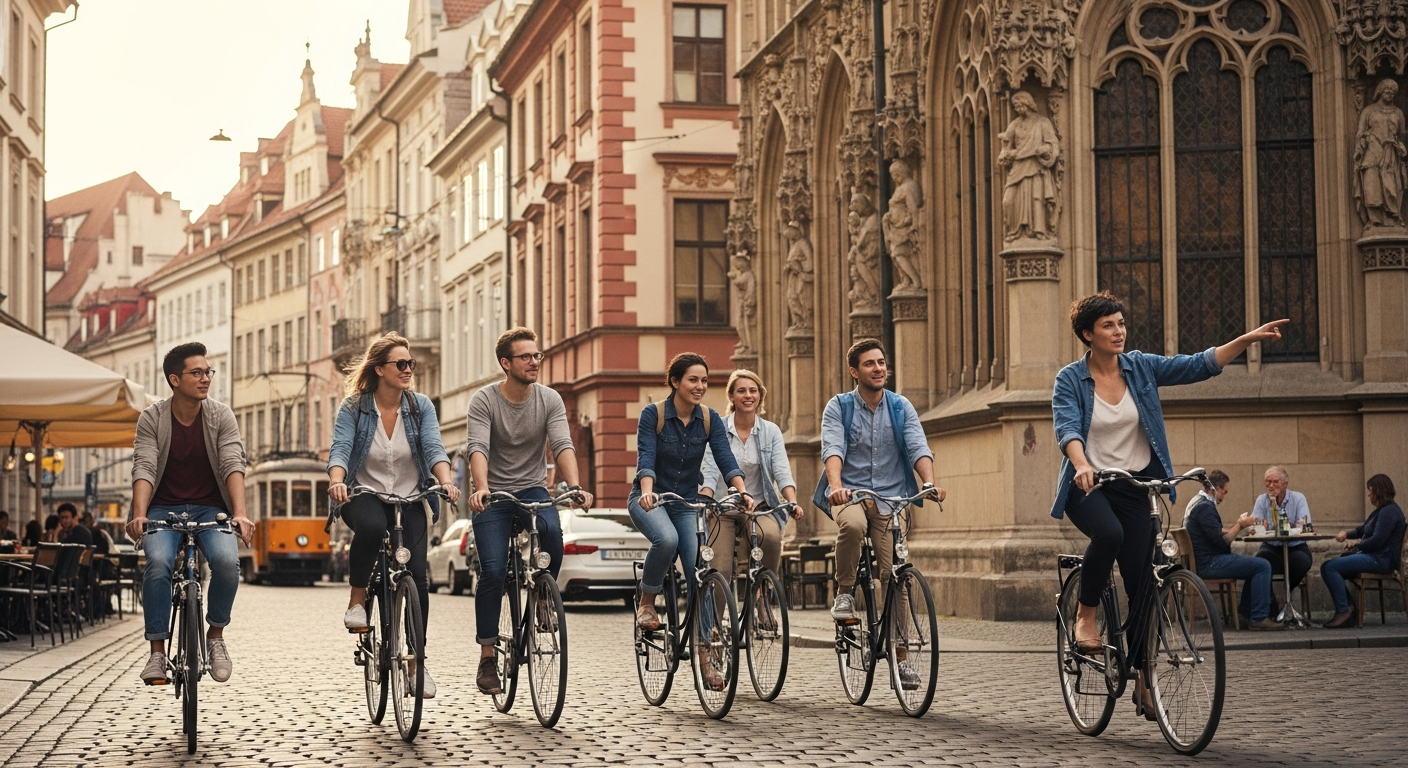
Guided city bike tour group cycling through historic European city streets with local expert guide

Guided City Bike Tours: The Insider’s Guide to Exploring 250+ Global Destinations on Two Wheels

More than 60% of travelers now prefer active, experiential sightseeing over traditional bus tours—and guided city bike tours are leading this shift. There's something transformative about pedaling through a metropolis with someone who actually lives there, who knows which alleyway holds the best espresso and which plaza comes alive at sunset.

Guided city bike tours represent a sweet spot between adventure and accessibility. They're not grueling cycling expeditions or passive sightseeing experiences. Instead, they blend the freedom of two wheels with expert local knowledge, allowing travelers to cover significantly more ground than walking tours while staying relaxed and engaged. Companies operating across 250+ destinations worldwide have refined this model into a genuinely popular way to experience cities.

Start exploring cities on two wheels with Baja Bikes today.

What Are Guided City Bike Tours (and Why They're Different from Regular Cycling)

A guided city bike tour is fundamentally different from simply renting a bike and exploring on your own. These experiences pair experienced local guides with groups of travelers, creating a curated journey through urban landscapes. The guide controls the pace, selects the route, and provides context that transforms a simple bike ride into cultural immersion.

The distinction from self-guided bike rentals is significant. When you rent a bike independently, you're navigating unfamiliar streets, reading maps, and making decisions about where to go. A guided tour removes that cognitive load. Your guide knows which streets are genuinely safe, which neighborhoods are worth your time, and how to structure a route that covers maximum ground without exhausting participants.

Walking tours offer a different trade-off entirely. They provide intimate access to neighborhoods and allow for extended stops, but they're slow. You might cover 2-3 miles in three hours. A guided bike tour covers 10-15 miles in the same timeframe, exposing you to far more of the city while maintaining the personal touch of a knowledgeable local.

The Efficiency Factor

Distance covered per hour is where bike tours shine. Walking tours keep you grounded, bus tours isolate you behind glass. Guided city bike tours position you at the intersection of speed and engagement. You're moving fast enough to see significant portions of a city, yet slow enough to actually absorb neighborhoods, ask questions, and feel the texture of the place.

The Local Guide Element

Your guide isn't just navigating—they're interpreting. They point out details you'd miss. A seemingly ordinary facade might have housed a famous artist or witnessed a pivotal historical moment. The best guides weave personal anecdotes into historical facts, creating a narrative that makes a city feel knowable rather than overwhelming.

Accessibility and Relaxed Pacing

Quality guided city bike tours are designed for various fitness levels. Modern bikes are comfortable, routes are chosen for safety rather than speed, and guides set a sustainable pace. You don't need to be a cyclist or athlete. These tours welcome beginners, casual riders, and anyone wanting to experience a city more actively than a walking tour allows.

The Global Reach: Exploring 250+ Destinations Worldwide

The scale of guided city bike tour operations is remarkable. From European capitals to Asian metropolises, Latin American hubs to smaller regional cities, the network spans every continent. This diversity means you can use the same format to experience wildly different places.

Geographic Diversity and Regional Specialization

European cities like Amsterdam, Berlin, and Barcelona have mature tour ecosystems where cycling culture is deeply embedded. Asian cities like Bangkok, Ho Chi Minh City, and Tokyo offer tours that navigate dense urban environments and introduce you to neighborhoods tourists rarely visit. Latin American tours highlight colonial architecture, vibrant street art, and local markets. Each region's tours reflect what makes that place unique.

Seasonal Planning and Destination Availability

Tour availability shifts with seasons. Summer months see peak availability in temperate regions, while some tropical destinations are better visited during dry seasons. Spring and fall often represent sweet spots—pleasant weather without peak tourist crowds. Your destination choice should align with both your travel timeline and ideal cycling conditions.

Lesser-Known Cities with Exceptional Offerings

While major cities attract the most attention, smaller destinations often offer exceptional experiences. A guided bike tour in Porto reveals riverside neighborhoods and historic tile work. Tours in Ljubljana or Krakow provide an intimate feel of European culture without the overwhelming scale of Paris or Rome. Lesser-known cities frequently feature more personalized experiences and smaller group sizes.

Discover your perfect city bike tour destination across 250+ global locations.

What You'll Actually Experience: The 3-Hour Tour Breakdown

A typical guided city bike tour follows a familiar structure, though variations exist based on destination and operator. Most tours run approximately three hours—long enough to cover meaningful distance and multiple stops, short enough to respect your time and avoid fatigue.

Tour Structure and Timeline

Your tour typically begins at a central meeting point, often near a major landmark or transit hub. The guide performs a brief orientation covering bike operation, route overview, and group dynamics. The first 10-15 minutes might include a quick loop around the meeting area to ensure everyone's comfortable on their bike. From there, you're moving—a mix of riding and stops.

Route Design and Safe Pathways

Quality operators obsess over route design. They choose paths that balance interesting sightseeing with actual safety. This might mean using dedicated bike lanes, pedestrian streets, or carefully timed traffic navigation. The route philosophy prioritizes comfort and confidence over difficulty.

Stops: Landmarks, Hidden Gems, and Local Spots

A three-hour tour typically includes 4-6 substantial stops. You might pause at a famous landmark for historical context and photos. You'll also venture into quieter neighborhoods where locals actually live. Some tours include stops at local food spots where guides recommend hidden cafes or street food. The mix of iconic sights and authentic neighborhoods is intentional—you see both the famous city and the real city.

Pacing and Educational Balance

Your guide balances movement with information. They're not lecturing non-stop—you're listening while riding, with deeper context shared at stops. Guides read the group's energy; when people are flagging, they might slow the pace or extend a break. The best guides sense when someone has a question and create space for genuine conversation.

What Guides Share

Guides layer different types of knowledge. You'll learn historical facts—when a neighborhood was built, what architectural movement it represents, significant historical events. You'll also get contemporary insights: where young professionals are moving, what cultural shifts are happening, how locals actually spend their time. This combination of history and present reality makes a city comprehensible rather than just visually interesting.

Bike Quality and Comfort Standards

Equipment quality varies, but reputable operators maintain their bikes well. Bikes are regularly serviced, fitted with comfortable saddles, equipped with functional brakes, and set up for your height. You're not struggling with faulty equipment or enduring an uncomfortable saddle—the physical experience is pleasant.

Weather and Seasonal Conditions

Tours operate in most weather conditions, though extreme heat, heavy rain, or snow might require adjustments. Operators typically inform participants about weather expectations and provide guidance on appropriate clothing. Some tours include rain ponchos or adjust routes in severe conditions. Your comfort in different weather shapes the quality of your experience.

The Local Guide Advantage: Why Expertise Matters

The guide is genuinely the difference between an okay tour and an exceptional one. A mediocre guide reads facts from a script. An excellent guide has the kind of local knowledge that can't be replicated by reading guidebooks.

Multilingual Capabilities

Many guides speak English as well as regional languages, making tours accessible to international travelers. This multilingual competence matters—guides can communicate nuance and wordplay that don't translate, making the experience richer.

Local Knowledge Beyond Guidebooks

Your guide knows which cafes locals actually patronize, which parks are genuinely special, which streets have interesting history. They know current events, recent developments, and neighborhoods transforming in real time. This knowledge is living and specific to this moment in the city's evolution.

Safety Navigation

Guides have navigated these routes hundreds of times. They know traffic patterns, which intersections are genuinely dangerous, and how to move groups safely through urban environments. This expertise matters—you're not taking risks or making nervous decisions about street crossings.

Enthusiasm and Passion

The best guides genuinely love where they live. They're not cynical about tourism—they're excited to share their city. This enthusiasm is contagious. You don't just see sights; you understand why those sights matter to someone who chooses to live there.

Educational Value

A knowledgeable guide transforms isolated observations into coherent understanding. You learn how architectural styles connect to historical periods, how urban planning reflects cultural values, how neighborhoods evolved. You're building actual comprehension rather than just collecting images.

Cultural Insights and Local Perspectives

Guides provide access to genuine local perspective. They explain cultural nuances that tourists typically miss, share perspectives on contemporary issues, and help you understand how the city actually functions beyond the tourist zones.

Building Connections

Many travelers report that guides become genuine highlights of their trips. The personal connection—conversations about the guide's favorite restaurants, recommendations for where to spend your next evening, stories about their own relationship with the city—creates memory beyond the sightseeing itself.

Practical Considerations Before Booking Your Tour

Booking logistics matter. Different operators have different policies, payment options, and communication approaches.

Booking Flexibility and Payment Options

Many operators offer pay-on-the-spot flexibility, reducing the anxiety of committing ahead. Online booking is straightforward with most companies, though some tours in smaller cities still use email confirmation. Payment flexibility—whether they accept multiple payment methods or allow last-minute bookings—affects your actual ability to participate.

Tour Duration and Physical Demands

The standard three-hour format suits most travelers, but you should honestly assess your physical readiness. These aren't strenuous—you're pedaling gently at a social pace—but you should be comfortable sitting on a bike for three hours with multiple stops. If you have mobility issues, discuss them with the operator beforehand.

What to Bring and Wear

Comfort is straightforward: wear casual clothes suitable for physical activity, bring water, and use sunscreen. Most operators recommend comfortable shoes (not sandals) and clothes you don't mind getting sweaty. Avoid extremely baggy clothing that might get caught in the chain. Many bring small backpacks or crossbody bags to carry personal items.

Bike Specifications and Comfort Standards

Before your tour, confirm that bikes will be properly fitted to your height and that they're in good condition. Ask about bike types—some operators use upright commuter bikes while others use hybrid models. Either works fine, but knowing what to expect helps you prepare mentally.

Group Size and Social Dynamics

Tour group sizes vary from 6-20 people depending on the operator and season. Smaller groups offer more personalized experiences and easier conversations. Larger groups can feel less intimate but offer more social opportunities. Check group size expectations when booking.

Communication Before Booking

Quality operators respond to emails and questions before your tour. If you can't reach someone before booking, that's a red flag. Good communication before your tour suggests good communication during it—guides will answer questions and address concerns.

Cancellation and Weather Policies

Confirm cancellation policies before booking. Most operators offer refunds or rescheduling if you need to cancel. Weather policies vary—some tours proceed in light rain while others have more conservative thresholds. Understanding these policies eliminates surprises.

Real Traveler Feedback: Strengths and Honest Limitations

Actual traveler experiences reveal patterns about what makes these tours genuinely valuable and where occasional problems emerge.

Consistent Praise: Value, Quality, and Enthusiasm

Travelers repeatedly highlight exceptional value for money. Most tours cost $30-60 per person, covering three hours of exploration with expert guidance and equipment. That's genuinely affordable compared to other activities in most cities. The second consistent praise point is bike quality and maintenance—participants note that equipment is well-maintained and comfortable. Third, guides receive abundant positive feedback for their enthusiasm, knowledge, and ability to make cities feel knowable.

Common Positive Themes

Tours are frequently praised for efficiency—the distance covered in three hours versus walking tours. Educational value emerges repeatedly; people appreciate learning why neighborhoods developed as they did, understanding architectural styles, and gaining context that makes the city coherent. Cultural immersion is another strength; you're seeing actual neighborhoods where locals live, not tourist zones. Travelers consistently mention memorable experiences and lasting friendships formed during tours.

Occasional Booking and Communication Issues

Some travelers report friction in the booking process—difficulty reaching operators, unclear information about meeting points, or miscommunication about tour inclusions. These issues are less common than positive feedback but occur frequently enough to be worth noting. Most companies resolve issues when contacted, but the initial communication sometimes falls short.

Isolated Negative Experiences

Occasionally, reviews mention specific guides who seemed disengaged, tours that moved too fast or too slowly, or poor route selections. These experiences are notably less common than positive ones, but they exist. Some negative feedback relates to expectations—travelers expecting something different than what tours actually provide.

What Separates Outstanding Tours from Average Ones

The pattern emerges clearly: exceptional tours combine well-maintained equipment, knowledgeable guides who are genuinely passionate about their city, and routes that balance iconic sights with authentic neighborhoods. Average tours check boxes—they cover distance and hit landmarks—but lack the depth and personalization that make experiences memorable.

Red Flags to Watch

Operators that are difficult to contact before your tour often provide poor communication during it. Tours that seem rushed—packed into two hours instead of three, with minimal stops—suggest they prioritize volume over experience. Guides who read from scripts without genuine engagement typically deliver less memorable experiences.

Reading Reviews Critically

Not all negative reviews are equally valid. Discomfort from a person expecting a leisurely pace when they chose a three-hour distance tour is different from a safety concern. Look for patterns in feedback rather than outlier complaints. If multiple reviewers mention the same issue—poor guide knowledge, uncomfortable bikes, confusing routes—that's meaningful. Single complaints without corroboration are often context-specific.

Maximizing Your Guided City Bike Tour Experience

Preparation and engagement shape your experience significantly.

Pre-Tour Preparation

You don't need cycling training, but basic physical preparation helps. If you haven't ridden a bike in years, take a casual ride around your home beforehand to rebuild confidence. Mentally prepare yourself to enjoy movement and conversation rather than rushing between photo spots. Being in the right mindset—ready to be present and curious—transforms the experience.

Photography and Presence

Phones and cameras are facts of modern travel. Take photos, but do so without disrupting the tour's flow. The best strategy: capture moments when the tour naturally pauses, then put your phone away during riding and conversation. You'll actually enjoy the experience more, and you'll genuinely remember what you saw.

Engaging Your Guide

Ask questions that reveal genuine curiosity. "What's your favorite neighborhood in this city?" opens conversation more productively than "How old is this building?" Guides love travelers who engage authentically. Ask about recommendations for where to eat, which neighborhoods to explore later, what cultural events are happening during your visit.

Tipping and Regional Etiquette

Tipping expectations vary by region and country. In the U.S., guides typically expect 10-20% tips. In Europe, tipping is less standardized but always appreciated. In many Asian countries, tipping isn't customary. Check regional norms and provide what feels appropriate for the value you received.

Extending the Experience

Your guide's recommendations are valuable. Revisit neighborhoods you liked, eat at restaurants they suggested, return to spots you wish you'd had more time for. The tour opens the city; your post-tour exploration deepens what you learned.

Connecting with Fellow Travelers

You're spending three hours with 6-20 people. Some tours create genuine friendships or travel partnerships. Exchange contact information with people you click with, and stay open to connections that emerge organically.

Post-Tour Resources

Good guides provide maps or written recommendations for what to explore next. Keep these resources—they're curated specifically by someone who knows the city well.

Guided City Bike Tours vs. Alternative Sightseeing Methods

Different sightseeing approaches serve different needs. Understanding the trade-offs helps you choose wisely.

Walking Tours

Walking tours provide intimate neighborhood access and unlimited time at stops. However, you cover 2-3 miles in three hours compared to 10-15 by bike. For deep dives into specific neighborhoods, walking tours excel. For seeing multiple neighborhoods and getting a comprehensive city overview, bike tours win on efficiency.

Bus and Coach Tours

Buses cover enormous distances quickly, exposing you to far more territory than bikes or walking. However, you experience the city through windows rather than being immersed in it. You're isolated from authentic neighborhoods and missing the physical experience of moving through streets. Bikes offer the speed advantages of buses with the immersion of walking.

Self-Guided Bike Rentals

Renting a bike independently provides complete freedom and the chance to set your own pace. However, you're navigating unfamiliar streets, making route decisions, and missing expert context. You might get lost or miss significant sights entirely. The trade-off: freedom versus guidance and local knowledge.

Private Car Tours

Drivers provide personalized routes and can adjust to your interests. However, private tours are expensive, you experience the city from inside a vehicle, and there's often pressure to purchase souvenirs from driver-affiliated shops. Bike tours are far more affordable and provide better city immersion.

When Each Option Makes Sense

Walking tours excel for deep neighborhood exploration or when you're primarily interested in one area. Buses work for covering maximum ground with minimal physical activity. Self-guided rentals suit experienced cyclists who want complete freedom. Private tours make sense if you're traveling with a large group or have highly specific interests. Guided bike tours represent the optimal middle ground for most travelers: comprehensive coverage with expert guidance, active engagement with accessible physical demands, and genuine immersion without the cost of private tours.

Combination Strategies

Many seasoned travelers combine approaches. Take a guided bike tour for overview and orientation, then rent a bike independently for deeper exploration of neighborhoods you liked. Pair a walking tour with a bike tour—the bike tour covers distance and provides framework, the walking tour offers depth in specific areas. These combinations maximize your understanding of a place.

Value Across Budget Levels

On a tight budget, bike tours offer exceptional value—typically $30-60 versus $80-120 for bus tours or $150+ for private tours. On a generous budget, bike tours remain valuable despite their affordability—you're not paying for luxury but for genuine experience.

Planning Your City Bike Tour Adventure in 2026

Strategic planning ensures you get tours that match your travel style and destinations.

Research and Comparison

Most major cities have multiple tour operators. Look beyond the first search result. Read reviews across platforms, compare pricing and inclusions, and check operator responsiveness to inquiries. Established operators—those that have been running tours for years with consistent positive feedback—are safer bets than new operators with limited reviews.

Questions to Ask Operators

Before booking, confirm: What's the actual route and how many stops? What's included in the price (water, snacks, etc.)? What's the cancellation policy? What fitness level is required? Are helmets included? Can you accommodate dietary restrictions for food-inclusive stops? Are there discounts for groups? How do you handle weather? These questions reveal whether an operator is thoughtful and professional.

Seasonal Planning and Destination Selection

Spring and fall generally offer ideal conditions—pleasant weather without peak tourist crowds. Summer brings more tour availability but also hotter conditions and larger groups. Winter is risky in many regions; confirm whether tours operate year-round or seasonally. Choose destinations based on your interests and your preferred cycling conditions.

Multi-City Itineraries

If you're visiting multiple cities in a region, consider taking a guided tour in each. A three-day European trip could include tours in two cities, giving you informed frameworks for exploring each place. Build your itinerary with tours happening early in each city to maximize your ability to follow up on guide recommendations.

Budget Planning

Budget $30-60 per person per tour. If you take tours in 3-4 cities, that's $90-240 total—minimal budget impact for substantial experience gains. Some operators offer multi-tour discounts; inquire when booking if you're planning multiple tours during an extended trip.

Accessibility Accommodations

If you have physical limitations or mobility concerns, communicate them to operators before booking. Most accommodate adaptive needs—adjustable bikes, slower pacing, modified routes. Operators who are responsive to these conversations are typically attentive during your tour.

Personalization

Some operators offer private tours or will customize routes to your interests. If you're passionate about architecture, street art, or local music history, ask whether guides can emphasize these aspects. Operators willing to personalize typically deliver richer experiences.

The Bottom Line: Why Travelers Keep Coming Back

Guided city bike tours occupy a unique space in the travel experience spectrum. They're active without being exhausting, educational without feeling like school, and social without forcing you into large group dynamics. The combination of well-maintained bikes, knowledgeable local guides, and thoughtfully designed routes creates something genuinely special—a way to experience a city that actually sticks with you long after you've returned the bike.

What makes them truly compelling is the efficiency wrapped in authenticity. You're covering real distance, seeing actual neighborhoods where locals live, and gaining insights that transform how you understand a place. The three-hour format respects your time while delivering a comprehensive experience. With 250+ destinations worldwide, the odds are excellent that your next destination has a quality tour waiting for you.

Whether you're a seasoned traveler looking to shake up your sightseeing routine or someone visiting a city for the first time, a guided bike tour offers genuine value. The investment is modest, the memories are substantial, and the recommendation rate speaks for itself. Your next city adventure might just be waiting on two wheels—with a local expert ready to show you why they actually love where they live.

Book your next guided city bike tour and experience travel the way locals do.


Comments

Leave a Reply

Your email address will not be published. Required fields are marked *