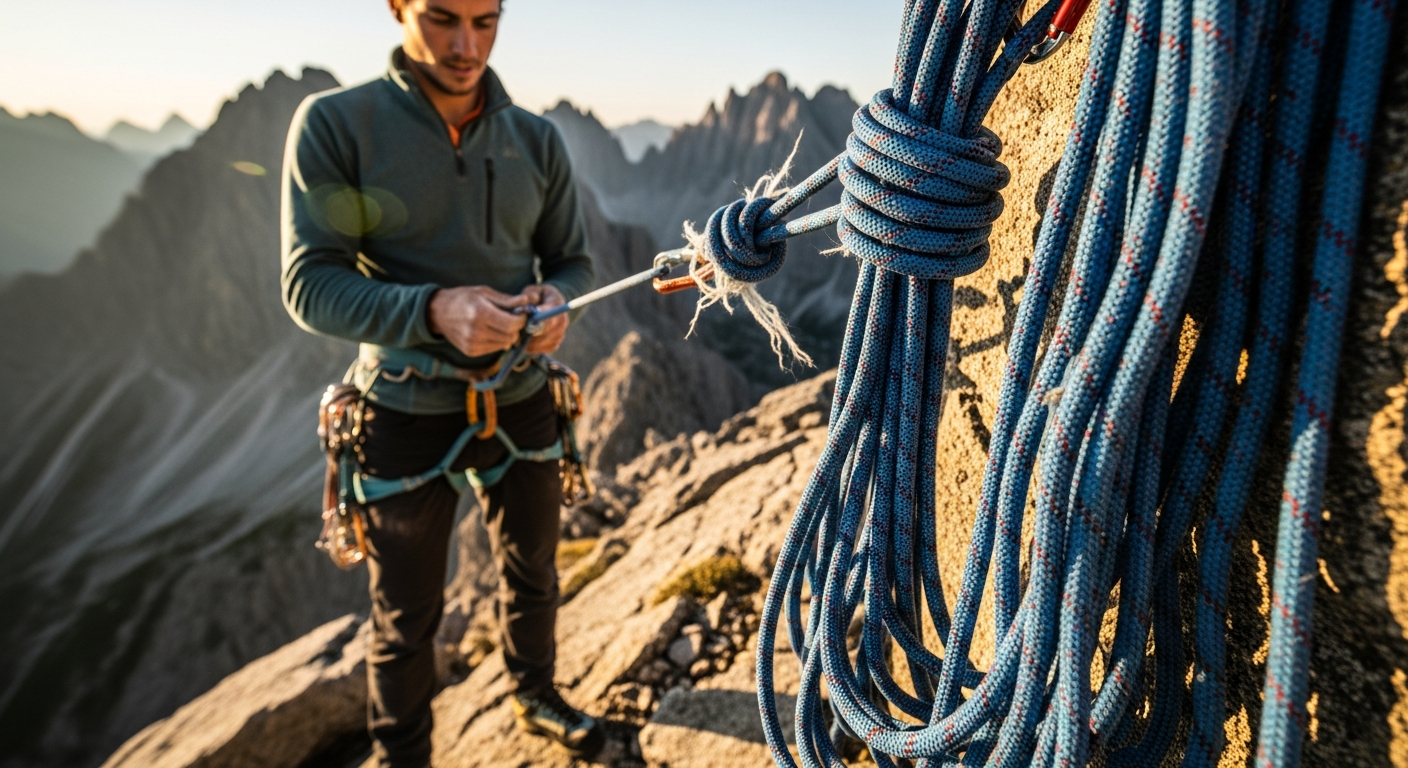
High-performance dynamic climbing rope coiled on rocky mountain terrain

How to Choose the Right High-Performance Dynamic Climbing Rope for Your Next Adventure

Every year, thousands of climbers face the same critical decision: which rope will keep them safe on their next ascent? The difference between a mediocre rope and a high-performance dynamic climbing rope can literally mean the difference between a thrilling summit and a dangerous situation. Dynamic climbing ropes are engineered specifically to absorb the shocking force of a fall, protecting both climber and belayer through their elastic construction.

The stakes couldn't be higher when you're depending on a single piece of equipment to catch you mid-fall. This is why understanding what separates exceptional ropes from average ones matters so profoundly. Factors like diameter, dry treatments, and safety certifications directly impact your performance and confidence on the wall. A rope chosen carelessly can compromise your safety, while one selected with intention becomes your most trusted partner.

Explore high-performance dynamic climbing ropes today to find your ideal safety match.

Understanding Dynamic Rope Specifications That Matter

Rope diameter ranges from 9.2mm to 10.5mm, and this measurement profoundly affects how your rope performs. Thinner ropes—around 9.2mm—offer lower weight and pack down smaller, making them ideal for alpine climbers covering long distances. Thicker ropes at 10.5mm provide greater durability and are more forgiving during repeated use in gyms or on popular sport routes. The middle ground around 9.8mm balances these concerns, offering reasonable durability without excessive weight.

Length Options for Different Climbing Scenarios

Your rope length determines which routes you can safely climb. A 60-meter rope suits single-pitch sport climbing where bolted anchors sit within reach. For multi-pitch adventures, 70-meter ropes become necessary, allowing you to cover longer distances between anchor stations. Some climbers invest in 80-meter ropes for particularly tall alpine routes, though these add significant weight and bulk to your pack.

Impact Force Ratings and Energy Absorption

When you fall, your rope's job is to decelerate you gradually rather than stopping you instantly. This is where impact force ratings matter. High-performance ropes are engineered to limit impact forces to around 12 kilonewtons or less, protecting both your body and your belayer's ability to hold the fall. Lower impact forces mean less shock to your joints, spine, and internal organs during those critical moments.

Sheath Construction and Abrasion Resistance

The outer sheath of your rope acts as armor against sharp rock, metal edges, and repeated friction. Quality sheath construction involves tightly woven fibers that resist degradation from friction and UV exposure. When you inspect a rope after heavy use, the sheath's condition tells you everything about its remaining lifespan. A fraying or separating sheath signals that your rope has reached the end of its service life.

Weight Considerations for Alpine Climbing

Every gram matters when you're climbing at altitude or facing a long approach to your route. A 70-meter rope can weigh anywhere from 3.5 to 4.5 kilograms depending on diameter and construction. Over a multi-day expedition, this weight adds up. Thinner, lighter ropes become essential for alpine work, though you sacrifice some durability compared to thicker options designed for gym use.

Fall Rating Standards and UIAA Certifications

UIAA certifications guarantee that your rope has been tested and meets specific safety standards. Most dynamic climbing ropes are rated for 5 to 10 falls before needing retirement. This doesn't mean your rope fails after five falls—it means it's been tested to withstand at least that many worst-case scenarios. Understanding these certifications gives you concrete assurance about your rope's reliability.

Elongation Percentages and Impact Mitigation

Rope elongation—how much your rope stretches when loaded—directly correlates with impact force mitigation. Ropes that elongate more gradually absorb fall energy over a longer distance, reducing the shock your body experiences. Typical dynamic ropes elongate 8-10% under rated test falls. Higher elongation means gentler catches but also requires more anchor space; lower elongation means sharper catches but uses less vertical distance.

Dry Treatments and Weather-Resistant Features

Climbing in wet conditions without proper rope treatment is like hiking without rain gear—possible but foolish. Water-resistant coatings prevent moisture from seeping into the rope's core fibers, which can cause degradation, mildew growth, and reduced performance. A treated rope maintains its integrity through rain, snow, and alpine humidity.

Single-Dry Versus Double-Dry Treatments

Single-dry treatment coats the sheath, protecting against water absorption. Double-dry treatment protects both sheath and core, offering superior performance in genuinely wet environments. For climbers working primarily in dry conditions, single-dry provides adequate protection at a lower cost. Those tackling alpine routes, winter climbs, or coastal locations should invest in double-dry treatment.

Maintenance Advantages for Treated Ropes

Treated ropes require less intensive maintenance and recover faster after wet conditions. You can store them slightly damp without worry of permanent damage. Untreated ropes demand careful drying and storage to prevent mildew, which gradually weakens fibers and creates foul odors.

Winter Climbing and Essential Treatments

Winter climbing exposes your rope to repeated freeze-thaw cycles and ice accumulation. Dry-treated ropes resist ice buildup better than untreated alternatives, handling more smoothly through carabiners and belay devices even in subzero temperatures. This practical advantage can mean the difference between efficient movement and frustrating delays on winter ascents.

Cost-Benefit Analysis of Rope Treatments

The price difference between untreated and treated ropes typically ranges from €30 to €50 across comparable models. For climbers using their ropes 20+ times annually or in variable weather conditions, this premium pays for itself through extended lifespan and reduced maintenance. Occasional gym climbers in controlled environments may not justify the expense, though the convenience factor remains valuable.

Discover treated climbing ropes engineered for durability and all-weather performance.

Matching Rope Specifications to Your Climbing Style

Gym climbing environments demand ropes that handle repeated falls gracefully and maintain consistent performance through hundreds of ascents. Optimal specifications include diameters around 9.9-10.5mm for maximum durability, standard 60-meter lengths, and untreated construction since moisture exposure is minimal. The gym's consistent conditions eliminate the need for special treatments.

Single-Pitch Sport Climbing Selection

Bolted sport routes at single-pitch crags benefit from 60-meter ropes in the 9.5-10mm range. These specifications balance weight against durability, since you're making many carries to the crag. Sport climbing rarely involves harsh weather, so untreated ropes work fine. Focus instead on smooth handling and reliable impact force control.

Multi-Pitch Traditional Climbing Needs

Multi-pitch adventures require longer ropes, typically 70 meters, and often benefit from slightly thicker construction (9.9-10.5mm) to absorb repeated rappelling wear. You'll manage your rope more extensively, coiling, uncoiling, and anchoring repeatedly, so durability becomes crucial. Single-dry treatment provides worthwhile protection for ropes that spend nights in damp rock crevices.

Alpine Climbing Demands

Alpine routes present multiple stressors: extreme weather, heavy gear loads, long approaches, and potentially difficult descent routes. Here, dry-treated ropes in the 9.5-9.8mm range become essential. Weight savings matter on multi-day expeditions, but water resistance matters more when you're dealing with snowmelt and icy conditions. Double-dry treatment justifies its cost for serious alpine climbers.

Beginner Versus Advanced Climber Recommendations

Beginners should start with durable, forgiving ropes in the 10-10.5mm range that are less sensitive to improper handling. As skills develop and specialization emerges—sport climbing, trad climbing, alpine work—rope selection can become more refined. Advanced climbers often maintain multiple ropes optimized for specific disciplines.

Route-Specific Considerations

Crack climbing places intense shear forces on the rope's sheath as it snakes through tight openings. Thicker ropes with superior sheath construction handle this better. Face climbing with bolts allows more flexibility. Mixed terrain climbing benefits from versatile rope specifications that don't excel specifically but don't fail in any context either.

Partner Compatibility and Setup Coordination

Your rope must match your climbing partner's experience level and setup preferences. Experienced belayers comfortable with dynamic ropes can handle thinner, lighter options. Less experienced belayers benefit from thicker ropes that provide more feedback and control. Ensure your rope's diameter works with both your carabiners and your partner's belay device—incompatibility creates dangerous friction issues.

The Path Forward: Investing in Your Climbing Safety

Selecting a high-performance dynamic climbing rope transcends mere equipment shopping—it's a commitment to your safety and climbing progression. The specifications matter: diameter affects handling and durability, length determines route accessibility, and dry treatments extend lifespan in challenging conditions. Evaluate your specific climbing style, environment, and frequency before making a purchase decision. A rope that excels in gym training might not serve you well on alpine routes, just as budget constraints shouldn't force you to compromise on essential safety features.

Your next climb deserves a rope that's been chosen with intention and care. The confidence you'll gain from knowing your rope is genuinely high-performance—rigorously tested, properly sized, and optimally treated for your conditions—is priceless. This isn't where corners get cut or second-best options suffice.

Invest in a high-performance dynamic climbing rope that matches your ambitions and protects your future on the wall.


Comments

Leave a Reply

Your email address will not be published. Required fields are marked *