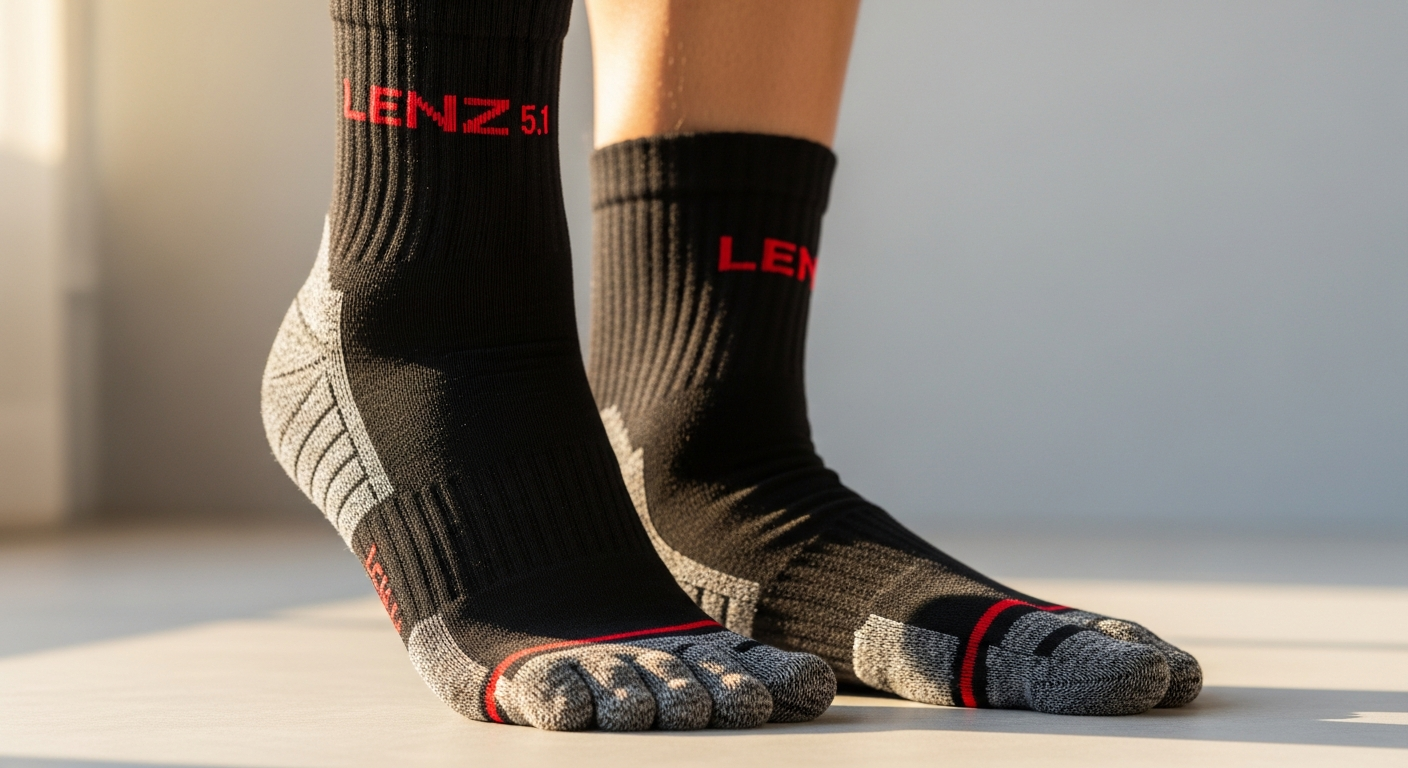
Lenz Heat Sock 5.1 Toe Cap with patented heating technology for Raynaud's Syndrome relief

Lenz Heat Sock 5.1 Toe Cap for Raynaud’s Syndrome: Medical-Grade Heated Socks for Circulatory Relief

Cold feet aren’t just uncomfortable—for the 5% of the population with Raynaud’s Syndrome, they’re a painful reality that can trigger debilitating episodes. When blood vessels overreact to cold or stress, restricting circulation to extremities, the consequences extend far beyond mere discomfort. Tissue damage, ulceration, and severe pain can follow, turning winter into a season of dread rather than enjoyment. The Lenz Heat Sock 5.1 Toe Cap addresses this critical medical need by combining advanced heating elements with clinical-grade materials designed specifically for circulatory conditions.

While most heated socks target winter athletes seeking recreational warmth, this therapeutic solution is engineered specifically for people managing Raynaud’s Syndrome, lupus-related circulation problems, and other cold-sensitivity conditions. The difference is fundamental: where generic thermal wear provides passive insulation, the Heat Sock 5.1 Toe Cap delivers active, controlled warmth directly where your body needs it most. This distinction transforms it from a comfort product into a medical intervention.

Explore the Lenz Heat Sock 5.1 Toe Cap and reclaim your winter comfort today.

Overview of Raynaud’s Syndrome: Primary vs. Secondary Presentations

Raynaud’s Syndrome manifests in two distinct forms, each carrying different clinical implications. Primary Raynaud’s occurs without an underlying connective tissue disease—a standalone condition affecting circulation. Secondary Raynaud’s, conversely, develops alongside systemic conditions like lupus, scleroderma, or rheumatoid arthritis, making it considerably more serious and difficult to manage. Understanding which type affects you determines the urgency of intervention and the benefits you’ll experience from active heat therapy.

How Cold Exposure Triggers Vasospastic Episodes and Tissue Damage Risks

When a person with Raynaud’s encounters cold, their blood vessels undergo exaggerated constriction—a phenomenon called vasospasm. This reflex dramatically reduces blood flow to fingers and toes, starving tissues of oxygen. The characteristic color progression—white, then blue, then red as circulation returns—marks real physiological distress. Repeated episodes accelerate skin and tissue damage, potentially leading to open sores, infections, and permanent scarring. The longer exposure continues without intervention, the greater the cumulative risk.

Why Standard Thermal Socks Fail to Prevent Raynaud’s Attacks

Conventional wool or cotton socks provide insulation by trapping body heat—a passive strategy fundamentally inadequate for Raynaud’s sufferers. These socks cannot counteract the aggressive vasoconstriction that occurs during an attack. They may delay symptom onset slightly, but they cannot actively rewarm tissues once a vasospastic episode begins. The toe area, most vulnerable to Raynaud’s attacks, receives minimal heat focus from generic thermal wear, leaving the most critical zone unprotected.

Connection Between Poor Circulation and Chronic Cold Feet

Chronic cold feet often signal underlying circulatory dysfunction that extends beyond temporary discomfort. Poor circulation reduces oxygen delivery, weakens tissue resilience, and impairs the body’s natural rewarming mechanisms. For Raynaud’s sufferers, this creates a vicious cycle: cold exposure triggers vasospasm, reduced circulation worsens cold sensitivity, and the condition escalates with each exposure. Breaking this cycle requires active intervention rather than passive acceptance.

The Patented Toe Cap® Technology Explained

Dual-Heating Mechanism: Above and Below Toe Coverage

The Toe Cap® heating element distinguishes the Heat Sock 5.1 from every generic heated sock on the market. Rather than distributing heat evenly across the foot, this patented system concentrates warmth precisely where Raynaud’s attacks strike hardest—the toes. By heating from both above and below the toe region, the Toe Cap® eliminates cold spots and ensures comprehensive thermal coverage. This dual-directional approach creates an envelope of warmth that mimics and enhances your body’s natural thermoregulation.

How the Toe Cap® Prevents Cold Spots and Uneven Warmth Distribution

Uneven heating creates dangerous zones where cold persists despite overall foot warmth. When certain areas remain cool while others heat up, the temperature differential can actually trigger vasospastic episodes rather than prevent them. The Toe Cap® technology solves this through strategic element placement that ensures consistent, predictable warmth across all toe surfaces. Vasoconstriction requires relatively uniform exposure to trigger; by eliminating thermal gaps, the Toe Cap® removes the stimulus that activates Raynaud’s attacks.

Heating Element Placement for Maximum Therapeutic Benefit

The engineers at Lenz studied vasospastic patterns extensively before finalizing element placement. Heating elements position themselves where blood vessels are most prone to overreaction and where tissue damage consequences are most severe. This isn’t arbitrary placement—it reflects clinical understanding of where active warmth delivers maximum therapeutic value. The result is targeted intervention that addresses the physiology of Raynaud’s specifically, not just general foot warmth.

Temperature Regulation and Safety Features to Prevent Burns

Active heating introduces burn risk if not carefully controlled, particularly for people with reduced circulation and compromised sensation. The Heat Sock 5.1 incorporates multiple safety mechanisms: precise thermostat controls limit maximum temperature, the Bluetooth app provides real-time temperature monitoring, and the merino wool and silk blend distributes heat evenly rather than concentrating it in dangerous hotspots. These safeguards ensure therapeutic warmth without medical risk.

Material Science Behind Therapeutic Warmth

Merino Wool and Silk Blend: Why These Fabrics Matter Medically

Merino wool isn’t simply warmer than synthetic alternatives—it offers specific medical advantages for Raynaud’s sufferers. The protein structure of merino naturally regulates temperature through complex thermoregulatory properties that synthetic fibers cannot replicate. Silk contributes exceptional softness and hypoallergenic qualities, reducing skin irritation risk during extended wear. Together, this blend creates a therapeutic environment where sensitivity-prone skin remains comfortable even during eight-hour workdays or full-night sleep.

Moisture-Wicking Properties and Their Role in Preventing Maceration

Moisture management becomes critical when wearing heated socks for extended periods. Excess sweat trapped against skin causes maceration—a deterioration of skin integrity that paradoxically increases cold sensitivity and infection risk. The merino-silk blend actively wicks moisture away from skin while the heating elements maintain optimal skin temperature. This prevents the damp-foot environment that typically exacerbates circulatory conditions.

Breathability Combined with Insulation for Extended Wear

Premium materials achieve a balance rarely found in generic thermal wear: they breathe sufficiently to prevent overheating and sweat accumulation while maintaining the insulation necessary for sustained warmth. This dual function enables all-day wear without the foot discomfort that leads people to remove heated socks prematurely. The moment you remove heat therapy is the moment your circulation vulnerability returns—extended wearability directly translates to better symptom management.

Hypoallergenic Qualities for Sensitive Skin Conditions

Raynaud’s sufferers often have sensitivities that make standard sock materials problematic. Merino wool and silk present minimal allergen load compared to synthetic blends or lower-quality wool. For people with eczema, psoriasis, or general skin reactivity, this becomes a genuine medical advantage. The socks won’t trigger inflammatory responses that compound circulatory dysfunction.

Battery Performance and Runtime for Medical Users

rcB 1400 Lithium Battery Specifications and Medical-Grade Reliability

The rcB 1400 lithium battery pack represents purposeful engineering rather than generic battery adaptation. Lithium chemistry provides consistent power delivery across the complete discharge cycle, meaning the heat output during hour twelve matches hour one—a critical advantage for medical applications where declining warmth could trigger episodes. The battery pack itself includes safety certifications and thermal management systems designed specifically for heated garments.

Up to 14-Hour Runtime: What This Means for All-Day Symptom Management

Fourteen hours of continuous warmth fundamentally changes how Raynaud’s sufferers interact with winter. A full workday, an evening social event, or a night’s sleep—all become achievable without interruption for charging or battery swaps. This runtime eliminates the anxiety of heat depletion and allows genuine participation in normal winter activities. For medical users, this extended runtime translates directly to symptom prevention rather than crisis management.

Heat Setting Options and Their Impact on Battery Longevity

The Heat Sock 5.1 offers multiple heat settings, each with distinct battery implications. Maximum heat depletes batteries faster but provides aggressive warming for severe attacks. Lower settings extend runtime while maintaining therapeutic benefit during milder conditions. The Bluetooth app enables real-time adjustment, allowing users to calibrate heat output to current conditions and symptoms. Strategic setting selection can extend effective runtime beyond the baseline fourteen hours depending on seasonal severity.

Charging Time (5-7 Hours) and Daily Usage Planning

A five to seven hour charging window means overnight charging typically provides a fully charged battery for the next day’s activities. For evening heat therapy or nighttime use, a second battery set enables continuous access to warmth while the primary set recharges. This workflow integrates naturally into daily routines, making heat therapy sustainable rather than burdensome.

Real-World Medical Applications and Use Cases

Daily Workplace Warmth for Office-Based Raynaud’s Sufferers

Office environments present particular challenges for Raynaud’s management. Air conditioning, proximity to windows, and the social awkwardness of wearing winter layers indoors create sustained cold exposure. Heat Sock 5.1 Toe Caps disappear entirely inside regular shoes and office clothes, providing discreet symptom management. Remote camera work, spreadsheet analysis, or client meetings proceed normally while active heat therapy works invisibly beneath clothing. The smartphone app allows subtle temperature adjustment without drawing attention or requiring visible gear changes.

Outdoor Winter Activities Without Fear of Episodes

Many Raynaud’s sufferers abandon winter sports, outdoor recreation, or even simple activities like visiting cold-weather destinations. Fear of debilitating episodes during activities you cannot interrupt creates genuine lifestyle limitation. The Heat Sock 5.1 Toe Cap enables genuine participation: skiing, hiking, ice fishing, or Christmas shopping become feasible because active heat prevents the vasospastic trigger. The 14-hour runtime supports full-day adventures without mid-day recharging.

Travel Scenarios: Airports, Car Rides, and Climate-Controlled Environments

Travel exposes Raynaud’s sufferers to unpredictable thermal conditions. Airport terminals fluctuate between heated and cold zones. Car rides in winter present extended cold exposure in confined spaces. Hotel rooms may have unreliable heating. The Heat Sock 5.1 provides consistent warmth regardless of external conditions, transforming travel from a medical risk into a manageable experience. Airport security lines, long flights, and climate variations no longer trigger episodes.

Nighttime Use for Sleep Quality Improvement

Raynaud’s attacks during sleep cause midnight awakening and prevent restorative rest. Cold feet trigger vasospastic episodes that jolt people awake, leaving them exhausted despite eight hours in bed. Heated socks maintain consistent warmth throughout sleep, eliminating the thermostat stress that triggers nocturnal episodes. The result is genuine sleep quality improvement—a medical benefit as significant as pain reduction.

Investment Considerations and Cost Analysis

Sock-Only Pricing ($189.99–$484.98) vs. Complete Battery Sets ($389.95–$434.95)

The initial investment appears substantial compared to generic thermal socks costing $20-$50. However, this comparison misses the fundamental distinction between comfort wear and medical intervention. Complete battery sets ($389.95–$434.95) provide everything needed for immediate symptom management. Sock-only options ($189.99–$484.98) require separate battery purchase, increasing total cost. Purchasing complete sets typically offers better value than piecemeal acquisition.

Long-Term Cost Comparison: Heated Socks vs. Frequent Doctor Visits

Raynaud’s management typically involves regular physician appointments, medication adjustments, and specialist consultations. Annual medical costs for moderate-to-severe cases easily exceed $1,500-$3,000 when accounting for multiple visits, diagnostics, and pharmaceutical management. A single Lenz Heat Sock 5.1 system ($400-$435) provides five to seven years of active symptom management with minimal recurring costs beyond battery charging. Over a decade, the financial advantage becomes compelling—not to mention the quality-of-life improvements that occur when attacks diminish or cease entirely.

Insurance Coverage Possibilities for Medical-Grade Heated Wear

While insurance coverage varies, some policies classify medical-grade heated wear as durable medical equipment when prescribed by a physician for documented Raynaud’s Syndrome or circulatory conditions. Discussing the Heat Sock 5.1 Toe Cap with your rheumatologist or vascular specialist may open coverage pathways, particularly if you’ve exhausted pharmaceutical management options. Even partial coverage significantly improves the economic calculus.

Durability and Lifespan Value Proposition

The merino wool and silk construction demonstrates exceptional durability compared to synthetic heating socks that degrade within two to three seasons. Properly maintained Heat Sock 5.1 systems routinely function for five to seven years or longer, with replacement batteries extending lifespan indefinitely. This durability fundamentally changes the cost-per-use equation compared to cheaper alternatives requiring annual replacement.

Advantages and Limitations for Medical Users

Exceptional Warming Capability in Severe Cold Conditions with Smartphone App Control

The primary strength of the Heat Sock 5.1 lies in its capacity to deliver consistent, controllable warmth exactly when and where needed. Severe Raynaud’s attacks that render standard thermal wear ineffective yield to active heating. The Bluetooth app transforms heat therapy from a static intervention into a dynamic response system—increase warmth when conditions worsen, decrease it as you move to heated environments. This precision enables genuine symptom management rather than one-size-fits-all thermal wear.

Premium Material Quality Ensures Comfort During Extended Wear with Long Battery Life

Wearing heated socks for eight to fourteen hours daily requires materials that accommodate extended contact with skin. The merino wool and silk blend excels in this domain, remaining soft, breathable, and non-irritating through full-day and full-night scenarios. Battery longevity means you can wear the socks from morning through evening without thermal depletion, transforming symptom management from intermittent relief to continuous protection.

Higher Upfront Cost Compared to Passive Thermal Socks and Batteries Sold Separately

The Heat Sock 5.1 Toe Cap represents a significant investment, particularly for those accustomed to $30 thermal socks. Purchasing batteries separately further increases costs. For budget-conscious individuals or those with limited means, this creates genuine accessibility barriers. However, this limitation reflects the advanced technology and clinical-grade engineering rather than hidden markup.

Requires Regular Charging and Maintenance with Potential Weight and Bulk Concerns

Active heating systems require daily charging responsibility—a routine not everyone adopts consistently. Forgotten charging cycles leave you without heat therapy at critical moments. The battery pack adds slight bulk and weight compared to passive socks, which some find inconvenient despite the thermal benefit. The socks themselves may feel marginally thicker than ultra-thin thermal alternatives, though the merino-silk construction minimizes bulk relative to synthetic heated socks.

Discover whether the Lenz Heat Sock 5.1 Toe Cap is right for your circulatory needs.

The Verdict: Transformative Relief for Cold-Sensitive Conditions

The Lenz Heat Sock 5.1 Toe Cap represents a paradigm shift for anyone managing Raynaud’s Syndrome or circulatory disorders. This isn’t merely another winter accessory—it’s a clinical-grade intervention that delivers consistent, controllable warmth exactly where your body needs it most. The patented Toe Cap® heating technology, combined with premium merino wool and silk construction, creates a therapeutic experience that standard socks cannot match.

The 14-hour runtime and smartphone-controlled precision enable genuine lifestyle reclamation. Winter activities, workplace comfort, travel, and sleep quality all improve dramatically when vasospastic episodes diminish or stop entirely. The upfront investment, while substantial, becomes economically sensible when you factor in reduced medical appointments, pharmaceutical management, and the immeasurable value of regained freedom.

Yes, the initial cost exceeds generic alternatives significantly. Yes, daily charging becomes a routine responsibility. Yes, the battery pack adds slight bulk. But when you weigh these practical limitations against the alternative—spending another winter managing pain, avoiding activities, and suffering through preventable attacks—the Heat Sock 5.1 Toe Cap clearly emerges as worthwhile.

If you’re currently managing cold extremities through medication alone or makeshift solutions, your next step should be consulting with your healthcare provider about active heat therapy. The Lenz Heat Sock 5.1 Toe Cap earned its best-seller status because it works. Don’t let another winter pass in discomfort when therapeutic warmth is within reach.

Take control of your Raynaud’s Syndrome with the Lenz Heat Sock 5.1 Toe Cap today.


Comments

Leave a Reply

Your email address will not be published. Required fields are marked *