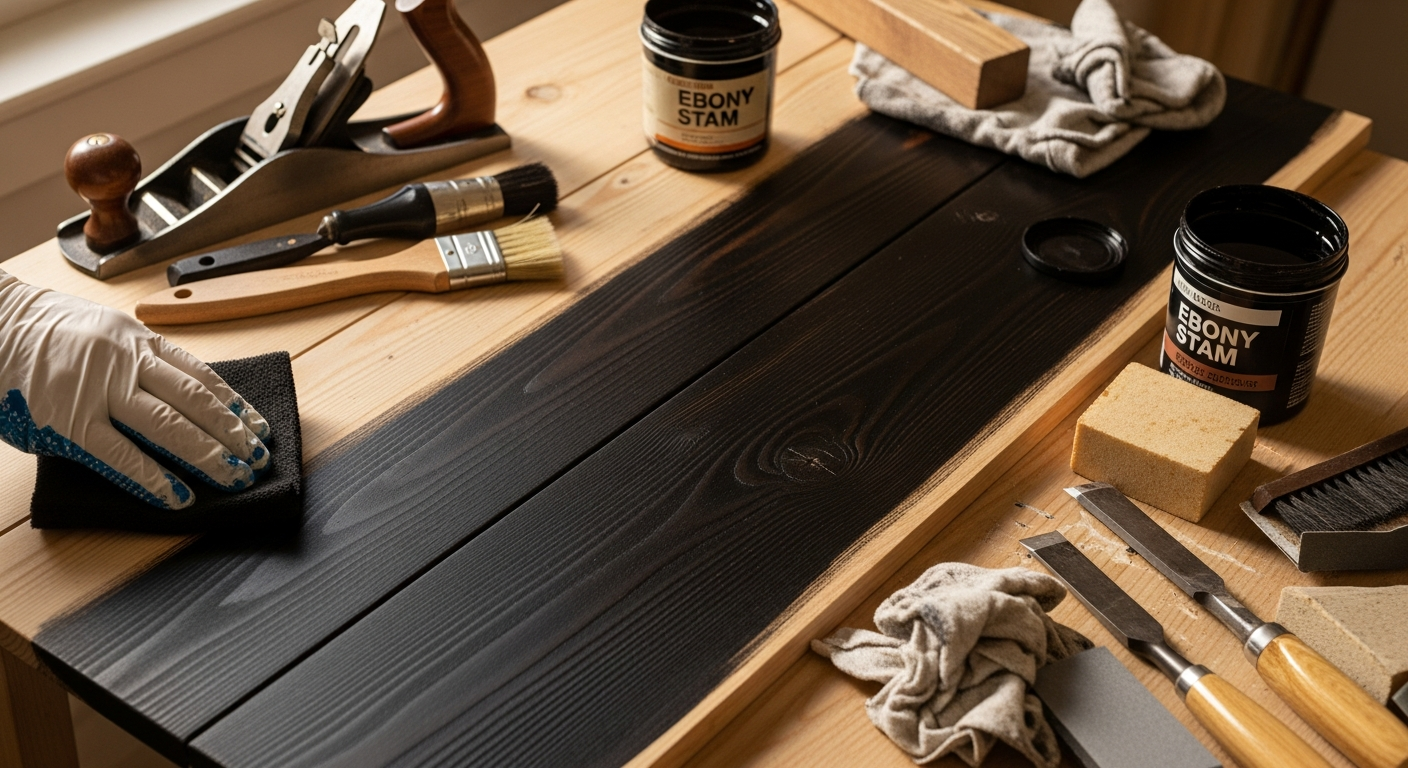
Why Black Ebony Stain Matters for Modern Interior Design
Dark, moody interiors have surged back into contemporary home design with remarkable force. Homeowners increasingly recognize that black-stained timber creates an atmosphere of sophistication and depth that transcends both minimalist and traditional aesthetics. A single black-stained door frame or set of skirting boards can anchor an entire room, transforming ordinary spaces into environments brimming with visual interest and intentional design.
The psychology behind deep black finishes runs deeper than mere aesthetics. Black creates focal points naturally—your eye gravitates toward dark elements in a space, making them powerful tools for directing attention and establishing hierarchy. Yet here lies the critical distinction that separates quality stains from inferior alternatives: authentic grain visibility. When grain details remain visible beneath a black finish, the wood retains its character and authenticity. Flat, synthetic-looking black obscures this natural beauty entirely, creating a hollow appearance that screams "amateur application."
From a practical standpoint, black stain offers remarkable cost-effectiveness. Replacing timber with naturally dark hardwoods demands significant investment; staining achieves comparable visual impact at a fraction of the cost. The versatility is equally compelling—black ebony stain works beautifully across furniture pieces, interior doors, skirting boards, architraves, and decorative mouldings. Transform your timber with Littlefair's Black Ebony Wood Stain today.
Understanding Littlefair's Water-Based Formula & Key Performance Specs
Littlefair's distinguishes itself through a carefully engineered water-based formula that produces what the brand terms a "positive grain effect." This technical distinction proves crucial. While conventional stains often darken softer wood areas disproportionately, creating blotchy, lifeless patches, Littlefair's formula penetrates evenly and enhances the wood's natural grain character rather than obscuring it.
The choice between water-based and solvent-based stains carries significant weight beyond mere application ease. Water-based formulations emit substantially lower levels of volatile organic compounds (VOCs), making indoor spaces safer and more pleasant. Littlefair's specifically offers non-toxic properties and minimal odor—attributes that matter profoundly when working indoors where ventilation may be limited.
Performance metrics align with real-world project demands. The stain reaches touch-dry status in approximately two hours, allowing efficient workflow progression without extended waiting periods between coats. Coverage runs at approximately one liter per ten square meters for a single liberal coat, enabling accurate budgeting before purchase.
Size flexibility accommodates projects of all scales. The 250ml bottle suits small furniture pieces and touch-ups; the 500ml handles moderate projects; the 1L container covers standard room-sized applications; while 2.5L and 5L options serve extensive installations and professional undertakings. The product finishes with a matt appearance, which requires subsequent protective topcoating with varnish or oil to achieve full aesthetic potential and durability.
Pre-Application Preparation: Setting Yourself Up for Success
Success with black ebony stain hinges on meticulous preparation—there are no shortcuts here. The wood must be bare and sanded; applying stain over existing finishes simply will not absorb properly, resulting in patchy, disappointing coverage. Begin with appropriate sanding grits, typically progressing from 120 through 220-grit paper to achieve optimal surface texture that promotes even stain absorption.
Assessing existing finishes matters significantly. Old varnish, lacquer, or paint requires removal through sanding, chemical stripping, or combination approaches. This investment in preparation directly determines finish quality.
Environmental factors demand attention. Temperature ideally ranges between 15–25°C; humidity levels should remain moderate to facilitate proper drying. Adequate ventilation ensures water-based fumes disperse effectively, though odor levels remain remarkably low compared to solvent-based alternatives.
Protect surrounding surfaces meticulously using drop cloths and painter's tape. Black stain marks surfaces aggressively, and cleanup becomes difficult once dried. Ensure your workspace remains dust-free immediately before application—airborne particles settle on wet stain, creating texture irregularities.
Step-by-Step Application Techniques for Professional Results
Begin by stirring the stain thoroughly; water-based formulations require proper mixing to maintain consistency. Check viscosity before opening—the stain should flow smoothly from the brush without excessive dripping.
Brush selection profoundly impacts results. Quality natural or synthetic brushes prevent streaking and deliver even coverage; cheap brushes shed bristles and create texture problems. Select appropriately sized brushes—typically 2–3 inches wide—for broad coverage with manageable control.
Apply directionally, following the wood grain. This technique creates cohesive visual flow and prevents against-grain application that disrupts the positive grain effect. Work in manageable sections, maintaining a wet edge to avoid lap marks where sections overlap.
First coat application requires moderate brush pressure and deliberate overlap patterns. Allow stain to soak into the wood naturally; resist the urge to work it excessively or apply excessive pressure. Explore Littlefair's Black Ebony Wood Stain for seamless application results.
After the first coat dries (approximately two hours), assess coverage. Most projects require a second coat for rich, uniform black depth. Apply the second coat using identical technique, ensuring complete saturation while maintaining grain-following directionality.
Common mistakes include overworking the stain, applying uneven pressure that creates blotchy patches, and inadequate drying time between coats. The water-based composition simplifies cleanup dramatically—brushes require only warm water and mild soap for immediate restoration, extending tool lifespan and reducing maintenance complexity.
Topcoat Selection: Completing the Black Ebony Aesthetic
The matt finish, while beautiful, remains vulnerable without protective topcoating. This step transforms stain into a durable, finished surface capable of withstanding regular use and environmental exposure.
Varnish options vary considerably. Polyurethane varnishes (water-based or oil-based) provide robust protection with excellent durability; water-based varieties offer low odor and quick drying, while oil-based options deliver richer depth and amber tones. Penetrating oils like tung or linseed create authentic, natural-looking finishes that enhance grain visibility while offering moderate protection—ideal for furniture prioritizing appearance over heavy-duty durability.
The topcoat finish dramatically affects visual impact. Matte topcoats preserve the understated elegance of black stain; satin finishes introduce subtle sheen that catches light attractively; gloss options create dramatic, reflective surfaces that intensify the black depth significantly. Interior style and functional demands should guide this choice.
Timing matters—wait 24 hours after staining before applying topcoat, allowing the stain to cure fully. This patience prevents lifting or uneven adhesion.
Durability considerations shift based on application context. Furniture enduring frequent use and contact demands more robust topcoats; decorative architectural elements tolerating minimal handling can employ lighter finishes. Bathrooms and kitchen worktops near water sources require specialized waterproof finishing oils, as standard varnishes may not provide sufficient moisture resistance.
Pricing, Coverage, and Budget Planning for Your Project
Littlefair's Black Ebony Wood Stain pricing scales logically with container size. A 250ml bottle ranges from £4.95 to £9.95, perfectly suited for small furniture pieces, sample testing, and touch-up work. The 1L container, approximately £24.95, covers typical room-sized projects efficiently. For larger installations, 2.5L containers run around £44.95, and 5L bulk options serve extensive applications and professional installations.
Calculating cost per square meter enables accurate project budgeting. With coverage at one liter per ten square meters, multiply your project's square meterage by appropriate pricing tiers. Factor in additional expenses: topcoat products, quality brushes, sandpaper assortment, drop cloths, and protective equipment. These supplementary costs typically run £30–60 depending on project scope.
Littlefair's pricing represents genuine value. The bestseller status reflects consistent quality and customer satisfaction—cheaper alternatives often deliver inferior results, necessitating additional coats, additional finishing work, or complete re-application. Long-term finish quality justifies initial investment through durability and aesthetic longevity.
Real-World Applications: Furniture, Trim & Architectural Elements
Black ebony stain transforms dining tables into striking focal points. A worn wooden table receives new life through complete staining, with grain details suddenly glowing beneath the rich black—the difference between dated and deliberately designed proves dramatic.
Interior doors command immediate attention when stained black. This technique creates powerful architectural statements within neutral color schemes; a single black door establishes visual interest and sophistication throughout its surrounding space. Door frames and architraves follow identical principles, allowing coordinated black finishes that guide the eye and define spatial boundaries.
Skirting boards and baseboards gain architectural presence through black staining. Rather than disappearing visually, dark baseboards become intentional design elements that ground spaces and create visual weight distribution.
Decorative wooden features—shelving, paneling, bespoke joinery—showcase grain character particularly well under black stain. The positive grain effect ensures these details remain visible, creating depth and texture rather than flat, lifeless surfaces. Before-and-after transformations consistently reveal wood that suddenly appears more refined, intentional, and contemporary.
Design pairing considerations matter. Modern minimalist spaces pair beautifully with black-stained timber, emphasizing clean lines and material authenticity. Traditional interiors incorporate black stain through architectural details, creating timeless sophistication without sacrificing period-appropriate aesthetics. Eclectic or bohemian spaces benefit from the dramatic contrast and character that deep black finishes provide.
Sustainable Choice: Eco-Friendly Wood Staining for Conscious Makers
Littlefair's water-based formulation represents a genuine commitment to environmental responsibility. Water-based stains emit minimal volatile organic compounds, reducing atmospheric pollution and indoor air quality degradation compared to solvent-based alternatives. This distinction carries real health implications for households with children, pets, or members with respiratory sensitivities.
The non-toxic properties extend beyond reduced VOC emissions. Littlefair's formulation contains no harmful chemicals that pose poisoning risks or contaminate water supplies through improper disposal. Cleanup procedures involve simple water rinse—no hazardous solvent handling required.
Responsible manufacturing practices characterize this UK family-run brand. Supporting local production reduces transportation-related carbon emissions; family operations typically prioritize sustainable practices over purely profit-driven shortcuts. The product's durability ensures extended aesthetic lifespan, reducing the need for frequent re-finishing and subsequent material waste.
Solvent-based alternatives demand specialized disposal procedures, creating environmental burden beyond application. Littlefair's water-based formula allows standard water disposal following brush cleaning, minimizing ecological impact throughout the entire product lifecycle.
Make Your Mark: Achieving Black Ebony Excellence with Littlefair's
Littlefair's Black Ebony Wood Stain merits its bestseller reputation through genuine performance excellence and user-centered design. The water-based formula penetrates timber authentically while preserving grain character—an achievement that separates quality products from mediocre alternatives flooding the market.
Whether you're reviving a cherished dining table, creating moody accent walls with dark skirting boards, or establishing architectural details that command attention and respect, this stain provides the foundation for professional-caliber results. Success demands respecting essential requirements: bare, sanded wood surfaces, appropriate topcoat protection, and realistic expectations about the matt finish before sealing.
Approach preparation with genuine care rather than rushing toward application. Apply with confidence, maintaining grain-following directionality. Allow adequate drying time between stages—these fundamentals separate striking results from disappointing outcomes far more than product selection alone.
Your black ebony project awaits. Select the appropriate container size matching your scope, gather quality application tools, and prepare yourself for the dramatic transformation that water-based stain delivers. The sophisticated, grain-visible black finish that emerges will elevate your timber's presence in ways you'll recognize immediately.
Get started with Littlefair's Black Ebony Wood Stain and experience professional-grade results.
Leave a Reply