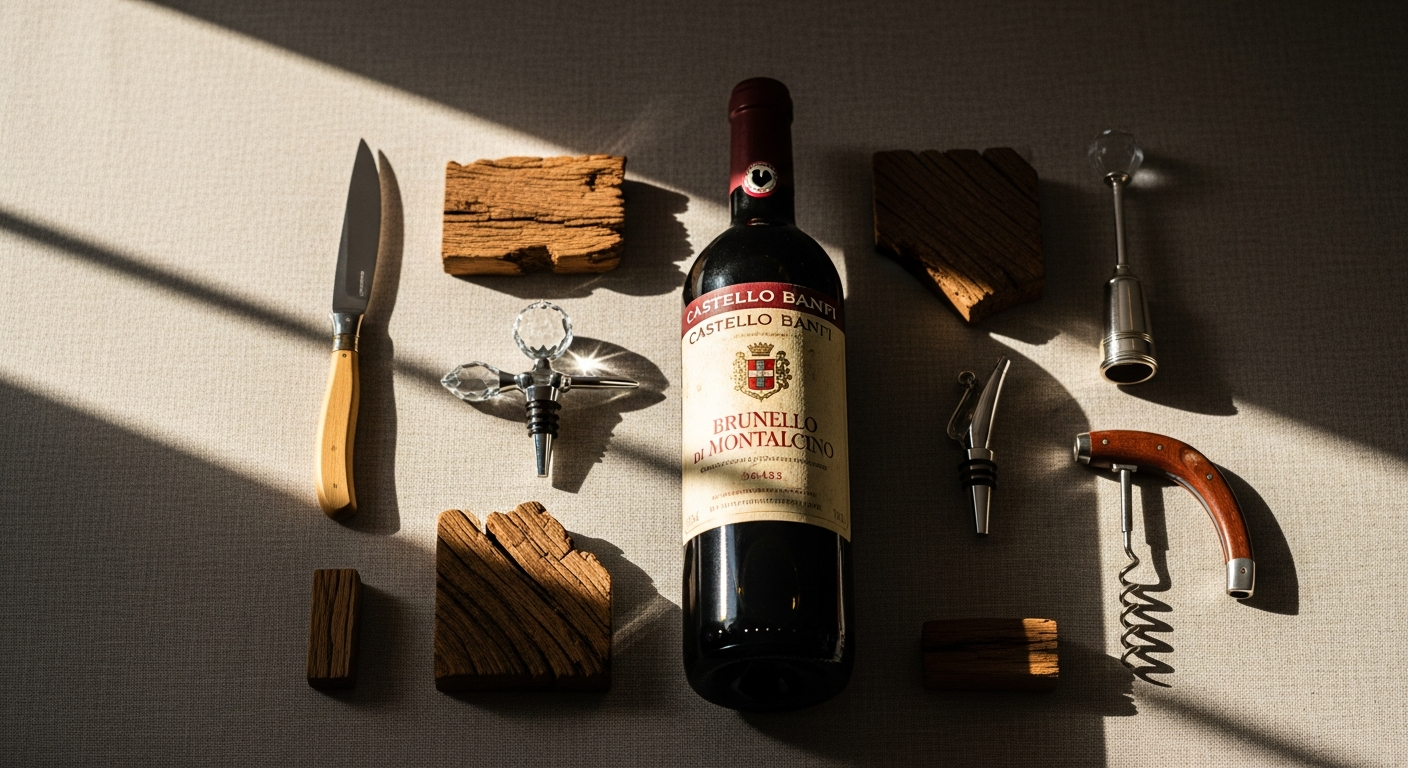
Understanding Castello Banfi Brunello di Montalcino: A Collector's Investment Guide
Fine wine collectors understand a truth that casual drinkers often miss: patience transforms bottles into treasures. A single bottle of Brunello di Montalcino can evolve from a tannic, austere wine into a silky, complex masterpiece worth significantly more than its original purchase price. This transformation isn't accidental—it's the result of meticulous winemaking and nature's patient work.
Castello Banfi Brunello di Montalcino represents one of Tuscany's most prestigious expressions of Sangiovese, and it's far more than a bottle to uncork on special occasions. For serious collectors, it functions as a legitimate investment vehicle backed by centuries of winemaking heritage and modern quality standards. The DOCG regulations demanding four years of aging before release—including two years in oak—signal a commitment to longevity and complexity that few wines can match.
This guide examines the collector's perspective on Castello Banfi Brunello di Montalcino, exploring its aging trajectory, storage best practices, value appreciation patterns, and strategies for identifying ideal vintages for your cellar.
Discover Castello Banfi Brunello di Montalcino on Vinolisa.de today.
Understanding the Collector's Appeal of Brunello di Montalcino
The allure of Brunello di Montalcino extends far beyond a single vintage or producer. The DOCG classification itself represents one of Italy's most stringent quality guarantees, imposing regulations so strict that they ensure consistency and prestige across every vintage released under this designation. This isn't marketing—it's centuries of Montalcino's winemaking heritage distilled into enforceable standards.
Montalcino's historical significance as a winemaking region stretches back through Italian viticulture history. The terroir here produces Sangiovese grapes of unparalleled character, a rarity factor that becomes apparent when comparing production volumes. Limited production compared to other Tuscan wines creates natural scarcity, driving collector interest and sustained demand.
Critical acclaim from prestigious reviewers reinforces this desirability. James Suckling, Wine Spectator, and Robert Parker have repeatedly praised Castello Banfi's expressions, establishing a track record that influences both collector and investor decisions. This prestige translates directly to auction houses—Sotheby's and Christie's command attention when Brunello di Montalcino reaches the block, with prices reflecting genuine collector demand rather than speculative fever.
Castello Banfi's brand heritage operates as another crucial component of its collectibility status. The producer's consistent commitment to quality across decades has established it as a trusted name among European and American wine investors alike. When collectors consider acquiring bottles for long-term holding, they're essentially betting on the winemaker's ability to maintain standards for the next two decades.
Decoding the Aging Timeline and Peak Drinking Windows
Understanding when your Castello Banfi Brunello reaches its optimal expression separates serious collectors from casual wine enthusiasts. The mandatory aging requirements under DOCG regulations—four years minimum with two years specifically in oak—represent merely the baseline. These bottles are just beginning their journey upon release.
Young vintages, within their first five years, present vibrant cherry, violet, and licorice notes backed by firm tannins. These wines can feel austere, almost unapproachable to those unfamiliar with Brunello's structure. This isn't a flaw; it's evidence of aging potential. The tannins that grip your palate today will soften, integrate, and transform into silky elegance.
Between years five and ten, secondary aromas emerge as the wine's structure softens. Dried cranberries evolve into dried figs, blackberries mellow into leather notes, and fresh florals give way to tobacco and cocoa undertones. The tannin structure becomes smoother, revealing the complexity that was always present beneath the austere exterior.
The peak maturity window—typically ten to twenty years—represents when Castello Banfi Brunello achieves optimal balance between complexity, elegance, and aromatic depth. At this stage, the wine's initial intensity has harmonized into a sophisticated expression of its terroir. The ethereal bouquet of vanilla and spices complements rather than overwhelms the palate.
Exceptional vintages extend their drinking window significantly beyond twenty years. Bottles from superior years, when weather patterns provided ideal ripening conditions, can gracefully age for three decades or more. Tannin softening occurs gradually, allowing the wine to maintain structure while developing profound secondary and tertiary aromas.
Vintage variation directly influences aging curves. Years with challenging weather may produce wines that peak earlier, while exceptional vintages reward extended cellaring. Maintaining cellar notes—documenting your bottles' development through informal tastings—provides invaluable guidance for optimal consumption timing.
Find premium selections and competitive pricing on Vinolisa.de.
Building a Strategic Castello Banfi Collection
Constructing a meaningful collection requires more than randomly purchasing bottles. Vintage selection strategy forms the foundation—identifying superior years with stronger aging potential allows you to allocate resources efficiently. Not all Brunello vintages age identically; understanding which years offer premium potential maximizes your investment returns.
Allocation and acquisition timing significantly impact value realization. Purchasing bottles shortly after release, before critical reviews generate demand spikes, often yields better pricing than acquiring established vintages. Conversely, some collectors prefer acquiring proven bottles with several years of aging already completed, reducing their own storage burden.
Diversifying across multiple vintages creates a balanced portfolio that balances current enjoyment with future appreciation. While one subset of your collection matures toward peak drinking, other bottles can be opened and appreciated at various stages. This strategy transforms your cellar from a static investment into a dynamic source of ongoing pleasure.
Budget allocation for serious collectors typically ranges from entry-level holdings to premium acquisitions. The competitive pricing on Vinolisa.de (approximately €27.76) offers an accessible entry point, while premium retail outlets listing bottles at €60-€67.20 cater to experienced collectors seeking specific vintages. Structuring your portfolio across this price spectrum balances exposure to value opportunities with acquisition of premium holdings.
Portfolio composition shouldn't consist entirely of Castello Banfi. Balancing your holdings with complementary Brunello producers—such as Biondi-Santi or Il Poggione—creates a diversified collection that reduces concentration risk while deepening your understanding of regional variation within Montalcino's terroir.
Purchasing channels influence both pricing and acquisition reliability. Direct purchase from producers ensures authenticity but may offer limited vintage selection. Fine wine retailers like Vinolisa.de provide curated selections with competitive pricing. Secondary markets and auction houses offer access to aged bottles but require careful provenance verification, particularly for investment-grade bottles approaching their fifteenth year and beyond.
Authentication and provenance verification become increasingly critical as bottles age. Investment-grade Castello Banfi Brunello di Montalcino commands prices that attract counterfeit interest. Purchasing from established retailers, obtaining detailed provenance documentation, and considering independent authentication services protects your investment from fraud risks.
Storage, Preservation, and Cellar Management
Even the finest wine deteriorates rapidly under improper conditions. Optimal storage demands temperature stability between 45-65°F, with 55°F representing the ideal baseline. Fluctuations above or below this range accelerate chemical changes and compromise the wine's structure.
Horizontal bottle positioning maintains cork integrity across decades of aging. Corks that dry out lose their seal effectiveness, allowing oxidation to damage the wine's quality. Temperature fluctuation risks extend beyond accelerated aging—repeated cycles of contraction and expansion stress the cork and closure system, increasing leakage probability.
Darkness becomes non-negotiable for investment bottles. UV light exposure triggers chemical reactions that prematurely age wine and create unpleasant sulfur compounds. Professional storage facilities maintain complete darkness; home cellars require careful positioning away from windows and ambient light sources.
Vibration minimization prevents unnecessary stress on aging bottles. Avoid locations near major appliances, HVAC systems, or high-traffic areas where vibrations could disturb the wine's gradual maturation process. This consideration becomes especially important for bottles approaching fifteen years of age, when structural changes occur most actively.
The choice between home cellar solutions and professional storage facilities depends on collection size and climate. Home cellars offer convenience and emotional connection to your holdings but demand significant infrastructure investment and climate control reliability. Professional storage facilities—particularly those specializing in fine wine—provide superior temperature consistency, humidity control, and insurance coverage, making them attractive for serious collectors holding bottles worth €60-€67.20 or above.
Cork condition monitoring becomes crucial for bottles approaching fifteen years of cellaring. While Castello Banfi Brunello typically features high-quality cork, monitoring cork condition through visual inspection of the capsule and occasional informal tastings helps identify problematic bottles before significant degradation occurs.
Insurance considerations protect valuable collections from theft, natural disasters, and climate failures. Documenting your holdings with photographs, purchase receipts, and detailed provenance information facilitates insurance claims and proves collection value.
Evaluating Value Appreciation and Market Dynamics
Historical price appreciation of Brunello di Montalcino over the past fifteen years demonstrates consistent upward momentum. Older vintages from respected producers like Castello Banfi have appreciated significantly, with some bottles doubling or tripling their original purchase price. This appreciation reflects genuine collector demand rather than speculative pricing, distinguishing Brunello from trend-driven investments.
Market demand drivers operate on multiple levels. Collector interest from wealthy individuals building prestigious cellars creates steady baseline demand. Critical scores from respected reviewers generate awareness spikes that temporarily elevate prices. Scarcity—both natural (limited production) and artificial (reduced availability as bottles enter personal collections)—maintains long-term price supports.
Secondary market trends reveal meaningful patterns for strategic buyers. Auction results demonstrate which vintages command premiums and which offer overlooked value. Fine wine trading platforms provide real-time pricing data, allowing collectors to identify market inefficiencies where Castello Banfi Brunello di Montalcino may trade below intrinsic value.
Comparison with other investment wines contextualizes Castello Banfi's performance. Barolo commands premium prices driven by international prestige. Bordeaux and Burgundy attract institutional investment that can inflate prices beyond collector-level purchasing power. Brunello di Montalcino occupies a sophisticated middle ground—recognized by serious collectors and investors yet less subject to speculative excess than first-growth Bordeaux.
Currency fluctuations significantly impact European wine prices for international collectors. A strengthening dollar makes European wines more expensive for American purchasers; conversely, euro appreciation favors American collectors buying from European retailers like Vinolisa.de.
Vintage reputation directly influences resale value and desirability. Bottles from exceptional years command premiums; challenging vintages trade at discounts despite being entirely serviceable wines. Understanding these reputations allows sophisticated collectors to identify value opportunities in overlooked but quality years.
Producer prestige—Castello Banfi's standing within the Montalcino hierarchy—directly influences market performance. The producer's consistent commitment to quality and successful track record of producing age-worthy wines maintains steady collector demand, supporting price stability and appreciation.
The entry-level pricing on Vinolisa.de (€27.76) versus premium retail pricing (€60-€67.20) reflects market segmentation. Younger vintages and standard bottlings trade near Vinolisa's price point, while older or exceptional vintages command significant premiums in specialized markets.
Tasting Notes and Sensory Progression for Collectors
The young wine profile—cherry, cranberry, strawberry, blackberry, violet, and licorice aromatics—initially dominates the sensory experience. These vivid fruit notes provide immediate appeal but mask the wine's potential for evolution. Earthy undertones of espresso and tilled soil ground the fruit in Montalcino's terroir, signaling authenticity and complexity to come.
Tannin structure defines the drinking experience in young Castello Banfi Brunello. The firm yet smooth tannins aren't aggressive but rather structured—they provide framework and aging potential. This tannin quality directly supports longevity and food pairing versatility, allowing the wine to accompany progressively richer dishes as it matures.
Acidity levels support the wine's ability to age gracefully and maintain freshness across decades. The balanced acidity prevents the wine from becoming flabby or oxidized, while maintaining the vibrant character that makes Brunello di Montalcino distinctive.
Maturation aromatics transform the sensory profile dramatically. Dried figs replace fresh strawberries; candied cherries emerge from blackberry notes; hazelnuts develop from the underlying earthy character. Leather, tobacco, and cocoa notes create an increasingly complex aromatic landscape, with vanilla and spice notes emerging to create an ethereal bouquet.
Palate evolution moves from concentrated fruit to nuanced, ethereal complexity. The initial intensity mellows not through weakening but through integration—individual components harmonize into a cohesive whole greater than its parts. This transition typically reaches completion in the ten to twenty-year window, creating the optimal drinking opportunity.
Aromatic persistence and finish length serve as quality indicators distinguishing exceptional Brunello from standard expressions. Premium Castello Banfi bottles maintain aromatic expression throughout the palate and extend into an elegant, lingering finish that can persist for sixty seconds or longer. This persistence reflects the wine's structure and quality components.
Pairing Your Collection with Cellar-Worthy Occasions
Premium dining experiences justify opening aged bottles and showcase your collection's maturation. Fine-dining establishments with sophisticated wine programs appreciate collectors who understand pairing and food compatibility. These occasions transform the drinking experience from solitary appreciation into shared cultural moment.
Food pairing mastery requires understanding Castello Banfi Brunello's evolution. Young bottles pair beautifully with lean red meats and game, where firm tannins complement delicate flavors. Aged bottles, with softened tannins and complex secondary aromatics, excel alongside truffle dishes, aged cheeses, and rich preparations where the wine's nuanced character can interact with bold flavors.
Horizontal tastings—comparing different vintages from your collection—provide invaluable educational experiences. Tasting five or six different vintages from the same producer side-by-side reveals how weather patterns, production decisions, and aging conditions influence wine expression. These tastings deepen your understanding of terroir and vintage variation.
Vertical tastings tracking a single vintage's evolution over time create a unique experiential record of your collection's development. Opening bottles from the same vintage at five, ten, and fifteen-year intervals documents maturation firsthand, creating memorable markers of your collector's journey.
Special milestone celebrations worthy of premium Brunello elevate personal events through wine appreciation. Birthdays, anniversaries, professional achievements, and family milestones gain additional significance when paired with bottles from your collection, creating lasting sensory memories.
Entertaining wine collectors and building community around shared passion transforms collecting from isolated pursuit into social engagement. Hosting vertical tastings or themed dinners around Italian wine creates opportunities to share knowledge, discuss market observations, and strengthen friendships through wine appreciation.
Educational tastings developing palate sophistication establish foundations for deeper wine knowledge. Tasting Castello Banfi Brunello alongside other Sangiovese expressions—whether from Chianti or elsewhere—illuminates the distinctive character that Montalcino's terroir imparts. Documentation practices for memorable tasting notes and experiences create permanent records of your cellar's journey, allowing future reference and reflection on how your palate and preferences evolved over time.
Navigating the Premium Price Point as an Investment
Cost-benefit analysis of Castello Banfi versus other investment-grade wines reveals compelling value. Brunello di Montalcino offers quality and aging potential comparable to premium Barolo or Bordeaux while typically trading at more accessible price points. The investment case strengthens when factoring long-term appreciation potential and drinking satisfaction.
Vinolisa.de's competitive pricing advantage—offering access to premium wine at €27.76 versus €60-€67.20 at specialized retailers—creates genuine opportunities for value-conscious collectors. This price variance reflects market positioning; younger vintages and distributed inventory trade at lower prices, while specialized retailers curating specific vintages command premiums.
Alcohol content ranging from 13.5-14.5% ABV plays a role in aging potential and quality perception. This moderate alcohol level allows the wine to maintain freshness and balance across decades, preventing the flat, overripe character that affects higher-alcohol wines. Quality-focused producers deliberately target this alcohol range, making it a marker of thoughtful winemaking.
The value proposition for serious collectors seeking quality-to-price ratio becomes particularly attractive with entry-level Vinolisa pricing. A €27.76 bottle of Castello Banfi Brunello di Montalcino offers exceptional quality relative to price, providing an accessible entry point for emerging collectors while allowing established collectors to acquire larger quantities for extended aging.
Investment ROI expectations require realistic framing. Rather than anticipating dramatic short-term gains, serious collectors view Castello Banfi Brunello as a medium to long-term holding where appreciation occurs gradually, supported by fundamental quality and consistent demand. Realistic expectations suggest 3-5% annual appreciation, with exceptional vintages potentially exceeding these benchmarks.
Entry barriers present both challenges and opportunities. The premium price point excludes casual consumers, creating a collectible that retains value through scarcity perception. Emerging collectors can overcome entry barriers through Vinolisa.de's competitive pricing, building meaningful collections without substantial initial capital allocation.
Long-term financial planning for building substantial collections requires disciplined acquisition strategy. Rather than large single purchases, systematic acquisition of bottles across multiple vintages—allocating consistent capital monthly or quarterly—builds collections methodically while reducing exposure to timing risk.
The Collector's Path Forward with Castello Banfi Brunello di Montalcino
Building a meaningful wine collection around Castello Banfi Brunello di Montalcino demands patience, knowledge, and strategic foresight. This wine transcends casual consumption—it's a living investment that rewards those willing to understand its aging trajectory, respect its complexity, and commit to proper stewardship through decades of maturation.
The ten to twenty-year maturation window isn't a limitation; it's an opportunity to witness transformation firsthand. Your collection tells a story of Tuscan excellence as bottles evolve from austere, tannic youth into silky, nuanced maturity. Each vintage documents your collector's journey and the region's viticultural expression in particular years.
Your journey as a collector begins with your first bottle, whether sourced from Vinolisa.de's competitive pricing or premium vintages through specialized retailers. Each acquisition builds toward a collection that reflects your deepening understanding of Montalcino's terroir and the Sangiovese grape's remarkable potential.
Strategic approaches—vintage selection, acquisition timing, diversification, and proper storage—transform collecting from emotional impulse into disciplined investment. Understanding market dynamics, appreciating sensory progression, and identifying occasions worthy of opening aged bottles creates a complete collector's experience that extends far beyond financial returns.
Ready to begin or expand your Castello Banfi collection?
Explore current offerings on Vinolisa.de and start building your collection today.
Leave a Reply