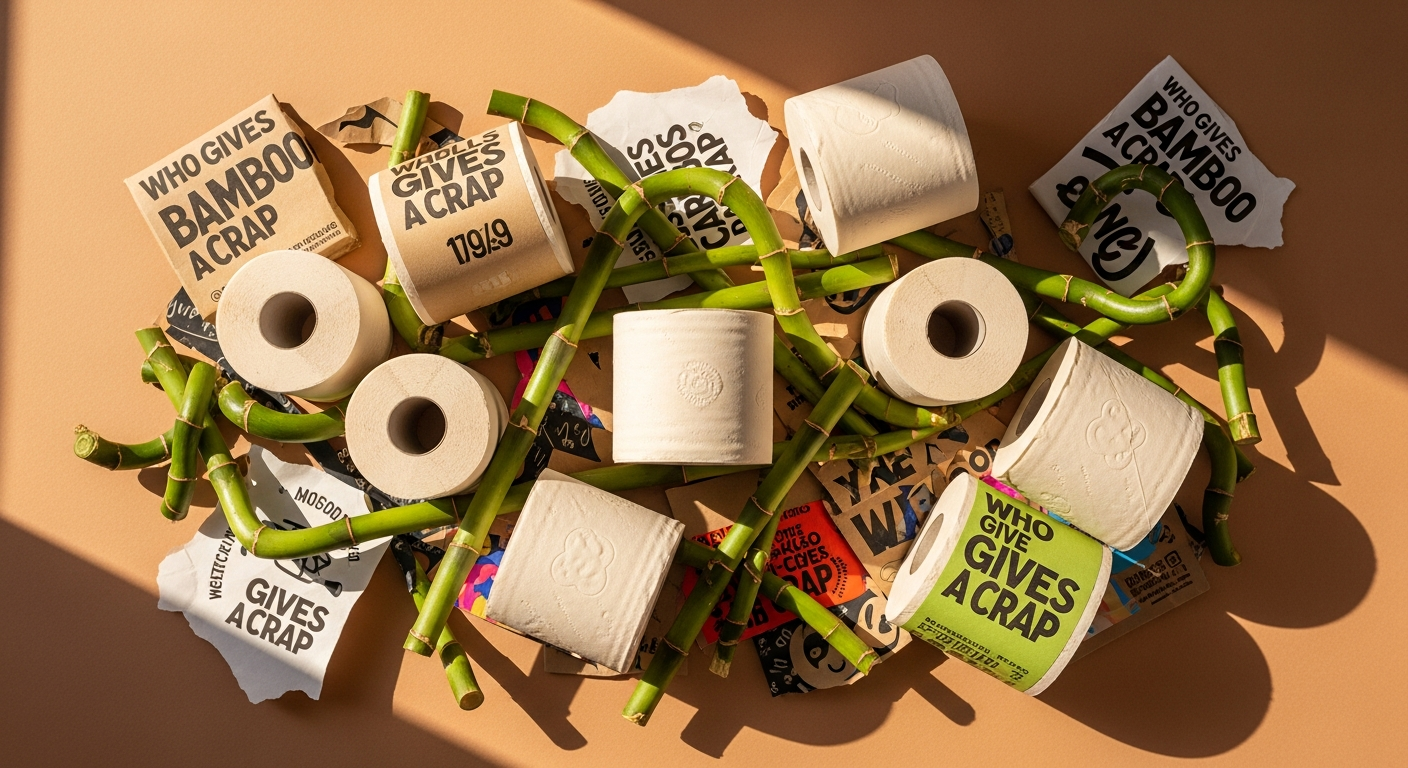
Over 1 billion tons of toilet paper are produced globally each year, with conventional manufacturing consuming vast forests and generating mountains of plastic waste. That's a staggering environmental cost for something we use without thinking twice. The toilet paper aisle has transformed over recent years, and one brand keeps dominating conversations among sustainability-minded consumers: Who Gives A Crap.
Who Gives A Crap's 100% Bamboo Toilet Paper isn't just another eco-friendly product—it's a statement about values. This Australian brand has built a reputation on combining genuine environmental responsibility with a charitable mission that actually moves the needle. They donate 50% of their profits to help build toilets and improve sanitation in developing countries, which means every roll you purchase contributes to something bigger than bathroom comfort.
What Makes Bamboo Toilet Paper Different From Traditional Options
Bamboo as a Rapidly Renewable Resource
Bamboo grows exponentially faster than trees traditionally used for toilet paper production. While softwood forests can take 10-20 years to mature, bamboo reaches harvestable maturity in just 3-5 years. This rapid regeneration makes it a genuinely renewable resource rather than a depleting one, which represents a fundamental shift from conventional tree-based pulp sourcing.
Environmental Footprint Comparison
The manufacturing of conventional toilet paper relies on virgin pulp from forests that take decades to replenish. Bamboo cultivation sequesters carbon more efficiently, and the farming practices associated with sustainable bamboo don't require the clear-cutting devastation linked to timber operations. Recycled paper offers an alternative, but bamboo's growth rate and lower processing requirements give it distinct environmental advantages.
Chemical Processing and Ecological Implications
Bamboo toilet paper production involves different chemical processes than tree pulp. Who Gives A Crap's 100% bamboo option eliminates harsh bleaching agents and synthetic additives, reducing the chemical runoff that damages waterways and ecosystems. The manufacturing footprint remains smaller throughout the supply chain.
Carbon Sequestration and Deforestation Prevention
Bamboo forests actively absorb carbon dioxide during their rapid growth cycles, contributing to carbon sequestration. By choosing bamboo, you're directly preventing the deforestation that accompanies conventional toilet paper demand. Sustainable bamboo farming also regenerates soil health rather than depleting it.
Breaking Down the Product Specifications & Construction
3-Ply Construction for Strength and Durability
The 3-ply design means three layers of bamboo fiber compressed together, creating a product that balances strength with a softer touch. This construction prevents the single-ply thinness that leads to rips and tears during use, while the triple-layer approach maintains breathability and quick dissolution.
Double-Length Rolls Explained
These rolls contain twice the sheets of standard toilet paper, translating to fewer roll changes per household. For a family of four, this means you're changing rolls roughly half as often as conventional products. The practical benefit extends beyond convenience—less frequent replacement means fewer rolls rolling around your bathroom storage.
Sheet Count and Coverage
While exact specifications vary slightly across product variants, Who Gives A Crap's bamboo rolls typically offer generous sheet counts comparable to their recycled option, which provides around 400 sheets per roll. This double-length format means substantial coverage per replacement.
Thickness and Performance Standards
The bamboo toilet paper maintains adequate thickness without the heavy, dense feel of some premium brands. It resists the papery thinness that budget options suffer from, hitting a middle ground that satisfies most users seeking durability without excessive bulk.
Absence of Inks, Dyes, and Additives
Who Gives A Crap produces this toilet paper without synthetic inks, dyes, perfumes, or chemical scents. For individuals with sensitive skin conditions or chemical sensitivities, this absence of additives eliminates potential irritants. The natural color comes from the bamboo fiber itself rather than applied bleaching or dyeing.
Hypoallergenic Properties
The lack of chemical treatments makes this option suitable for households with members experiencing skin sensitivities, allergies, or conditions like eczema. Medical professionals often recommend dye-free and fragrance-free toilet paper for these populations, and this product aligns with those recommendations.
Biodegradability and Septic Safety
Bamboo toilet paper breaks down quickly in water, making it safe for septic systems and environmentally sound for wastewater treatment. Unlike some specialty products that require specific plumbing, this works with standard systems without causing backups or buildup issues.
The Plastic-Free Packaging Promise: Beyond Marketing Hype
Individual Roll Wrapping Without Plastic
Each roll arrives wrapped in decorative paper rather than plastic film. This seemingly small detail eliminates millions of tons of plastic waste annually when scaled across consumer purchases. The paper wrapping serves the same protective function while remaining completely compostable.
Recyclable Cardboard Delivery System
Your order arrives in a standard cardboard box, not plastic-lined packaging. The box itself can be recycled through standard programs or composted if you have access to commercial composting facilities. This approach aligns with zero-waste principles without sacrificing product protection.
Elimination of Packaging Waste Per Order
A single bulk order eliminates the plastic from 24 or 48 individual rolls that would typically come wrapped in plastic at supermarkets. Over a year, choosing Who Gives A Crap prevents significant plastic accumulation in your waste stream.
Home Delivery and Carbon Considerations
Bulk delivery directly to your home eliminates shopping trips to supermarkets. While shipping creates carbon emissions, ordering in bulk reduces the per-unit transportation impact compared to multiple store purchases. Many consumers find the convenience trade-off worthwhile.
Packaging Design and Unboxing Experience
The cardboard boxes feature the brand's distinctive playful design, making the unboxing experience feel intentional and special rather than purely transactional. This attention to presentation reinforces the brand's values-driven positioning.
Compostability of Materials
Both the paper wrapping and cardboard box can enter composting systems. For zero-waste households, this means genuine waste elimination rather than recycling dependence on industrial facilities.
Pricing Strategy and Cost-Per-Use Reality Check
Pricing Tiers
Who Gives A Crap offers their bamboo toilet paper at approximately A$44 for 24 rolls or A$68 for 48 rolls. These prices position the product in the premium segment, higher than budget brands but comparable to other eco-friendly alternatives.
Cost Per 100 Sheets Breakdown
At roughly $0.42 per 100 sheets, the pricing appears premium at first glance. However, the double-length format substantially changes this calculation when measured against standard-length rolls from other brands.
Double-Length Roll Advantage
Because each roll contains double the sheets of conventional products, the effective cost per standard roll decreases significantly. What appears expensive on a per-roll basis becomes competitive when calculated against actual usage and replacement frequency.
Subscription Discounts
Setting up automatic monthly deliveries reduces the price further, rewarding long-term commitment with pricing closer to wholesale levels. These subscription savings can make the product cost-competitive with mid-range conventional options.
Value Beyond Price
The premium reflects genuine environmental benefits and the charitable mission built into every purchase. You're not paying extra for marketing spin—these costs correspond to sustainable sourcing, plastic-free packaging, and profit-sharing with sanitation initiatives in developing countries.
Hidden Savings Through Reduced Roll Changes
Double-length rolls mean purchasing half as frequently and maintaining less bathroom storage. For households valuing time and convenience, these practical benefits justify the price differential.
Bulk Buying Economics
Ordering 48 rolls at once creates economies of scale that benefit your bottom line while reducing packaging waste per roll and shipping frequency.
The Softness & Performance Factor: Real User Experiences
Softness Comparison to Recycled Options
Who Gives A Crap's bamboo toilet paper generally receives feedback indicating it's softer than their recycled alternative. Users often describe the texture as gentle and comfortable, though some note it doesn't quite match the plushness of premium virgin pulp products from other brands.
3-Ply Strength Without Compromising Comfort
The triple-layer construction provides durability without the dense, stiff feel that sometimes accompanies strength. Users report that the product holds together during use while maintaining a pleasant texture against skin.
Durability and Resistance to Shredding
One consistent strength praised in user feedback is the bamboo toilet paper's resistance to falling apart mid-use. The fiber construction prevents the disintegration that budget options suffer from, maintaining structural integrity throughout use.
Performance in Various Water Conditions
The product performs consistently whether your home has hard or soft water, avoiding the texture degradation that affects some specialty toilet papers in mineral-rich water systems.
Dissolution Properties
Bamboo toilet paper dissolves appropriately in water, breaking down quickly enough for septic safety while maintaining structural integrity during the actual wiping process. This balance prevents both septic issues and performance failures.
Wet Strength and Structural Integrity
Unlike some eco-friendly products that weaken significantly when wet, this option maintains its integrity if it contacts water, an important characteristic for households with children or those prone to bathroom accidents.
Honest Limitations
If ultimate plushness ranks as your highest priority, some virgin pulp premium brands might feel slightly softer. This isn't a deficiency but rather a different positioning—Who Gives A Crap prioritizes sustainability and durability alongside comfort rather than maximizing softness alone.
The Charitable Mission Behind Every Purchase
50% Profit Donation Model
Who Gives A Crap commits to donating half of its profits to sanitation and toilet-building initiatives in developing countries. This profit-sharing model directly connects your purchase to tangible charitable impact, moving beyond typical corporate "giving back" programs.
Sanitation Projects in Developing Countries
The brand partners with organizations to build toilets and improve sanitation infrastructure in regions where access remains critically limited. These projects address fundamental human dignity and health needs, not luxury amenities.
Impact Metrics and Transparency
The brand publishes information about toilets constructed and people impacted by these initiatives, allowing consumers to understand the concrete outcomes of their purchases. This transparency builds trust that charitable claims translate to real action.
Social Responsibility Beyond Environmental Concerns
While sustainability matters, the charitable mission addresses equity and human welfare. Every roll purchased contributes to improving lives in communities that lack basic sanitation infrastructure, connecting your bathroom comfort to global wellness.
Connection Between Purchase and Global Change
Buying Who Gives A Crap creates a direct linkage between your personal consumption and meaningful charitable work. This psychological connection enhances the purchasing experience for values-driven consumers who want their money supporting causes they care about.
Alignment With UN Sustainable Development Goals
The sanitation projects support multiple UN Sustainable Development Goals, including health, clean water, and poverty reduction. Your purchase indirectly advances international development priorities.
Who This Product Is Perfect For (And Who Might Want to Skip It)
Ideal Customers
This product resonates most strongly with eco-conscious households where sustainability isn't just a preference but a core value. Families with members experiencing skin sensitivities benefit from the chemical-free formulation. Consumers willing to pay a premium for alignment with their values find genuine satisfaction in this purchase. Zero-waste advocates appreciate the plastic-free packaging, and anyone motivated by charitable giving discovers genuine purpose in supporting sanitation initiatives.
Potential Limitations
Budget-conscious shoppers may struggle with the premium pricing, especially larger households where the cost compounds across multiple purchases. Individuals for whom maximum softness represents a non-negotiable priority might find slight performance gaps compared to luxury virgin pulp options. Those with limited storage space may find bulk ordering inconvenient despite its efficiency benefits.
Navigating Potential Drawbacks and Customer Service Realities
Softness Perception Gaps
While most users find the bamboo option appropriately soft, some expect the cushioned luxury of premium virgin pulp products. This gap reflects different product positioning rather than quality failure but deserves acknowledgment.
Occasional Quality Consistency Concerns
Some users report experiencing inconsistent roll quality across shipments, with occasional variations in thickness or softness. These instances appear relatively rare but do occur, suggesting occasional manufacturing fluctuations.
Delivery Issues
The main criticism across customer feedback involves logistics challenges. Some customers experience delayed deliveries, missing orders, or damaged packaging during transit. These problems align with growing pains from rapid business scaling rather than systematic failures.
Customer Service Responsiveness
Response times for customer service inquiries occasionally run longer than expected, particularly during peak ordering periods. The brand's rapid growth has occasionally outpaced support infrastructure.
Subscription Management
Pausing or adjusting subscription orders sometimes involves multiple steps or communication delays. The online management system could streamline these processes further.
Storage Space Requirements
Ordering 48 rolls requires adequate bathroom or pantry storage. Smaller homes or apartments may find bulk storage challenging, though subscription frequency adjustments can mitigate this concern.
Environmental Cost of Shipping
While bulk ordering reduces per-unit shipping impact, long-distance delivery still carries carbon emissions. Offset calculators can help quantify this environmental trade-off against supermarket shopping trip emissions.
How to Maximize Value From Your Who Gives A Crap Purchase
Subscription Setup for Best Pricing
Setting up automatic monthly or bi-monthly deliveries locks in the lowest available pricing while removing the need to remember reordering. This convenience combined with savings makes subscriptions the optimal purchasing method.
Optimal Order Sizing
Calculate your household's monthly consumption and order accordingly. A family of four typically uses one box of 24 rolls monthly or a box of 48 every two months. Right-sizing orders maximizes freshness while optimizing shipping efficiency.
Storage Solutions
Designate a storage shelf or closet specifically for toilet paper bulk supplies. Clear plastic bins can keep rolls organized and protected while maintaining visibility of remaining inventory.
Combining With Complementary Products
Who Gives A Crap produces other paper products including tissues and paper towels. Combining multiple products in single shipments reduces overall shipping impact while potentially qualifying for volume discounts.
Promotional Timing
The brand occasionally offers promotions on first orders or seasonal discounts. Signing up for their email list alerts you to these opportunities without requiring constant website monitoring.
Referral Programs
Sharing your subscription with friends through referral codes generates account credits, reducing future purchase costs while expanding the community of sustainable consumers.
Tracking Environmental Impact
The brand provides calculators showing your personal environmental impact through bamboo preservation, plastic avoidance, and charitable contributions. Monitoring these metrics reinforces the value of your choice.
The Bigger Picture—Why Sustainable Toilet Paper Matters Now
Global Consumption Trends
Annual global toilet paper consumption continues rising with population growth and developing-world expansion. Current trends project increased demand for decades, magnifying the environmental implications of manufacturing choices.
Deforestation and Resource Depletion
Conventional toilet paper manufacturing drives deforestation at significant scale. Choosing alternatives directly reduces demand pressure on threatened forests and helps preserve biodiversity in fragile ecosystems.
Plastic Pollution From Packaging
Billions of plastic-wrapped toilet paper packages end up in landfills annually, creating persistent pollution. Switching to plastic-free alternatives prevents this waste at source.
Water Usage and Manufacturing Pollution
Traditional toilet paper production consumes enormous quantities of water and generates chemical pollution through bleaching and processing. Bamboo cultivation and sustainable production methods reduce both water consumption and chemical contamination.
Consumer Shift Toward Conscious Consumption
Market trends clearly demonstrate growing consumer demand for sustainable alternatives. Products like Who Gives A Crap succeed because they align with increasingly mainstream values around environmental responsibility.
Corporate Responsibility in Commodity Products
Toilet paper exemplifies commodity products where quality differences remain minimal between producers. When quality converges, environmental and social responsibility become meaningful differentiators. Who Gives A Crap's success demonstrates that consumers actively choose values-aligned brands when viable alternatives exist.
Role of Individual Choices in Systemic Change
While individual purchases alone won't solve environmental crises, aggregated consumer choices shape market incentives. Every person switching to sustainable toilet paper signals demand that encourages competitor innovation and sustainability adoption throughout the industry.
Future of Sustainable Hygiene Products
The trajectory points toward sustainable options becoming mainstream rather than niche. Choosing sustainable products now helps accelerate this transition while supporting brands pioneering responsible practices.
The Bottom Line: Is Who Gives A Crap's Bamboo Toilet Paper Worth Your Money?
After examining the specs, pricing, performance, and mission behind Who Gives A Crap's 100% Bamboo Toilet Paper, the verdict becomes clear: this product delivers genuine value for the right audience. You're not just buying toilet paper—you're investing in sustainability, supporting charitable impact, and enjoying a genuinely solid product that performs when it matters. The premium pricing reflects real environmental benefits and meaningful charitable work, not just marketing spin.
That said, it's not a one-size-fits-all solution. If maximum softness is your non-negotiable priority or budget constraints are tight, conventional alternatives might serve you better. But for households that align with sustainable values, appreciate quality construction, and want their everyday purchases to reflect their beliefs, this bamboo option stands out as a thoughtful choice.
The real power of products like this lies in their ability to shift market expectations. Every roll purchased signals to manufacturers that consumers care about environmental responsibility and social impact. Ready to make the switch? Start your sustainable journey with Who Gives A Crap's 100% Bamboo Toilet Paper and discover how your everyday choice can create meaningful environmental and social impact.
Leave a Reply