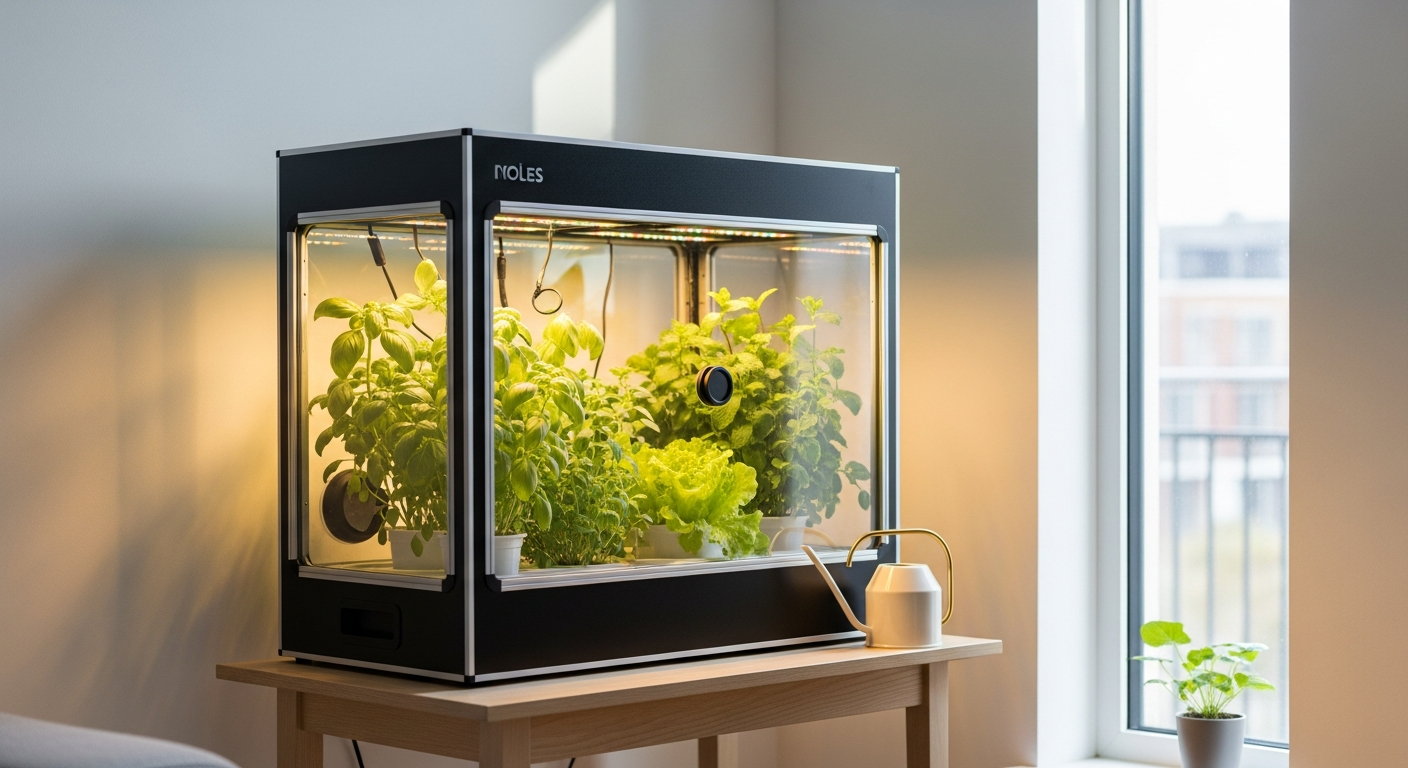
Urban living doesn't mean sacrificing your gardening dreams. With apartment sizes shrinking and outdoor space becoming a luxury, more than 60% of indoor gardeners now rely on compact grow systems to cultivate fresh herbs, vegetables, and plants within their homes. The challenge is real: finding equipment that fits your space, matches your skill level, and doesn't require a PhD in horticulture to assemble.
Growbee's LED Grow Box Complete Kits address this exact problem by bundling everything a space-conscious grower needs into one compact, efficient package. Rather than hunting down individual components and worrying about compatibility, these kits arrive ready to deploy—making them the go-to choice for apartment dwellers, balcony gardeners, and anyone working with limited square footage.
Explore Growbee's complete kit selection to find your perfect apartment growing solution.
Matching Your Living Space: Growbee Kit Sizes for Apartments and Compact Homes
60x60x160cm Kits (GHP Komplettset 60 Watt LED)
Studio apartments and single-room setups benefit most from these compact systems. Supporting 1-3 plants, the 60x60cm kit fits seamlessly into closets, corners, or under-desk spaces without dominating your living area. This size works particularly well for apartment dwellers who want to test their growing skills before committing to larger equipment.
80x80x180cm Kits (GHP Komplettset 150 Watt LED)
Perfect for one-bedroom apartments, this mid-range option accommodates 4-6 plants while striking a balance between footprint and growing capacity. The 80x80cm configuration gives you enough growing room to experiment with multiple crops simultaneously without consuming excessive floor space.
100x100x200cm Kits (ViparSpectra 250W)
Suited for larger apartments or dedicated grow rooms, these systems support 8-12 plants and maximize vertical growth potential. They require more floor space but deliver significantly higher yields, making them ideal for serious apartment gardeners committed to year-round cultivation.
120x60x180cm Kits (GHP Komplettset 300 Watt LED)
Best for long, narrow spaces like hallway closets or office rooms, this configuration accommodates medium plant counts without excessive width. The rectangular footprint adapts well to unconventional apartment layouts where square floor space is limited.
Understanding Your Space Constraints
Dimension trade-offs matter more in apartments than traditional growing spaces. Measuring available floor space, ceiling height, and electrical outlet proximity prevents costly returns and installation headaches. Understanding these physical constraints before purchase eliminates frustration and ensures your chosen kit actually fits your environment.
Vertical stacking potential also matters for apartment gardeners wanting to expand without increasing their footprint. Multiple smaller kits can be positioned strategically to create a mini-farm while respecting your living space limitations.
The Complete Kit Advantage: What's Actually Included vs. Building From Scratch
Pre-matched LED Grow Light Systems
Energy-efficient spectrum optimization for seedling, vegetative, and flowering phases means no guesswork on wattage or color temperature. Growbee's engineers have already solved the technical puzzle of what wavelengths your plants actually need at each growth stage. You simply plug in the included light and let it do its job.
Light-tight Grow Tent Construction
Reflective interior coatings maximize photosynthesis efficiency by bouncing light back toward your plants rather than letting it escape. This design prevents light leaks that compromise plant cycles and waste energy—a critical consideration in apartment settings where electricity costs matter.
Integrated Ventilation with Activated Carbon Filters
Odor neutralization for apartment living happens automatically through the sealed system and filter integration. The ventilation maintains temperature and humidity without requiring separate purchases, eliminating the need to source and install additional components yourself.
Essential Accessories Bundled In
Timers for automated light cycles, thermometers and hygrometers for monitoring, and pots and growing medium in select kits arrive ready to use. This completeness removes the friction of identifying which accessories you actually need.
The Cost Reality
Entry-level complete kits (€150-€300) cost significantly less than purchasing a tent, light, fan, and filter separately (often €400+). The savings become even more apparent when you factor in the time required for research and component sourcing.
Time savings alone justify the complete kit approach—eliminating 20+ hours of research, compatibility checking, and sourcing component by component. Your weekend remains yours instead of disappearing into growing equipment research.
Start your apartment garden today with a Growbee complete kit backed by years of growing expertise.
Warranty and Support Benefits
Growbee's bundled systems come with unified support, and troubleshooting becomes simpler when all components belong to the same ecosystem. Dealing with one manufacturer beats juggling warranty claims across five different retailers.
Energy Efficiency and Operating Costs for Apartment Dwellers
LED Technology Advantages
LED systems consume 40-60% less electricity compared to HPS or MH bulbs, and the reduced heat output means less AC strain during summer months. For apartment residents conscious of energy consumption, this efficiency translates to noticeable utility bill savings.
Wattage Breakdown by Kit Size
The 60W kits incur minimal monthly costs, while 150W systems use moderate consumption levels. Even the 250W-300W kits remain efficient for larger grows, delivering more plants without proportionally higher electricity usage.
Estimated Monthly Electricity Costs
Calculations based on 12-16 hour daily cycles and regional European utility rates show reasonable operating expenses. A 150W system running 14 hours daily costs approximately €15-25 per month in most European regions, depending on local electricity rates.
Heat Management in Apartments
Lower ambient temperature rise from LED systems prevents neighbor complaints about noise or visible heat signatures. You won't need industrial cooling solutions that draw attention or consume additional energy.
Long-term ROI Perspective
Energy savings offset initial kit investment within 12-24 months for regular growers. Once that payback period closes, every kilogram of homegrown produce represents pure savings compared to grocery store prices.
Utility Bill Transparency
Modest increases to your electricity bill are easily explained to landlords or building management, especially when compared to alternative energy-consuming appliances. The consumption remains minor enough that most apartment dwellers won't raise eyebrows.
Smart timer integration allows scheduling grows during off-peak hours to further reduce costs, if your utility provider offers time-of-use rates.
Odor Control and Discreet Growing in Shared Living Spaces
Activated Carbon Filter Effectiveness
Neutralizing 95%+ of plant odors matters crucially in apartment living where neighbors share ventilation systems. The carbon filter isn't optional—it's essential infrastructure for maintaining good relationships with people living nearby.
Sealed Grow Box Design
Light-tight construction also prevents odor escape into hallways or adjacent units. The sealed system creates a complete barrier preventing any smell leakage, addressing one of the biggest concerns apartment growers face.
Ventilation System Specifications
Inline fans paired with carbon filters create negative pressure, ensuring air exits through the filter rather than seeping through gaps. This engineering detail distinguishes complete kits from budget alternatives that often overlook proper ventilation design.
Ducting and Exhaust Routing
Best practices for venting filtered air through windows, walls, or existing HVAC systems allow discreet setup without detection. Planning your exhaust route before installation prevents awkward retrofitting later.
Filter Replacement Schedules
Carbon filters require changing every 6-12 months to maintain odor control effectiveness. Growbee kits specify replacement intervals, ensuring you know when maintenance is needed.
Discreet Appearance
Grow boxes resemble furniture or storage units rather than industrial equipment, blending seamlessly into apartment décor without drawing attention from visitors or building management.
Noise Considerations
Quiet fan models in Growbee kits prevent disturbing neighbors or household members during night cycles. A whisper-quiet ventilation system means you can run your grow box 24/7 without creating noise complaints.
Setting Up Your Growbee Kit: Installation for Apartment Environments
Unpacking and Assembly Timeline
Expect 2-4 hours for complete setup with no special tools required beyond a basic screwdriver. Most apartment dwellers complete assembly on a Saturday afternoon without contractor assistance.
Flooring and Weight Distribution
Grow boxes weigh 30-80kg when filled, so placement on reinforced floors or weight-bearing areas in apartments prevents structural concerns. Distribute weight over adequate floor space rather than concentrating it in a single spot.
Electrical Requirements
Standard 110V/220V outlets power Growbee systems, but calculating amp draw prevents circuit overload in older apartment buildings. Most kits draw under 3 amps on standard circuits, though larger models may require dedicated outlets.
Humidity Management
Preventing condensation on apartment windows and walls requires balancing moisture without mold growth. Proper ventilation and occasional dehumidification keep your apartment environment healthy while supporting plant growth.
Temperature Stability
Maintaining 65-80°F (18-27°C) in varying apartment climates works with grow box insulation in cold climates. Growbee kits handle temperature regulation naturally for most apartment environments without additional investment.
Cable Management
Routing power cords and ventilation ducts discreetly through apartment spaces maintains your aesthetic while keeping safety hazards minimal. Plan cable routes before installation to avoid unsightly arrangements.
Accessibility for Maintenance
Positioning kits for easy access to water reservoirs, plant inspection, and filter changes prevents frustration during routine maintenance. Leave at least 18 inches of clearance around your grow box for comfortable access.
Comparing Growbee Kits to Budget Alternatives and DIY Systems
Budget Grow Tent Setups
€100-€150 tents paired with cheap lights often fail due to compatibility issues and poor results. The cheapest option upfront frequently becomes the most expensive when you factor in replacement costs and failed crops.
Growbee's Quality Assurance
Component selection based on 20 years of expertise delivers reliability that justifies mid-range pricing. Growbee doesn't compete on being cheapest; they compete on being right.
DIY System Pitfalls
Sourcing individual parts creates hidden costs beyond equipment—time investment and risk of incompatible equipment drain your resources. By the time you've researched everything separately, you've often spent more than a complete kit costs.
Resale Value
Growbee complete kits hold value better than mismatched DIY systems if you decide to upgrade later. Reselling a cohesive system is significantly easier than selling random components.
Beginner Success Rates
Data shows higher first-harvest success with complete kits versus piecemeal approaches. The difference between succeeding and failing on your first grow often comes down to using equipment that actually works together.
Professional-Grade Alternatives
Growbee kits prove sufficient for serious apartment gardeners, though professional systems (€1000+) become necessary for commercial-scale operations. For personal use and small harvests, Growbee provides the sweet spot between capability and affordability.
Warranty and Returns
Growbee's customer protection policies beat buying individual components from multiple retailers. Unified support and straightforward warranty coverage mean less hassle if something needs replacement.
Maximizing Yields in Compact Spaces: Practical Growing Strategies
Plant Selection for Small Kits
High-value crops like herbs, microgreens, and cherry tomatoes thrive in 60x60cm spaces, delivering impressive harvests from minimal square footage. Choosing crops with higher market value per plant makes small-space growing economically worthwhile.
Vertical Growing Techniques
Trellising, pruning, and training plants to use vertical space efficiently transforms tall kits into high-yield systems. Tomatoes, cucumbers, and climbing herbs maximize production in 100x100cm and larger kits through vertical training.
Lighting Optimization
Positioning plants at optimal distance from LED lights and rotating plants for even growth prevents light-hungry plants from shading others. Understanding your LED light's effective coverage radius ensures every plant receives adequate illumination.
Nutrient Management
Hydroponic versus soil growing in compact systems each present trade-offs regarding water efficiency and nutrient control. Soil growing suits apartment dwellers avoiding water system complexity, while hydroponic systems optimize nutrient efficiency in small volumes.
Crop Rotation Planning
Sequential planting cycles maintain continuous harvests in apartment settings, eliminating the all-or-nothing mentality of traditional gardening. Staggered plantings ensure you're always harvesting something while new plants grow.
Companion Planting
Maximizing diversity and yield by growing compatible plants together in single kits creates ecosystem benefits within confined spaces. Basil with tomatoes, lettuce beneath taller plants, and herbs between vegetables optimize space utilization.
Troubleshooting Common Issues
Addressing nutrient deficiencies, pest problems, and environmental stress in confined spaces requires attentiveness that pays dividends. Compact systems make problems visible quickly, allowing rapid intervention before minor issues become crop-threatening.
Real-World Apartment Growing: Success Stories and Realistic Expectations
Studio Apartment Case Study
A 60x60cm kit transformed a closet into a year-round herb garden, providing fresh basil, oregano, and parsley continuously. Within months, the grower reduced grocery spending on fresh herbs to nearly zero while enjoying superior flavor and quality.
One-Bedroom Setup
An 80x80cm kit balanced aesthetics and functionality in a visible living space by selecting an attractive grow box design that complemented apartment décor. Mixed herbs and cherry tomatoes provided both culinary ingredients and visual interest.
Multi-Kit Apartments
Stacking smaller kits created mini-farms without exceeding space or electrical limits. Three 60x60cm systems positioned vertically used less total floor space than one large kit while providing tremendous growing capacity.
Beginner Learning Curve
Timeline from unboxing to first harvest averages 4-8 weeks for fast-growing herbs and microgreens, with common mistakes like overwatering and light distance errors easy to correct after initial learning. Most beginners succeed on their first attempt with Growbee kits.
Seasonal Variations
Apartment growing requires adapting to winter heating and summer cooling challenges, though LED systems' low heat output minimizes seasonal disruption. Some growers actually increase production in winter when apartment heating maintains ideal growing temperatures.
Cost-Benefit Analysis
Real growers sharing their monthly expenses versus grocery savings report recovering initial kit investment within 6-12 months through produce savings alone. Beyond payback, continuing harvests represent pure savings.
Community Feedback
Apartment dwellers consistently praise Growbee kits for simplicity and effectiveness, with the primary challenge being patience waiting for the first harvest rather than technical difficulties.
Choosing the Right Growbee Kit: Decision Framework for Apartment Growers
Space Assessment Checklist
Measuring available floor space, ceiling height, and electrical outlet proximity prevents ordering equipment that won't fit your actual environment. Document these measurements before browsing kits.
Plant Count Goals
Determining how many plants you want to grow and matching kit size to cultivation ambitions prevents both undersizing (needing upgrades quickly) and oversizing (wasted capacity). Most apartment gardeners find 4-6 plants provides satisfying variety without overwhelming maintenance demands.
Budget Considerations
Entry-level (€150-€300), mid-range (€300-€600), and premium (€600+) options exist for different financial situations. More spending typically buys larger growing capacity and sometimes includes additional accessories, but even entry-level kits deliver excellent results.
Growth Timeline
How quickly you want results matters—smaller kits provide faster turnarounds for quick-growing crops, while larger systems sustain production over longer periods. Impatient growers benefit from smaller kits delivering harvests faster.
Skill Level Matching
Beginner-friendly features exist in all Growbee kits, with some models offering more straightforward setup than others. Complete beginners benefit from the most automated options with built-in timers and basic monitoring.
Expansion Potential
Starting with a smaller kit and adding systems later proves cost-effective compared to buying oversized equipment upfront. Growbee models show general compatibility, allowing future expansion without scrapping your initial investment.
Return on Investment
Calculating payback periods based on crop value and electricity costs justifies the initial expense through concrete savings. Most apartment gardeners see positive ROI within 12-18 months.
Warranty and Support
Understanding what's covered and how Growbee handles technical issues and defective components provides peace of mind. Responsive support matters more than people realize when you're learning to grow.
Your Apartment Garden Awaits
The transition from dreaming about fresh herbs and homegrown vegetables to actually cultivating them doesn't require a sprawling garden or greenhouse. Growbee LED Grow Box Complete Kits strip away the complexity, eliminate compatibility headaches, and deliver everything you need to succeed in a compact, apartment-friendly package.
What makes Growbee kits stand out isn't just their convenience; it's the thoughtful engineering behind each component. The energy-efficient LED systems keep your electricity bills reasonable, the carbon filters handle odor concerns that matter in shared living spaces, and the pre-matched equipment means you're not gambling on whether parts will work together.
Whether you're a complete beginner or an experienced gardener working within spatial constraints, there's a Growbee kit sized and priced for your situation. Start by honestly assessing your available space, identifying what you want to grow, and matching those needs to the right kit size. Then take action—order your system, set it up over a weekend, and experience the satisfaction of harvesting your own fresh produce within weeks.
Your apartment garden is waiting—choose your Growbee kit today and start growing.
Leave a Reply