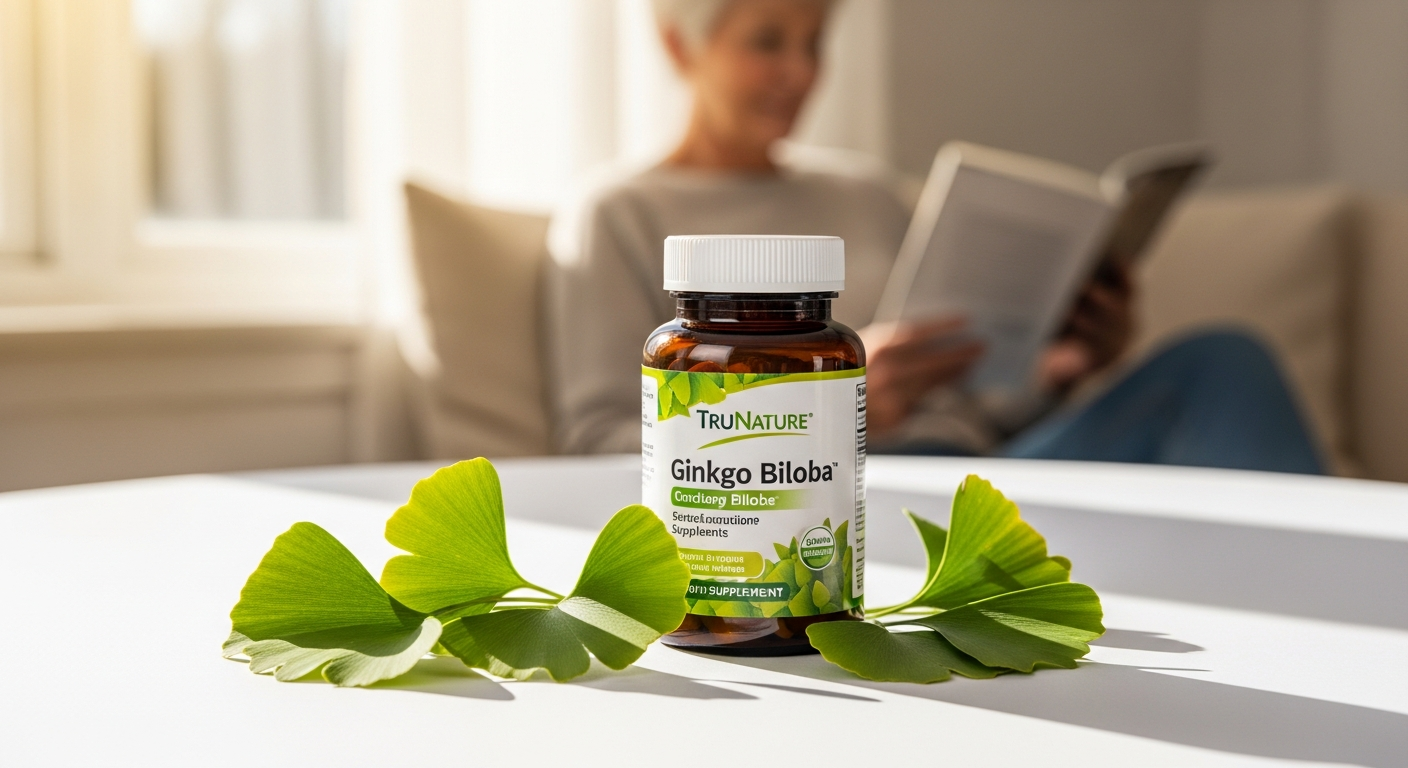
TruNature Ginkgo Biloba Brain Health Supplement: A Complete Review
Nearly 6.9 million Americans currently live with Alzheimer's disease, and that number is projected to nearly triple by 2050. As we age, cognitive decline becomes a real concern—one that drives millions of people to search for natural solutions that might slow memory loss and sharpen mental clarity. The supplement aisle has exploded with options, but one product keeps appearing in shopping carts at Costco and Walmart: TruNature Ginkgo Biloba.
I wanted to understand whether this bestselling herbal supplement lives up to the hype. TruNature's Ginkgo Biloba formulation has been around for years and maintains a strong following among people looking to support brain health without prescription medications. The product contains standardized extracts with specific active compounds, and it's priced affordably enough that regular users can sustain the habit without breaking the bank.
In this guide, I'll walk you through the actual science behind ginkgo, break down what's inside each softgel, examine potential side effects and medication interactions, and share what real users are experiencing. You'll also discover whether this supplement makes sense for your specific health goals and lifestyle.
Discover TruNature Ginkgo Biloba and support your cognitive health today.
How Ginkgo Biloba Works: The Science Behind Cognitive Support
The Two Primary Active Compounds
TruNature's formula contains two key active ingredients that researchers have studied extensively. Flavone glycosides make up 24% of the standardized extract, while terpene lactones account for 6%. These aren't random percentages—they represent the compounds that scientific research has linked to ginkgo's cognitive benefits. Understanding what these compounds do helps explain why ginkgo has maintained its reputation for centuries in traditional medicine and why modern consumers keep reaching for it.
Enhanced Blood Flow and Oxygen Delivery
One of ginkgo's primary mechanisms involves improving cerebral circulation. These active compounds work to enhance blood flow to the brain, which directly increases oxygen and nutrient delivery to neural tissues. When your brain receives adequate oxygen, cognitive functions like memory, processing speed, and focus naturally improve. This circulation boost extends beyond the brain—many users report benefits throughout their entire vascular system.
Antioxidant Protection at the Cellular Level
Ginkgo Biloba functions as a powerful antioxidant, protecting neurons from oxidative stress and cellular damage caused by free radicals. Your brain is particularly vulnerable to oxidative damage because it uses significant amounts of oxygen during daily function. By neutralizing harmful free radicals, ginkgo helps preserve the integrity of brain cells and may slow age-related cognitive decline. This protective mechanism operates quietly in the background, building a foundation for long-term brain health.
Neurotransmitter Function and Synaptic Communication
Beyond circulation and antioxidant protection, ginkgo influences how neurons communicate with each other. Research suggests it enhances neurotransmitter function—the chemical messengers that allow your brain cells to "talk" to one another. This improved communication translates to faster processing, better memory formation, and sharper mental clarity.
Traditional Use Versus Modern Clinical Evidence
Traditional Chinese medicine has used ginkgo for thousands of years, primarily for memory and circulation concerns. Modern clinical research has partially validated these traditional uses, though with important nuances. Some studies show clear cognitive benefits, particularly for age-related memory loss and mild cognitive impairment. However, research on whether ginkgo can prevent serious conditions like Alzheimer's disease shows mixed results. The supplement appears most effective for maintaining existing cognitive function and supporting memory in generally healthy aging adults.
Timeline Expectations: When You'll Notice Changes
Patience is essential when starting ginkgo supplementation. Most users don't experience noticeable cognitive improvements within the first week or two. The typical timeline involves 4-6 weeks of consistent use before mental clarity improvements become apparent. Some people notice benefits within 2-3 weeks, while others require 8-12 weeks. This delayed response reflects ginkgo's mechanism—it works gradually to improve circulation and cellular protection rather than producing immediate effects like a stimulant would.
Limitations of Current Research
While the evidence supporting ginkgo is encouraging, significant gaps remain. Some high-quality studies have failed to demonstrate clear dementia prevention benefits. The research base tends to favor short-term cognitive improvement studies over long-term dementia prevention research. Additionally, many studies involve relatively small sample sizes or don't account for all lifestyle variables that affect brain health. These limitations don't invalidate ginkgo's benefits but rather suggest it works best as part of a comprehensive brain health strategy that includes exercise, cognitive engagement, and healthy nutrition.
Decoding the TruNature Formula: What's Actually in Each Softgel
Standardized Ginkgo Biloba Extract at 120mg
Each TruNature softgel delivers 120mg of standardized ginkgo biloba extract. The standardization process is crucial—it ensures consistent levels of the active compounds (flavone glycosides and terpene lactones) across every batch. Without standardization, you'd be buying a product with wildly variable potency, like drinking different cups of coffee and hoping they're the same strength. TruNature's standardization means you're getting reliable, consistent doses with every softgel.
Supporting Ingredients and Their Roles
The formula includes soybean oil as the base, gelatin (bovine-derived) for the softgel capsule, glycerin for softening and preservation, soy lecithin for emulsification, yellow beeswax for texture, and natural caramel color for appearance. These aren't exotic additives—they're standard ingredients that help the ginkgo extract stay stable and make the softgel easy to swallow. Each ingredient serves a functional purpose rather than adding nutritional benefit.
Allergen Considerations: The Soy Question
TruNature's formula contains soy ingredients, which matters significantly if you have a soy allergy or sensitivity. Even though the soy content is relatively small, it can trigger reactions in soy-sensitive individuals. If soy is a concern for you, check competitor brands to find ginkgo supplements without this allergen.
Clean Formulation: What's Missing Matters
The product is gluten-free, lactose-free, and free from artificial flavors. This clean approach appeals to people with digestive sensitivities or dietary restrictions. TruNature didn't fill the formula with fillers, artificial sweeteners, or unnecessary additives. What you're getting is ginkgo extract with minimal supporting ingredients—a straightforward approach to supplementation.
Softgel Delivery System Advantages
Softgels offer distinct advantages over tablets or capsules. They're easier to swallow, especially for people who struggle with larger pills. The softgel format also allows the ingredient to absorb faster because the gelatin dissolves quickly in your digestive system. Additionally, softgels can deliver liquid extracts more effectively than dry capsules, potentially improving bioavailability.
How TruNature's Dosage Compares
At 120mg per softgel, TruNature falls within the typical dosage range for ginkgo supplements. Many competitors offer 60mg, 120mg, or 240mg per serving. The recommended dose is one softgel twice daily (240mg total), which aligns with research-backed dosing. Some brands push higher dosages, but exceeding 240mg daily increases side effect risk without proportional benefit increases.
Exceptional Value Proposition: 340 Softgels Per Bottle
With 340 softgels per bottle and a recommended dose of two softgels daily, a single bottle lasts approximately 170 days—nearly six months of continuous use. At the typical $14.99 Costco price point, you're investing about 4-5 cents per dose. This cost structure makes TruNature one of the most economical ginkgo options on the market, especially when factoring in both quality and quantity.
Check current pricing and availability for TruNature Ginkgo Biloba supplements.
Real User Results: Memory, Focus, and Circulation Benefits
Mental Clarity and Sustained Concentration
Across user reviews and feedback, mental clarity emerges as the most frequently reported benefit. People describe a noticeable reduction in brain fog, particularly during demanding work tasks or periods requiring sustained attention. Rather than producing jittery alertness, ginkgo users report a clean, steady kind of focus that feels natural and sustainable throughout the day.
Memory Improvements and Recall Speed
Users consistently mention enhanced memory function—both the ability to form new memories and retrieve existing ones more quickly. People in their 50s, 60s, and beyond report noticing they can remember names, appointments, and conversations more reliably after weeks of consistent ginkgo use. Some describe it as their memory "catching up" to their younger selves.
Headache Relief and Brain Fog Reduction
A surprising number of users report that ginkgo eliminates or significantly reduces the frequency of tension headaches and migraines. The mechanism likely involves improved circulation and reduced neuroinflammation. Brain fog—that fuzzy, unclear mental state—seems to dissolve for many users within 3-4 weeks of consistent supplementation.
Circulation Improvements and Overall Cognitive Function
Users notice better circulation benefits beyond the brain. People report warmer hands and feet, reduced night leg cramps, and better energy levels. This whole-body circulation enhancement contributes to overall cognitive function since your brain's performance depends on adequate blood flow and oxygen delivery.
Mood Stability and Emotional Balance
Beyond pure cognition, some users describe improved mood stability and emotional resilience. While ginkgo isn't marketed as a mood supplement, the improved brain circulation and reduced inflammation may contribute to better emotional regulation. This benefit tends to appear subtly rather than dramatically.
Reaction Time Improvements Across Age Groups
Aging typically brings slower reaction times, but ginkgo users—particularly those 50 and beyond—report faster mental processing and quicker physical reactions. Activities like driving, sports, and video games become noticeably easier, suggesting ginkgo supports neural processing speed.
Timeline of Results: When Improvements Appear
Most users notice their first changes between week 3 and week 6 of consistent use. Early signs typically include reduced brain fog and slightly sharper focus. More pronounced memory improvements usually require 6-8 weeks. Continuing use past this point often leads to additional benefits as circulation improvements deepen and antioxidant protection accumulates.
Critical Safety Considerations: Side Effects and Drug Interactions
Common Side Effects
While ginkgo is generally well-tolerated, some users experience side effects, particularly when starting or using high doses. Headache, nausea, dizziness, and gastrointestinal upset represent the most commonly reported adverse effects. These typically emerge in the first week or two and often resolve as your body adjusts. Starting with a lower dose and gradually increasing to the full dose can minimize these initial reactions.
Bleeding and Bruising Risks
Ginkgo's blood-thinning properties create genuine safety concerns, particularly if you're already taking medications that affect bleeding. The supplement can increase bleeding risk, potentially leading to bruising more easily, nosebleeds, or more serious bleeding complications. This is not a minor consideration—it's a legitimate reason to avoid ginkgo if you're on certain medications.
Specific Medication Interactions
Ginkgo interacts negatively with blood thinners like warfarin and aspirin, NSAIDs like ibuprofen, and certain antidepressants. If you take any medications affecting blood clotting or coagulation, ginkgo could amplify their effects dangerously. Even if you're on a low-dose aspirin for heart health, adding ginkgo without medical guidance isn't advisable.
Dosage Safety Ceiling
Research suggests that doses exceeding 240mg daily increase adverse effect risk without proportional benefit increases. The recommended TruNature dosage—one softgel (120mg) twice daily for a 240mg total—stays safely within the established guidelines. Don't exceed this dosage hoping for faster or stronger results; you'll only increase side effect risk.
Who Should Avoid Ginkgo Entirely
Pregnant women should avoid ginkgo—the supplement's effects on fetal development aren't well-established. People with bleeding disorders or scheduled surgeries should skip ginkgo for several weeks before procedures since it increases bleeding risk. Those with epilepsy or taking seizure medications should consult their doctor first, as ginkgo may lower seizure thresholds in susceptible individuals.
The Importance of Medical Consultation
Before starting TruNature Ginkgo, discuss it with your physician, particularly if you're on any medications. Your doctor can review potential interactions specific to your health situation and medications. This single conversation prevents the vast majority of serious complications. Don't treat this as optional—especially if you're over 50, take multiple medications, or have complex health conditions.
FDA Regulation Limitations
Ginkgo is classified as a dietary supplement rather than a pharmaceutical medication, which means it doesn't undergo FDA approval before reaching market. This affects quality oversight and standardization verification. While TruNature appears to maintain consistent quality, the lack of FDA regulation means you can't guarantee identical standardization across all brands the way you can with prescription medications. Choose established brands with transparent manufacturing practices.
Pricing and Value: Is TruNature a Smart Investment for Brain Health?
Price Range Across Retailers
TruNature Ginkgo Biloba typically costs between $14.99 and $28.97 depending on your retailer and whether you catch promotional pricing. Costco consistently offers the best pricing at around $14.99, which explains why you'll see it prominently displayed at Costco locations. Online retailers and standard drugstore pricing run higher, often hitting the $25-$28 range.
Costco's Pricing Advantage
Costco's bulk purchasing power allows them to offer TruNature at prices significantly lower than competitor retailers. If you have a Costco membership, buying there saves you approximately $10 per bottle compared to standard drugstore pricing. For regular users who refill every 5-6 months, this annual savings accumulates quickly.
Cost-Per-Dose Calculations
At $14.99 per 340-softgel bottle with a dosage of two softgels daily, you're investing approximately 4.4 cents per dose. Compare this to other ginkgo brands charging $30+ per bottle (roughly 9+ cents per dose), and TruNature's value proposition becomes clear. Over a year of consistent use, the price difference between TruNature and premium competitors easily exceeds $100.
How Long a Bottle Lasts
A single 340-softgel bottle lasting 170 days means each bottle supports about 5.5 months of continuous use at the recommended two-softgels-daily dosage. For budget planning, expect to purchase roughly 2-2.5 bottles annually if you maintain consistent supplementation.
Multi-Pack Options and Bulk Savings
Costco and some online retailers offer multi-packs (typically 2-3 bottles), which provide modest additional savings when you commit to longer-term supply. If you're confident you'll use ginkgo consistently, buying multi-packs when available saves a few dollars per bottle.
Comparison to Prescription Cognitive Medications
Prescription medications targeting cognitive decline cost significantly more. A month's supply of prescription nootropics easily runs $100-$300, and insurance may not cover cognitive support medications. TruNature's annual cost of roughly $35-$60 represents a fraction of pharmaceutical alternatives. You're not getting pharmaceutical-strength effects, but the price-to-benefit ratio still favors ginkgo for general cognitive maintenance.
Cheaper Alternatives and Their Trade-Offs
Discount brands sometimes offer ginkgo at lower prices, but you sacrifice assurance regarding standardization quality. Some budget supplements skip the standardization process entirely, meaning you could receive a product lacking the 24% flavone glycosides and 6% terpene lactones that make ginkgo effective. Spending a few dollars more ensures you're getting a properly standardized product rather than a weak extract with minimal benefit.
Who Benefits Most: Ideal Candidates for TruNature Ginkgo
Adults 50+ Experiencing Age-Related Cognitive Changes
The sweet spot for ginkgo users includes people 50 and older who notice their memory and mental sharpness aren't quite what they used to be. This age group experiences the cognitive changes that ginkgo specifically addresses—declining circulation, accumulated oxidative stress, and slowing neural processing. If you're noticing occasional memory lapses or difficulty concentrating, you're an ideal candidate.
Those with Family History of Memory Loss
People with parents or grandparents who experienced memory loss often want to take preventive action. While ginkgo isn't proven to prevent dementia definitively, it may reduce risk by supporting circulation and protecting neurons from damage. If memory loss runs in your family and you're otherwise healthy, ginkgo represents a reasonable preventive measure.
Individuals Struggling with Focus and Concentration
Professionals in demanding careers—lawyers, physicians, accountants, executives—who need to maintain peak mental performance report significant benefits from consistent ginkgo use. If your work requires sustained concentration and rapid information processing, ginkgo's focus-enhancing effects can provide meaningful advantages.
Those Seeking Natural Alternatives to Prescription Nootropics
People wanting cognitive support without pharmaceutical side effects gravitate toward ginkgo. Unlike prescription stimulants, ginkgo doesn't produce jitteriness, sleep disruption, or dependence. It's a natural approach that appeals to health-conscious individuals who prefer herbal solutions when they're effective.
Users Wanting to Maintain Long-Term Cognitive Function
Even if you're not experiencing cognitive decline, using ginkgo preventively to maintain existing mental function makes sense—particularly if you value brain health as you age. Consistent ginkgo use may slow cognitive aging and preserve mental sharpness throughout your later decades.
People Managing Mild Brain Fog or Mental Fatigue
If afternoon mental fog disrupts your workday or you struggle with sustained mental effort, ginkgo can clear that haze and restore your ability to focus. Users commonly report that ginkgo eliminates the mental fatigue that typically accumulates by midday.
Who Should Skip It Entirely
Anyone on blood-thinning medications (warfarin, aspirin, NSAIDs) should avoid ginkgo without explicit doctor approval. Pregnant women should skip it due to unknown fetal effects. People with bleeding disorders or scheduled surgeries should avoid ginkgo for several weeks before procedures. If you have epilepsy or take seizure medications, consult your neurologist first.
The Bottom Line: Should You Add TruNature Ginkgo to Your Routine?
TruNature Ginkgo Biloba Brain Health Supplement delivers what many users are actively seeking—a natural, affordable way to support memory and mental clarity without pharmaceutical side effects. The science backing ginkgo's cognitive benefits is solid, though not definitive for preventing serious conditions like dementia. What I found compelling is the combination of standardized active compounds, transparent pricing, and overwhelmingly positive user experiences regarding focus and mental sharpness.
The real decision comes down to your specific health situation. If you're taking blood thinners or have a bleeding disorder, this supplement isn't your answer. If you're a generally healthy adult in your 50s or beyond who wants to give your brain every advantage, the risk-to-benefit ratio tilts favorably. At $14.99 per bottle at Costco, you're spending roughly 5 cents per dose—a modest investment in cognitive wellness.
Start with a conversation with your doctor, especially if you're on any medications. Then, if you get the green light, commit to consistent use for at least 4-6 weeks before deciding whether ginkgo works for your brain. The results won't be dramatic overnight, but many users report meaningful improvements in clarity and memory retention when they stick with it.
Start supporting your brain health with TruNature Ginkgo Biloba today.
Leave a Reply