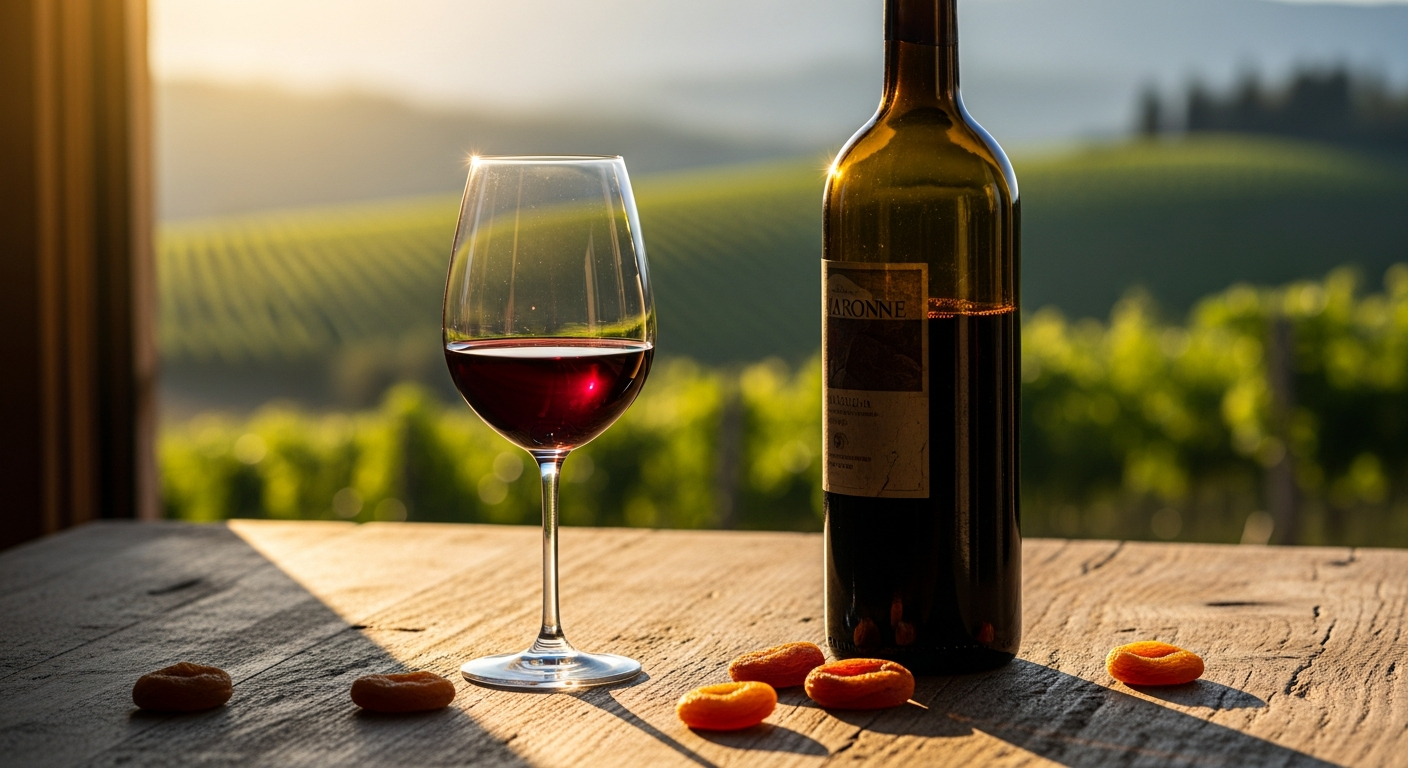
Serious wine collectors will tell you that certain bottles appreciate faster than fine art. Amarone della Valpolicella Classico DOCG sits at the intersection of rarity, prestige, and remarkable longevity—making it one of Italy's most coveted investment wines. The wine community recognizes this Veneto classic as a benchmark for what happens when tradition meets uncompromising craftsmanship.
Vinolisa has built its reputation on sourcing exceptional Italian wines directly from passionate winemakers, and Amarone represents the pinnacle of that commitment. This isn't just another premium red; it's a wine born from centuries of tradition in the Valpolicella region, crafted using a labor-intensive method that transforms ordinary grapes into liquid gold.
Discover Vinolisa's curated selection of Amarone della Valpolicella Classico DOCG today.
Throughout this guide, you'll uncover the meticulous appassimento process that sets this wine apart, explore its sensory profile and aging trajectory, understand its investment potential, and discover how to select bottles that will reward your patience for decades to come.
The Appassimento Method: Where Amarone's Magic Begins
The centuries-old drying technique that concentrates flavors and sugars
The appassimento method represents the beating heart of Amarone's identity. This centuries-old technique involves hand-harvesting grapes at peak ripeness, then allowing them to dry naturally on wooden racks for approximately 90 to 120 days. During this extended drying period, water evaporates from the fruit while sugars and aromatic compounds concentrate exponentially. What begins as ordinary grapes transforms into shriveled berries packed with intensity—a process that cannot be accelerated or industrialized without compromising the wine's essential character.
Hand-harvesting of Corvina, Corvinone, and Rondinella grape varieties
The selection process begins in the vineyard itself. Winemakers carefully hand-harvest Corvina, Corvinone, and Rondinella grapes, often incorporating some Molinara into the blend. These varieties possess the ideal balance of sugar, acidity, and aromatic potential needed for successful appassimento. The manual selection ensures only healthy, fully ripened fruit makes it to the drying racks—a labor-intensive practice that distinguishes Amarone from mass-produced alternatives.
The 90-120 day drying period on wooden racks and its impact on wine chemistry
Those three to four months on wooden racks trigger profound chemical transformations. Glycerin develops, creating the wine's signature velvety texture. Phenolic compounds concentrate, building structure and aging potential. The longer the drying period, the more intense and complex the final wine becomes. Temperature fluctuations during autumn and winter also contribute subtle variations in flavor development, which is why vintage variation matters significantly in Amarone production.
How the appassimento process elevates alcohol content to 15-15.5% ABV
The concentration of sugars during drying directly correlates to higher alcohol levels. As grapes lose water weight, their sugar density increases proportionally. When yeast ferments these concentrated sugars, the resulting alcohol content typically reaches 15 to 15.5% ABV—substantially higher than standard table wines. This elevated alcohol content contributes warmth and richness to the palate while serving as a natural preservative that enables extraordinary aging potential.
Slow fermentation techniques that preserve complexity and character
After drying, grapes move to fermentation—a slow, deliberate process that may take weeks or even months. This unhurried approach allows yeast to work gradually, extracting maximum flavor compounds while preserving volatile aromatics that rushed fermentation might destroy. The extended contact between skins and juice develops color depth and tannin structure essential for aging.
Oak barrel aging for 24+ months and its contribution to structure
Following fermentation, Amarone spends a minimum of 24 months aging in oak barrels—often considerably longer. Oak imparts vanilla, spice, and toasted notes while allowing gradual oxidation that softens harsh tannins. The wood's porous nature permits micro-oxygenation, a process that integrates the wine's components into a harmonious whole. This extended barrel aging develops the structure necessary for two decades or more of cellaring.
Why this traditional method cannot be rushed or industrialized
Every step of appassimento demands time, expertise, and respect for natural processes. Modern winemakers understand that shortcuts inevitably compromise quality. The tradition persists precisely because it works—because grapes dried for 90 days produce wines of greater complexity than those dried for 60. This commitment to uncompromising methodology is why Amarone commands premium pricing and collector devotion.
Sensory Journey: Decoding Amarone's Complex Flavor Profile
Deep garnet red color evolution and what it reveals about age
Young Amarone displays a deep garnet hue that gradually develops brick-orange edges with bottle age. Color depth reflects the concentration achieved through appassimento—more intense drying produces darker initial color. As years pass, the wine's rim gradually shifts toward amber, a visual indicator of tertiary flavor development. Collectors learn to read color as a preliminary assessment of drinking readiness before tasting.
Primary aromas: cherry, plum, black cherry jam, almond, and wild berries
The first nosing reveals the fresh fruit character: ripe cherry, plum, and black cherry jam aromas rise immediately from the glass. These primary scents derive directly from the grape varieties themselves. Beneath these fruit notes, almond and wild berry character emerges—complexity that speaks to successful appassimento concentration. Young bottles showcase these fruit-forward characteristics most prominently.
Secondary and tertiary notes: vanilla, sweet spices, dark chocolate, roasted coffee
Beyond the fruit layer, oak aging reveals secondary aromas. Vanilla and sweet spices emerge from barrel contact, mingling with dark chocolate and roasted coffee notes. These evolved aromas develop gradually as the wine spends months in oak, creating a sophisticated aromatic tapestry that distinguishes mature Amarone from simple fruit-driven wines.
Tobacco and leather undertones in well-aged expressions
Bottles that have cellared for ten years or more develop tertiary characteristics reflecting true complexity. Tobacco leaf and leather undertones appear, along with dried fruit, candied orange peel, and earthy minerality. These evolved notes indicate that the wine is undergoing graceful aging, developing secondary characteristics that reward patient collectors.
Full-bodied palate with velvety texture and warm mouthfeel
The initial palate impression delivers fullness that immediately commands attention. The texture feels velvety and smooth—a direct result of glycerin development during appassimento. Warmth radiates from the high alcohol content, enveloping the mouth in a rich, embracing sensation that distinguishes Amarone from lighter-bodied wines.
Balanced acidity despite high alcohol content
The remarkable achievement in Amarone production is maintaining acidity balance despite elevated alcohol levels. Acidity prevents the wine from tasting flabby or overly sweet, creating necessary tension that elevates the tasting experience. This balance enables food pairing versatility and extends aging potential by preventing premature oxidation.
Persistent finish and lingering flavor development
The finish extends long after the wine leaves the palate, with flavors continuing to evolve for minutes. This persistence reflects the wine's structural integrity and complexity—a hallmark of quality Amarone. The lingering character exemplifies why serious collectors consider this a meditation wine worthy of savoring slowly and thoughtfully.
The Collector's Timeline: Aging Potential and Cellaring Strategy
Why Amarone is considered a meditation wine for serious collectors
Amarone's complexity and structure demand contemplative appreciation. The wine rewards patient sipping, revealing new layers as it breathes and warms in the glass. Serious collectors treat Amarone as a meditation tool—wines designed for quiet evenings of reflection rather than casual social drinking. This character elevates the experience beyond simple consumption into something more profound.
Drinking windows: optimal periods for consumption across different vintages
Not all Amarone develops identically. Some producers craft wines for earlier drinking—approaching peak maturity at 8-10 years. Others style wines for extended aging, reaching optimal drinking windows at 15-20 years. Understanding a producer's philosophy guides cellaring decisions. Lighter expressions might peak at 12 years, while structured, traditional-style Amarone continues improving through its third decade.
20-year aging potential and continued complexity development
The defining characteristic of quality Amarone is its ability to develop for 20 years or longer. Bottles that seemed complete at 10 years often reveal surprising new dimensions at 15 or 20 years. The wine doesn't simply survive aging—it genuinely evolves, with tannins softening, secondary flavors intensifying, and overall harmony deepening. This extended potential transforms Amarone into a legitimate investment asset.
How bottle storage conditions affect long-term evolution
Proper cellaring is non-negotiable for realizing Amarone's aging potential. Temperature stability (ideally 50-55°F), darkness, and horizontal storage all influence how gracefully the wine develops. Bottles stored in fluctuating temperatures or bright light age prematurely, losing freshness before their time. Serious collectors invest in proper cellaring conditions—either dedicated wine refrigerators or professional storage facilities—recognizing that storage quality directly impacts final product quality.
Early-drinking vs. long-cellaring selections based on producer style
Different producers emphasize different styles. Some focus on approachable, fruit-forward expressions designed for 8-12 year cellaring. Others craft more tannic, structured wines requiring patience before becoming drinking-ready. Recognizing these distinctions allows collectors to build balanced cellars with bottles reaching maturity at staggered intervals, ensuring constant availability of properly aged wine.
Recognizing peak drinking moments without premature oxidation
Identifying peak drinking windows requires experience and attention. Taste notes and vintage reviews provide guidance, but individual bottles vary. The risk is waiting too long and watching the wine fade as oxidation gradually takes hold. Conversely, opening bottles too early means missing the wine's full potential. Most quality Amarone begins revealing its deepest character between 12-18 years of age, though optimal windows vary considerably by producer.
Investment-grade bottles that command appreciation over time
Certain producers' bottles consistently appreciate on secondary markets. Established houses with long track records, limited production volumes, and critical acclaim tend to perform strongest. Bottles from exceptional vintages—particularly the celebrated 2007 and 2004 harvests—often command premium pricing as their scarcity increases and appreciation accelerates.
Explore investment-grade Amarone bottles available through Vinolisa's expert selection.
Food Pairing Mastery: Elevating Your Dining Experience
Slow-cooked meats and braised dishes that complement Amarone's richness
Amarone's full body and high alcohol content pair magnificently with slow-cooked preparations that develop deep, caramelized flavors. Braised short ribs, pot roast, and beef stew achieve perfect harmony with the wine's richness. The wine's acidity cuts through fatty richness while its complexity mirrors the layered flavors of long-cooked dishes.
Game and wild meat pairings that enhance wine's spice notes
Game meats—venison, wild boar, duck—bring earthy, slightly gamey character that interacts beautifully with Amarone's spice undertones. The wine's darker fruit notes and subtle tobacco character complement game's inherent intensity. These pairings work because both wine and meat possess substantial character that neither overwhelms the other.
Rich stews and hearty preparations that balance alcohol content
Hearty stews featuring beef, lamb, or mushrooms provide the weight necessary to balance Amarone's elevated alcohol content. The wine doesn't overpower these substantial dishes; instead, it integrates seamlessly with their complex, layered flavors. This compatibility makes Amarone ideal for winter dining centered on warming, satisfying preparations.
Roasted meats and how charred flavors interact with wine complexity
Charred, roasted meats—particularly beef and lamb—create flavor interactions that highlight Amarone's depth. The wine's secondary notes of dark chocolate and roasted coffee mirror charring's caramelized complexity. The combination of charred meat and evolved wine creates a tasting experience greater than either component alone.
Aged cheese selections that create harmonious flavor combinations
Hard, aged cheeses provide ideal pairing partners for mature Amarone. Parmigiano-Reggiano, aged Gouda, and similar cheeses possess sufficient intensity to stand alongside the wine without being diminished. The wine's complexity echoes the cheese's developed character, creating complementary rather than competitive sensations.
Avoiding lighter proteins that would be overwhelmed by intensity
Delicate fish, poultry, and light vegetables struggle to compete with Amarone's intensity. The wine's power would overwhelm these subtle proteins, creating imbalance rather than harmony. Respecting the wine's strength means reserving it for dishes with comparable substance and character.
Temperature and serving considerations for optimal pairing results
Serve Amarone slightly cooler than room temperature—around 65-68°F—allowing its aromatic complexity to fully express itself without alcohol becoming overly prominent. Decanting an hour before service permits bottle sediment to settle and allows the wine to breathe gently, opening its aromatic profile. These technical considerations maximize pairing success and overall enjoyment.
Investment Value and Market Dynamics
Why Amarone della Valpolicella Classico DOCG holds collector appeal
Amarone's DOCG designation guarantees origin authenticity and production method compliance, providing collector confidence in quality standards. The wine's proven aging potential, limited production volumes, and centuries of tradition combine to create consistent collector demand. Unlike many wines whose appeal fluctuates with trends, Amarone maintains steady appreciation driven by fundamental quality characteristics and scarcity factors.
Price range variations ($40-$150+) based on producer reputation and vintage
Entry-level Amarone bottles from respected producers typically range from $40-60, offering excellent quality at accessible prices. Mid-tier bottles from acclaimed producers command $60-100, with exceptional vintages and prestigious houses pushing toward $150 or beyond. Producer reputation, vintage quality, production volume, and secondary market scarcity all influence pricing.
Prestigious producers whose bottles appreciate consistently
Established houses like Masi, Allegrini, and other traditional producers maintain strong secondary market demand. Their bottles consistently appreciate as production remains limited and collector demand grows. Smaller, highly regarded producers whose wines receive critical acclaim also command premium pricing and strong appreciation potential.
DOCG status as a guarantee of authenticity and quality standards
DOCG designation reflects Italy's highest wine classification level, with rigorous standards governing production methods, grape varieties, aging periods, and alcohol content. This official designation protects collectors against fraud while guaranteeing that bottles meet uncompromising quality requirements. The DOCG seal serves as an authentication mechanism that justifies premium pricing.
Scarcity factors that influence secondary market pricing
Limited production from traditional winemakers means available bottles decrease annually as collectors hold mature vintages. Exceptional vintages—where only a fraction of production reaches optimal quality—create scarcity that drives secondary market premiums. Bottles from prestigious producers with restricted output appreciate as availability tightens.
Historical price trends and future collector demand projections
Amarone has demonstrated consistent price appreciation over decades, with quality bottles typically appreciating 5-8% annually. As awareness grows among international collectors and production remains intentionally limited, demand projections remain positive. The wine's proven aging potential and increasingly recognized status as a serious investment vehicle support continued appreciation.
How to identify undervalued bottles with appreciation potential
Experienced collectors hunt for excellent producers whose current bottles trade below their appreciation trajectory. Lesser-known producers making quality wine alongside famous houses sometimes offer better value. Slightly off-vintage years—where exceptional quality exists but market perception lags—also present opportunities. Building expertise in identifying undervalued bottles distinguishes serious collectors from casual wine purchasers.
The Amarone Investment: Building Your Legacy Bottle by Bottle
Amarone della Valpolicella Classico DOCG transcends the typical wine experience—it's a tangible connection to centuries of Italian winemaking tradition. The appassimento method isn't just a production technique; it's a commitment to uncompromising quality that transforms humble grapes into bottles worthy of serious collector attention. The real value of Amarone reveals itself over time, with its ability to develop for 20 years or more meaning your investment grows not just in monetary terms, but in depth and character.
Every bottle represents hours of vineyard labor, months of careful drying, extended barrel aging, and patient cellar management. When you purchase Amarone, you're not simply acquiring wine—you're becoming steward of tradition and investing in something that appreciates both financially and experientially.
The journey of building an Amarone collection requires intentionality. Start with understanding your palate preferences and cellaring capacity. Research producers whose philosophies align with your collecting goals. Begin with more accessible bottles while acquiring knowledge, then gradually move toward rarer vintages and prestigious producers as expertise develops. The most successful collectors build diverse cellars with bottles reaching maturity at different intervals, ensuring continuous access to properly aged wine.
The investment thesis supporting Amarone remains compelling: limited production, proven aging potential, consistent collector demand, and fundamental quality that endures across decades. Unlike speculative investments subject to market whims, Amarone's appreciation rests on genuine, tangible characteristics that won't diminish.
Leave a Reply