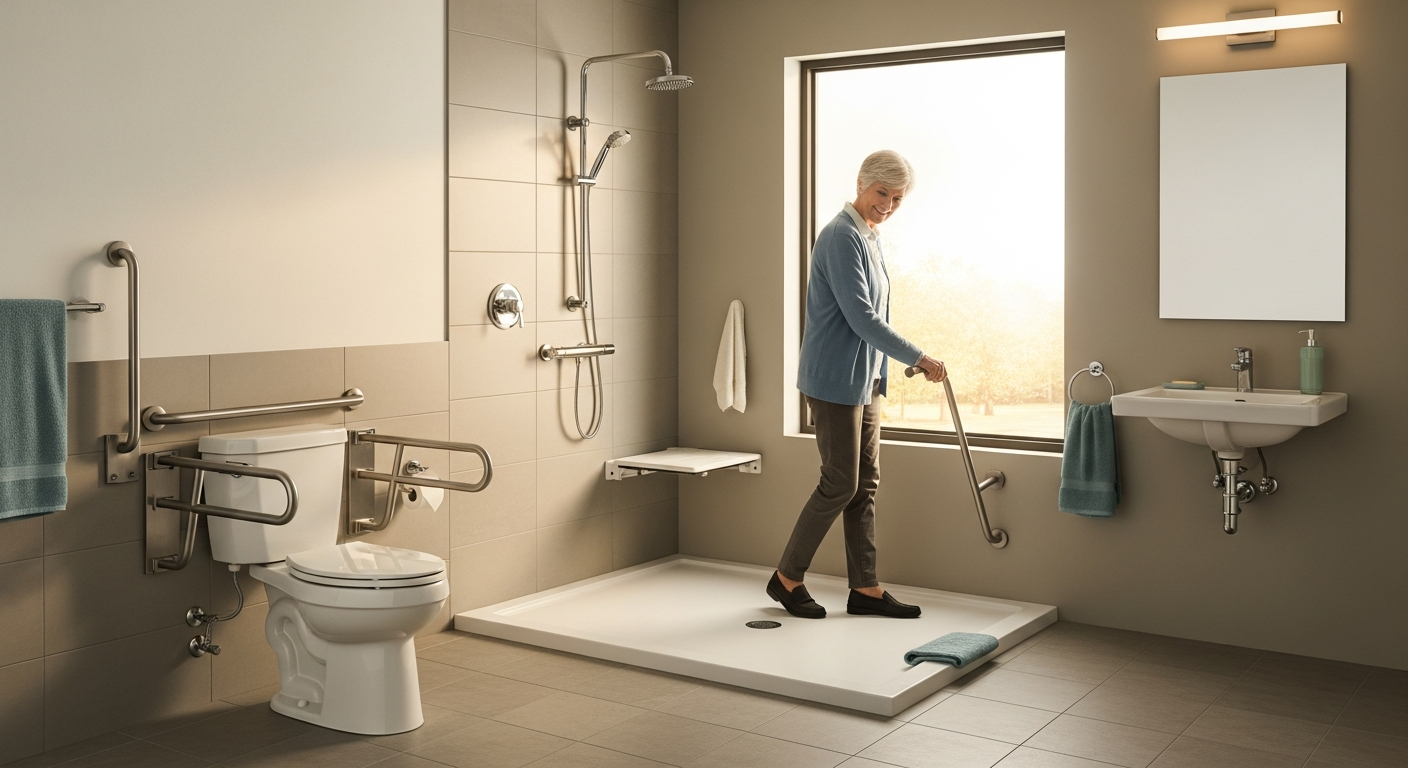
Bathroom safety represents one of the most overlooked aspects of home design, yet statistics from the CDC paint a sobering picture: approximately 1 in 4 Americans aged 65 and older experience falls in their homes each year. The bathroom, ironically, becomes a high-risk zone where standard fixtures create unnecessary hazards. Standard toilets, with their low-height seats and cramped configurations, demand physical effort that strains joints and muscles, transforming routine visits into potential accidents waiting to happen.
The American Standard Champion 4 toilet has earned its bestseller status primarily for its legendary flushing power, but its true value emerges when you're planning an aging-in-place renovation or accessible bathroom redesign. This toilet combines ADA-compliant comfort height seating, ergonomic design elements, and reliable performance—creating a practical foundation for bathrooms that support seniors, individuals with mobility limitations, and anyone prioritizing long-term accessibility. Discover how the Champion 4 can transform your bathroom into a safer, more accessible space.
Throughout this guide, you'll uncover how the Champion 4 addresses the specific needs of aging-in-place bathrooms—from its comfort height specifications to its hygienic features and installation considerations. By the end, you'll have a clear understanding of whether the Champion 4 is the right fit for your bathroom renovation project, backed by practical insights into its performance, durability, and long-term value.
Understanding Comfort Height and ADA Compliance in Toilet Design
Comfort Height Standards: Redefining Bathroom Accessibility
The difference between a standard toilet and a comfort height model might seem modest, but for aging adults and individuals with mobility challenges, it's transformative. Standard toilets typically feature a rim height of 14 to 15 inches, while the American Standard Champion 4 offers a comfort height configuration at 16.5 to 17 inches. This 2 to 3-inch difference directly reduces the physical demand required to sit down and stand up—a movement repeated multiple times daily.
For seniors with arthritis, hip replacements, knee problems, or general weakness, this additional height translates into less strain on knees, hips, and lower back. The sitting and standing motion becomes smoother, requiring less muscular effort and reducing joint stress that accumulates over time.
ADA Accessibility Requirements and Champion 4 Compliance
The Americans with Disabilities Act establishes specific accessibility standards for toilet design in public and commercial spaces, with many homeowners adopting these same guidelines for residential aging-in-place bathrooms. The Champion 4's comfort height configuration aligns with ADA specifications, ensuring that the fixture meets federally recognized accessibility benchmarks. This compliance matters beyond regulatory adherence—it signals that the toilet was engineered with universal design principles, benefiting anyone using your bathroom regardless of physical ability.
Practical Benefits for Seniors and Mobility-Challenged Users
Consider the cumulative impact over a year: reducing strain on the knees and hips with every bathroom visit prevents micro-injuries and inflammation that compound over time. Seniors report greater confidence and independence when using comfort height toilets, reducing falls and accidents that occur during vulnerable sitting-to-standing transitions. The psychological benefit of maintaining independence in the bathroom extends beyond physical safety—it preserves dignity and self-reliance that become increasingly important as we age.
Comparison with Standard Toilets: Why Height Matters
Standard toilet heights, while acceptable for younger, more mobile individuals, create unnecessary physical barriers for aging adults. A person with limited hip flexibility or knee mobility may require assistance or risk falling when using a low-toilet. Comfort height eliminates this problem by positioning the seat at a level closer to standard chair height, making the transition intuitive and safe. This single design feature reduces caregiver burden and minimizes the risk of bathroom-related accidents that constitute a significant portion of senior falls.
Installation Considerations: Ensuring Proper Fit and Function
Before purchasing the Champion 4, verify that your existing plumbing supports comfort height installation. The rough-in measurement—the distance from the wall to the center of the drain—must align with the Champion 4's specifications. Standard rough-ins measure 12 inches, which the Champion 4 typically accommodates. However, confirm your home's specific rough-in distance before ordering. Additionally, ensure adequate clearance around the toilet for safe transfers and grab bar installation, which should be strategically positioned for optimal support during sitting and standing.
The EverClean Surface and Hygiene Benefits for Vulnerable Populations
Antimicrobial Coating Technology
The Champion 4 incorporates an EverClean surface coating—an antimicrobial additive that actively inhibits bacterial growth, mold, and mildew accumulation. This innovation goes beyond standard ceramic glazes, creating a hostile environment for pathogens while reducing the organic buildup that typically requires scrubbing. For aging-in-place bathrooms where hygiene directly impacts health outcomes, this feature provides measurable protection.
Reduced Cleaning Burden for Caregivers and Users
Seniors and caregivers alike benefit from reduced cleaning demands. The EverClean coating minimizes the need for abrasive scrubbing, which can be physically taxing for older individuals and time-consuming for caregivers managing multiple responsibilities. Less frequent deep cleaning translates into safer conditions—fewer opportunities for falls caused by wet, slippery bathroom floors, and reduced exposure to harsh cleaning chemicals that pose health risks to vulnerable populations.
Odor Control Advantages
Stain and odor-causing bacteria thrive in traditional toilet bowls, requiring regular chemical treatment and deep cleaning. The EverClean surface disrupts bacterial colonization, maintaining freshness and reducing unpleasant odors that can create embarrassment for seniors or signal hygiene problems to caregivers. This antimicrobial benefit becomes increasingly valuable in bathrooms where ventilation may be limited or where extended bathroom use is necessary.
Health Implications for Aging-in-Place Bathrooms
For individuals with compromised immune systems, urinary tract infections, or other health conditions exacerbated by bacterial exposure, the EverClean surface provides tangible health protection. The antimicrobial coating reduces pathogenic burden in an area of high contact and vulnerability, supporting overall health outcomes in aging-in-place environments.
Long-Term Maintenance Savings
The financial and physical savings accumulate significantly over years of use. Fewer deep cleanings mean lower cleaning supply costs, reduced water consumption for maintenance, and less time spent on physically demanding scrubbing. For homeowners investing in aging-in-place modifications, the EverClean coating represents a value-added feature that justifies the Champion 4's mid-range pricing.
Powerful Flushing Performance for Reliable, Worry-Free Operation
70% Waste Capacity Increase Through Advanced Engineering
The American Standard Champion 4 handles significantly more waste per flush than industry-standard toilets—up to 70% more than conventional models. This exceptional capacity stems from the 4-inch accelerator flush valve and the 2.38-inch siphonic trapway, which work together to create powerful, consistent flushing action. For aging adults who may experience digestive changes or health conditions affecting bowel regularity, reliable single-flush operation prevents embarrassing situations and reduces anxiety about potential clogs.
2.38-Inch Siphonic Trapway: The Clog Prevention Advantage
The trapway—the S-shaped bend where waste exits the bowl—directly determines clogging resistance. The Champion 4's 2.38-inch diameter provides ample clearance for solid waste to pass through without obstruction, a significant advantage over standard 2-inch trapways that frequently require plunging. This engineering choice eliminates a major frustration point for aging adults who value privacy and independence.
Peace of Mind for Caregivers
Caregivers managing aging relatives or clients appreciate the reliability that eliminates emergency plumbing calls and bathroom disruptions. When a toilet clogs repeatedly, it creates stress, expense, and interruption to routines that seniors depend on for structure and dignity. The Champion 4's clog-resistant design removes this concern entirely.
Single-Flush Efficiency and Reliability
The Champion 4 completes its entire flush cycle in seconds, delivering consistent performance without requiring multiple flushes or plunger use. This reliability means users can count on the toilet functioning properly every time, reducing frustration and supporting the independence that aging adults value. Invest in the powerful, reliable flushing performance that transforms bathroom confidence.
Quiet Operation for Residential Comfort
The Champion 4's flush cycle completes quietly, without the alarming noise that startles residents or disturbs household members. For seniors who may be sensitive to sudden loud sounds or who use the bathroom during nighttime hours, the quiet operation enhances comfort and prevents unnecessary sleep disruption.
Water Efficiency and Sustainability in Modern Aging-in-Place Homes
Champion 4 Max 1.28 GPF: Leading-Edge Water Conservation
The Champion 4 Max model operates at 1.28 gallons per flush (GPF), representing significant water savings compared to older toilet models or standard 1.6 GPF configurations. For homeowners renovating bathrooms with sustainability in mind, this water-efficient option reduces environmental impact while lowering utility bills—a dual benefit that appeals to budget-conscious aging-in-place planners.
Understanding Older Model 1.6 GPF Considerations
Some Champion 4 models utilize 1.6 GPF, which still complies with current federal standards but uses more water than the newer Max version. When comparing Champion 4 options, verify the specific GPF rating, as this specification significantly affects long-term water consumption and utility costs.
EPA WaterSense Alignment and Environmental Goals
Newer Champion 4 models align with EPA WaterSense certification standards, indicating third-party verification of water efficiency. For homeowners prioritizing environmental responsibility alongside accessibility improvements, choosing a WaterSense-certified model demonstrates commitment to sustainable aging-in-place design.
Cost Savings on Utility Bills
Over a decade of use, a 1.28 GPF toilet saves tens of thousands of gallons of water compared to older 1.6 or 3.5 GPF models. For seniors on fixed incomes, this utility reduction translates into meaningful monthly savings that compound significantly over years of retirement. The financial benefit, combined with environmental stewardship, makes water-efficient models attractive for long-term home planning.
Dual-Flush Alternatives: Evaluating Maximum Efficiency
While the Champion 4 offers superior performance, dual-flush toilets provide even greater water savings for homeowners willing to learn two-button operation. However, aging adults with cognitive decline or mobility limitations may find dual-flush systems complicated. The Champion 4's straightforward single-flush operation balances water efficiency with usability—a pragmatic choice for aging-in-place bathrooms where simplicity matters.
One-Piece vs. Two-Piece Models: Which Configuration Works Best for Accessibility
One-Piece Advantages: Seamless Design and Superior Cleaning
One-piece Champion 4 models feature integrated tank and bowl construction, eliminating the seam where a separate tank connects to the bowl. This seamless design simplifies cleaning by removing crevices where bacteria and mold accumulate, directly supporting the hygiene benefits discussed earlier. For aging-in-place bathrooms prioritizing sanitation and reduced maintenance, the one-piece configuration offers tangible advantages. The integrated design also projects a sleeker, more modern aesthetic that appeals to homeowners investing in comprehensive bathroom renovations.
Two-Piece Benefits: Installation Flexibility and Affordability
Two-piece models separate the tank from the bowl, offering distinct advantages for accessibility-focused bathrooms. Installation becomes simpler because the lighter, separate components ease handling and positioning—a significant benefit if you're hiring professionals or managing the project with minimal assistance. Two-piece models typically cost less than one-piece equivalents, an important consideration for homeowners stretching renovation budgets. Additionally, if a component fails, replacing the tank or bowl individually proves more cost-effective than replacing an entire one-piece unit.
Aging-in-Place Considerations: Impact on Bathroom Layout
One-piece models project further from the wall due to integrated tank design, potentially consuming more bathroom space in already-cramped rooms. Two-piece configurations offer flexibility in spatial planning, allowing adjustment of the tank position to optimize bathroom flow and accessibility. Evaluate your specific bathroom dimensions and accessibility needs before choosing between configurations.
Space Constraints: Evaluating Dimensions and Rough-In Requirements
Measure your bathroom carefully, accounting for grab bar placement, doorway swing radius, and wheelchair accessibility if relevant. Both configurations accommodate standard 12-inch rough-ins, but verify your specific plumbing to confirm compatibility. In compact bathrooms, the two-piece model's separate components may offer strategic advantages for layout optimization.
Cost Comparison: Budget Implications of Each Model Type
Two-piece models typically cost $150–$300 less than comparable one-piece units, a meaningful difference for comprehensive bathroom renovations involving multiple fixtures and accessibility modifications. However, if long-term maintenance costs and cleaning burden influence your decision, the one-piece model's superior hygiene profile might justify the premium investment.
Installation and Compatibility Checklist for Your Aging-in-Place Bathroom
Rough-In Measurement Verification
Before committing to purchase, measure the distance from the wall to the center of your existing toilet drain. Standard rough-ins measure 12 inches; the Champion 4 accommodates this specification. Non-standard rough-ins (10 or 14 inches) require offset flanges or more extensive plumbing modifications that increase costs and complexity. Confirm your measurement twice before ordering.
Flange and Seal Requirements for Leak Prevention
Proper installation requires a functional wax ring or modern rubber seal positioned correctly between the bowl outlet and the drain flange. Inspect your existing flange for cracks or damage; if compromised, replacement prevents future leaks that damage subfloors and create hazardous conditions. A qualified plumber ensures correct seal installation, critical for preventing water damage in aging-in-place bathrooms where moisture control supports overall home health.
Ventilation Needs: Protecting the EverClean Surface
Adequate bathroom ventilation prevents moisture accumulation that undermines the EverClean coating's antimicrobial benefits. Ensure your exhaust system operates effectively, venting humidity outside rather than into attics or walls. Proper ventilation extends fixture life and supports mold prevention in the entire bathroom ecosystem.
Grab Bar Positioning: Strategic Safety Planning
Plan grab bar placement before finalizing toilet positioning. Vertical grab bars positioned 12 inches from the toilet center line and horizontal bars at 33–36 inches height provide optimal support during sitting and standing transitions. Ensure grab bars anchor into wall studs for maximum safety, and coordinate placement with the toilet's specific dimensions for seamless integration.
Professional Installation Considerations
While DIY installation is possible for experienced homeowners, aging-in-place bathrooms benefit from professional installation ensuring perfect alignment, proper seal integrity, and code compliance. A plumber confirms rough-in compatibility, installs grab bars into structural supports, and verifies that all components function correctly—peace of mind worth the service cost.
The 10-Year Warranty and Long-Term Reliability Investment
Component Coverage: Understanding Warranty Protection
American Standard typically backs the Champion 4 with a 10-year warranty covering the ceramic bowl and tank against defects in materials and workmanship. The warranty reflects manufacturer confidence in durability but carries specific limitations—it may not cover user damage, improper installation, or wear from normal use. Review the specific warranty documentation for your model to understand what protection you receive.
Durability Reputation: American Standard's Track Record
American Standard maintains a century-plus reputation for producing reliable plumbing fixtures found in millions of residential bathrooms. The Champion 4 specifically benefits from this heritage, with widespread user reports confirming consistent performance across diverse climates and water conditions. For aging-in-place investments where fixture failure creates genuine safety and dignity concerns, American Standard's proven reliability provides assurance.
Isolated Durability Concerns: Addressing Reported Issues
While the Champion 4 demonstrates strong durability overall, isolated user reports mention occasional leaks or flush valve component failures. These incidents remain uncommon, but awareness allows informed decision-making. Proper installation, routine maintenance, and prompt attention to minor issues prevent most problems from escalating into significant failures.
Maintenance Best Practices: Extending Fixture Life
Regular maintenance extends the Champion 4's lifespan beyond the warranty period. Avoid dropping heavy objects into the bowl, which can crack ceramic. Use mild cleaners compatible with the EverClean surface. Annually inspect the fill valve and flapper mechanism for signs of wear, replacing components proactively before failure occurs. These simple practices support decades of reliable operation.
Replacement Part Availability: Ensuring Future Access
The Champion 4's popularity means replacement components remain widely available through major retailers and plumbing suppliers. Flush valves, fill mechanisms, seats, and other components can be ordered and installed affordably if needed in future years. This parts availability supports long-term ownership and economic sustainability of your investment.
Pricing, Value, and Budget Considerations for Accessible Bathroom Upgrades
Mid-Range Pricing Strategy: Positioning Within Market Context
The American Standard Champion 4 occupies the mid-range pricing tier for residential toilets—above basic models but below luxury or high-end brands. Pricing varies by retailer and specific model configuration (one-piece versus two-piece, with or without seat), generally ranging to accommodate various renovation budgets. This positioning reflects the toilet's positioning as a value-conscious choice delivering premium performance.
Cost-Benefit Analysis: Performance Relative to Price Point
When evaluating the Champion 4's value, consider what you receive for your investment: clog-resistant design eliminating plunger use and emergency calls, EverClean surface reducing maintenance burden, comfort height supporting accessibility, and a 10-year warranty backing your investment. The features justify the mid-range pricing, delivering performance and durability typically reserved for significantly more expensive models.
Hidden Costs Awareness: Budgeting Beyond the Toilet
The toilet price represents only part of your investment. Budget for a compatible toilet seat (often sold separately, $50–$200 depending on features like heated seating or soft-close lids), professional installation ($100–$300), possible plumbing modifications if rough-in compatibility issues arise, and grab bars plus safety accessories ($200–$500 for quality installation). Planning for these secondary costs prevents budget surprises.
Financing Options: Payment Plans for Comprehensive Renovations
Many retailers offer financing through credit cards or home improvement lines of credit, spreading renovation costs across manageable monthly payments. For seniors on fixed incomes undertaking significant aging-in-place modifications, these financing options support immediate safety improvements without depleting emergency savings.
Comparing Value Across Brands: Why Champion 4 Delivers Strong ROI
While premium brands offer luxury features and economy models provide basic function, the Champion 4 delivers the specific features aging-in-place bathrooms require—powerful flushing, accessibility compliance, hygiene features, and reliability—at a price point accessible to most homeowners. For long-term value supporting independence and safety, the Champion 4 consistently outperforms competitor offerings in its pricing category.
Real-World Applications: Champion 4 in Senior-Focused Bathroom Designs
Case Study Approach: Benefits in Aging-in-Place Contexts
Consider a typical aging-in-place bathroom renovation: a 68-year-old homeowner with mild arthritis requires a toilet supporting comfort and independence. The Champion 4's comfort height eliminates the physical strain of using a standard toilet. The EverClean surface simplifies maintenance for someone with limited mobility. The clog-resistant design provides peace of mind and eliminates embarrassing situations. The 10-year warranty assures long-term reliability supporting decades of aging in place. These combined factors make the Champion 4 the logical choice for accessible bathroom upgrades.
Universal Design Principles: Integration into Holistic Spaces
Aging-in-place bathrooms transcend individual fixtures, incorporating universal design principles benefiting users of all ages and abilities. The Champion 4 serves as an anchor fixture in this ecosystem—its comfort height coordinates with raised sinks and vanities, its accessible positioning accommodates grab bar placement, and its reliable function supports the routines aging adults depend on for structure and dignity.
Companion Fixtures: Creating Integrated Accessible Systems
Position the Champion 4 alongside complementary accessibility features: grab bars for transfer support, non-slip flooring for fall prevention, raised sinks reducing bending strain, accessible storage within reach, and adequate lighting for safe navigation. These elements working together create bathrooms genuinely supporting aging in place rather than merely accommodating it.
Caregiver Considerations: Impact on Care Providers
For families managing aging relatives, the Champion 4 reduces caregiver burden significantly. The clog-resistant design eliminates emergency calls to plumbers. The EverClean surface reduces deep cleaning demands. The comfortable height makes assisting with toileting easier and safer for both caregiver and resident. The quiet operation respects privacy and dignity during intimate care situations. These practical benefits make the Champion 4 valuable not just to aging users but to their families supporting them.
Future-Proofing Your Bathroom: Selecting for Long-Term Aging
When retrofitting bathrooms for aging in place, select fixtures engineered for durability and reliability supporting decades of use. The Champion 4's proven performance, manufacturer warranty, and parts availability provide confidence that your investment will support your needs through advancing age. This forward-looking perspective transforms bathroom renovation from problem-solving into strategic life planning.
Beyond the Toilet: Creating a Fully Accessible Bathroom Ecosystem
Grab Bar Placement and Safety Standards
Strategic grab bar installation directly impacts bathroom safety and dignity. Position vertical bars 12 inches from toilet centerline and horizontal bars at 33–36 inches height, anchoring firmly into wall studs to support the weight of someone pulling themselves upright. Additional bars beside the tub and shower, near sinks, and along walls create movement paths supporting safe navigation throughout the bathroom. Professional installation ensures correct anchoring and compliance with ADA standards.
Flooring Materials: Non-Slip Surfaces for Wet Conditions
Replace slippery tile or stone flooring with textured, non-slip surfaces like matte-finish tile with grip texture, cork, or rubber compounds. Wet bathroom floors represent a primary fall hazard for aging adults; proper flooring selection reduces accident risk dramatically. Choose materials easy to clean and maintain—important for individuals with limited mobility managing bathroom care independently.
Lighting and Visibility: Illuminating Safe Navigation
Adequate bathroom lighting supports safe toilet use, especially for seniors with vision changes or those using the bathroom during nighttime hours. Install bright, flicker-free lighting at the toilet area and along pathways. Consider motion-activated nightlights providing gentle illumination during nighttime bathroom visits, reducing fall risk from darkness or unfamiliar movement.
Ventilation Systems: Managing Moisture for Long-Term Health
Bathroom humidity undermines the EverClean surface's antimicrobial benefits and promotes mold growth throughout the space. Install or upgrade exhaust systems venting moisture outside, running during and for 20–30 minutes after showers or baths. Proper ventilation protects the entire bathroom ecosystem, extending fixture life and supporting the health of aging occupants.
Sink and Vanity Height Coordination: Ergonomic Flow
Coordinate sink and vanity height with toilet height to create ergonomic consistency throughout the bathroom. Raised sinks at 34–36 inches accommodate the comfort height toilet, reducing bending strain during hand washing and personal hygiene. This attention to proportional design transforms bathrooms from disconnected fixtures into integrated spaces supporting efficient, comfortable routines.
The Champion 4 Difference: Aging in Place with Confidence and Dignity
The American Standard Champion 4 transcends the typical bathroom fixture when you're planning an aging-in-place renovation. Its comfort height design, ADA compliance, and powerful flushing system address the genuine safety and dignity concerns that matter most to seniors and their families. The EverClean surface keeps maintenance manageable, while the 10-year warranty reflects a manufacturer's confidence in long-term reliability.
What truly sets the Champion 4 apart is its ability to deliver performance without compromise—you're not sacrificing flushing power for accessibility or choosing between hygiene and budget. Instead, you're investing in a toilet engineered to support independence, reduce caregiver burden, and provide the peace of mind that comes with a fixture designed to work reliably, day after day.
Your aging-in-place bathroom should reflect your commitment to maintaining independence, safety, and dignity at every life stage. The Champion 4 provides the foundation for that commitment. Start by measuring your rough-in distance and exploring the one-piece versus two-piece options that best fit your space. Consult with a plumber to confirm compatibility with your existing plumbing, then pair your Champion 4 selection with complementary safety features like grab bars and non-slip flooring. Begin your aging-in-place bathroom transformation with the Champion 4 toilet—engineered for independence and built to last.
Leave a Reply