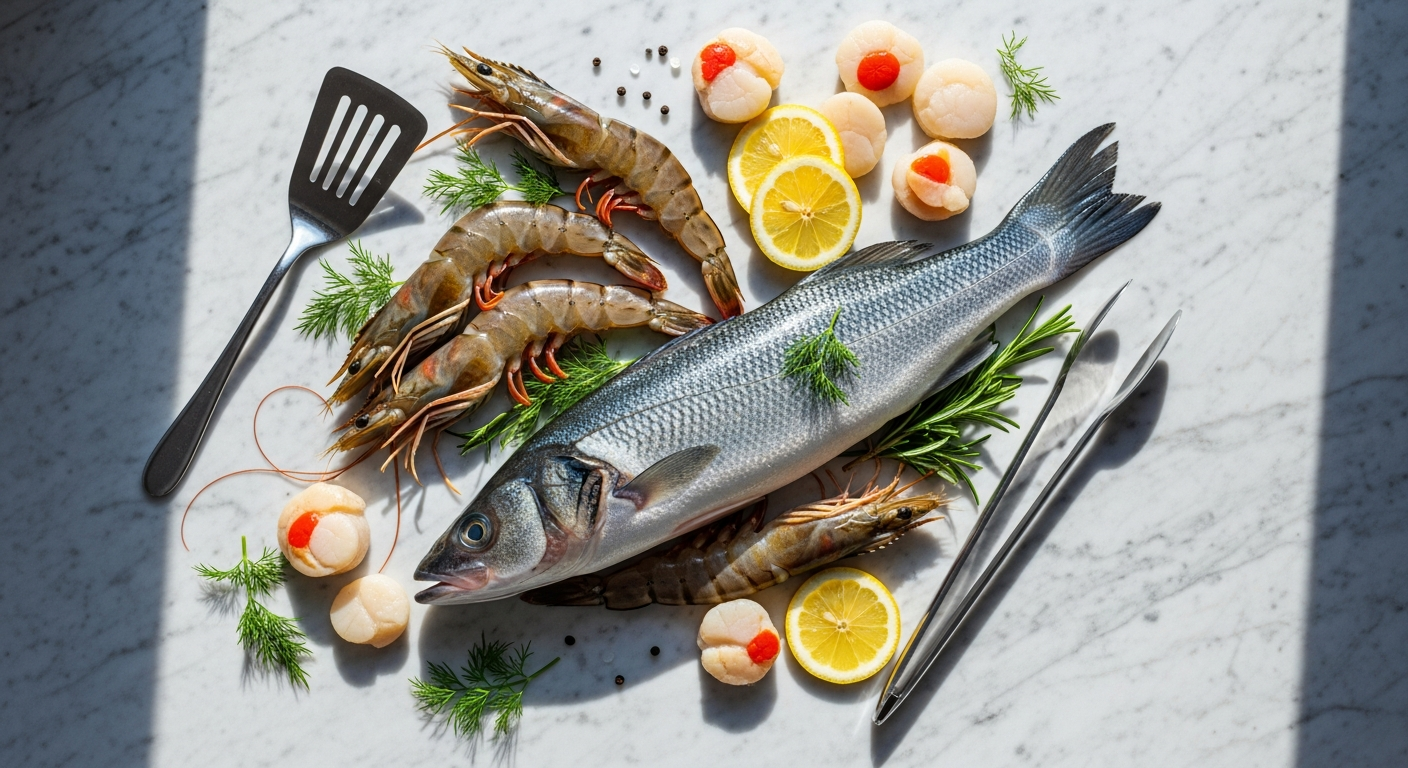
Most home cooks have never experienced truly fresh seafood. The gulf between what you find wrapped in plastic at a conventional grocery store and fish that arrived just hours from the ocean is dramatic. The color is brighter, the texture firmer, the flavor incomparably cleaner. When you work with Citarella's dockside-fresh offerings, your entire approach to seafood cooking shifts.
For over a century, Citarella has been New York's premier seafood authority. Owner Joe Gurrera brings four decades of personal expertise to every decision, building relationships with trusted suppliers and personally overseeing which catches make it to the counter. Every oyster, filet, and crustacean meets uncompromising standards for quality and freshness that simply don't exist in conventional supermarkets.
Discover how Citarella's pristine fresh seafood can elevate your home cooking today.
This guide walks you through everything needed to prepare Citarella's exceptional selections at home. You'll learn which cuts work best for specific cooking methods, techniques that preserve quality, ready-to-cook options that simplify meal prep, and how nationwide shipping opens doors to restaurant-caliber dining in your own kitchen.
Understanding Dockside-Fresh Seafood: What Sets Citarella Apart
What dockside fresh truly means and why it matters for flavor and texture
Dockside fresh means seafood arrives just hours out of the water, never frozen. This distinction fundamentally changes the product. Fish begins deteriorating the moment it's caught, but immediate processing and refrigeration at precise temperatures slows this natural process dramatically. The flesh remains firm, the color stays vibrant, and the delicate flavors remain intact. When you cook with dockside-fresh seafood, you're capturing the ocean's essence at its peak.
The flavor difference is pronounced. Frozen fish undergoes cellular damage as ice crystals form, breaking down muscle structure. When thawed, this damage becomes apparent in the texture—mushy fillets, separated flesh, and diminished taste. Dockside-fresh fish, kept at perfect temperature without freezing, maintains its natural juices, firm texture, and subtle complexity that defines excellent seafood cooking.
The difference between never-frozen seafood and previously frozen alternatives
Citarella's commitment to never-frozen seafood represents a significant operational challenge. Maintaining the cold chain from boat to kitchen demands sophisticated logistics, premium equipment, and expert handling at every stage. Previously frozen seafood, common in most retailers, costs less to store and distribute but sacrifices quality in the process.
The textural difference becomes obvious when cooking. Never-frozen fish sears beautifully, developing a golden crust while maintaining a moist interior. Previously frozen fish often releases excess moisture during cooking, becoming dry or developing an uneven texture. Raw preparations like sashimi or crudo demand never-frozen fish—freezing is actually required by law for raw fish in many places, but Citarella's never-frozen option offers superior results for those preparations anyway.
How Citarella's hand-selection process ensures superior quality at every stage
Citarella employs skilled fishmongers who hand-select each piece of seafood based on strict quality criteria. These aren't entry-level staff following a checklist; these are experienced professionals with years of training in evaluating fish. They examine color, check for firmness, smell for the faint ocean aroma that indicates freshness, and assess skin clarity in whole fish.
This personal attention extends through preparation. Hand-cutting fillets allows fishmongers to work around any minor imperfections, maximize usable meat, and cut to exact specifications matching your cooking plans. Hand-shucking oysters and clams preserves the delicate meat intact. Hand-preparing each item means your seafood arrives ready for cooking, with no guesswork about quality or consistency.
The role of expert fishmongers in preparing fish for optimal home cooking
Expert fishmongers understand how different cooking methods interact with various fish species. They know which fillets benefit from skin-on preparation, which steaks should be cut thicker for grilling, and how to prepare whole fish for roasting with the backbone intact. This knowledge transfers directly to your kitchen through their recommendations and preparation choices.
When you order from Citarella, you're accessing decades of accumulated expertise. The fishmonger considers your cooking method, skill level, and desired outcome, then prepares your seafood accordingly. A fillet destined for pan-searing receives different preparation than one intended for poaching. This attention to purpose elevates your cooking results before you ever step into the kitchen.
Building Your Seafood Kitchen: Essential Tools and Preparation
Must-have equipment for handling whole fish, fillets, and shellfish
A quality fish knife—thin-bladed, flexible, and sharp—is essential. Unlike chef's knives, fish knives follow the natural contours of fish, allowing clean cuts through delicate flesh without crushing cells. A length of eight to ten inches suits most home cooking needs.
Invest in a reliable instant-read thermometer for precision cooking. Seafood overcooks quickly; knowing the exact moment your fish reaches optimal temperature prevents disappointment. A sturdy cutting board dedicated to seafood prevents cross-contamination and maintains its surface quality. Many home cooks appreciate boards with a groove around the edge to contain liquids.
Shucking oysters and clams requires a proper oyster knife—short, sturdy, with a rounded blade. These differ significantly from kitchen knives and make the task substantially safer and more efficient. A good pair of needle-nose pliers helps remove small bones from fillets. Heavy-bottomed stainless steel or cast iron pans conduct heat evenly and develop superior sears on fish. A fish spatula, wider and more flexible than standard versions, safely handles delicate fillets without tearing.
Proper storage techniques to maintain Citarella's pristine quality after delivery
Upon arrival, remove seafood from packaging immediately. The insulation that protected it during shipping traps heat once it reaches your kitchen. Transfer seafood to the coldest part of your refrigerator—typically the back of the bottom shelf where temperature remains most consistent.
Store whole fish and fillets on ice when possible. Create a simple ice bath by placing a shallow pan lined with plastic wrap in the coldest section of your refrigerator, fill with ice, and nestle seafood in a smaller container on top. This maintains optimal temperature and prevents direct contact between melting ice and the flesh. Change ice daily if storing for more than one day.
Shellfish like oysters, clams, and mussels should be stored in their original container or transferred to a shallow bowl covered loosely with a damp towel. They remain alive and need air circulation. Lobsters and crabs store best in the coldest section, wrapped loosely in damp newspaper or seaweed. Never store any seafood directly in fresh water.
Temperature control and timing strategies for maximum freshness
Seafood deteriorates rapidly at room temperature. Remove it from refrigeration only immediately before cooking. This means prep work happens after you've removed the seafood from cold storage, not before. Mise en place—preparing all other ingredients beforehand—ensures you can cook immediately.
Most home refrigerators maintain around 35-38°F. Seafood actually prefers 32-34°F, so use the coldest available location. Check that your refrigerator maintains proper temperature with an inexpensive thermometer. If cooking within hours of delivery, keeping seafood in the coldest area is sufficient. For longer storage (up to two days), the ice bath method extends freshness noticeably.
Temperature also matters during cooking. Bringing seafood to room temperature before cooking sounds counterintuitive but actually promotes even cooking. Remove from refrigeration 15-20 minutes before cooking, though keep it covered to prevent oxidation and maintain safety. This brief acclimation allows interior and exterior to cook at similar rates, preventing overcooked edges and undercooked centers.
Knife skills and cutting techniques for different seafood varieties
Filleting whole fish requires a sharp fish knife and proper technique. Place the fish on a cutting board with the backbone facing you. Make an angled cut behind the gills, following the bone structure. Turn the knife flat and cut along the backbone from head to tail, using smooth strokes that follow the rib cage. Practice on inexpensive fish first; skilled filleting becomes intuitive with repetition.
For thick fish steaks, a clean perpendicular cut through the backbone creates uniform thickness. Cut steaks to your desired thickness—typically three-quarters inch to one inch for grilling. Thicker steaks cook more evenly and resist overcooking better than thin ones.
Shrimp preparation depends on the recipe. Butterfly shrimp by cutting through the back without completely separating the halves, creating a shell-open shape that cooks quickly and evenly. For shrimp salads or cocktails, devein from the back without opening, leaving the protective shell intact. Pin bones in salmon and some other fish should be removed with tweezers or needle-nose pliers, pulling at a slight angle following the bone's direction.
Cooking Techniques That Honor Premium Ingredients
Pan-searing methods for delicate white fish and sustainable catches
Pan-searing is arguably the finest cooking method for premium fish fillets. High heat creates a golden crust through the Maillard reaction while the interior remains tender and moist. Pat fish completely dry before cooking; moisture prevents proper browning. Season with salt and pepper just before entering the pan.
Use clarified butter or high-heat oil—neutral oils like avocado or grapeseed oil work well. Heat the pan until it's almost smoking, then add oil and immediately place fish skin-side down. The initial sizzle shouldn't be timid; proper heat creates the crust that protects the delicate flesh beneath. Resist the urge to move the fish; let it develop that golden surface for two to three minutes. Flip gently and finish cooking for another minute or two, depending on thickness.
The beauty of premium fish is that simple technique suffices. No complicated sauces or heavy preparations mask mediocre ingredients, nor are they necessary here. A squeeze of lemon, perhaps some brown butter and capers, allows the fish's natural flavor to shine. Timing is everything; overcooking premium fish by even thirty seconds is immediately apparent. The fish's interior should be just opaque and barely flaking, never dry.
Grilling whole fish and steaks while preserving moisture and flavor
Whole fish on the grill creates theater and delivers exceptional results. Oil the grates well and preheat until quite hot. Prepare the fish by cleaning the cavity, patting dry, and stuffing with herbs and lemon if desired. Oil the exterior lightly and season generously with salt and pepper.
Place the fish perpendicular to the grates so it doesn't fall through. Resist moving it frequently; let the grill develop a crust. Depending on size, whole fish takes 10-15 minutes total. Check doneness by inserting a knife through the thickest part at the shoulder; the flesh should flake easily and appear opaque.
Fish steaks benefit from similar treatment. A one-inch-thick steak grills beautifully in four to five minutes per side over medium-high heat. Create a crust without burning the exterior. For particularly valuable steaks, consider using a fish basket or double-sided grilling basket to prevent sticking and allow easier turning. The slight char that develops on grilled fish complements its natural flavors perfectly.
Steaming and poaching techniques for oysters, clams, and mussels
Steaming represents the gentlest cooking method for delicate shellfish. Bring a shallow liquid to a boil—white wine, broth, or salted water—and arrange shellfish in a single layer over the steamer basket. Cover and steam until shells open, typically five to ten minutes depending on size. Discard any shells that refuse to open.
Poaching involves simmering shellfish gently in liquid without steam pressure. This method allows for more nuanced flavoring through the cooking liquid. A combination of white wine, shallots, and herbs creates an exceptional poaching medium. The shellfish cooks gently at a bare simmer, becoming tender without the tough rubbery texture that results from overcooking.
Both methods preserve the delicate briny flavor and tender texture of premium shellfish. The cooking liquid becomes a sauce when reduced slightly, capturing the essence of the shellfish and wine. Serve shellfish immediately after cooking, while still warm and at peak texture. Reheating diminishes their appeal, so timing these dishes to serve straight from pot to table is important.
Raw preparations: sashimi, ceviche, and crudo with pristine fish
Raw preparations demand the freshest possible fish. Citarella's never-frozen seafood makes exceptional sashimi and crudo. Select fish designated as sashimi-grade if possible—this typically indicates the catch was handled with raw consumption in mind from the moment it left the water.
For sashimi, use an extremely sharp knife—a yanagi (sashimi knife) is traditional but a sharp fish knife works. Slice against the grain at a slight angle, creating pieces that are translucent and tender. Serve immediately with wasabi and soy sauce, allowing the fish's clean flavor to dominate.
Crudo involves thin-slicing raw fish and dressing it simply with oil, acid, and salt. The fish's natural brininess pairs beautifully with lemon juice, quality olive oil, and fleur de sel. Ceviche cooks the fish using acid rather than heat; cubed fish marinates in citrus juice, which denatures the proteins similarly to heat cooking. After 20-30 minutes, the fish becomes opaque and develops a cooked texture while tasting bright and fresh.
These preparations showcase premium fish at its finest. The absence of cooking technique means the ingredient's quality becomes unmissable. Citarella's pristine catches shine in these preparations.
Navigating Citarella's Extensive Selection for Home Cooking
Whole fish options and which varieties suit beginner versus advanced cooks
Whole fish intimidates many home cooks, yet some varieties prove quite approachable. Small whole fish like branzino or porgy (each around one pound) cook quickly and simply, developing crispy skin while the interior stays moist. These small fish suit beginners because cooking time is short and failure nearly impossible.
Larger whole fish like striped bass or salmon (three to five pounds) offer more meat and dramatic presentation. These require more skill for filleting beforehand or more confidence cooking whole. The payoff is impressive: a whole roasted fish becomes the centerpiece of any dinner.
Experienced cooks appreciate unusual varieties like dorade, turbot, or halibut—fish with distinctive flavors and textures that reward careful preparation. Citarella's fishmongers recommend appropriate fish for your skill level and cooking method, making selection much easier.
Filet and steak cuts: choosing the right thickness and preparation style
Fillets range from paper-thin (flounder, sole) to thick and meaty (salmon, swordfish). Thin fillets cook in mere minutes and suit delicate preparations like poaching or gentle steaming. Thicker fillets develop better sears and handle grilling without falling apart.
For pan-searing, request fillets around three-quarters inch thick. This thickness develops a golden crust while the interior remains moist. Thinner fillets risk drying before browning properly. Thicker fillets (one to one-and-a-half inches) grill beautifully and can handle robust preparations.
Steaks cut perpendicular to the backbone include both sides of the fish, often with a small section of backbone visible. This natural structure provides strength that prevents the steak from falling apart during cooking. Steaks suit grilling and pan-searing exceptionally well.
Oyster varieties and shucking techniques for raw bar experiences at home
Citarella sources oysters from locations including Long Island, each bringing unique characteristics. Eastern oysters vary widely based on their specific growing waters. Some are brinier, others creamier. Exploring different oyster varieties becomes a fascinating culinary journey.
Shucking requires a proper oyster knife, a bowl to catch the liquid (called liquor), and practice. Hold the oyster in a towel with the hinge toward you. Insert the knife into the hinge with a slight twisting motion. Once you feel it pop, run the knife along the top shell to sever the muscle. Serve immediately on ice with mignonette sauce (vinegar, shallots, pepper) or simply with lemon.
Raw oysters showcase the terroir of their origin just as wine does. Serve them cold, on ice, with minimal accompaniment to allow their briny flavor to speak. Hosting an oyster tasting becomes elegant and simple when sourcing from Citarella.
Shrimp, lobster, and crustaceans: sizing and cooking time considerations
Shrimp sizing runs from tiny (60+ per pound) to jumbo (under 15 per pound). Larger shrimp stay juicier during cooking and prove easier to devein. Medium shrimp (26-30 per pound) balance size and economy well. Shrimp cook in minutes—typically 2-3 minutes once water returns to a boil. Overcooked shrimp becomes tough and loses its sweetness.
Lobsters offer several options: whole live lobsters for boiling or grilling, lobster tails for simpler preparations, or live lobster meat for premium raw preparations. A 1.25-pound lobster feeds one person generously. Boil for approximately 12-15 minutes, or grill halved lobsters cut-side down for 5-6 minutes until the meat becomes opaque.
Live lobsters deteriorate once killed, so purchase only one or two days before cooking. Store in the coldest section of the refrigerator wrapped loosely in damp newspaper. Soft shell crabs, available seasonally, cook whole in minutes with just a quick sauté in butter.
Citarella's Ready-to-Cook Seafood Kits: Convenience Without Compromise
How expertly curated kits eliminate guesswork and prep time
Ready-to-cook kits represent a brilliant solution for home cooks seeking gourmet results without extensive planning. Citarella's culinary team designs these kits to include everything needed for a specific dish: properly portioned seafood, complementary ingredients, and detailed preparation instructions. This removes the anxiety of sourcing compatible components and ensures balanced flavors.
The kits arrive with components partially prepared, reducing active cooking time significantly. Rather than spending an hour on mise en place, you spend 15 minutes assembling ingredients that are already processed. Cooking becomes simpler and faster, yet results appear and taste restaurant-quality.
What's included in signature seafood kits and portion sizing
Typical kits include premium seafood (whole fish, fillets, or shellfish), complementary proteins or vegetables, aromatics, and finishing elements. A lobster tail kit might include butter sauce, fresh herbs, and instructions for perfect cooking. A whole fish kit includes the fish, aromatics for the cavity, and a finishing sauce. Portion sizing matches the kit's serving count; a kit for two provides appropriate amounts for that number.
These aren't the lean, unsatisfying portions common in many meal kits. Citarella treats portions generously, reflecting its gourmet market positioning. You receive restaurant-caliber quantities of premium ingredients.
Time-saving benefits for busy home cooks seeking gourmet results
The beauty of ready-to-cook kits lies in their flexibility. On nights when time is limited, these kits make restaurant-quality dinners achievable in 30-45 minutes. Weekend entertaining becomes less stressful when Citarella handles the sourcing and initial preparation.
The psychological benefit matters too. These kits lower the intimidation factor of cooking with premium ingredients. Having everything organized and portioned removes decision paralysis. You're simply following proven instructions with exceptional components.
Price-to-value analysis of pre-prepared versus whole seafood options
Pre-prepared kits cost slightly more than sourcing ingredients separately, but this premium reflects the value of curated sourcing, measured portions, and guaranteed compatibility. You're paying for someone else's expertise and planning, which has real value for busy cooks.
Compared to restaurant dining—which delivers similar quality and convenience—these kits represent remarkable value. A gourmet seafood dinner for two costs less through Citarella's kits than a single person's restaurant meal. The quality rivals what you'd experience at upscale establishments.
Nationwide Shipping: Accessing Premium Seafood Beyond New York
How Citarella's shipping process maintains dockside freshness across regions
Citarella has perfected the logistics of shipping pristine seafood across the country. The process begins with careful packaging that prioritizes temperature maintenance. Seafood is packed in insulated boxes with ice or frozen gel packs, chosen based on shipping distance and expected weather conditions.
The company has established relationships with reliable overnight and expedited shipping carriers. This speed is crucial—the longer seafood travels, the more degradation occurs. Overnight shipping means your order arrives within 24 hours of packing, maintaining quality through the journey.
Strategic shipping timing ensures deliveries occur during business hours in your location, preventing packages from sitting in delivery vehicles overnight or over weekends. Citarella considers temperature projections during shipping, adjusting insulation and ice amounts based on seasonal conditions.
Packaging and insulation techniques that protect premium ingredients
Heavy-duty insulated boxes with multiple layers of foam board protect contents from temperature fluctuation. The ice or frozen gel packs are carefully positioned to surround but not directly touch the seafood, which would damage delicate flesh. Often a layer of paper towels or bubble wrap separates the seafood from ice.
When the box arrives at your home, the insulation has done its job. Contrary to what many assume, excellent seafood can't survive a poorly insulated shipment. The insulation technology Citarella uses ensures the contents remain at proper temperature despite being locked in a box for 24 hours.
Delivery timelines and what to expect when your order arrives
Orders typically ship overnight, arriving the following business day. When your box arrives, open it immediately. You'll notice the weight—quality insulation and protective materials add density to the package. Inside, you'll find your seafood in the same pristine condition as if you'd purchased it directly from the market.
The insulation remains cold, often still partially icy, demonstrating the effectiveness of the shipping process. Transfer seafood to your refrigerator immediately and store as you would any fresh purchase. Most shipped seafood remains optimal for two to three days with proper storage.
Building relationships with Citarella's team for consistent quality
Citarella's customer service supports ongoing relationships, not one-time transactions. Speaking with the team about your cooking preferences, dietary restrictions, or favorite preparations helps them curate future recommendations. Over time, they understand your needs and can suggest new varieties or preparations you'd enjoy.
This personal touch distinguishes Citarella from impersonal online retailers. You're building a relationship with knowledgeable professionals who appreciate fine food as much as you do. Repeat customers benefit from this familiarity through better sourcing advice and personalized recommendations.
The Citarella Difference: Your Gateway to Elevated Home Cooking
Cooking with Citarella's pristine fresh seafood fundamentally changes what's possible in your kitchen. The quality speaks for itself the moment your order arrives—the color, aroma, and texture all signal that you're working with something genuinely exceptional. Bright flesh, clean ocean smell, and firm texture are immediate indicators that these aren't ordinary ingredients.
Premium ingredients don't require complicated techniques; they simply demand respect and proper handling. Joe Gurrera's decades of expertise and personal sourcing relationships mean you're tapping into generations of knowledge about sustainable catches and uncompromising standards. Every relationship with a supplier, every selection decision, every hand-preparation detail reflects his commitment to excellence.
Whether preparing a simple pan-seared filet on a Tuesday night or hosting an impressive dinner party with whole roasted fish, Citarella's selection empowers you to achieve restaurant-quality results. The selection breadth means you can source everything from everyday staples to unusual delicacies that expand your culinary horizons.
Nationwide shipping has democratized access to New York's seafood authority. You no longer need to live in Manhattan to experience dockside-fresh quality. The insulation technology and logistics expertise ensure your order arrives as pristine as it left the market, regardless of your location.
Start with a single order and discover how pristine seafood transforms your cooking. Perhaps try a simple preparation first—pan-seared halibut with lemon, or whole roasted branzino—allowing the ingredient to shine without technique complications. Then explore further, trying new varieties and cooking methods. Begin your Citarella journey and experience the difference that truly fresh seafood brings to your table.
Leave a Reply