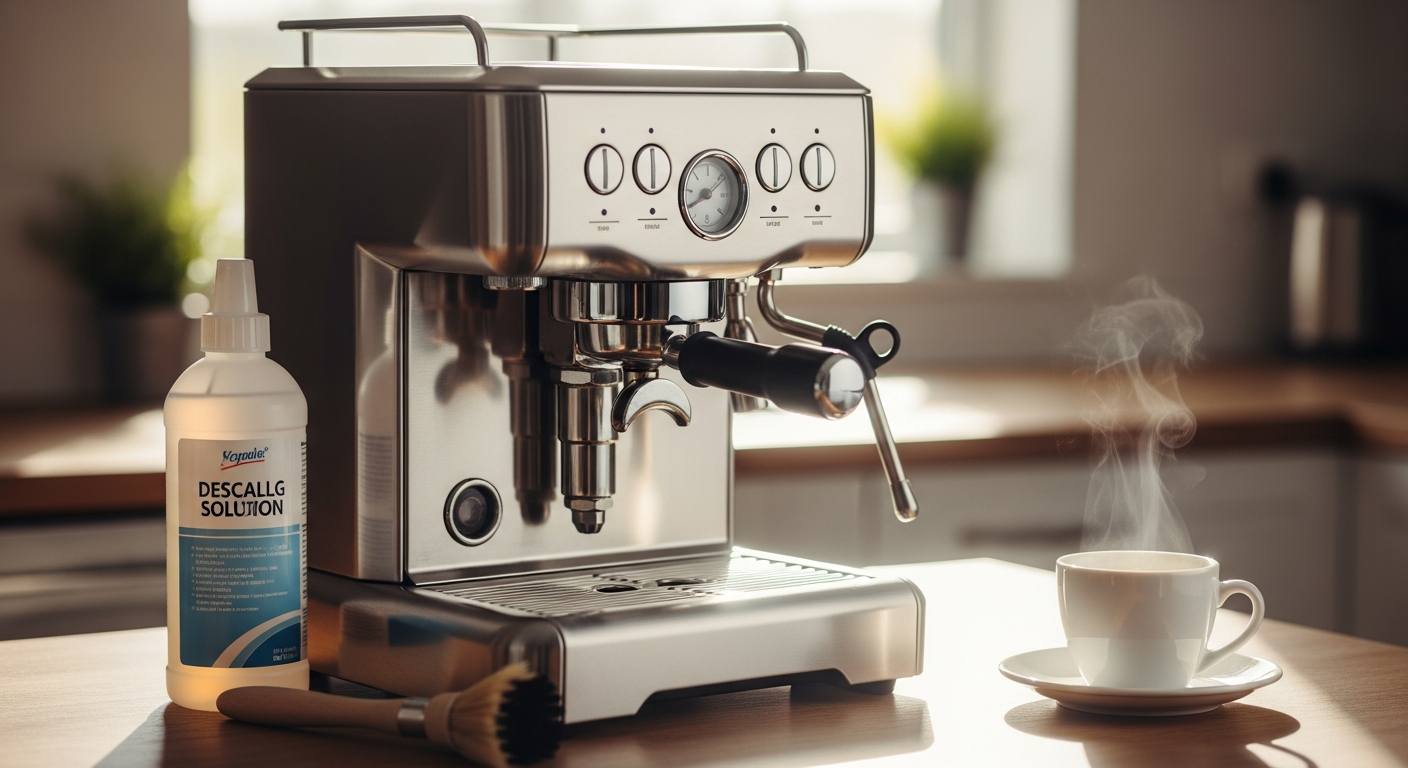
Did you know that mineral deposits and coffee oil buildup can reduce your coffee machine’s lifespan by up to 40%? Most coffee lovers never realize their machine’s declining performance isn’t due to age—it’s the result of preventable limescale accumulation and stubborn residue. A universal coffee machine descaling and cleaning solution addresses what every coffee enthusiast faces: the constant battle against limescale and coffee oils that silently damage internal components.
Whether you own a fully automatic espresso machine or a simple drip brewer, these dedicated solutions work across all brands and models. The real issue isn’t that your machine is getting old; it’s that invisible enemies are attacking it from within. Understanding how these contaminants form is the first step toward protecting your investment.
Discover the right universal descaling solution for your machine today.
How Mineral Deposits Form Inside Heating Elements and Water Pipes Over Time
Every time water passes through your coffee machine, it leaves behind trace minerals. These deposits accumulate gradually on heating elements, water pipes, and internal valves. Hard water accelerates this process significantly—regions with higher mineral content in tap water see accelerated buildup. Over months and years, these deposits transform from microscopic particles into visible, stubborn crusts that restrict water flow.
The Connection Between Limescale Buildup and Reduced Water Flow, Temperature Inconsistency, and Poor Extraction
Limescale narrows water passages and forces your machine to work harder. The heating element becomes less efficient, struggling to maintain consistent temperature. This directly affects extraction—water may rush through grounds too quickly or flow too slowly, resulting in weak, bitter, or inconsistent coffee. Your machine’s brewing quality degrades gradually, so you might not notice the decline until the problem becomes severe.
Why Coffee Oils Accumulate in Brewing Units, Spouts, and Filters—and How They Create Rancid Flavors
Coffee oils are heavier than water and stick to surfaces. They coat brewing chambers, spouts, and filters, creating a waxy layer that traps old coffee residue. Over time, these oils oxidize and turn rancid, tainting every cup. The problem worsens as deposits build upon deposits, creating environments where bacteria can flourish in the accumulated grime.
The Impact of Neglected Maintenance on Machine Efficiency and Longevity
Machines forced to work around limescale and oil buildup experience accelerated wear. Pumps strain harder, seals degrade faster, and electronics work overtime compensating for reduced efficiency. A properly maintained machine can last 7-10 years; neglected machines often fail in 3-4 years. The difference between regular maintenance and neglect isn’t subtle—it’s measurable in years.
Real-World Consequences: Blockages, Malfunctions, and Costly Repair Bills
Blockages prevent water from reaching the group head or heating chamber. Malfunctions multiply: pumps fail, valves jam, thermostats malfunction. Repair costs for internal component replacement often exceed €200-€500. A single descaling solution that costs €15 prevents thousands in repair bills and premature replacement.
How Hard Water Accelerates Mineral Deposit Formation
Your tap water’s mineral content determines how quickly limescale forms. Regions with hard water see deposits forming in weeks rather than months. If you live in an area with hard water, your maintenance schedule needs to be more aggressive. Testing your water hardness reveals exactly how often you should descale.
The Difference Between Surface-Level Buildup and Deep Internal Contamination
Surface deposits are visible and relatively easy to remove. Deep internal contamination affects hidden components: internal water lines, the heating element’s core, valve passages. This deep buildup is precisely why you need a proper descaling solution—regular rinsing alone won’t reach these areas.
What Makes a Universal Descaling Solution Actually Work
Not all cleaning products are created equal. The best universal descaling solutions combine multiple qualities: they dissolve mineral deposits without damaging machine components, break down coffee oils simultaneously, and leave no chemical aftertaste. Understanding what separates effective products from gimmicks helps you make a smart purchase.
Powerful Yet Safe Formulas That Dissolve Mineral Deposits Without Damaging Machine Components
Effective descaling solutions use weak acids that target mineral deposits while remaining safe for seals, gaskets, and internal plastics. They’re calibrated to dissolve limescale at rates that don’t damage delicate machine parts. Inferior products use overly aggressive formulas that corrode seals or react poorly with stainless steel.
Biodegradable and Odorless Compositions That Prevent Chemical Aftertaste in Your Coffee
Modern quality solutions break down naturally after use, posing no environmental harm. They’re formulated to be completely odorless, so no chemical smell lingers in your machine or affects your coffee’s flavor. This matters more than many realize—cheap solutions sometimes leave detectable chemical notes in subsequent brews.
Dual-Action Cleaning: Mineral Dissolution and Coffee Oil Breakdown Simultaneously
Superior solutions address both enemies at once. They dissolve limescale while breaking apart the molecular bonds of coffee oils. Single-action products only target one problem, leaving the other to compound. Dual-action formulas work synergistically to restore your machine comprehensively.
Available Formats: Liquid Concentrates vs. Tablet Solutions vs. Powder Detergents
Liquid concentrates offer precise measurement and fast dissolution. Tablets provide consistent dosing and convenient storage. Powder detergents like Coffee Clean (available in 900g packaging) offer bulk savings for frequent users. Each format has distinct advantages depending on your lifestyle and preferences.
Typical Sizes and Packaging Options (Sachets, 250ml-500ml Bottles, 6-10 Tablet Packs)
Single-use sachets suit occasional users who descale infrequently. Larger 250ml-500ml bottles provide better value for regular maintenance. Tablet packs in 6-10 quantities balance convenience with economy. Powder detergents come in larger packaging designed for long-term storage and repeated use.
Concentration Levels and Their Impact on Effectiveness and Dilution Requirements
Concentration determines how much you dilute with water. Highly concentrated solutions require careful measurement but offer extended product life. Pre-diluted solutions are ready-to-use but cost more per descaling cycle. Understanding your product’s concentration ensures you achieve optimal cleaning power.
Safety Certifications and Eco-Friendly Credentials to Look For
Quality products carry certifications from regulatory bodies. Eco-friendly credentials indicate biodegradability and responsible manufacturing. Look for products tested and approved for food-contact surfaces. These certifications aren’t marketing—they represent verified safety.
How Modern Formulations Prioritize Machine Safety While Maintaining Cleaning Power
Today’s best solutions balance aggressive cleaning with gentle handling of machine components. They’ve been tested on hundreds of machine models to ensure compatibility. This represents a significant advancement over older, harsher formulas that sometimes damaged machines while cleaning them.
Browse proven universal descaling solutions now.
Liquid vs. Tablets vs. Powder: Choosing Your Ideal Cleaning Format
Liquid Solutions: Pros (Easy Measurement, Fast Dissolution) and Cons (Storage, Shelf Life)
Liquid concentrates measure easily with markings on bottles. They dissolve quickly without pre-soaking. Downside: they require careful storage away from heat, and shelf life is typically 2-3 years. Concentrated liquids can also leak if containers are damaged during shipping.
Tablet or Capsule Options: Convenience Factor and Consistent Dosing Benefits
Tablets eliminate guesswork—one tablet equals one descaling cycle. They’re compact, easy to store, and shelf-stable for years. You simply drop a tablet into the water tank and start the cycle. This convenience appeals to users who value simplicity and consistency.
Powder Detergents Like Coffee Clean (900g Packaging): Bulk Savings and Long-Term Value
Powder detergents offer the lowest cost-per-use for regular maintenance. A 900g package provides numerous descaling cycles. They store indefinitely without degradation. The only drawback: you need to measure powder carefully and ensure it dissolves properly before running cycles.
Ease of Use Across Different Machine Types and User Experience Levels
Tablets win for sheer simplicity—nearly anyone can use them correctly. Liquids require slightly more attention to measurement. Powders demand the most precision but reward diligent users with savings. Match the format to your technical comfort level.
Storage Considerations and Shelf Stability for Each Format
Liquids need cool, dry storage away from sunlight. Tablets and powders tolerate normal storage conditions indefinitely. If you have limited space, tablets and powders occupy minimal area. Liquids require sturdy containers to prevent leaks.
Cost-Per-Use Comparison Between Single-Use Sachets and Multi-Use Bottles
Single-use sachets typically cost €2-€4 per use. Multi-use bottles reduce cost-per-use to €1-€2. Powders drop it further to €0.80-€1.50 per use for bulk purchases. If you descale monthly, the difference compounds to €12-€36 annually across formats.
Compatibility with Automatic Descaling Cycles vs. Manual Cleaning Processes
Most machines support both automatic and manual cycles. Tablets and liquids work seamlessly with automatic functions. Powders require verification—some machines don’t handle powder residue well. Always check your machine’s manual for format compatibility before purchasing.
Environmental Impact: Packaging Waste and Biodegradability of Each Format
Single-use sachets generate packaging waste. Larger bottles reduce per-use waste through multiple applications. Powders in concentrated form mean less total packaging per descaling cycle. All quality solutions are biodegradable, but concentrated formats minimize environmental footprint from production and transport.
Price, Value, and Finding the Right Product for Your Budget
Typical Price Range: €10-€25 for Quality Universal Solutions
Expect to pay €10-€15 for budget-friendly options that work effectively. Mid-range products (€15-€20) offer better concentration and results. Premium solutions (€20-€25) include advanced formulas, better packaging, or larger quantities. Price doesn’t always correlate with quality, but extremely cheap products usually underperform.
Factors Affecting Cost: Brand Reputation, Concentration, Quantity, and Packaging
Established brands command premium pricing due to testing and reputation. Higher concentration reduces the volume needed per cycle, affecting pricing. Packaging quality influences cost—premium bottles cost more than basic containers. Quantity matters significantly: buying larger volumes reduces per-unit cost.
Budget-Friendly Options Without Sacrificing Cleaning Effectiveness
You don’t need to spend €25 to get reliable cleaning. Many €12-€15 products perform excellently. Focus on reviews and concentration levels rather than brand prestige. Generic products from reputable retailers often match premium brands at lower prices.
Premium Products and What Justifies Higher Price Points
Premium solutions offer advanced formulations that work faster or more gently. Some include protective agents that extend machine lifespan beyond cleaning. Larger quantities justify higher absolute cost while reducing per-use expense. Premium packaging prevents spillage and wastage.
Cost Analysis: Single-Use vs. Multi-Use Products Over 12 Months
Descaling monthly with single-use sachets (€2.50 per use) costs €30 annually. Multi-use bottles reduce this to €15-€20. Powder solutions drop it further to €10-€15. Over five years, choosing the right format saves €50-€100 while delivering identical cleaning results.
Where to Source Reliable Products (Specialty Retailers Like Coffeemakers.de vs. General Marketplaces)
Specialty retailers like Coffeemakers.de curate products specifically for coffee machines, ensuring compatibility and quality. General marketplaces offer variety but less expert guidance. Specialty retailers typically provide better customer support if issues arise. For descaling solutions specifically, specialty sources are worth the effort.
Red Flags: Suspiciously Cheap Products and Why They Often Underperform
Extreme discounts (under €5) often indicate low concentration or poor effectiveness. Products with no reviews or minimal information should raise concerns. Sellers unwilling to disclose concentration levels are hiding inferior formulations. Trust your instinct when pricing seems too good to be true.
Value Metrics: Cost Per Descaling Cycle and Machine Protection ROI
Calculate the actual cost per cycle by dividing total price by the number of uses. A €15 bottle providing 10 cycles costs €1.50 per cycle. Compare this across formats to identify true value. Remember that preventing a €300 repair justifies any reasonable cleaning product cost—this is protection, not expense.
Step-by-Step: How to Properly Descale and Clean Your Coffee Machine
Pre-Cleaning Preparation: Emptying Water Tanks and Checking Machine Compatibility
Before beginning, empty the water tank and drip tray completely. Consult your machine’s manual to confirm descaling procedures and compatibility with your chosen solution. Remove any removable parts like filters or basket holders. Ensure the machine is powered on and ready for a cleaning cycle.
Dilution Ratios: How to Mix Solution with Water for Optimal Effectiveness
Follow the product’s specific dilution instructions precisely. Most concentrates recommend a particular ratio, like 1 part solution to 5 parts water. Using more solution won’t improve cleaning—it wastes product. Using less reduces effectiveness. Measure carefully or use pre-measured formats to guarantee proper ratios.
Running the Descaling Cycle: Automated vs. Manual Process Depending on Your Machine
Modern machines often have dedicated descaling cycles—use these when available. Older machines require manual running: pour the diluted solution into the water tank, activate hot water output, and let solution flow through. Alternate between water outlet and steam wand until the tank empties. This ensures all internal passages receive descaling solution.
Timing Guidelines: How Long the Solution Should Sit in Internal Components
Most solutions work effectively within 15-30 minutes. Some require longer soaking—check your product’s instructions. Letting solution sit too long wastes product; removing it too early leaves deposits behind. Manufacturer guidelines exist because they’ve tested optimal contact times.
The Critical Rinsing Phase: Why Multiple Rinse Cycles Prevent Chemical Residue
After descaling, run at least 2-3 full tanks of fresh water through your machine. This completely removes all traces of cleaning solution. Skipping rinses leaves chemical flavors in your coffee. Many machines fail to brew properly after descaling simply because users didn’t rinse thoroughly enough.
Post-Cleaning Verification: How to Confirm Your Machine Is Properly Cleaned
Brew a test cup after rinsing. It should taste normal—no chemical or off-flavors. Water should flow at normal speed. The steam wand should produce steam without sputtering. If you notice issues, run additional rinse cycles before brewing for consumption.
Frequency Recommendations: Daily, Weekly, and Monthly Maintenance Schedules
Daily: rinse the group head and backflush the portafilter after every use. Weekly: clean removable parts thoroughly with hot water. Monthly: run a full descaling cycle (more frequently in hard water areas). Heavy users in hard water regions may need fortnightly descaling.
Common Mistakes That Reduce Cleaning Effectiveness or Damage Machines
Using incorrect dilution ratios wastes product or damages components. Insufficient rinsing leaves chemical residue. Running descaling solution through the steam wand without backflushing leaves deposits there. Using incompatible products designed for kettles rather than espresso machines. Neglecting to empty the tank beforehand.
Real Benefits: Why Regular Cleaning Protects Your Investment
Significantly Extended Machine Lifespan: Preventing Premature Wear and Component Failure
Regular descaling can add 3-4 years to your machine’s lifespan. Internal components experience reduced stress when not fighting mineral buildup. Seals and gaskets last longer without abrasive deposits wearing them down. Your €500 machine becomes a €500 investment that serves you well past its expected life.
Improved Coffee Taste: Removing Impurities That Create Off-Flavors and Bitterness
Coffee oils oxidize and create rancid, unpleasant notes. Mineral deposits affect water chemistry and extraction temperature. Clean machines produce coffee that tastes vibrant, balanced, and true to the bean’s intended flavor. The difference is immediately noticeable—you’ll taste the results of your first proper descaling.
Hygienic Operation: Eliminating Bacterial Growth in Water Lines and Brewing Units
Accumulated moisture in neglected machines creates environments where bacteria thrive. These microorganisms affect taste and potentially hygiene. Regularly cleaned machines remain hygienic environments where water flows freely and bacteria cannot establish themselves.
Maintained Efficiency: Preserving Optimal Water Temperature and Pressure
Clean heating elements reach target temperatures quickly. Water pressure remains consistent without blockages. Your machine operates at manufacturer specifications instead of struggling against deposits. This efficiency directly translates to better coffee and lower energy consumption.
Preventing Costly Repairs: Addressing Limescale Issues Before They Cause Malfunctions
A €15 descaling solution prevents €300-€500 repair bills. Pump failures, valve blockages, and heating element failures stem directly from neglected maintenance. Regular descaling addresses problems before they become catastrophic. Prevention costs far less than repair.
Consistent Brewing Quality: Ensuring Every Cup Tastes as Intended
Variable water temperature and pressure create inconsistent extraction. Clean machines deliver reliable, predictable brewing. Your favorite coffee tastes the same today as yesterday—consistency that builds confidence in your morning ritual.
Warranty Protection: Many Manufacturers Require Regular Descaling for Coverage
Most warranty terms explicitly require regular descaling and maintenance. Machines that fail due to limescale damage while under warranty may not qualify for coverage if you haven’t descaled regularly. Regular maintenance protects your warranty alongside your machine.
Resale Value: Well-Maintained Machines Command Higher Prices on Secondary Markets
A well-maintained machine with descaling records sells for 30-50% more than neglected equivalents. Buyers recognize clean machines as investments that will last. If you ever upgrade or change machines, maintenance history significantly impacts resale value.
Addressing Concerns: Safety, Chemicals, and Eco-Friendly Options
Modern Formulations Prioritizing Safety for Users and Machine Components
Today’s descaling solutions undergo rigorous safety testing on food-contact surfaces. They’re formulated to pH levels that clean effectively without corroding metal or damaging plastics. Manufacturers prioritize user safety and machine compatibility equally because poor choices damage reputation and create liability.
Biodegradable Solutions: What This Means and Environmental Impact
Biodegradable means the solution breaks down naturally into harmless compounds within weeks of environmental exposure. This prevents chemical accumulation in water systems. Products labeled biodegradable have undergone testing to verify this claim, not marketing speak.
Odorless Products: Ensuring No Chemical Smell Lingers in Your Machine or Affects Your Coffee’s Flavor
Quality descaling solutions are formulated to have no detectable odor. Inferior products sometimes emit chemical smells that linger in machines even after rinsing. Odorless formulas indicate careful ingredient selection and proper concentration balance.
Concerns About Chemical Composition and How to Evaluate Product Safety
Check ingredient lists for anything unfamiliar. Research components if you have concerns. Reputable manufacturers provide detailed ingredient information and safety data sheets. If a product hides ingredient information, view this as a red flag.
Natural and Eco-Friendly Alternatives Gaining Market Traction
Some newer products use citric acid derived from citrus fruits instead of synthetic acids. These clean effectively while feeling more natural. They cost slightly more but appeal to environmentally conscious users. Natural doesn’t always mean less effective—many alternative products perform excellently.
Certifications and Testing Standards That Verify Product Safety
Look for certifications from regulatory bodies in your country. European products should carry relevant EU approval marks. Certifications indicate third-party testing, not just manufacturer claims. Never trust safety exclusively on marketing language.
Handling and Storage Safety: Proper Precautions for Concentrated Solutions
Concentrated solutions require careful handling—wear gloves when diluting. Store away from children and pets. Don’t mix different cleaning products, which can create dangerous reactions. Dispose of used solutions according to local regulations. Follow these basic precautions and concentrated solutions pose no danger.
Allergies and Sensitivities: What to Know Before Using Cleaning Products
If you have chemical sensitivities, test products on small areas first. Work in well-ventilated spaces when descaling. Wear gloves if you have sensitive skin. Read ingredient lists if you have specific allergies. Most people use descaling solutions without issue, but awareness protects those with particular sensitivities.
Building a Sustainable Maintenance Routine That Actually Sticks
Creating a Descaling Schedule That Fits Your Usage Patterns
Heavy users (4+ cups daily) should descale monthly. Moderate users (1-3 cups daily) descale every 6-8 weeks. Light users (occasional brewing) can extend to 8-12 weeks. Adjust based on your water hardness—hard water requires more frequent descaling. Write your schedule down or set calendar reminders.
Integrating Cleaning Into Your Weekly Coffee Ritual Without Disruption
Assign descaling to a specific day—Sunday morning before the week begins. This prevents it feeling like a chore interrupting your coffee routine. Weekend timing allows the machine to fully dry before weekday use. Consistency builds habit, transforming maintenance from occasional task into automatic ritual.
Tracking Maintenance History: Knowing When Your Last Descale Occurred
Keep a simple log: write dates on the product bottle or in a notebook. Some machines display service indicators—check these regularly. Apps exist specifically for tracking appliance maintenance. Knowing exactly when you last descaled ensures you don’t accidentally skip cycles.
Combining Daily Rinsing Habits with Periodic Deep Cleaning
Daily rinsing after use removes fresh coffee oils before they oxidize. Weekly thorough cleaning of removable parts prevents buildup in accessible areas. Monthly descaling addresses deep internal deposits. This tiered approach keeps your machine consistently clean without excessive effort.
Signs Your Machine Needs Immediate Attention (Slow Flow, Temperature Issues, Taste Changes)
Water flowing significantly slower than normal indicates mineral buildup. Temperature inconsistency suggests heating element deposits. Unusual tastes—bitter, off, or chemical notes—signal internal contamination. Don’t wait for scheduled maintenance if you notice these signs; descale immediately.
Seasonal Considerations: Adjusting Frequency Based on Water Hardness and Usage
Summer usage increases if you entertain guests or drink iced coffee. Increase descaling frequency during high-use seasons. Winter heating affects water systems in some regions, potentially increasing mineral content. Adjust your schedule based on seasonal patterns you observe.
Automating Reminders: Using Phone Alerts or Machine Indicators
Set recurring phone reminders for your descaling schedule. Some machines include maintenance reminders—enable these if available. Calendar apps send notifications automatically. Automation removes the burden of remembering, ensuring consistency.
Investing in Quality Solutions Upfront to Avoid Emergency Repairs Later
A €15-€25 investment in proven descaling solutions costs nothing compared to emergency repairs. Emergency service calls alone typically cost €75-€150. Machine replacement for non-repairable damage exceeds €300. Protecting your investment through regular maintenance represents the smartest money you’ll spend on your machine.
Protect Your Coffee Machine—Starting Today
Your coffee machine isn’t just an appliance; it’s an investment in daily quality and convenience. Regular descaling with a universal cleaning solution transforms maintenance from an afterthought into a simple, protective ritual. The €10-€25 you invest in quality cleaning products now prevents thousands in repair costs and extends your machine’s life by years.
Assess your current maintenance habits honestly. If you’re not descaling regularly, your machine is slowly accumulating the very deposits that compromise taste and performance. Mineral buildup and coffee oil residue aren’t problems you fix someday—they’re problems preventing you from enjoying optimal coffee right now.
Choose a universal solution that matches your lifestyle. Convenient tablets suit people seeking simplicity. Economical powders appeal to regular users who value long-term savings. Easy-to-measure liquids work well for those who prefer traditional approaches. The format matters far less than starting the practice.
Begin with a proper cleaning cycle this week. Run your descaling solution through a complete cycle, followed by thorough rinsing. Brew a test cup and notice how much better your coffee tastes. That immediate improvement motivates the ongoing commitment.
Establish a sustainable routine that becomes automatic. Monthly descaling takes 45 minutes and delivers consistent benefits. Combined with daily rinsing, your machine will perform at its peak indefinitely. Your next cup of coffee deserves a machine that’s been properly cared for.
Find your ideal universal descaling solution and start protecting your machine today.
Leave a Reply