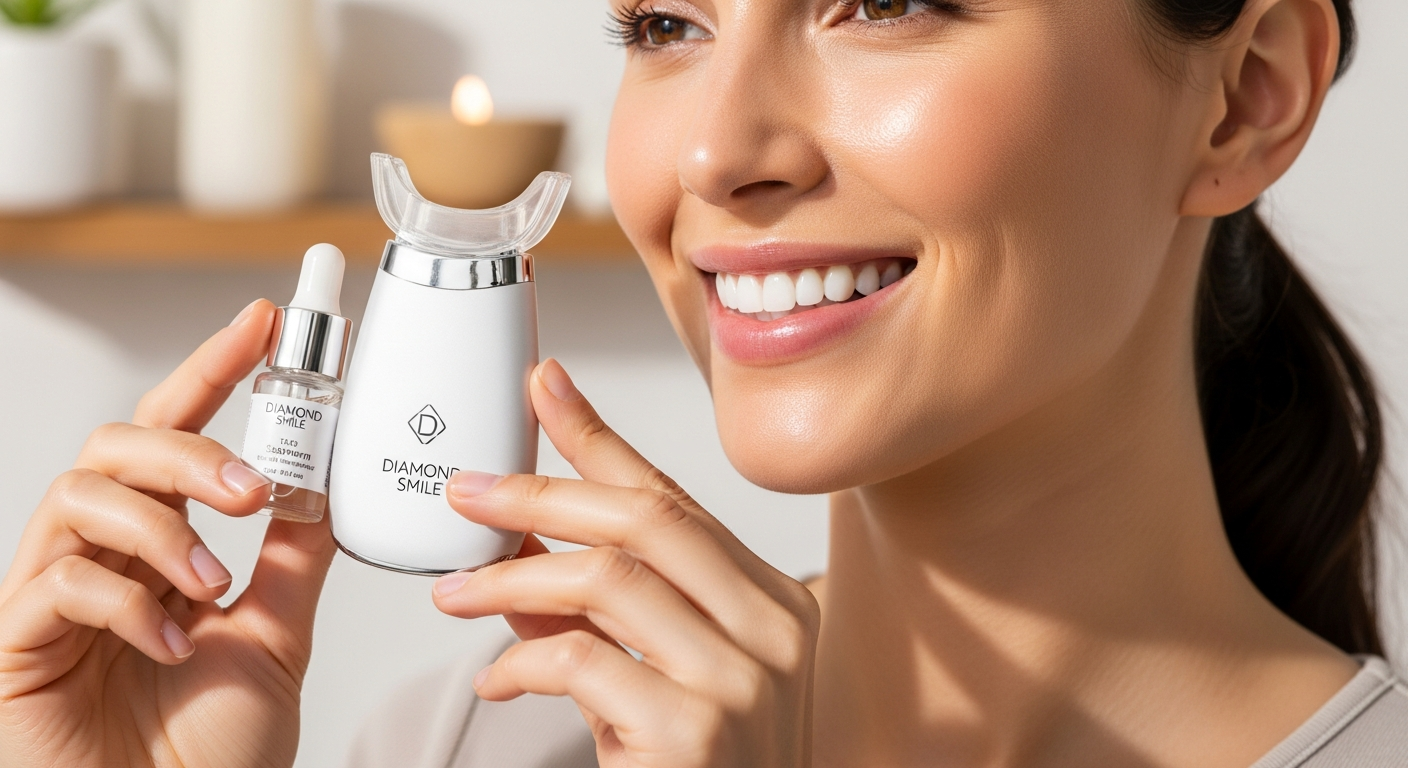
Tooth sensitivity affects nearly 40 million Americans, and for many, it becomes the primary reason they avoid teeth whitening altogether. The pain that strikes when teeth encounter temperature extremes or whitening treatments stems from a fundamental issue: exposed dentin. When tooth enamel wears down or gums recede, the underlying dentin layer—packed with microscopic tubules leading to the nerve—becomes vulnerable. Traditional whitening treatments, especially those with high peroxide concentrations, can penetrate these tubules and trigger sharp, shooting pain that makes the entire whitening experience miserable.
Understanding the Sensitivity-Whitening Connection
The culprit behind whitening-induced sensitivity lies largely in peroxide concentration. Standard professional whitening treatments often use 15-35% hydrogen peroxide, which is potent enough to lighten teeth quickly but also aggressive enough to irritate the pulp chamber and cause temporary or prolonged sensitivity. For people whose enamel is already compromised, this concentration feels less like an investment in their appearance and more like a voluntary endurance test.
How Diamond Smile Addresses the Sensitivity Problem
The Diamond Smile kit takes a fundamentally different approach. By offering peroxide-free formulations paired with gentler blue LED light technology, it removes the primary irritant that triggers sensitivity pain. The gel sits on the tooth surface without penetrating as aggressively, while the LED light works in tandem to achieve whitening results. This combination allows sensitive teeth sufferers to finally participate in teeth whitening without the trade-off of temporary or lasting discomfort.
The gel formulation itself becomes critical. Diamond Smile’s specially designed formula focuses on surface stain removal rather than aggressive bleaching, making sessions more comfortable while still delivering visible results over time. Additionally, the peroxide-free option appeals to those who want to avoid any additional irritation to their dental health.
The Peroxide-Free Formula: What You Need to Know
How Peroxide-Free Whitening Actually Works
Peroxide-free whitening technology represents a meaningful shift in how teeth lightening can happen. Rather than relying on chemical bleaching agents that break down stain molecules through oxidation, peroxide-free formulas often use alternative active ingredients that gently lift surface discoloration. These formulations work more slowly than peroxide-based treatments, but they accomplish the goal without the sensitivity trigger that makes traditional whitening problematic for millions of users.
Hydrogen Peroxide vs. Peroxide-Free Alternatives
Hydrogen peroxide delivers faster, more dramatic results because it’s chemically more powerful. However, that power comes with sensitivity risks, particularly for people whose teeth are already compromised. Peroxide-free alternatives prioritize comfort and sustainability over speed. They achieve whitening through different mechanisms—sometimes through mechanical action, sometimes through specialized ingredient blends—that make the process gentler on tooth structure and nerve tissue.
Diamond Smile’s Gentle Gel Formula
The Diamond Smile kit’s peroxide-free gel typically contains ingredients designed to be effective without causing irritation. Many versions emphasize natural and vegan components, reflecting a broader shift toward gentler dental care. The formula is cruelty-free and formulated specifically with sensitive teeth in mind, meaning the development process accounted for the needs of people who’ve had bad experiences with whitening before.
Timeline Expectations with Gentler Products
Peroxide-free whitening requires patience. Rather than seeing dramatic results after a single 30-minute session, users typically notice gradual improvement over the first week and more noticeable changes after two to three weeks of consistent use. This slower timeline is actually beneficial for sensitive teeth, as it allows gums and tooth structure to adjust without shock to the system.
Discover how Diamond Smile’s gentle formula can transform your smile safely.
Unboxing & Using the Diamond Smile Kit for Sensitive Teeth
What’s Inside the Box
Opening the Diamond Smile kit reveals a thoughtfully assembled collection: a rechargeable LED light device, multiple whitening gel syringes with precise applicator tips, a flexible mouth tray designed for comfortable fit, and a shade guide to track your progress throughout the treatment course. The compact design makes storage simple, and everything fits easily into a drawer or bathroom cabinet for convenient daily access.
Application Process for Maximum Comfort
Begin by thoroughly brushing and flossing your teeth, removing any food debris or plaque that might interfere with the gel’s contact. Apply a thin, even layer of whitening gel using the syringe’s precise tip, coating the front surface of each visible tooth. Avoid applying gel directly to gums—a common mistake that leads to irritation and sensitivity. With sensitive teeth, less is actually more; a thinner application still whitens effectively while reducing the risk of gum discomfort.
Mouth Tray Insertion and Fit
Insert the flexible mouth tray carefully, ensuring even contact with all teeth. The tray’s design allows it to conform to your individual mouth shape, reducing pressure points that might cause discomfort. If you notice the tray pressing heavily on sensitive areas, remove it and reposition it slightly. Comfort during the session matters—you’re more likely to complete the full treatment course if you’re not gritting your teeth through discomfort.
LED Light Activation and Session Duration
Activate the rechargeable LED device and position it over your mouth tray. The standard session lasts 10-15 minutes, which provides effective light exposure without overwhelming sensitive tooth tissues. Many users find 10-minute sessions sufficient, particularly during the first week. The device typically features intuitive controls and clear indicators showing when the session is active and complete.
Battery Life and Device Reliability
The rechargeable LED device typically provides multiple sessions per charge, reducing the need for constant recharging. Most users report reliable battery performance throughout their treatment course, though it’s wise to charge the device before starting your whitening routine.
Minimizing Discomfort During First-Time Use
Your first few sessions may feel slightly uncomfortable, even with a peroxide-free formula. This adjustment period is normal. Start with shorter 5-10 minute sessions before advancing to the full 15 minutes. Avoid whitening immediately after consuming acidic foods or drinks, as your tooth enamel is temporarily softened and more porous. Leave at least 30 minutes between consuming acidic items and beginning your whitening session.
Real Results: What Sensitive Teeth Users Actually Experience
Timeline for Noticeable Changes
Many users report visible whitening after just three to five applications. The shade guide included in the kit helps you document these early improvements, providing tangible evidence that the treatment is working. By the end of the first week, most people notice their teeth appear brighter and more vibrant than when they started.
The Full 3-Week Treatment Course
A complete 3-week course, involving consistent daily or near-daily use, typically delivers noticeable shade improvement for mild to moderate discoloration. Users with yellow tones in their teeth often see particularly impressive results, while those with gray undertones might experience more subtle changes. The cumulative effect of multiple sessions builds on itself, with results becoming increasingly apparent as the treatment progresses.
Before-and-After Expectations
Users with mild surface staining—the kind that develops from coffee, tea, or red wine consumption—often achieve striking transformations. Teeth that appeared slightly dingy or yellowed regain brightness and vitality. For moderate discoloration, the improvement remains noticeable but less dramatic than for mild cases. The shade guide lets you compare your starting point to your progress, making the changes concrete and measurable.
Sensitive Teeth Users Speak Out
Real users with sensitive teeth report a consistent theme: the Diamond Smile kit whitened their teeth without triggering the intense pain they’d experienced with other products. Many describe relief at finally being able to whiten their teeth comfortably. Some mention slight sensitivity during the first few days that subsided quickly, while others experienced no discomfort whatsoever. These testimonials matter because they come from people who’d previously written off teeth whitening as incompatible with their dental reality.
Limitations You Should Know
The kit performs best on mild to moderate surface discoloration. Severe staining, intrinsic discoloration (staining that develops inside the tooth), or gray undertones that require more aggressive treatment may not respond as dramatically to this gentler approach. If your teeth are heavily stained or you’ve struggled with whitening effectiveness before, managing expectations becomes important.
Building Your 3-Week Whitening Routine Without Triggering Sensitivity
Daily Usage Schedule for Sensitive Teeth
Begin with 4-5 sessions per week during your first week, spacing them out to allow your teeth time to adjust. Once you’ve confirmed your teeth tolerate the treatment comfortably, increase to daily sessions. This gradual approach minimizes the risk of sensitivity flare-ups that might derail your motivation to continue. Pay attention to how your teeth respond; if sensitivity increases noticeably, dial back to every other day.
Spacing Sessions to Avoid Sensitivity Flare-Ups
Never perform back-to-back whitening sessions on the same day. Your teeth need recovery time between applications to process the whitening agents and stabilize. The standard recommendation of one session per day allows this necessary recovery window. If you miss a day, simply resume the next day—there’s no need to double up.
Pre-Treatment Preparation
In the 24 hours before your whitening session, avoid acidic foods and drinks: citrus fruits, soda, wine, and vinegar-based dressings weaken enamel and increase sensitivity risk. Acidic foods soften enamel temporarily, making teeth more porous and vulnerable to irritation from whitening agents. Rinse your mouth with water after consuming anything acidic and wait at least 30 minutes before whitening. Brush your teeth gently before each session—avoid aggressive brushing that irritates gums.
Post-Treatment Care for Comfort
After completing a whitening session, refrain from eating or drinking for at least 30 minutes. This “white diet” period gives the whitening agents time to work and allows enamel to reharden. Stick to white foods and drinks during the first 24 hours after each session: white fish, chicken, pasta with white sauce, white rice, and white tea or coffee with milk. This isn’t permanent—just short-term support during your active treatment course.
Complementary Products That Support Sensitive Teeth
Fluoride rinses strengthen enamel and reduce sensitivity, making them valuable companions to your whitening routine. Use a desensitizing toothpaste during your treatment course; these formulas contain compounds that block pain signals from reaching the nerve. Apply desensitizing toothpaste to sensitive areas 10 minutes before whitening for an extra comfort layer. Avoid whitening toothpastes or highly acidic mouthwashes that might counteract your efforts to minimize sensitivity.
When to Pause and Consult
If you experience sharp, shooting pain that doesn’t subside after 24 hours, or if your gums become noticeably irritated or inflamed, pause treatment and contact your dentist. Some sensitivity is normal and manageable; severe sensitivity isn’t. Your comfort and dental health always take priority over completing a treatment schedule.
Maintenance Whitening After the Initial Course
Once you’ve completed the 3-week treatment course, your teeth will remain brighter for several months. Maintain your results by doing occasional whitening sessions—perhaps one per week or every two weeks—depending on how quickly your teeth naturally discolor. This maintenance approach keeps your smile bright without the intensity of the initial course.
Comparing Diamond Smile to Professional Whitening for Sensitive Teeth
Cost Reality Check
Professional teeth whitening at a dental office typically costs $300-$1,000 per session, with many people requiring multiple sessions for optimal results. The Diamond Smile kit, priced around $59, costs roughly one-fifth to one-tenth of a single professional treatment. For budget-conscious individuals with sensitive teeth, this price difference is significant and often determines whether whitening happens at all.
Results Intensity and Timeline
Professional whitening delivers faster, more dramatic results because dentists use higher peroxide concentrations under controlled conditions. A single professional session can lighten teeth several shades in one appointment. The Diamond Smile kit works more gradually, requiring consistent use over several weeks. However, the end results, particularly for mild to moderate discoloration, often prove quite similar—just achieved through a longer timeline.
Safety and Supervision
Dentists supervise professional whitening, meaning complications are immediately addressed by trained professionals. At-home kits require personal responsibility for following instructions and monitoring your tooth response. For people with existing dental issues, professional supervision provides peace of mind. That said, the Diamond Smile kit’s gentler formula actually makes complications less likely for sensitive teeth sufferers.
When At-Home Kits Make Sense
For mild sensitivity and surface discoloration, at-home kits often prove superior to professional treatments. Why? Because you control the intensity and frequency. You can space sessions further apart, use shorter durations, and pause whenever needed. This flexibility prevents the sensitivity that sometimes results from professional whitening’s aggressive approach. People with mild sensitivity often experience better overall comfort with at-home kits than with professional treatments.
When Professional Treatment Matters More
Severe staining, intrinsic discoloration, or existing dental problems that require professional assessment make dentist visits worthwhile. If you’ve had root canals, crowns, or significant enamel erosion, professional guidance ensures you’re making safe choices. Pregnant women should always consult their dentist before whitening, regardless of the product’s gentleness.
The Hybrid Approach
Some people combine both: they use the Diamond Smile kit for maintenance between occasional professional treatments. This approach captures the cost savings and convenience of at-home whitening while periodically achieving the more dramatic results that professional treatments deliver. For sensitive teeth sufferers, this hybrid strategy often provides the best of both worlds.
The Peroxide-Free Formula: What You Need to Know
Active Ingredients in Gentle Gel
The Diamond Smile formula typically features ingredients that accomplish whitening without harsh bleaching agents. Natural and vegan components appeal to environmentally conscious users, while cruelty-free certifications address ethical concerns. The specific ingredient list varies slightly by formulation, but the guiding principle remains constant: effectiveness without sensitivity.
How Peroxide-Free Options Achieve Whitening Without Irritation
Rather than aggressively breaking down stain molecules through oxidation, peroxide-free approaches use gentler mechanisms. Some formulations rely on abrasive particles that mechanically lift surface stains; others use specialized compounds that interrupt stain formation. The result is effective whitening that respects sensitive tooth tissue and doesn’t trigger the pain response that makes traditional whitening problematic.
Potential Limitations of Gentler Formulas
Peroxide-free whitening handles surface stains beautifully but struggles with stubborn, deeply embedded discoloration. If your teeth have yellowed from decades of coffee consumption or heavy staining, a gentler formula might not achieve the dramatic lightening you’re hoping for. The trade-off is always the same: gentleness versus intensity. Many users find this trade-off worthwhile—a moderately brighter smile without pain beats a slightly brighter smile paired with weeks of sensitivity.
Potential Drawbacks and Who Should Avoid This Kit
Severe Discoloration Reality
The Diamond Smile kit works best on mild to moderate discoloration. Severe staining—the kind that develops from years of heavy smoking, excessive staining foods, or medications like tetracycline—may not respond adequately to gentler whitening. Similarly, intrinsic discoloration (staining within the tooth structure rather than on the surface) requires professional treatment that penetrates more deeply.
Existing Dental Issues Require Professional Input
If you have cavities, gum disease, receding gums, or previous dental work like crowns and veneers, consult your dentist before whitening. The kit isn’t necessarily off-limits, but professional guidance ensures you’re not worsening existing problems or experiencing unexpected complications.
Pregnancy and Whitening Safety
Pregnant women should avoid teeth whitening, including gentle at-home kits, until after pregnancy and breastfeeding conclude. Consult your dentist about safe timing if you’re planning pregnancy or currently expecting.
Customer Service and Delivery Concerns
Mixed reviews mention occasional issues with delivery timing and company responsiveness. While many customers have straightforward, positive experiences, others report frustration with customer service when problems arise. Research current reviews before ordering to assess whether service has improved.
Efficacy Varies Across Users
Not everyone experiences the same whitening results. Factors including starting tooth shade, enamel thickness, and individual response to the formula affect outcomes. Someone with naturally yellow teeth might see dramatic improvement, while someone with gray undertones might notice minimal change. Managing expectations based on your specific situation matters.
Gum Protection During Use
Even with gentle formulas, improper application can irritate gums. The gel should never contact gum tissue. If you struggle with precise application or have particularly sensitive gums, take extra care during the application phase. Some users apply a thin barrier of petroleum jelly to their gumline before whitening to provide additional protection.
Alternative Options If Diamond Smile Doesn’t Work
If the Diamond Smile kit doesn’t deliver your desired results, explore professional whitening through your dentist, or try other at-home kits with different formulations. Some people respond better to specific ingredients or delivery systems. Your dentist can recommend alternatives based on your specific dental situation.
Your Path to a Brighter Smile Starts Here
The Diamond Smile LED Teeth Whitening Kit proves that sensitive teeth don’t have to be a barrier to achieving a whiter smile. By combining gentle, peroxide-free formulations with straightforward LED technology, it delivers visible results without the discomfort that typically comes with teeth whitening. The 3-week treatment course, affordable price point, and user-friendly design make it accessible for anyone ready to brighten their teeth from home.
Your individual experience matters. If you have existing dental issues, severe sensitivity, or intrinsic staining, a quick conversation with your dentist beforehand ensures you’re making the right choice. For those with mild to moderate sensitivity who want noticeable results without breaking the bank, the Diamond Smile kit represents a genuinely viable path forward.
Ready to take the next step? Start with the shade guide included in the kit, commit to the full 3-week course, and track your progress. Your brighter smile is waiting.
Begin your teeth whitening journey today with Diamond Smile.
Leave a Reply