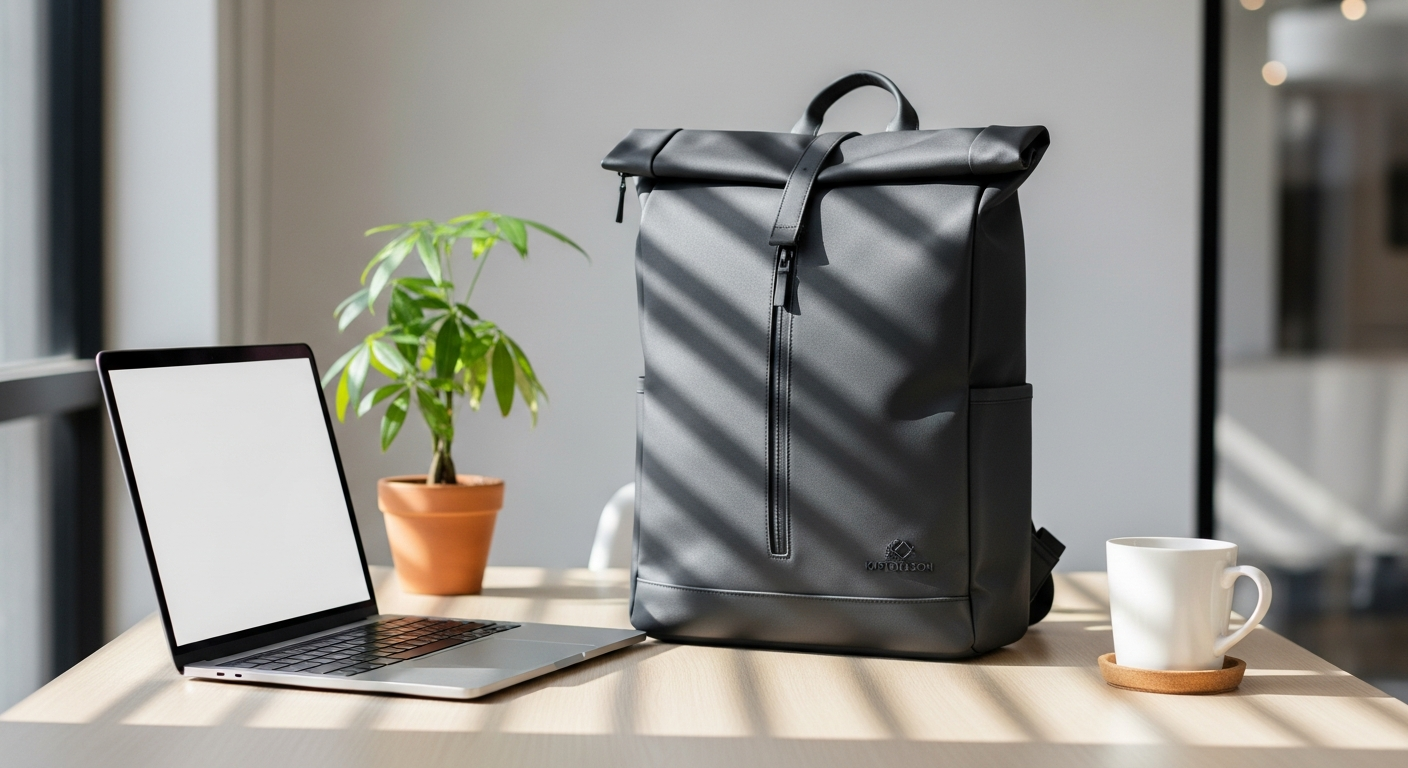
Over 70% of young professionals prioritize style just as much as functionality when choosing a daily backpack. The Kapten & Son Bali Backpack has tapped into this demand perfectly, becoming a bestseller among those who refuse to compromise on either front. Made from recycled PET vegan tech material, this 24-liter pack has garnered attention not just for its eco-credentials, but for the way it seamlessly transitions from office to weekend adventure.
I’ve spent considerable time examining this backpack’s real-world performance, breaking down everything from its compartment layout and laptop protection to its sustainability story and honest limitations. Whether you’re eyeing the popular Walnut or All Black variant, you’ll get the complete picture of what makes this pack worth the investment—and where it might fall short.
Design & Aesthetic Appeal
The Bali Backpack’s boxy silhouette delivers a clean, contemporary look that complements minimalist wardrobes beautifully. This geometric shape creates visual balance without appearing oversized, making it equally at home in a corporate office or casual café setting. The proportions—measuring 50x31x16 cm—hit that sweet spot where the pack feels substantial without dominating your frame.
Color variants play a crucial role in the backpack’s appeal. The Walnut finish offers warm, neutral tones perfect for earthy aesthetic preferences, while the All Black option provides timeless versatility. Limited collaborations like the Mariefeandjakesnow collection have added exclusivity to the lineup, attracting style-conscious buyers who value designer partnerships.
The material finish and texture deserve special attention. Despite its eco-friendly vegan tech construction, the backpack feels surprisingly premium to the touch. The recycled PET material doesn’t compromise on tactile quality or visual sophistication—it delivers both without the environmental guilt.
Compartment Organization & Storage Solutions
Organization here strikes a careful balance between minimalism and practicality. The dedicated laptop compartment sits within the back system and accommodates 15-inch devices comfortably, with 14-inch MacBook Pro models fitting optimally. This dedicated space keeps your tech protected and separated from daily clutter, which matters considerably when you’re commuting with loose items.
The main compartment offers genuine spaciousness for daily essentials or weekend gear. Books, clothing, and everyday carry items fit without excessive compression. The front pocket provides quick-access real estate for keys, cards, and phones—the items you need without unzipping the entire pack.
Water bottle pockets flank the sides, but here’s where compromise enters the picture. When the main compartment reaches full capacity, these side pockets become noticeably tight. The boxy shape means water bottles won’t slip in easily once everything else is packed to the limit. This constraint frustrates some users who expect better functionality in this area.
Sustainability & Material Quality
The recycled PET vegan tech material represents a genuine commitment to environmental responsibility. Rather than virgin plastics or animal-derived materials, Kapten & Son sources materials that reduce environmental impact from the outset. This approach resonates strongly with conscious consumers tired of greenwashing marketing.
Durability of eco-friendly construction holds its own against traditional backpack materials. The recycled material doesn’t compromise on resilience or longevity—it performs admirably across seasons and climates. The brand’s 24-month warranty reinforces confidence in this material choice, suggesting manufacturers stand behind the sustainability story with actual guarantees.
The brand’s commitment to ethical production standards extends beyond material selection. Understanding their manufacturing practices reveals a company attempting genuine environmental responsibility rather than surface-level sustainability marketing.
Water resistance properties of the recycled material prove adequate for everyday conditions. Rain won’t immediately damage contents, though the backpack doesn’t feature complete weather-sealing. Light showers and morning dew present no concerns, but prolonged downpours warrant caution.
Lifespan expectations factor significantly into environmental responsibility. A backpack lasting five-plus years represents genuine sustainability, whereas one needing replacement annually negates eco-credentials. Multiple user reports indicate the Bali Backpack achieves multi-year durability when cared for properly, making the investment environmentally defensible.
Laptop Protection & Tech Integration
The 15-inch laptop compartment accommodates various devices, though MacBook Pro owners note the best fit occurs with 14-inch models. Padding thickness in the laptop section provides adequate shock absorption for daily commute protection. This isn’t fortress-level protection suitable for mountaineering expeditions, but it handles typical urban scenarios confidently.
Separating tech devices from daily clutter offers genuine advantages. Your laptop doesn’t jostle against textbooks, lunch containers, or accumulated debris. This compartmentalization keeps devices cleaner and reduces incidental damage from internal friction.
The back-system integration proves cleverly designed. Rather than a traditional front-facing laptop slot, the dedicated compartment sits against your back during commutes. This positioning distributes weight intelligently and protects devices away from ground impact if the pack is set down carelessly.
Professionals and students relying on daily laptop transportation will find this design particularly valuable. The accessibility allows quick device retrieval at workstations without excavating through other belongings.
Price & Value Assessment
Pricing varies across markets, with the Walnut variant at £134.90 and All Black at £149.90 on the Kapten & Son website. USD variants reach approximately $190, placing the backpack in the premium lifestyle category rather than budget outdoor gear territory.
The value proposition becomes clearer when compared against sustainable backpack alternatives and mainstream brands. Premium eco-conscious brands often cost significantly more, while fast-fashion backpack alternatives lack durability and values alignment. The Bali Backpack occupies a compelling middle ground—genuinely sustainable without flagship luxury pricing.
Cost-to-durability ratio improves when considering the 24-month warranty coverage. This protection suggests manufacturer confidence in longevity, effectively spreading investment across years rather than months. Multiple-year use distributes per-year costs reasonably for a daily-use item.
Premium positioning finds justification in both materials and design execution. The recycled PET sourcing, ethical manufacturing, and designer collaborations all contribute to pricing legitimacy. This isn’t arbitrary markup—it reflects real material and production choices.
Budget-conscious shoppers facing price limitations should honestly evaluate whether sustainability matters to their purchasing decision. If style and functionality alone drive choice, more affordable alternatives exist. However, if environmental responsibility factors into priorities, the Bali Backpack’s pricing becomes defensible.
Real-World Performance & User Experience
Daily commute reliability proves solid for office workers and students carrying moderate loads. The pack performs consistently across weeks and months of regular use without strap degradation or compartment failure. Professionals appreciate how the dedicated laptop access streamlines workday transitions.
Weekend travel suitability extends to multi-day trips comfortably, though the 24-liter capacity limits extended adventures. The pack handles Friday-to-Sunday excursions admirably—enough for clothing, toiletries, and weekend essentials without excess baggage. The Walnut and All Black finishes maintain aesthetic appeal even when stuffed with travel gear.
Durability reports from long-term users across different climates and conditions consistently highlight resilience. The recycled material weathers seasonal changes without obvious degradation. Users in humid climates report no mold issues, while those in colder regions note material flexibility even in freezing conditions.
Strap comfort during extended wear satisfies most users, though individual shoulder anatomy varies. The design doesn’t feature padded straps, which some prefer for daily loads. The water bottle pocket tightness issue appears most pronounced when the backpack reaches maximum capacity—a limitation users should anticipate.
Aesthetic durability impresses. Color retention remains strong across the Walnut and All Black variants. The finish doesn’t fade noticeably with sun exposure, and scuffs don’t significantly alter the backpack’s appearance. This matters considerably for a pack chosen partly for visual appeal.
Limitations & Honest Drawbacks
Water bottle pocket constraints represent the most immediate practical frustration. When the backpack is at full capacity, side pockets resist bottle insertion. This design limitation affects adventurous travelers planning to carry multiple liters of hydration simultaneously.
The boxy shape carries implications for airline personal item classification. Certain carriers restrict personal item dimensions strictly, and the Bali’s 24-liter capacity with rigid geometry might exceed allowances. The 18-liter version theoretically fits better within stricter guidelines, though carry-on policies vary considerably between airlines.
Limited exterior attachment points frustrate users wanting to clip additional gear or accessories to the pack. The minimalist design philosophy prioritizes clean aesthetics over functional versatility. Modifications feel difficult without compromising the original design intent.
Weather-sealing features are absent despite water-resistant material properties. Light moisture poses no concerns, but sustained heavy rain or submersion would eventually compromise contents. Adventure travelers expecting full waterproofing will feel disappointed.
The Bali Backpack doesn’t suit heavy-duty hiking or extreme outdoor adventures. This isn’t a mountaineering pack or backpacking workhorse. Its purpose centers on daily commuting and weekend escapes within civilized environments—not backcountry expeditions.
Kapten & Son Bali Backpack: Making Your Decision
The Kapten & Son Bali Backpack represents a genuine intersection of style, sustainability, and functionality—though it’s not without compromise. Its strongest appeal lies with professionals and students who view their backpack as an extension of their personal brand and values. The dedicated laptop compartment, eco-friendly materials, and undeniably sleek design deliver on what the brand promises.
What ultimately matters is whether the Bali Backpack aligns with your priorities. If you’re willing to accept minor organizational trade-offs in exchange for a sustainable, visually striking pack that turns heads while protecting your tech, this German-engineered backpack deserves your attention. Just be honest about your needs—this backpack excels as a daily companion and weekend escape partner, but it’s not a do-everything adventure pack.
The investment makes sense for those who commute regularly, value sustainability, and refuse to sacrifice aesthetic appeal. The 24-month warranty provides peace of mind, and user reports consistently validate durability claims. This isn’t an impulse purchase—it’s a deliberate choice for people whose values align with the brand’s environmental commitments and style philosophy.
Explore the Kapten & Son Bali Backpack collection and find your perfect travel companion today.
Leave a Reply