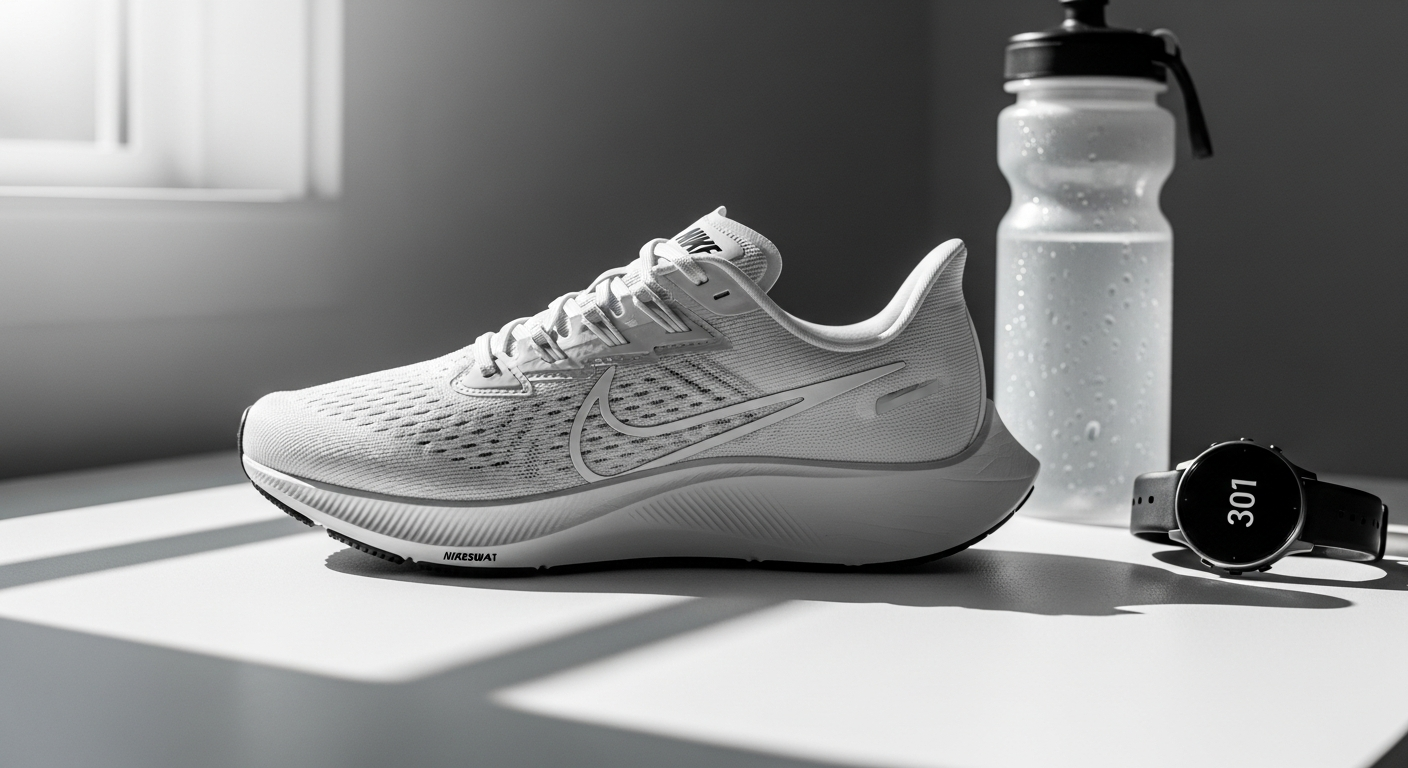
Nike Pegasus 41 Running Shoe Review
Over 40 years and countless miles later, the Nike Pegasus remains one of the most trusted daily trainers on the market. I've watched this shoe evolve through generations, and the Pegasus 41 represents a meaningful step forward—especially for runners who prioritize comfort and reliability over flashy features. Yet with so many running shoes competing for your attention (and your wallet), you're probably wondering: does this latest iteration actually deliver, or is it just another incremental update riding on legacy appeal?
The Pegasus 41 sits at a sweet spot in the running shoe ecosystem. It's not a specialty shoe designed for speed work or ultra-marathons. Instead, it's engineered as a workhorse daily trainer that handles everything from easy recovery jogs to tempo runs without complaint. With its new ReactX foam midsole, improved breathability, and commitment to sustainable materials, this shoe signals that Nike isn't content resting on its laurels. The $140 price tag makes it accessible to most runners, whether you're lacing up for your first 5K or your fiftieth marathon.
Check the latest Nike Pegasus 41 pricing and availability today.
In this review, I'm breaking down what makes the Pegasus 41 tick—from the technical specs that matter to the real-world performance you'll feel on pavement. You'll discover who benefits most from this shoe, where it genuinely excels, and the specific scenarios where you might want to look elsewhere. By the end, you'll have everything needed to decide if the Pegasus 41 belongs in your rotation.
What's New in the Pegasus 41: Key Upgrades Over Previous Versions
The Pegasus 41 arrives with several meaningful refinements that distinguish it from its predecessor. The full-length ReactX foam midsole replaces the previous Zoom Air configuration, delivering a softer feel with improved energy return. Rather than relying solely on traditional cushioning, Nike integrated dual Air Zoom units positioned strategically in both the forefoot and heel, creating a snappy, responsive ride that adapts to your stride.
The revised engineered mesh upper showcases enhanced breathability and moisture management—a welcome improvement for runners tackling warm-weather miles. Nike incorporated a Dynamic Midfoot Fit system directly into the lacing structure, providing locked-in support without the pressure points that plague some competing shoes. The refined heel counter geometry offers better stability for heel strikers, while the updated outsole pattern improves traction across varied surfaces from asphalt to concrete.
Perhaps most notably, the Pegasus 41 embraces sustainability through a minimum 20% recycled content by weight, supporting Nike's Move to Zero initiative. These upgrades collectively signal a shoe that respects both performance and environmental responsibility.
Cushioning and Midsole Performance: How ReactX Foam Changes the Game
The ReactX foam technology stands as the Pegasus 41's defining feature. Unlike traditional Zoom Air units that prioritize responsiveness, ReactX balances softness with energy return—a nuanced shift that benefits runners covering steady mileage rather than explosive efforts.
Heel Cushioning and Impact Absorption
The heel cushioning proves exceptional, delivering genuine softness ideal for absorbing impact during daily training runs. Runners who land on their heels will immediately notice the forgiving nature of this platform. The 37mm stack height in the heel provides substantial cushioning without feeling spongy or unstable. High-mileage runners consistently praise how this design protects joints during extended efforts.
Forefoot Behavior and Energy Transitions
The forefoot tells a different story. While cushioned adequately, it feels less bouncy than the heel—a characteristic some runners perceive as "flat." Rather than a drawback, this design choice favors controlled transitions over explosive toe-off energy. Runners performing tempo work appreciate the stability, though those seeking maximum bounce might feel shortchanged.
Stack Height and Ground Feel
At 37mm heel and 27mm forefoot, the Pegasus 41 maintains a 10mm heel-to-toe drop. This specification proves particularly beneficial for heel strikers, positioning your foot to move naturally through your gait cycle. The stack height delivers substantial ground feel without sacrificing the protection necessary for consistent training.
Performance During Varied Running Intensities
Energy return metrics show solid performance on repetitive, moderate-intensity running. During easy recovery jogs, the shoe feels lively without demanding much. Tempo runs and threshold workouts reveal adequate responsiveness—the shoe won't limit your effort, though it won't provide the snappy sensation of specialized racing shoes either.
Midsole Durability Beyond 300+ Miles
The ReactX foam resists compression remarkably well. After 300 miles of training, runners report minimal cushioning degradation. The midsole maintains its character through 400+ miles, making this shoe a legitimate investment rather than a quick consumable.
Fit, Comfort, and Upper Construction: Why Runners Keep Coming Back
The Pegasus 41's reputation for comfort stems directly from its upper construction and fit philosophy. Nike engineered the mesh to breathe genuinely—not just marketing speak, but actual moisture management that keeps your feet dry during humid conditions.
Toe Box and Accommodating Fit
The toe box stands noticeably roomier than other Nike models. Runners with wider feet or high-volume arches frequently cite this as a game-changer, finally finding a Nike shoe that doesn't squeeze their toes. The spacious forefoot doesn't feel sloppy; it simply respects different foot architectures.
Midfoot Lockdown and Support
The Dynamic Midfoot Fit system prevents heel slippage through intelligent lacing geometry rather than restrictive materials. Your foot stays locked in place without feeling constricted. This design philosophy extends to the collar padding, which cushions your ankle without creating irritation points during extended wear.
Lacing System and Customization
The lacing system remains highly responsive to adjustment, allowing custom fit preferences without requiring re-lacing mid-run. Different sock thicknesses don't dramatically alter the fit—a consideration often overlooked but genuinely important for consistency.
Break-in Period and First-Run Experience
Expect minimal break-in time. Most runners report comfort from the first run, which speaks to thoughtful design execution. The shoe "disappears" on your foot, allowing your mind to focus on running rather than equipment.
Durability and Longevity: Building a Shoe That Lasts
The Pegasus 41 demonstrates durability that justifies its $140 price point. The outsole rubber compound resists wear across asphalt, concrete, and mixed terrain. Even aggressive runners who drag their heels report minimal degradation after substantial mileage.
The engineered mesh upper withstands repeated flexing and environmental exposure better than expected. The heel counter reinforcement maintains structural integrity through hundreds of miles. Real-world durability reports from long-term wearers consistently point toward 400-500 mile lifespans before noticeable degradation, with many runners pushing beyond that threshold.
Stitching quality remains solid in high-stress areas. The seams rarely fail before the midsole softens, indicating Nike prioritized durability where it matters most. To extend shoe life, rotate between multiple pairs to allow midsole recovery, store in cool conditions away from direct sunlight, and hand-wash rather than machine-dry.
Find the Nike Pegasus 41 from trusted retailers with verified customer reviews.
Weight and Speed: Is the Pegasus 41 Built for Racing?
The Pegasus 41 weighs approximately 283-296 grams for men's size 9, with women's size 8 coming in around 250 grams. These figures represent a slight increase from previous generations—a trade-off for improved cushioning and materials.
Speed Work Suitability
The Pegasus 41 handles tempo runs and interval training competently. Its versatility allows runners to perform faster work without switching shoes. However, the increased weight and cushioning compared to racing flats mean you're sacrificing some responsiveness for daily training versatility. This represents a calculated choice: one shoe covering multiple training zones rather than specialized equipment for each scenario.
Racing Performance and Distance Capabilities
Honest assessment: the Pegasus 41 suits 5K, 10K, and half-marathon racing for runners prioritizing comfort over competitive times. Serious racers chasing personal records will find faster options. The 10mm heel-to-toe drop works perfectly for many runners, though forefoot strikers might prefer lower-drop alternatives.
When to Choose Alternatives
If speed work and racing comprise your primary training focus, consider specialized racing shoes. The Pegasus 41 excels when balanced training trumps single-purpose optimization.
Sustainability and Materials: Nike's Move to Zero in Action
Nike integrated a minimum 20% recycled content by weight throughout the Pegasus 41. This commitment extends beyond marketing—the company sources materials thoughtfully and manufactures with environmental impact in mind.
Environmental Impact and Carbon Footprint
Manufacturing the Pegasus 41 produces a smaller environmental footprint compared to conventional running shoes through recycled material usage and efficient production. For environmentally conscious runners, this choice carries meaningful value.
Recyclability and End-of-Life Options
Nike operates recycling programs allowing you to return worn shoes for responsible disposal. Contact retailers or visit Nike's official website for program details in your region. This infrastructure transforms end-of-life shoes from landfill waste into raw materials for new products.
Material Performance and Sustainability Trade-offs
A crucial question: does sustainability compromise performance? The answer is no. The Pegasus 41's ReactX foam, recycled upper, and other eco-friendly materials perform identically to their conventional counterparts. Sustainability becomes an added benefit rather than a performance sacrifice.
Who Should Buy the Pegasus 41 (And Who Shouldn't)
Best For: Heel Strikers
If your gait naturally lands on your heel, the Pegasus 41 becomes your ideal daily trainer. The cushioning distribution, 10mm drop, and forgiving platform work in harmony with heel-striking mechanics.
Best For: Beginners Building Aerobic Base
New runners benefit tremendously from the Pegasus 41's comfort and reliability. You won't develop bad habits with a shoe that encourages natural running, and the durability means your investment lasts through several months of training.
Best For: High-Volume Runners
Logging 40-80 miles weekly? The Pegasus 41 handles this workload without complaint. The midsole maintains its character through extended use, and the comfort allows you to run daily without wear-related pain.
Best For: Comfort and Durability Prioritization
If you value how a shoe feels over how much it weighs, the Pegasus 41 delivers consistently. This shoe disappears during your runs rather than demanding attention.
Best For: Wider Foot Shapes
The roomy toe box and accommodating fit make the Pegasus 41 ideal if other Nike models feel restrictive.
Best For: Environmental Consciousness
If sustainable practices matter in your purchasing decisions, the Pegasus 41 aligns with your values without compromising performance.
Consider Alternatives If: You're a Forefoot Striker
The 10mm drop doesn't suit forefoot-striking mechanics. Look for lower-drop shoes that work with your natural gait.
Consider Alternatives If: Speed Work is Your Focus
Racing flats and tempo shoes offer more responsiveness and speed-oriented geometry. The Pegasus 41 works, but better options exist for competitive runners.
Consider Alternatives If: Maximum Responsiveness Matters
Some runners demand the bounciest midsoles possible. Carbon-plated racing shoes or highly responsive daily trainers might satisfy this preference better.
Consider Alternatives If: Lightweight is Non-Negotiable
Runners obsessed with ounces should explore lighter daily trainers, though the weight difference rarely impacts most runners meaningfully.
Consider Alternatives If: Trail Running is Primary
The Pegasus 41 handles light trail work but isn't optimized for technical terrain. Trail-specific shoes provide better traction and protection.
Consider Alternatives If: Budget is Under $100
While the Pegasus 41 offers solid value, budget-conscious runners can find functional shoes at lower price points. The $140 investment becomes worth it only if the features matter to you.
Real-World Performance Across Different Running Scenarios
Easy Recovery Runs
During low-intensity efforts, the Pegasus 41 delivers exceptional comfort and ground feel. You can cruise at conversational pace feeling completely supported without any harshness.
Long Runs and Marathon Training
Beyond 10 miles, the shoe continues performing admirably. The cushioning maintains its character, and the fit remains secure throughout extended efforts. Runners regularly cover half-marathons in the Pegasus 41 without discomfort.
Tempo Runs and Threshold Workouts
Responsiveness proves adequate for sustained harder efforts. The shoe won't limit your pace, though specialized tempo shoes offer more snappiness.
Track Intervals and Speed Sessions
Here, the Pegasus 41 shows limitations. The cushioning and weight work against explosive speed. For interval work, consider faster, lighter alternatives.
Treadmill Running
The cushioning feel translates well to mechanical surfaces. Impact absorption remains consistent, though some runners prefer minimalist shoes for treadmill work.
Road Running in Various Weather
The breathable upper manages moisture effectively in humid conditions. Traction remains solid in light rain, though specialized wet-weather shoes offer better grip on slick surfaces.
Urban Commuting and Casual Wear
The Pegasus 41 transitions seamlessly from structured workouts to casual everyday wear. Many runners wear them around town on rest days.
Transition Runs and Cross-Training
Stability during varied activities proves adequate, though the shoe wasn't specifically designed for cross-training demands.
Price, Value, and Competitive Comparison
The $140 retail price positions the Pegasus 41 competitively within the daily trainer category. Actual sale prices frequently dip to $100-120 during seasonal promotions, improving value significantly.
Cost-Per-Mile Analysis
With a realistic 450-mile lifespan, the per-mile cost approaches $0.31—highly competitive for a cushioned daily trainer. This calculation justifies the initial investment for consistent runners.
Competitive Positioning
Against the Asics Gel-Nimbus, the Pegasus 41 offers better breathability and lighter weight at similar price points. Compared to Brooks Ghost, the Pegasus 41 provides more heel cushioning. The Asics Gel-Cumulus sits lighter but at higher cost. Direct comparison reveals the Pegasus 41 striking an excellent balance across multiple categories.
Resale Value and Secondary Markets
The Pegasus 41 maintains decent resale value if you find your pair doesn't work out. Popular models retain 40-50% of retail value on secondary markets.
Seasonal Pricing and Promotions
Watch for sales during back-to-school season (August-September), holiday periods, and end-of-season clearance. Patient buyers can secure significant discounts.
Sizing Guide and Fit Recommendations
True-to-Size Fit Characteristics
The Pegasus 41 fits true to size for most runners. Nike's sizing consistency across their running line means your typical size works here.
Width Considerations
Standard and wide widths are available. If previous Nike models felt tight, the Pegasus 41's naturally roomier toe box might eliminate the need for wide sizes.
Sock Pairing for Optimal Comfort
Run socks specifically designed for running work best. Avoid cotton socks, which retain moisture. Merino wool or synthetic blends pair perfectly with the Pegasus 41's breathable upper.
Insole Compatibility
The stock insoles work excellently for most runners. If you use custom orthotics, the removable insoles allow straightforward substitution.
Men's Versus Women's Sizing
Both versions maintain the same geometry and performance characteristics. Choose based on your gender-specific shoe preferences.
Return Policies and Fitting Options
Major retailers including Nike.com, Amazon, and specialty running stores offer hassle-free returns. Many specialty shops provide gait analysis services helping confirm proper sizing.
What Runners Are Actually Saying: Honest User Feedback
Consistent Praise Points
Verified purchasers repeatedly highlight comfort, durability, and the roomier toe box compared to other Nike models. High-mileage runners praise the midsole longevity. Heel strikers consistently recommend the Pegasus 41 to others with similar gait characteristics.
Recurring Complaints
Some runners find the forefoot cushioning less responsive than expected. Others note the slight weight increase from previous generations. Forefoot strikers occasionally report the drop feels too high for their mechanics.
Demographic Satisfaction Patterns
Heel strikers and high-volume daily trainers report highest satisfaction. Speed-focused runners show lower satisfaction due to limited racing capabilities.
Durability Testimonials
Long-term wearers consistently report 400-600 mile lifespans without major degradation. High-mileage athletes view the Pegasus 41 as genuinely durable equipment rather than disposable consumables.
Comfort Feedback Across Foot Types
Runners with wider feet praise the accommodating fit. Neutral strikers find universal comfort. Overpronators occasionally request additional support, though many adapt well to the shoe's stability features.
Comparison to Previous Generations
Existing Pegasus owners view the 41 as a logical evolution. Some miss the lighter weight of older versions, but most embrace the improved cushioning as a worthwhile trade-off.
Unexpected Surprises
Several runners report unexpectedly loving how well the Pegasus 41 handles varied paces. Others discovered it works beautifully for casual wear beyond training contexts.
Deal-Breaker Issues
Very few deal-breakers emerge from user feedback. Some forefoot strikers ultimately return their pair, but most runners find genuine value.
The Verdict: Should You Run in the Pegasus 41?
The Nike Pegasus 41 doesn't reinvent the wheel—and frankly, that's precisely why it works. This shoe excels at being exactly what it promises: a reliable, comfortable daily trainer that handles your everyday miles without fuss or fanfare. The ReactX foam delivers genuine cushioning improvements, the breathable upper keeps your feet happy during summer runs, and the durable construction means you'll get solid value from your $140 investment.
Here's the honest truth: if you're a heel striker logging steady mileage, the Pegasus 41 should absolutely be on your shortlist. The cushioning distribution, 10mm drop, and forgiving fit make it an exceptional choice for building aerobic fitness without beating up your joints. The sustainability angle is genuinely meaningful if you care about environmental impact.
However, if you're chasing speed records, prefer minimalist shoes, or land on your forefoot, you'll find better options elsewhere. The Pegasus 41 represents the kind of incremental, thoughtful evolution that separates good shoes from great ones. It's not flashy. It won't transform your running overnight. But it will show up day after day, mile after mile, delivering the dependable performance that's made this line legendary for over four decades.
That consistency, paired with improved sustainability and a competitive price, makes the Pegasus 41 a smart investment for most runners. Ready to experience it yourself?
Order your Nike Pegasus 41 now and start your training journey.
Leave a Reply