Over 73% of skincare consumers actively search for products with five ingredients or fewer—yet most still struggle to find formulas that actually work. The bathroom cabinets of countless people overflow with complicated serums and creams that promised transformation but delivered irritation instead. Frustration with multi-step routines and synthetic additives has sparked a genuine shift toward stripped-down, honest skincare that respects sensitive skin rather than aggravating it.
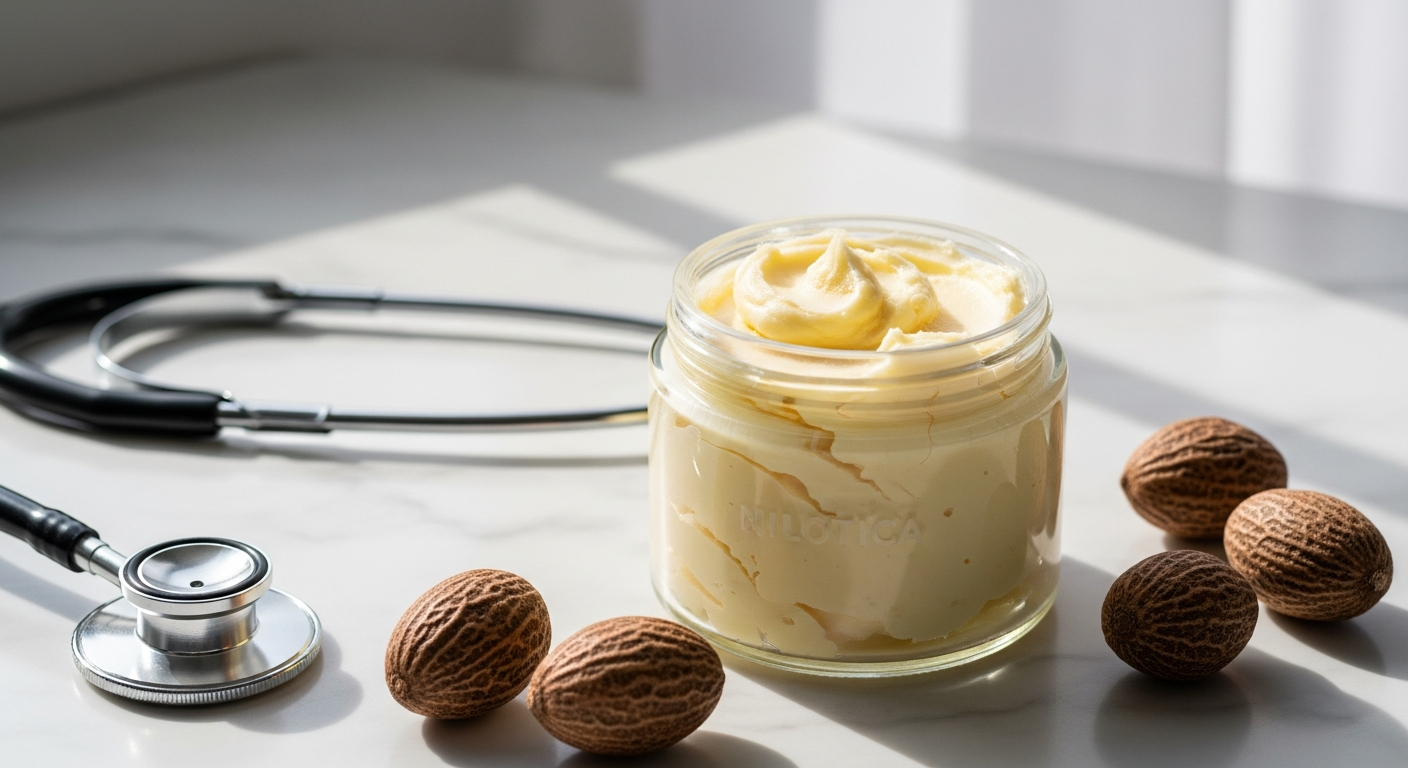
Balmyou Pure Nilotica Shea Butter represents something genuinely different from the West African shea butter varieties flooding mainstream beauty shelves. This East African treasure, sourced directly from Uganda's production farms, delivers a softer, creamier texture paired with higher concentrations of Omega-9 and Omega-6 fatty acids. Balmyou's commitment to cold-pressing, zero additives, and ethical sourcing has transformed this single-ingredient product into a best-seller for those with sensitive, reactive, and compromised skin barriers.
The Nilotica Difference: Understanding East African vs. West African Shea Butter
What makes Nilotica shea butter botanically distinct from traditional West African varieties
The shea tree family contains multiple botanical varieties, and Nilotica represents a specific subspecies native to East Africa—particularly Uganda—that differs significantly from the West African counterparts dominating global markets. These aren't just regional variations; they're botanically distinct plants producing butter with fundamentally different properties. Nilotica trees thrive in Uganda's unique climate and soil conditions, developing characteristics that make them particularly valuable for sensitive skin applications.
The significance of oleic acid (Omega-9) and linoleic acid (Omega-6) for sensitive skin barrier repair
Nilotica shea butter contains higher concentrations of oleic acid (Omega-9) and linoleic acid (Omega-6) compared to West African varieties. These fatty acids function as building blocks for your skin's lipid barrier—the critical protective layer that prevents moisture loss and shields against environmental irritants. When your skin barrier is compromised, transepidermal water loss increases, leading to dryness, sensitivity, and inflammation. The elevated Omega-9 content in Nilotica butter penetrates the skin's outer layers more efficiently, while Omega-6 strengthens the barrier's structural integrity. For reactive skin types, this molecular composition means faster barrier repair and reduced sensitivity within weeks of consistent use.
How Uganda's growing conditions produce a naturally softer, creamier texture without processing additives
Uganda's climate—characterized by moderate temperatures, consistent humidity, and rich volcanic soil—creates ideal conditions for Nilotica shea trees to develop naturally softer, creamier butter. The temperature fluctuations and soil composition influence the fatty acid profile, resulting in a product that's naturally more spreadable than West African varieties. Balmyou's cold-pressing method preserves this natural texture without requiring emulsifiers, thickeners, or softening agents that other manufacturers add to make their products more workable. This means you're applying butter shaped by nature, not industrial processing.
Why Nilotica butter absorbs faster and leaves less residue on reactive skin types
The molecular structure of Nilotica shea butter—with its optimized fatty acid ratios—allows it to penetrate skin layers more readily than refined or West African alternatives. This faster absorption translates to less surface residue and a non-greasy finish that sensitive skin types appreciate, especially when applying to the face. Reactive skin often develops additional irritation from heavy, occlusive products sitting on the surface; Nilotica's superior absorption minimizes this concern. The butter melts on contact with skin warmth, delivering deep hydration without the uncomfortable feeling of a thick layer coating your complexion.
The historical and geographical context of East African shea cultivation practices
Shea cultivation in East Africa follows different historical pathways than West African farming traditions. Ugandan shea farming represents a newer but increasingly sophisticated agricultural sector, with production farms implementing sustainable practices from the ground up. This contrasts with West African regions where shea has been harvested for centuries through both traditional and industrial methods. Balmyou's direct partnerships with Ugandan farms mean supporting agricultural practices designed with modern sustainability principles rather than adapting century-old methods to contemporary concerns. The geographical isolation of East African shea cultivation also reduces the likelihood of cross-contamination with pesticides or industrial runoff common in more densely populated farming regions.
Comparative breakdown: molecular composition differences that impact skin sensitivity
West African shea butter typically contains approximately 40-50% oleic acid and 20-30% linoleic acid, with the remainder composed of stearic acid and other fatty acids. Nilotica varieties shift this ratio, offering higher oleic acid concentration and improved linoleic acid presence. For sensitive skin, this matters because linoleic acid deficiency directly correlates with compromised barrier function and increased susceptibility to irritation. The elevated oleic acid in Nilotica butter provides superior penetration and anti-inflammatory benefits. Additionally, Nilotica butter naturally contains higher beta-carotene levels and maintains better stability during cold-pressing, preserving beneficial compounds that refining processes destroy.
Single-Ingredient Purity: What's Actually Inside Balmyou's Formula
Complete ingredient list analysis: Butyrospermum Parkii (Nilotica variety) and nothing else
Balmyou's formulation contains precisely one ingredient: Butyrospermum Parkii from the Nilotica variety. This radical simplicity isn't minimalism for aesthetic appeal—it's a deliberate therapeutic choice. When your skin is reactive or compromised, every additional ingredient represents potential irritation. Emulsifiers help products spread more easily but can disrupt the skin barrier. Preservatives prevent microbial growth but may trigger sensitivities. Fragrances mask imperfections in less refined butters but simultaneously activate inflammatory responses in reactive skin types. By eliminating everything except the butter itself, Balmyou removes these variables entirely.
What's deliberately excluded: parabens, synthetic fragrances, mineral oils, silicones, and microplastics
The absence of these ingredients isn't coincidental—it reflects a deliberate formulation philosophy. Parabens, while chemically distinct, can mimic hormone activity in sensitive systems and trigger reactions in some individuals. Synthetic fragrances may smell pleasant but contain dozens of undisclosed chemical compounds that sensitized skin interprets as threats. Mineral oils create an occlusive barrier that traps bacteria and moisture, potentially worsening conditions like acne or rosacea. Silicones provide a smooth texture but prevent proper skin-to-product contact, reducing the butter's therapeutic efficacy. Microplastics, now recognized as environmental and potential health concerns, have no place in modern skincare formulations. Balmyou's exclusion of these ingredients represents a commitment to purity that benefits both your skin and the environment.
The role of beta-carotene in reducing inflammation and redness
Nilotica shea butter naturally contains beta-carotene—a powerful antioxidant precursor to vitamin A. Within your skin, beta-carotene neutralizes free radicals that trigger inflammatory cascades, particularly those generated by sun exposure, pollution, and stress. For individuals with eczema, dermatitis, or rosacea, this inflammation reduction proves transformative. Beta-carotene also promotes cellular turnover and supports the skin's natural repair processes. Unlike synthetic vitamin A derivatives (retinoids), which can irritate sensitive skin through initial adjustment periods, the beta-carotene present naturally in Nilotica butter works gently, building anti-inflammatory benefits without triggering the redness, peeling, or sensitivity associated with retinoid introduction.
How allantoin supports cell regeneration and skin barrier strengthening
Allantoin, naturally present in unrefined shea butter, functions as a cell-proliferant—meaning it encourages healthy skin cell division and turnover. For damaged or sensitized skin barriers, this regenerative action proves essential. Allantoin also acts as a keratolytic in gentle concentrations, helping to dissolve dead skin cells that accumulate on the surface and contribute to roughness and irritation. Additionally, allantoin possesses mild antimicrobial properties that support the skin's microbiome without aggressive disruption. The compound's wound-healing reputation stems from these combined mechanisms: faster cell regeneration, gentle exfoliation, and microbiome support working synergistically to restore barrier health.
Vitamin E's antioxidant protection and its synergy with natural fatty acids
Natural vitamin E (tocopherols) present in unrefined Nilotica shea butter provides potent antioxidant protection against oxidative stress—the process where free radicals damage cellular structures and accelerate skin aging. Vitamin E's protective function becomes particularly valuable when combined with the fatty acids in shea butter because it prevents those fatty acids from oxidizing themselves. When fatty acids oxidize, they become rancid and potentially irritating. Vitamin E maintains the stability and efficacy of the oleic and linoleic acids, ensuring that the barrier-repair benefits remain potent throughout the product's shelf life. This synergistic relationship demonstrates why unrefined butter outperforms refined alternatives—the natural antioxidants work together to protect the entire formulation.
Why minimalist formulation matters for sensitive, compromised, and reactive skin conditions
Your skin barrier exists in a state of heightened reactivity when compromised or sensitized. Each additional ingredient increases the probability of triggering an inflammatory response, allergic reaction, or barrier disruption. Minimalist formulations reduce this risk exponentially. When you apply a single-ingredient product, your skin encounters a familiar compound it can readily identify, metabolize, and utilize without initiating defensive immune responses. For individuals managing eczema, recovering from procedures, or dealing with chronic dermatitis, this simplicity enables actual healing rather than perpetual irritation cycles. The formulation's minimalism also facilitates troubleshooting—if a reaction occurs, you immediately know the cause rather than investigating a dozen potential culprits.
Third-party testing and purity certifications that validate the 100% natural claim
Balmyou's commitment to transparency extends beyond formulation to independent verification. Third-party testing confirms the absence of contaminants, pesticide residues, heavy metals, and harmful microorganisms. Certifications documenting organic status, natural origin, and vegan ingredients provide objective validation of marketing claims. This testing proves particularly valuable because unrefined products represent different contamination risks than conventional cosmetics. The absence of synthetic preservatives means microbial stability depends on proper sourcing, processing, and storage—all factors that third-party testing verifies. These certifications transform trust from subjective feeling into measurable fact.
Sensitive Skin Solutions: Real-World Applications and Benefits
Addressing eczema, dermatitis, and chronic dryness with a single-ingredient moisturizer
Eczema and dermatitis sufferers frequently discover that conventional moisturizers—even those marketed as hypoallergenic—trigger additional flare-ups. The culprit often lies in the preservative systems, thickening agents, or binding ingredients. Balmyou's single-ingredient approach eliminates these irritants entirely. The Nilotica butter's fatty acid profile directly addresses the lipid barrier dysfunction underlying eczema and dermatitis. Users report significant improvement in itching, redness, and barrier integrity within 2-4 weeks of consistent application. For chronic dryness unrelated to specific conditions, the butter's superior absorption and sustained hydration prevent the dryness-rebound cycles that occur with heavier creams or products containing silicones that temporarily plump skin but provide no lasting moisture.
Anti-inflammatory properties that calm reactive skin within 7-14 days of consistent use
Reactive skin—characterized by heightened sensitivity, flushing, stinging sensations, and unpredictable flare-ups—requires formulations that calm inflammatory responses at the cellular level. Nilotica shea butter achieves this through multiple mechanisms: the oleic acid reduces inflammatory cytokine production, beta-carotene neutralizes oxidative stress triggers, and allantoin promotes healing. Most users experience noticeable calming within one to two weeks. Visible redness diminishes, stinging sensations subside, and the skin's reactivity threshold increases. This rapid anti-inflammatory response reflects the butter's compatibility with compromised skin—you're not introducing irritants that your skin must tolerate while also healing; you're actively supporting the healing process itself.
Safe application for pregnant women and postpartum skin recovery
Pregnancy initiates dramatic hormonal shifts that profoundly affect skin. Many women develop sensitivity to products they previously tolerated, experiencing unexplained reactions, increased dryness, or inflammatory flare-ups. Simultaneously, the desire to avoid potentially harmful ingredients intensifies during pregnancy. Balmyou's 100% natural, single-ingredient formula addresses both concerns. The absence of synthetic fragrances, preservatives, and chemicals means pregnant women can apply the butter with confidence. Postpartum, the butter supports skin recovery as hormone levels normalize and nursing demands drain moisture from the body. The fatty acid profile assists in preventing stretch mark progression and supports the skin barrier's recovery from the stress of pregnancy and delivery.
Why pediatricians recommend it for baby skin, cradle cap, and diaper rash prevention
A baby's skin barrier remains underdeveloped until approximately age two to three years, making it exceptionally vulnerable to irritation. Most conventional baby skincare products contain preservatives and emulsifiers designed to maximize shelf stability rather than support barrier development. Balmyou's pure Nilotica butter requires no preservatives because it resists microbial growth naturally—a property common to certain unrefined butters with inherent antimicrobial compounds. For cradle cap (infantile seborrheic dermatitis), gentle massage of the butter combined with its antimicrobial and anti-inflammatory properties supports the skin's natural healing. For diaper rash prevention, the butter creates a protective barrier without occlusion, allowing skin to breathe while preventing moisture loss and friction damage.
Using Nilotica butter for compromised skin barriers after aggressive treatments or procedures
Aggressive skincare treatments—whether chemical peels, microdermabrasion, laser therapy, or dermatological procedures—intentionally compromise the skin barrier to stimulate healing responses. During the recovery period, the barrier exists in a heightened state of vulnerability. Introducing complex formulations during this phase risks triggering irritation and prolonging healing. Nilotica shea butter supports rapid barrier recovery through its elevated fatty acid content and anti-inflammatory properties. The butter's natural composition means your skin immediately recognizes and absorbs it without mounting defensive responses. Medical professionals often recommend unrefined shea butter during post-procedure recovery precisely because it supports healing without adding irritation variables.
Gentle enough for rosacea-prone skin without triggering flare-ups
Rosacea presents a particular challenge because triggers differ dramatically between individuals, yet certain categories consistently cause problems: heat, irritation, inflammatory ingredients, and barrier disruption. Balmyou's butter avoids all these trigger categories. The absence of fragrances (natural or synthetic) eliminates irritation risk. The cooling application sensation and rapid absorption prevent heat accumulation on the skin. The anti-inflammatory compounds actively calm the vascular reactivity underlying rosacea symptoms. The single-ingredient formulation eliminates the uncertainty of unknown compounds triggering unpredictable flare-ups. Rosacea sufferers often report that Nilotica butter proves sufficiently gentle for daily use while actually improving symptoms through consistent anti-inflammatory support.
Healing benefits for stressed, irritated, and sensitized complexions
Stress, whether environmental or physiological, triggers skin barrier dysfunction through multiple pathways: cortisol elevation, inflammatory cytokine production, and reduced natural moisturizing factor synthesis. Irritated skin—whether from environmental pollutants, climate stress, or product reactions—similarly experiences barrier compromise. Sensitized skin represents a state of heightened reactivity where previously tolerated ingredients trigger responses. All three conditions benefit from the same therapeutic approach: simplification and barrier support. Nilotica shea butter provides both. By removing irritants and introducing potent barrier-supporting compounds, the butter helps shift skin from crisis mode to recovery mode, reducing reactivity and rebuilding resilience.
Beyond the Face: Multi-Use Applications for Head-to-Toe Care
Facial moisturizing techniques that prevent greasy buildup on sensitive complexions
Facial application requires technique to maximize benefits while avoiding the uncomfortable greasy sensation that discourages consistent use. Begin with a damp face—either freshly cleansed or misted with hydrating toner. Damp skin absorbs butter more effectively than dry skin because water facilitates penetration. Warm a small amount (roughly a fingertip's worth for full face) between your palms until the butter becomes translucent. Press (rather than rub) the warmed butter into your face using gentle upward motions. This technique prevents the heavy surface residue that occurs when applying cold butter or using excessive amounts. For sensitive skin, this application method delivers deep hydration while maintaining a comfortable, matte finish. If you plan makeup application, allow 2-3 minutes for full absorption before proceeding.
Lip care and treatment for chronic chapping and sensitivity
Lips lack sebaceous glands, making them entirely dependent on external hydration. Chronically chapped lips often result from using products containing irritating ingredients or fragrances. Balmyou's pure butter addresses this through simple, potent hydration. Apply the butter directly to lips multiple times daily, particularly before sleep. The overnight application allows the butter's fatty acids to deeply penetrate the delicate lip tissue, addressing underlying dryness rather than merely coating the surface. For severely compromised lips, apply the butter and cover with a lip balm or mask overnight to maximize absorption. The anti-inflammatory compounds also soothe the irritation accompanying chronic chapping, supporting actual healing rather than temporary relief.
Body application strategies for eczema-prone areas and dry patches
Body skin tolerates thicker formulations better than facial skin because it lacks the sensitivity and potential for congestion. For eczema-prone areas—typically elbows, knees, hands, and shins—apply Nilotica butter generously immediately after bathing while skin remains slightly damp. The moisture facilitates penetration while the butter creates a protective barrier preventing moisture loss. For severe eczema or particularly dry patches, applying butter to damp skin and sealing with a breathable covering (such as soft cotton clothing or a gauze layer) creates an intensive treatment environment. The butter's superior absorption means this occlusive application doesn't create the suffocating feeling associated with heavier creams. Many users reserve their thickest applications for nighttime, using lighter daytime applications to maintain comfort and prevent clothing staining.
Hair conditioning and scalp treatment for sensitive, flaky conditions
Scalp conditions—whether seborrheic dermatitis, psoriasis, or simple sensitivity—benefit from the butter's anti-inflammatory and antimicrobial properties. For scalp treatment, warm the butter slightly and massage it into the scalp, focusing on areas of irritation or flakiness. Leave the treatment for 15-30 minutes (or overnight for intensive treatment) before shampooing. The butter dissolves during the warm water rinse, leaving no residue while delivering deep treatment. For hair conditioning, apply the butter to damp hair lengths and ends, avoiding the scalp to prevent greasiness. The Nilotica butter's superior absorption prevents the heavy, limp feeling associated with conventional conditioning treatments. Many users with sensitive scalps report that regular butter treatments reduce flakiness and itching within weeks while improving hair texture.
Cuticle and nail bed nourishment without harsh additives
Cuticles and nail beds require intensive moisture support because they experience constant mechanical stress. Balmyou's butter penetrates these areas effectively, supporting nail health from the source. Apply the butter to cuticles and nail beds nightly, massaging gently. The fatty acids and vitamins support keratin production, resulting in stronger nails and healthier cuticles. Unlike conventional cuticle oils or creams that often contain fragrances and additives, the pure butter works without irritating the sensitive cuticle area. Regular application reduces hangnails, painful cuticle inflammation, and the brittleness associated with chronic dryness.
Postpartum body recovery and stretch mark prevention
Pregnancy dramatically stretches skin, and postpartum recovery benefits from intensive moisture and barrier support. Begin applying Nilotica butter to stretch mark-prone areas (breasts, abdomen, hips, thighs) from early pregnancy onward to support skin elasticity and prevent severe stretching. Postpartum, continue application to promote healing and fade existing marks. The butter's anti-inflammatory properties address the inflammation underlying visible stretch marks, while the fatty acids support the skin's regeneration capacity. While no product entirely prevents stretch marks, consistent butter application provides the best natural support for minimizing their severity and promoting healing.
Creating custom blends by combining with other single-ingredient oils (optional approach)
While Balmyou's pure butter delivers remarkable results independently, some users create custom blends by combining it with other single-ingredient oils. This approach works best for non-sensitive skin types; sensitive skin generally benefits from consistency rather than experimentation. If you choose to blend, combine the butter with oils like jojoba (similar molecular weight and absorption rate) or rosehip (additional anti-inflammatory support) in small test batches. Maintain approximately 70-80% butter to 20-30% additional oil to preserve the original butter's therapeutic properties. Always patch-test custom blends on small areas before widespread application.
Texture, Temperature, and Application: Mastering the Consistency
Understanding how temperature affects butter consistency and application ease
Shea butter's melting point hovers around 32-38°C (90-100°F), which means room temperature fluctuations significantly affect consistency. In cool environments (below 20°C/68°F), the butter becomes firm and dense, resembling traditional solid butter. As temperatures rise or when warmed by your skin, the butter softens and eventually melts into a liquid oil. This temperature sensitivity isn't a flaw—it's actually beneficial. The firm consistency in cool temperatures means the butter remains stable in storage and resists oxidation. The rapid melting on skin contact ensures quick absorption. Understanding this behavior allows you to adjust application timing based on your environment and preferences.
Warming techniques: hand-warming vs. spoon-warming for optimal spreadability
Hand-warming represents the simplest technique: scoop a small amount of butter onto your finger, then rub it between your palms until it melts into an oil-like consistency. This method warms the butter to your body temperature immediately before application, ensuring effortless spreading. Spoon-warming works for larger applications: hold a small spoon of butter over steam (not direct heat) for a few seconds until it softens. Alternatively, simply leave the jar in a warm location (near—but not directly under—a sunny window) for a few minutes before application. Avoid direct heat sources like stovetops or microwaves, which can damage the butter's beneficial compounds. The hand-warming method proves most practical for daily facial applications, while spoon-warming suits larger body applications or overnight treatments.
Why the firmer consistency at cool temperatures actually benefits sensitive skin (reduced oxidation)
Oxidation—the process where fats react with oxygen—accelerates in warm temperatures. More oxidation means more free radicals and potential irritation. The butter's firmer consistency at cooler temperatures inherently protects it from oxidative damage. Additionally, the solid state occupies less surface area exposed to air, further slowing oxidation. This means properly stored butter maintains its potency longer than oils that remain liquid. For sensitive skin, this matters because oxidized products trigger more irritation than fresh products. The temperature-dependent consistency actually represents a built-in preservation mechanism that protects your skin investment.
Absorption timeline and what melts on contact actually means for your skin
When the butter "melts on contact" with your skin, you're witnessing the phase transition from solid to liquid as the butter reaches your skin's temperature (approximately 32-34°C at the surface). This melting isn't superficial—the butter penetrates into the stratum corneum (the outer dead skin layer) within minutes, then gradually deeper into the epidermis over the next 10-30 minutes. Full absorption depends on application amount, skin hydration level, and individual skin thickness. You'll notice the initial shine fading after 5-10 minutes as the butter penetrates deeper. By 15-20 minutes, most of the surface residue has absorbed, leaving skin hydrated but not visibly greasy. This timeline differs dramatically from silicone-based products that sit on the surface indefinitely.
Avoiding greasy residue: application amounts and layering strategies
Greasy residue results from applying excessive amounts or applying to completely dry skin. Begin with small quantities—roughly half a fingertip for facial applications—and increase gradually if needed. Apply to slightly damp skin when possible, as water facilitates penetration and reduces surface residue. Allow 10-15 minutes for initial absorption before applying additional products or makeup. For individuals with oilier skin types, apply the butter only to dry or sensitive areas rather than the entire face. Consider application timing: nighttime applications can be heavier because residue during sleep doesn't interfere with comfort or appearance. Daytime applications benefit from the lighter-hand approach that maintains professional appearance while delivering hydration benefits.
Storage recommendations to maintain potency and prevent rancidity
Proper storage preserves the butter's therapeutic compounds and prevents oxidation. Store the jar in a cool, dark location—ideally between 15-20°C (59-68°F)—away from direct sunlight and heat sources. Avoid bathroom storage if your bathroom experiences significant humidity fluctuations or heat from showers. A bedroom closet or pantry shelf typically provides ideal conditions. Keep the lid sealed when not in use to minimize air exposure. The butter's natural antioxidants (vitamin E and carotenoids) provide inherent preservation, but storage conditions determine how effectively they function. Properly stored butter maintains potency for 12-18 months; improperly stored butter may show signs of oxidation (darker color, slightly rancid aroma) within months.
Troubleshooting tips for different climates and seasonal variations
In hot, humid climates, the butter may remain soft or liquid year-round. This requires adjusting application technique—rather than scooping from the jar, consider pouring slightly warmed butter into a squeeze bottle for easier dispensing. In dry climates, the butter firms considerably; keeping the jar in a slightly warmer location eases application. Seasonal variations mean your preferred application amount might differ between winter and summer. Winter's lower temperatures and higher heating use (which dries skin) often necessitate slightly heavier applications. Summer's heat and humidity may require lighter applications to avoid feeling greasy. Tracking which amounts and techniques work best throughout the year eliminates application frustration.
Ethical Sourcing and Sustainability: The Values Behind the Product
Balmyou's direct partnership with Ugandan production farms and fair-trade practices
Balmyou maintains direct relationships with shea production farms in Uganda rather than purchasing through middlemen or commodity brokers. This direct partnership ensures complete supply chain transparency and guarantees that fair prices reach the farmers and workers responsible for cultivation and harvesting. Fair-trade practices mean wages exceed local minimums, working conditions meet international standards, and workers receive benefits including healthcare access and paid leave. This direct model contrasts sharply with conventional beauty supply chains where farmers receive commodity prices that barely cover production costs. By supporting Balmyou, consumers directly impact the economic wellbeing of East African farming communities.
Worker welfare standards and community support initiatives in East Africa
Balmyou's commitment extends beyond fair wages to encompass genuine community investment. Production farms implement safety standards, provide training opportunities, and support worker education and development. A portion of proceeds funds social projects in Uganda—including educational initiatives, healthcare access improvements, and infrastructure development. These investments create sustainable economic growth rather than perpetual dependency on external purchasing. Workers developing skills through training programs advance into supervisory roles and entrepreneurial opportunities, creating upward mobility within their communities. The social projects fund schools, clinics, and water access improvements that benefit entire communities, not just farm employees.
How proceeds fund social projects and educational programs in Uganda
Every purchase contributes to measurable community impact. Balmyou allocates a specific percentage of revenue to verified social projects—typically educational programs that provide scholarships for students whose families cannot afford school fees, healthcare clinics in rural areas lacking medical infrastructure, and infrastructure improvements like clean water access. These projects operate with transparent accountability; consumers can track where their purchases direct funds. Educational programs particularly create long-term community transformation by enabling younger generations to access opportunities unavailable to their parents. Healthcare clinic improvements address preventable conditions and maternal mortality, directly improving community health outcomes.
Eco-friendly packaging: glass jars with bamboo lids vs. plastic alternatives
Balmyou packages the butter in glass jars with bamboo lids—materials that avoid the environmental devastation associated with plastic production and disposal. Glass provides complete chemical inertness (no risk of compounds leaching into the product) while remaining indefinitely recyclable without quality degradation. Bamboo represents a rapidly renewable resource—bamboo forests regenerate in 3-5 years compared to decades for traditional timber. The combination eliminates both the micro-plastic contamination risks of conventional plastic packaging and the petroleum-dependent manufacturing processes. Consumers can repurpose the glass jars for storage or recycling, extending the product's environmental footprint reduction. The packaging itself reflects the brand's commitment to environmental stewardship matching its product philosophy.
Carbon footprint considerations and sustainable sourcing certifications
Shipping products from Uganda to consumers worldwide generates carbon emissions; Balmyou addresses this through carbon offset programs and optimized logistics. The company calculates product-specific carbon footprints and invests in verified carbon offset projects—typically renewable energy initiatives or reforestation programs. Sustainable sourcing certifications (organic, natural, fair-trade) verify that production practices minimize environmental impact through reduced pesticide use, water conservation, and soil health maintenance. These certifications require independent auditing, providing third-party validation of sustainability claims rather than relying on company assertions.
Transparency in supply chain from farm to finished product
Balmyou publishes detailed supply chain information, allowing consumers to understand exactly where their products originate and how they're processed. Farm locations, harvesting practices, processing methods, and distribution routes all receive documentation. This transparency extends to ingredient sourcing—unlike companies that guard suppliers as proprietary secrets, Balmyou's openness allows verification of fair-trade claims and sustainable practices. Consumers can contact the company with questions about specific production batches, and transparent communication means substantive answers rather than corporate deflection.
Supporting local economies through ethical ingredient procurement
Beyond fair wages, ethical sourcing supports local economies through employment creation and skill development. Harvesting shea nuts employs seasonal workers; processing operations employ year-round staff. Training programs develop local expertise in sustainable agriculture and product quality control, reducing dependency on external expertise and creating local economic resilience. Investment in local infrastructure—roads, electricity, water systems—benefits entire communities and enables other economic activities beyond shea farming. Supporting Balmyou means directly supporting these economic development impacts in regions where external investment often bypasses local benefit entirely.
Who Should Use It (and Who Might Want to Reconsider)
Ideal candidates: sensitive, dry, reactive, and compromised skin types
Balmyou Pure Nilotica Shea Butter delivers optimal results for individuals whose skin barriers require gentle, potent support. Sensitive skin types—those experiencing stinging, burning, or reactive responses to typical products—benefit immediately from the single-ingredient simplicity. Chronically dry skin responds to the intensive hydration and barrier-repair properties. Reactive skin types managing eczema, dermatitis, or rosacea experience the anti-inflammatory and barrier-supporting benefits. Compromised skin barriers—whether from procedures, aggressive treatments, or environmental stress—heal more effectively with butter support than with complex formulations. Individuals managing multiple skin concerns simultaneously often discover that a single, pure product addresses all concerns better than layering multiple specialized treatments.
Why it works beautifully for eczema, psoriasis, and dermatitis sufferers
Eczema, psoriasis, and dermatitis all involve barrier dysfunction and inflammatory responses. Conventional treatments target inflammation pharmacologically (steroids) or introduce complex formulations that often trigger additional reactivity. Balmyou's approach supports barrier healing while providing anti-inflammatory benefits through natural compounds. The fatty acids specifically address the lipid barrier dysfunction underlying these conditions. Beta-carotene and vitamin E reduce inflammatory responses. Allantoin promotes healing and gentle exfoliation of the excess skin buildup characteristic of these conditions. Users report that consistent application often reduces or eliminates the need for topical steroid treatments, particularly for mild to moderate cases.
Considerations for oily and acne-prone skin (layering strategies and application timing)
Oily and acne-prone skin types often hesitate to use butters, fearing that oil-based products will worsen breakouts. However, acne often develops partly from barrier dysfunction and sebum overproduction attempting to compensate for insufficient lipid levels. Strategic butter application can paradoxically improve acne by supporting barrier health and reducing the sebum overproduction trigger. Apply the butter selectively to dry or sensitive areas rather than the entire face. Use lighter applications and allow 15+ minutes for absorption before other products. Consider nighttime-only application to prevent daytime greasiness. Many acne-prone individuals discover that targeted butter use reduces both breakouts and the irritation caused by acne treatments, creating better overall skin health than either barrier support or acne treatment alone.
The makeup compatibility question: when to apply and timing recommendations
Proper timing allows makeup application over butter without greasiness or separation. Apply the butter to clean, slightly damp skin, then allow 10-15 minutes for absorption. Once the surface feels dry to the touch, apply primer (if using) and proceed with foundation. The absorbed butter provides a nourished, hydrated base that actually improves makeup longevity and finish. Alternatively, apply butter as an evening treatment only, using a lighter daytime moisturizer or no moisturizer if your skin tolerates it. Some individuals apply the butter morning and night but use a primer product specifically designed to absorb excess oil before makeup application. The key is finding the timing and product combination that delivers hydration benefits without interfering with makeup application.
Fragrance sensitivity: the subtle nutty-chocolate scent and natural aroma expectations
Nilotica shea butter possesses a subtle, natural aroma—typically described as nutty with faint chocolate undertones. This scent reflects the unrefined, unadulterated nature of the product; refined shea butter smells nearly neutral because processing removes these aromatic compounds. For individuals accustomed to fragrance-free products, the natural scent may be noticeable initially but typically becomes imperceptible with continued use as olfactory adaptation occurs. The scent is gentle and non-intrusive—it doesn't project or interfere with perfume, cologne, or other fragrance applications. Individuals with extreme fragrance sensitivity should be aware of the natural aroma, though reactions are exceptionally rare because the scent compounds are entirely natural and present in very low concentrations.
Climate considerations: performance in humid vs. dry environments
In humid climates, the butter remains softer and potentially requires lighter applications to avoid feeling greasy. The natural absorption remains
Leave a Reply