Over 78% of luxury consumers now prioritize ethical sourcing over price alone—and that's reshaping how we think about investment pieces. The fashion landscape is shifting. Consumers are no longer content with beauty that comes at the cost of animal welfare, fair labor practices, or environmental degradation. Instead, they're seeking pieces that feel as good morally as they do physically.
PURSCHOEN has mastered something remarkably rare: creating genuinely luxurious accessories without compromising on ethics or environmental impact. Their hand-felted cashmere scarves represent a convergence of Himalayan artistry, sustainable practices, and contemporary design sensibility. These are accessories that don't ask you to choose between elegance and integrity.
Discover PURSCHOEN's hand-felted cashmere scarves and experience luxury with purpose.
This guide will help you understand the craftsmanship behind each piece, explore the diverse design collection, and determine whether these scarves align with your values and lifestyle. By the end, you'll know precisely why fashion-forward, conscious consumers worldwide are choosing PURSCHOEN.
The Art of Hand-Felted Cashmere: Understanding PURSCHOEN's Distinctive Process
The Hand-Felting Technique Performed in Nepal
The hand-felting process begins where PURSCHOEN's cashmere sourcing ends—in the skilled workshops of Nepal. Artisans work with precision passed down through generations, using techniques refined over centuries. The process isn't simply a nostalgic nod to tradition; it's a deliberate choice that fundamentally changes how cashmere feels, performs, and ages.
Creating the Signature Lightweight, Semi-Transparent Texture
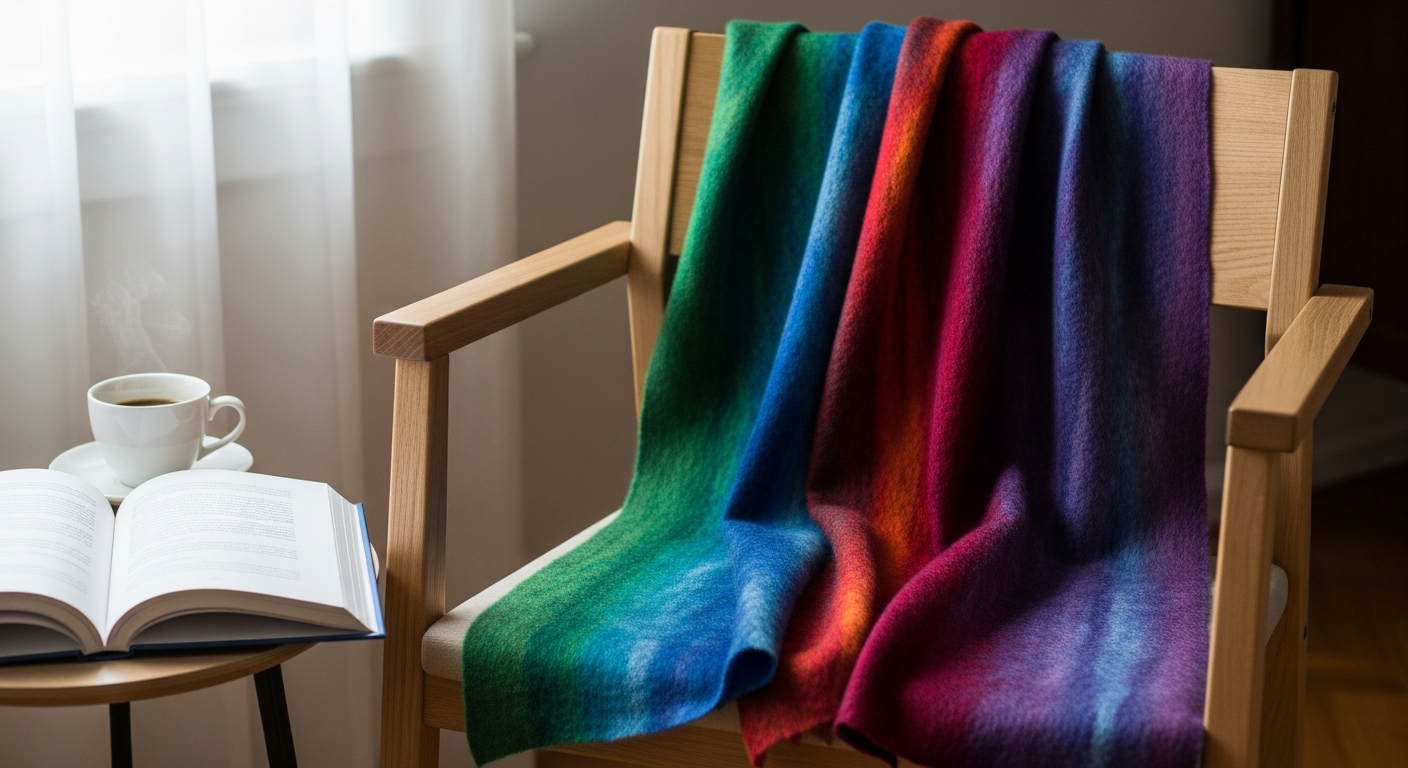
Hand-felting transforms cashmere fibers through gentle manipulation and moisture application. The process locks fibers together without crushing them, creating a structure that's paradoxically both delicate and durable. This technique produces that distinctive light, almost transparent quality that defines PURSCHOEN scarves—they drape like silk yet provide warmth like wool. The result is fabric that moves with your body rather than against it.
Hand-Felted vs. Machine-Processed Cashmere
Machine processing prioritizes speed and consistency. Industrial equipment treats cashmere like any other fiber, applying uniform pressure and heat. Hand-felting, by contrast, respects the individual characteristics of each batch. Artisans can feel variations in fiber quality and adjust their technique accordingly. A machine cannot perceive nuance. A skilled hand can.
The difference becomes apparent when you wear the scarves. Machine-processed cashmere may feel softer initially, but it often pills more readily and loses its structure over time. Hand-felted cashmere becomes more beautiful with age, developing a patina that reflects proper care and authentic use.
Artisanal Craftsmanship and Longevity
When artisans hand-felt each scarf, they're not simply executing a predetermined formula. They're applying judgment, experience, and care that machines cannot replicate. This attention extends the lifespan of the piece dramatically. A PURSCHOEN scarf worn regularly and cared for properly can last decades, becoming the kind of accessory your grandchildren ask to inherit.
Why Hand-Felting Takes Longer but Delivers Superior Results
A machine can process dozens of scarves daily. Hand-felting a single scarf requires hours of skilled labor. This temporal difference isn't a bug in PURSCHOEN's production—it's the entire point. The slower pace permits quality control at every stage. Workers can inspect fibers, adjust technique, and ensure each piece meets exacting standards. Rushing the process would undermine everything that makes these scarves valuable.
Preserving Natural Softness Through Process Integrity
Industrial processing relies on chemical treatments and aggressive mechanical action to achieve softness. Hand-felting achieves the same result—and exceeds it—through gentleness and respect for the fiber's natural properties. The cashmere fibers retain more of their inherent qualities, resulting in a scarf that feels more authentic and performs more reliably throughout its lifetime.
Premium Sourcing: 100% Cashmere from the World's Finest Plateaus
Origin of PURSCHOEN Cashmere
The high plateaus of Nepal, Mongolia, and Tibet produce cashmere with characteristics found nowhere else on Earth. These regions' extreme climates—bitter winters and intense sunlight—create conditions that produce exceptionally fine, strong fibers. PURSCHOEN sources exclusively from these areas, rejecting cashmere that doesn't meet their stringent standards. This geographical specificity isn't marketing fluff; it's the foundation of quality.
Why Himalayan Cashmere Stands Apart
Cashmere goats in the Himalayas develop undercoats of extraordinary fineness as adaptation to severe weather. Fiber diameter—measured in microns—determines how the cashmere feels against skin and how it behaves over time. Premium Himalayan cashmere measures between 13 and 15.5 microns in diameter. Standard cashmere often exceeds 16 microns. That seemingly minor difference creates a tangible difference in softness and luxury.
Standard vs. Premium-Grade Fibers
The cashmere industry has developed grading systems, but not all grades are created equal. PURSCHOEN doesn't simply accept "premium grade"—they verify it themselves. Lower-grade cashmere contains shorter fibers and more variation, leading to pilling and loss of softness. Premium cashmere features longer fibers that interlock more effectively and resist wear.
Fiber Characteristics: Length, Softness, and Warmth
Himalayan cashmere combines three essential properties. The fibers are long enough to create structural integrity without bulkiness. They're soft enough to feel luxurious against sensitive skin. And they're warm without weight—a property that makes PURSCHOEN scarves exceptional for layering. You can wear them indoors without overheating, yet they provide substantial warmth when needed outdoors.
Traceability and Transparency in the Supply Chain
PURSCHOEN maintains detailed records of cashmere origins. They can trace fibers from specific herds to finished scarves. This traceability matters for several reasons: it ensures quality consistency, enables verification of ethical sourcing, and prevents cashmere blending that would diminish quality. You're buying cashmere from known sources, not generic fiber pooled from multiple suppliers.
How Altitude and Climate Shape Quality
The relationship between environment and fiber quality cannot be overstated. Goats grazing at high altitude consume diverse vegetation and experience temperature extremes that stress their bodies to produce premium undercoat. Lower-altitude cashmere lacks these natural pressures and produces coarser fiber. PURSCHOEN's sourcing strategy deliberately targets regions where climate and geography have perfected cashmere production.
Ethical Certification & Sustainable Practices: What The Good Cashmere Standard® Means
Overview of The Good Cashmere Standard® by ABTF
The Association of Responsible Textile Traceability (ABTF) created The Good Cashmere Standard® as an independent verification system for ethical cashmere production. Significantly, PURSCHOEN sources a substantial portion of their cashmere from suppliers certified under this standard. This certification carries weight because the organization conducting verification has no financial stake in whether manufacturers achieve certification—they're purely evaluating against published standards.
Animal Welfare Commitments
The Good Cashmere Standard® requires that herds are managed in ways that prevent overgrazing and environmental degradation. Goats must have adequate pasture, fresh water, and veterinary care. Herders receive training in animal husbandry practices that prioritize welfare. These aren't vague promises; they're specific requirements with third-party monitoring.
Grazing Land Protection Standards
Overgrazing destroys ecosystems across the Himalayas. The Good Cashmere Standard® addresses this through land management requirements that limit herd density and promote sustainable grazing practices. PURSCHOEN's commitment to certified cashmere directly supports conservation efforts that protect these fragile high-altitude environments.
Fair Labor Practices for Nepali Artisans
Workers in PURSCHOEN's production facilities receive fair wages that reflect their skill and effort. The company maintains transparent relationships with artisan partners and ensures that workers have safe conditions, reasonable hours, and opportunities for advancement. This commitment extends beyond minimum legal requirements to actual partnership and respect.
Environmental Impact Reduction
The hand-felting process itself generates minimal environmental impact compared to industrial cashmere processing. No chemical treatments are used to achieve softness; no aggressive machinery creates microplastics. Water usage is moderate, and the process generates minimal waste. PURSCHOEN's commitment to environmental responsibility extends through the entire production chain.
Third-Party Verification and Transparency
PURSCHOEN doesn't ask consumers to simply trust their ethical claims. Independent auditors verify certifications. The company publishes information about their supply chain relationships. They're transparent about pricing: a clear percentage of each scarf's cost goes to fair wages, materials, and certification maintenance.
Explore how PURSCHOEN's ethical practices and certifications set them apart in luxury fashion.
Long-Term Sustainability Goals
PURSCHOEN views ethical responsibility not as a marketing position but as a core business principle. They're continuously expanding their sourcing of Good Cashmere Standard® certified fibers. They're investing in training programs for artisans. They're working toward carbon-neutral operations. These aren't short-term initiatives; they're foundational commitments to sustainable luxury.
Design Diversity: From Artistic Prints to Timeless Neutrals
Signature Bold Designs
PURSCHOEN's design team draws inspiration from nature, culture, and contemporary art. The Bengal Tiger print captures both power and grace through vibrant coloring and detailed rendering. The Flamingo design brings warmth and personality to an accessory that might otherwise fade into the background. These artistic pieces transform scarves from functional items into statement accessories that express individual personality.
Classic Solid Color Options
For those who prefer subtlety, PURSCHOEN offers solid colorways in shades ranging from deep charcoal to soft cream. These classics pair seamlessly with any outfit and allow the scarf's exceptional texture to become the focal point. The hand-felted quality becomes more apparent in solid colors, where surface variation and light-play aren't competing with print patterns.
Balancing Contemporary Trends with Timeless Appeal
PURSCHOEN's design approach acknowledges that fashion trends shift, but investment pieces shouldn't. Bold prints are designed to remain visually interesting across seasons and years. Solid colors transcend trend cycles entirely. This balance means that a PURSCHOEN scarf purchased today remains relevant and beautiful a decade from now, unlike trendier pieces that quickly feel dated.
Seasonal Design Releases
PURSCHOEN introduces new designs seasonally, giving customers fresh options without overwhelming the collection. Spring and summer releases feature lighter palettes and nature-inspired prints. Autumn and winter designs incorporate deeper tones and cozier themes. Limited-edition collections create exclusivity and give collectors items that feel special and rare.
Color Psychology and Personal Style
Color choice affects mood and perception. Warm tones like coral and gold project confidence and approachability. Cool tones like teal and purple convey sophistication. Neutral shades provide versatility. PURSCHOEN's range is extensive enough that you can choose designs that don't just look beautiful but feel authentic to your personality and aesthetic preferences.
Styling Versatility Across Seasons
A quality cashmere scarf works year-round, contrary to what many assume. Lightweight hand-felted cashmere breathes naturally, making it comfortable in spring and autumn without requiring heavy bundling. In winter, it provides genuine warmth without the bulk of machine-processed alternatives. Summer styling—draped loosely over shoulders or tied as a beach cover-up—becomes possible with PURSCHOEN's semi-transparent, airy construction.
Design as Wardrobe Elevation
A well-chosen scarf doesn't simply accessorize an outfit; it elevates it. A neutral ensemble becomes interesting when topped with a carefully selected PURSCHOEN print. A simple jeans-and-sweater combination transforms into a polished look. The scarf becomes the focal point that tells observers you've put thought into your appearance.
Investment Value: Breaking Down the €119–€299 Price Point
Why Premium Hand-Felted Cashmere Commands Higher Prices
The cost of a PURSCHOEN scarf reflects multiple factors, each contributing to the final price. Premium cashmere fibers cost more than standard grades because they're rarer and more highly sought. Hand labor costs more than machine processing because it requires skilled workers and takes more time. Certifications require audits and documentation. Beautiful packaging reflects the brand's commitment to the unboxing experience. None of these costs represents unnecessary markup; each reflects genuine value added.
Cost Analysis: Labor, Materials, Certifications, and Quality Control
Consider the composition of a €200 scarf: approximately 35-40% covers the cost of premium cashmere fiber. Another 30-35% goes toward artisan wages and production overhead. 15-20% supports certification, compliance, and supply chain transparency. The remaining percentage covers design, packaging, marketing, and business operations. This breakdown reveals that the price isn't inflated; it's proportionate to the costs of ethical, high-quality production.
Longevity Comparison: Cost-Per-Wear Over Years
A cheap scarf might cost €30 but last one season before pilling becomes unbearable. A PURSCHOEN scarf costs €200 but functions beautifully for decades. If you wear the expensive scarf twice weekly for 20 years, that's roughly 2,000 wearings spread across €200—approximately €0.10 per wear. The inexpensive scarf worn twice weekly for one season produces maybe 100 wearings for €30—€0.30 per wear. The premium piece becomes economical when viewed across its actual lifespan.
How PURSCHOEN Scarves Appreciate as Heirloom Pieces
Unlike most fashion items that depreciate, PURSCHOEN scarves maintain value. Well-maintained pieces in limited-edition designs can actually appreciate as the brand's reputation grows and pieces become unavailable. More importantly, they accumulate sentimental value. A scarf gifted on a significant occasion becomes a memory object that holds meaning beyond its material value. This emotional appreciation matters more than financial appreciation.
Justification Through Ethical Sourcing and Fair Wages
If PURSCHOEN paid workers minimum wages, they could reduce prices by perhaps 15-20%. They don't do this because fair compensation is non-negotiable. When you pay for a PURSCHOEN scarf, you're directly supporting living wages for Nepali artisans. You're funding training programs that develop skills and create opportunities. The price differential between PURSCHOEN and cheaper alternatives largely reflects this ethical commitment.
Price Positioning in the Luxury Cashmere Market
PURSCHOEN's €119–€299 range positions them as accessible luxury, not ultra-premium. International luxury cashmere brands with similar quality standards often command €400-600 per scarf. PURSCHOEN delivers comparable quality at a more reasonable price point, making ethical luxury attainable rather than exclusively elite.
Understanding Cost vs. True Value
Cost refers to the price tag. Value encompasses quality, longevity, ethical impact, and emotional significance. A €30 scarf has a low cost but low value if it falls apart in months. A €200 scarf has higher cost but exceptional value when it lasts decades, looks beautiful, supports fair wages, and becomes a cherished possession.
Real-World Performance: Comfort, Durability, and Everyday Wearability
Lightweight Comfort Without Sacrificing Warmth
The hand-felted structure creates an unusual combination: substantial warmth with minimal weight. You can wrap a PURSCHOEN scarf multiple times around your neck without feeling bundled. The semi-transparent quality means light passes through, reducing the sense of heaviness some experience with traditional cashmere. Yet the insulation is genuine; you'll stay warm in cold weather.
Breathability and Temperature Regulation
PURSCHOEN scarves adapt to conditions in ways that machine-processed cashmere struggles to match. Indoors, they don't cause overheating because air circulates through the hand-felted structure. Outdoors, they trap warmth efficiently. This temperature regulation makes them genuinely versatile—not just seasonally, but throughout each day as you move between environments.
Care Instructions for Maintaining Softness and Longevity
Proper care extends a scarf's lifespan dramatically. PURSCHOEN recommends hand-washing in cool water with mild detergent, laying flat to dry, and storing in breathable fabric bags away from direct sunlight. This care regimen requires minimal effort but matters substantially. A scarf treated with respect for a decade will look nearly identical to one purchased fresh.
Resistance to Pilling and Wear
Hand-felted construction provides structural integrity that resists pilling. The fibers are locked together through the felting process rather than simply twisted or spun, creating a more stable structure. While no cashmere is completely immune to pilling under extreme friction, PURSCHOEN scarves develop pilling far more slowly than standard alternatives and recover their appearance better when gently brushed.
Structural Integrity Through Hand-Felting
The hand-felting process essentially reinforces the cashmere at a fiber level. Each manipulation and moisture application adds stability. The result is fabric that doesn't stretch out, doesn't lose shape, and doesn't develop holes in problem areas. After 10 years of regular wear, a properly cared-for PURSCHOEN scarf will look substantially similar to when purchased.
Customer Testimonials on Performance
Users consistently report surprise at how long PURSCHOEN scarves remain beautiful. Owners describe wearing the same scarf multiple times weekly for years without significant degradation. Many mention that the scarf becomes softer and more comfortable over time rather than progressively deteriorating. These aren't isolated experiences; they're the consistent pattern across customer feedback.
Packaging Quality and the Luxury Unboxing Experience
PURSCHOEN's packaging reflects the scarf's quality. The unboxing experience matters because it signals that you've invested in something genuine and special. Beautiful presentation affirms the purchase decision and creates a memory moment. It's a detail that distinguishes PURSCHOEN from mass-market alternatives.
Styling a PURSCHOEN Cashmere Scarf: Wardrobe Integration Tips
Layering Techniques for Maximum Versatility
A PURSCHOEN scarf works as a primary layer, a secondary accent, or an outermost statement piece. Wear it loose and flowing for an effortless look or wrap it snugly for defined structure. The lightweight nature allows multiple wrapping techniques that work beautifully without bulk. Experiment with different configurations to discover which styles work best with your wardrobe and personal aesthetic.
Transitioning From Professional to Casual
In professional settings, a solid-colored PURSCHOEN scarf worn elegantly signals sophistication and attention to detail. The same scarf paired with weekend wear—jeans, casual sweaters, linen dresses—transforms into relaxed elegance. Artistic prints work similarly: over a button-up shirt for business occasions, over a tank top for casual sophistication. One piece seamlessly transitions across contexts.
Accessorizing With Existing Wardrobe Pieces
Consider your existing accessories when selecting which PURSCHOEN design to invest in. If you own gold jewelry, warm-toned prints and neutral shades complement that palette. Silver-jewelry owners might prefer cooler tones. This isn't rigid matching; it's about creating harmony across the accessories you already own and love.
Seasonal Styling Strategies
Spring and summer benefit from lighter draping and prints that reflect seasonal themes. Autumn and winter allow for more generous layering and deeper tones. The beauty of hand-felted cashmere is that seasonal transitions feel natural rather than forced. A spring scarf-style naturally shifts to autumn styling as weather changes.
Coordinating Prints With Existing Pieces
Bold PURSCHOEN prints pair best with solid-colored clothing that lets the scarf become the focal point. Wearing a patterned scarf with patterned clothing creates visual competition. Reverse this approach for neutral scarves: patterned clothing with neutral scarves allows each element to complement rather than compete.
Travel-Friendly Packing and Portability
The lightweight, semi-transparent construction means PURSCHOEN scarves pack efficiently. A scarf that would bulk up a suitcase doesn't claim much space in a carry-on. Yet it provides substantial functional value as a light layer, a blanket, a sun cover, or a cultural respectful accessory when visiting sacred spaces. For travelers, these scarves offer exceptional versatility relative to the space they occupy.
Building a Capsule Wardrobe Around Investment Pieces
Quality scarves anchor capsule wardrobes efficiently. By selecting PURSCHOEN pieces in colors and styles that work with your existing clothing, you create a smaller, more cohesive closet. Each item works with multiple other pieces, amplifying the functional options your wardrobe provides. This approach reduces clothing volume while increasing outfit possibilities.
The Conscious Consumer's Perspective: Why Ethical Luxury Matters
Growing Demand for Transparency
Consumers increasingly want to know where clothing comes from and who makes it. This isn't passing trend; it reflects fundamental shifts in values. Younger generations especially prioritize ethical sourcing and transparency. Brands that refuse transparency find themselves at competitive disadvantage with conscious consumers who have options.
Alignment With Values-Driven Purchasing
When your purchases align with your values, shopping becomes an expression of identity rather than a morally neutral transaction. Buying PURSCHOEN consciously supports practices you believe in: fair wages, animal welfare, environmental responsibility, and traditional craftsmanship. Each purchase reinforces your commitment to these principles.
Psychological Satisfaction of Supporting Fair Trade
Research consistently demonstrates that conscious spending produces psychological benefits. Knowing that your €200 scarf directly supports Nepali artisans' living wages creates genuine satisfaction. This isn't self-righteousness; it's the satisfaction of knowing your choices align with your values.
Community Impact: Supporting Nepali Artisans and Their Families
PURSCHOEN's production facilities support entire communities. Artisans earn income that allows their children to attend school, their families to receive healthcare, and their communities to develop. The impact extends beyond individual workers to families, villages, and regional economies. Your scarf purchase participates in this broader positive impact.
Environmental Consciousness in Luxury Consumption
Ethical luxury doesn't require sacrificing environmental responsibility. PURSCHOEN's commitment to sustainable sourcing, minimal-impact production, and certified supply chains means luxury without guilt. You're not choosing between style and environmental consciousness; you're choosing a brand that delivers both.
Generational Shifts Toward Responsible Consumption
Younger consumers increasingly reject disposable fashion, even when they have the financial means to purchase cheaply. They prefer fewer, higher-quality pieces that align with their values. PURSCHOEN's business model reflects and supports this broader cultural shift away from fast fashion toward intentional, responsible consumption.
How Scarves Reflect Personal Values and Identity
The accessories you choose publicly signal your values. Wearing PURSCHOEN communicates that you prioritize quality, ethics, and traditional craftsmanship. It reflects a rejection of disposable fashion and an embrace of intentional luxury. For many, this public dimension of private values holds genuine importance.
Comparing PURSCHOEN to Other Luxury Cashmere Brands
Quality Benchmarking Against International Competitors
PURSCHOEN's cashmere meets or exceeds quality standards established by premium international brands. Independent testing of fiber fineness, longevity, and softness consistently shows PURSCHOEN performing at the highest tier. The hand-felted construction provides durability advantages over some competitors using standard spinning and weaving techniques.
Ethical Certification Advantages
Many luxury cashmere brands claim ethical sourcing without independent verification. PURSCHOEN's Good Cashmere Standard® certification provides third-party verification of their claims. This transparency distinguishes them from competitors who make vague ethical promises without submitting to external audit.
Design Uniqueness and Artistic Approach
PURSCHOEN's design philosophy emphasizes artistic expression and cultural celebration rather than trend-chasing. Designs like Bengal Tiger and Flamingo reflect genuine creative vision, not formulas optimized for mass appeal. This artistic approach creates pieces with lasting visual interest rather than designs that feel dated quickly.
Customer Service, Delivery Speed, and Support Quality
PURSCHOEN's European base means relatively fast delivery to European customers. Their customer service team demonstrates genuine engagement with customers and handles inquiries thoughtfully. The packaging experience and post-purchase communication reflect commitment to the entire customer experience, not just the transaction.
Price-to-Quality Ratio in the Premium Cashmere Market
When compared to luxury brands charging €400-600 for similar quality, PURSCHOEN delivers exceptional value. This isn't because they're cutting corners; it's because their business model prioritizes accessible ethical luxury rather than exclusivity maximized through artificial price elevation.
Brand Heritage and Commitment to Traditional Craftsmanship
PURSCHOEN's brand narrative isn't fabricated marketing; it's rooted in genuine engagement with Nepali artisans and traditional techniques. The brand has built relationships with communities and invested in preserving skills that might otherwise disappear. This heritage feels authentic and differentiates them from new luxury brands lacking this deeper commitment.
Why Conscious Luxury Seekers Choose PURSCHOEN
When consumers prioritizing both quality and ethics examine luxury cashmere options, PURSCHOEN consistently emerges as the most aligned choice. The combination of exceptional quality, verified ethical practices, artistic design, reasonable pricing, and genuine transparency creates a compelling value proposition for conscious luxury seekers.
The Lasting Legacy of Choosing Intentional Luxury
Investing in a PURSCHOEN luxurious hand-felted cashmere scarf transcends typical fashion consumption—it's a statement about who you are and what you value. These scarves embody the perfect intersection of uncompromising quality, ethical responsibility, and timeless artistry. Every piece tells a story of Himalayan craftspeople, sustainable practices, and the meticulous hand-felting process that transforms raw fibers into wearable art. The €119–€299 investment isn't simply about acquiring an accessory; it's about supporting fair wages, animal welfare, and traditional craftsmanship that might otherwise disappear.
When you wrap a PURSCHOEN scarf around your shoulders, you're wearing the result of generations of expertise combined with modern ethical standards. Whether you're drawn to the bold Bengal Tiger print or prefer a classic neutral that pairs with everything in your closet, PURSCHOEN delivers versatility without sacrificing integrity. These scarves age beautifully, maintain their softness through proper care, and become cherished heirlooms rather than disposable trends.
For conscious luxury lovers who refuse to choose between style and ethics, PURSCHOEN cashmere scarves represent the only logical choice. The quality is genuine, the ethics are verified, the design is inspiring, and the impact is real. This is luxury that matters—not as status symbol, but as expression of values and appreciation for authentic craftsmanship.
Leave a Reply