The Design That Changed Everything—A 70-Year Legacy
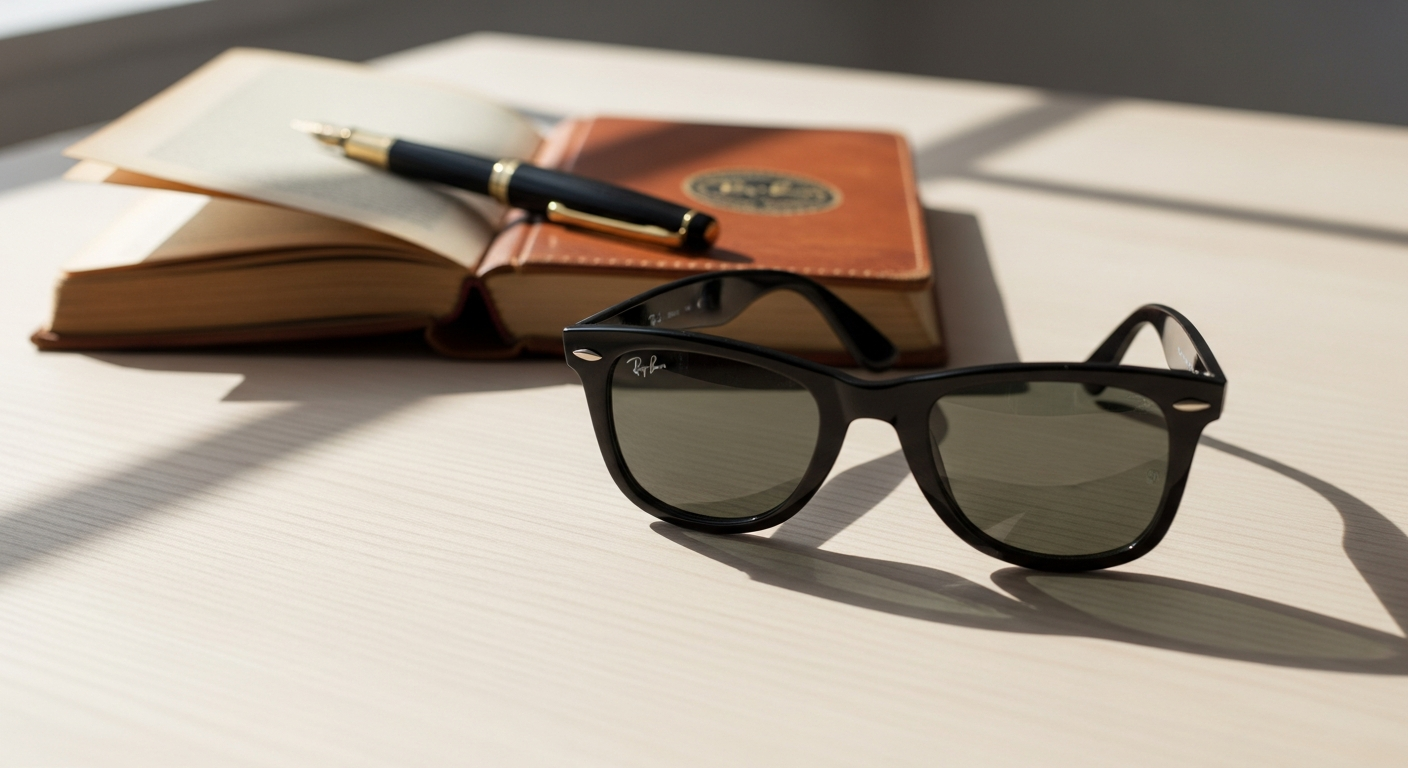
The same sunglasses design that debuted in 1956 remains one of the world's best-selling eyewear products today. The Ray-Ban Original Wayfarer Classic hasn't just survived seven decades—it's thrived, consistently outpacing newer competitors and commanding premium prices across retailers worldwide. That's the power of authentic design.
What makes this particular pair of sunglasses so different? The Original Wayfarer revolutionized the industry by introducing bold, molded acetate frames when metal frames dominated the market. This wasn't a subtle shift—it was a complete reimagining of what sunglasses could be aesthetically and functionally. The model RB2140 paired this distinctive trapezoidal design with high-quality G-15 lenses that deliver exceptional clarity and UV protection, creating a product that balances heritage with genuine optical performance.
This article walks you through what makes these sunglasses genuinely worth considering—from their construction and lens technology to their cultural legacy and practical comfort considerations. You'll understand the real differences between the Original Wayfarer and modern alternatives, discover whether the €100–€200 price tag aligns with value, and learn which face shapes and lifestyles benefit most from this iconic frame.
Discover the Ray-Ban Original Wayfarer Classic and experience iconic eyewear excellence today.
The Design That Changed Everything—A 70-Year Legacy
The Revolutionary Shift from Metal to Molded Acetate
In 1956, Ray-Ban introduced something genuinely disruptive. While competitors relied on delicate metal frames, the Original Wayfarer arrived in bold, injection-molded acetate. This material choice wasn't merely aesthetic—it represented a fundamental departure from eyewear convention. Acetate offered durability, allowed for dramatic geometric shapes, and could be produced in rich colors that metal simply couldn't replicate. The frame's robust construction meant it could withstand daily wear without the fragility that plagued earlier designs.
The Distinctive Trapezoidal Shape and Its Cultural Significance
The Original Wayfarer's trapezoidal frame—wider at the top, narrower at the bottom—became instantly recognizable. This bold geometric design defied the subtle curves and understated aesthetics that dominated mid-century eyewear. The shape communicated confidence, rebellion, and individuality. When James Dean wore them in promotional shots, and later when musicians and artists adopted the style, the frame transcended functional accessory territory and became a cultural symbol. The geometry wasn't just visually striking; it positioned the wearer as someone willing to stand apart.
Understanding the Pantoscopic Tilt
One defining characteristic of the Original Wayfarer is its pantoscopic tilt—the top of the frame angles slightly forward, away from the face. This tilt contributes significantly to the Wayfarer's distinctive retro appearance and affects how light enters the frame. For some wearers, this tilt feels natural and provides a comfortable, secure fit. For others, particularly those with certain face shapes or sensitive eye areas, the angle can create discomfort or allow overhead sunlight to reach the eyes. Understanding this feature matters because it directly impacts real-world wearability.
Original Wayfarer Versus New Wayfarer Design Evolution
Ray-Ban introduced the New Wayfarer (RB2132) to address contemporary preferences without abandoning the original's core identity. The New Wayfarer features softer curves, reduced pantoscopic tilt, and a lighter overall construction. It's genuinely more comfortable for some wearers and suits modern face shape trends. However, this refinement comes at a cost—the New Wayfarer loses the bold graphic impact and distinct retro character that makes the Original so visually commanding. Choosing between them depends on whether you prioritize the iconic silhouette or contemporary comfort optimization.
Celebrity Endorsement and Cultural Icons
The Original Wayfarer's popularity accelerated through strategic and organic celebrity adoption. From James Dean's cultural rebellion to Bob Dylan's counterculture authenticity, the frame became associated with creative nonconformity. Musicians, film stars, and artists across decades have worn these sunglasses, creating an unbroken chain of cultural relevance. This isn't manufactured marketing in the contemporary sense—it's genuine adoption by people defining cultural movements. That historical weight matters. Wearing Original Wayfarers connects the wearer to a lineage of creative, independent voices.
Frame Versatility Across Face Shapes and Personal Styles
The Original Wayfarer's geometric boldness means it complements certain face shapes naturally while challenging others. Angular, rectangular, and square faces typically align well with the frame's pronounced geometry. Rounder faces sometimes struggle with the visual contrast, though personal preference ultimately trumps conventional guidelines. Style-wise, the Wayfarer works across casual, business-casual, and creative professional contexts. The frame's cultural weight means it functions equally well with vintage-inspired wardrobes, contemporary streetwear, or minimalist aesthetics—it adapts to the wearer's story rather than dictating it.
Acetate Durability and Seven Decades of Material Excellence
Acetate's longevity explains why this 1956 design hasn't required fundamental revision. The material resists UV degradation far better than early plastics, maintains its color and clarity for years, and can be repaired rather than replaced. Acetate frames become comfortable as they age, gradually conforming slightly to the wearer's head shape. Unlike metal frames prone to corrosion or adjustment issues, acetate provides consistent performance. A well-maintained pair of Original Wayfarers can function flawlessly for 10+ years, outlasting fashion cycles and technological trends in eyewear manufacturing.
Optical Performance & Lens Technology Explained
G-15 Green Lenses: Clarity and Color Perception
The iconic G-15 lens represents a deliberate optical choice rather than aesthetic preference. These green-tinted lenses transmit approximately 15% of visible light while maintaining exceptional color accuracy. Unlike darker or more heavily tinted lenses that can distort color perception, G-15 lenses allow you to see the world with authentic hue representation. Greens remain green, reds remain red, blues remain blue. This color fidelity matters for activities from driving to outdoor work where precise color recognition enhances safety and performance. The tint also reduces glare without the visual tunnel effect created by heavily shaded lenses.
100% UV Protection and Long-Term Eye Health
Ray-Ban's G-15 lenses block 100% of UVA and UVB radiation. This isn't marketing language—it's optical reality that directly protects eye health. Prolonged UV exposure contributes to cataracts, macular degeneration, and other age-related vision conditions. Quality UV protection essentially extends your eyes' functional lifespan. When you invest in Original Wayfarers with legitimate G-15 lenses, you're purchasing genuine eye health protection alongside style. This health benefit alone justifies part of the price premium, particularly for individuals spending significant time outdoors.
Glare Reduction in Bright Conditions
Beyond UV protection, G-15 lenses excel at glare reduction. The green tint specifically reduces the blue wavelengths that create harsh reflective glare off water, snow, and pavement. Wearing Original Wayfarers during bright outdoor conditions produces notably reduced eye strain compared to unprotected vision or inferior sunglasses. This glare reduction improves visual comfort and actually enhances clarity by reducing the eye's compensatory squinting response.
Lens Options Beyond the Classic G-15
While G-15 remains the signature offering, Ray-Ban produces Original Wayfarers with alternative lens options. Polarized versions eliminate reflective glare entirely, offering enhanced contrast in outdoor environments. Gradient lenses provide darker tinting at the top, progressively lightening toward the bottom—useful for driving where you need reduced glare from above but better visibility of instrument panels. Specialty treatments like mirror coatings or enhanced contrast options exist for specific activities. However, these alternatives sometimes sacrifice the color authenticity that makes G-15 exceptional.
Lens Quality and Overall Value Proposition
Quality optics represent a significant portion of the Original Wayfarer's value. Budget sunglasses often feature optically inferior lenses that distort vision, cause eye strain, and provide inadequate UV protection. Ray-Ban's manufacturing standards ensure optical precision—your vision remains sharp across the entire lens, not just the center. This optical clarity contributes meaningfully to the eye health and visual comfort equation, justifying the €100–€200 investment compared to €20 alternatives.
Prescription-Ready Customization
The Original Wayfarer can be fitted with prescription lenses, transforming it from a style statement into a complete vision solution. For individuals requiring vision correction, this capability means you're not choosing between optical clarity and iconic style—you get both. Prescription variants command higher prices but eliminate the need for separate prescription eyewear or contact lenses, potentially delivering better overall value for regular wearers.
G-15 Lens Comparison to Other Popular Colors
Brown lenses enhance contrast and work well in variable lighting conditions but don't maintain color accuracy as effectively as G-15. Gray lenses provide neutral color perception but offer less glare reduction. Rose or amber lenses enhance contrast dramatically but distort natural colors. G-15 represents the optimal balance between glare reduction, color accuracy, and versatility across lighting conditions. This technical superiority partly explains why G-15 remains the most iconic and sought-after Original Wayfarer variant.
Sizing, Fit & Comfort Considerations for Different Wearers
Understanding Standard Measurements
The Original Wayfarer RB2140 typically features 50mm lens width, 22mm bridge width, and 150mm temple length. These measurements describe the frame's physical dimensions. The 50mm lens width falls in the medium-to-large category—substantial enough to provide genuine sun coverage without feeling oversized. The 22mm bridge measurement indicates the distance between lenses; narrower bridges work better for smaller faces or closer-set eyes. The 150mm temple length accommodates average to slightly larger head sizes. Knowing your existing eyewear measurements helps determine if these standard dimensions suit your proportions.
Determining Face Shape Compatibility
Angular faces benefit most from the Original Wayfarer's geometric lines. If you have a rectangular or square face shape, the frame's sharp angles create natural visual harmony. Oval faces accommodate the frame reasonably well, though it doesn't enhance the face shape as dramatically as with angular features. Round faces can wear Original Wayfarers successfully, though the bold geometry creates intentional visual contrast rather than complementary balance. Ultimately, personal preference matters more than conventional guidelines—confidence in any frame choice enhances its visual impact.
Pantoscopic Tilt's Impact on Comfort and Light Entry
The forward-angling tilt that characterizes the Original Wayfarer affects two comfort variables. First, it positions the frame closer to your eyes in the upper portion, which some wearers find secure and comfortable while others experience pressure. Second, the tilt's geometry means overhead sunlight can reach your eyes if the frame sits lower on your nose or if you have a smaller face. Testing the actual frame before purchasing reveals whether this tilt creates discomfort or feels natural.
Weight Distribution and Frame Substance
The Original Wayfarer's substantial acetate construction means these sunglasses weigh noticeably more than lightweight modern alternatives. Some wearers appreciate the substantial feel—it communicates quality and durability. Others find the weight creates fatigue during extended wear, particularly if not perfectly positioned on the nose bridge. Individuals accustomed to featherweight frames may experience adjustment period discomfort. However, most wearers adapt within days as the frame naturally settles into a comfortable position.
Identifying Your Ideal Face Shape for This Frame
Square faces with defined jawlines create visual cohesion with the Wayfarer's geometric edges. Rectangular faces benefit from the frame's height, which provides balance. Oval faces work well with nearly any frame style, including the Original Wayfarer. Heart-shaped faces (wider forehead, narrower chin) sometimes find the Wayfarer's top-heavy geometry creates visual imbalance, though this doesn't preclude successful wearing. The best approach involves trying them on or comparing photos of the frame against your face shape before committing.
New Wayfarer Comparison for Comfort-Focused Wearers
If you prioritize comfort above all else, the New Wayfarer deserves serious consideration. Its softer curves and reduced tilt accommodate a wider range of face shapes and comfort preferences. The lighter construction reduces fatigue during extended wear. The trade-off involves sacrificing the iconic silhouette that makes the Original visually distinctive. This represents a genuine choice between ergonomic optimization (New Wayfarer) and aesthetic authenticity (Original Wayfarer).
Testing Fit and Long-Term Comfort Guidelines
Before purchasing, wear the frame for at least 15 minutes in varied lighting conditions. Notice whether the bridge feels secure without creating pressure marks. Check if the temples rest comfortably behind your ears without sliding or pinching. Observe whether light enters from above or sides in ways that feel uncomfortable. These real-world tests reveal comfort trajectory better than brief try-ons. Quality retailers typically allow reasonable trial periods—use this opportunity to confirm fit before finalizing your investment.
Find your perfect fit with the Original Wayfarer and experience the comfort of iconic design.
Investment Value—What You're Really Paying For
Price Range and Factors Influencing Cost
The €100–€200 price range represents standard Original Wayfarer pricing through most authorized retailers. Variation within this range depends on several factors: lens treatment (polarized lenses command premiums), frame color availability (some hues cost more), retailer location and local taxation, and current promotional activity. Limited editions or special collaborations can exceed this range significantly, sometimes reaching €250 or more. Understanding what drives pricing helps determine whether you're paying fair market value or premium pricing.
Limited Editions and Collector Premiums
Ray-Ban periodically releases limited-edition Original Wayfarers featuring collaboration designs, special colors, or celebrity partnerships. These editions often sell at substantial markups compared to standard variants. From a pure value perspective, limited editions represent lifestyle purchasing rather than functional eyewear investment—you're paying for exclusivity and collectibility rather than enhanced optical performance. These can make sense for collectors or devoted enthusiasts but don't necessarily provide better value than standard models.
Durability and Cost-Per-Wear Analysis
A €150 pair of Original Wayfarers worn daily for seven years represents approximately €0.06 per wear. Compared to budget alternatives costing €30 that require replacement every two years, the Original Wayfarer delivers superior cost-per-wear value despite higher upfront investment. This math works particularly well for individuals who actually wear sunglasses consistently. Conversely, if you wear sunglasses sporadically, the cost-per-wear calculation becomes less favorable compared to less expensive options.
Resale Value and Financial Longevity
Original Wayfarers hold remarkable resale value—a well-maintained pair typically sells for 60-75% of retail price on secondhand markets. This retention reflects genuine desirability and cultural significance. By contrast, most trendy sunglasses depreciate to 20-30% of retail value. For serious eyewear enthusiasts, this resale retention means your actual net investment decreases substantially if you eventually choose to upgrade or diversify your collection.
Acetate Construction Quality and Budget Comparison
Ray-Ban's acetate sourcing, injection molding precision, and quality control standards produce frames that don't yellow or become brittle after years of use. Budget alternatives frequently use lower-grade acetate that degrades rapidly, becoming discolored and prone to cracking. This material difference directly translates to lifespan disparity. Premium acetate quality justifies a portion of the price premium because it's literally different material engineering, not just branding markup.
Warranty and Repair Options Through Authorized Retailers
Authorized Ray-Ban retailers typically offer warranties covering manufacturing defects for one to two years. Beyond warranty periods, professional repair services can address frame damage, temple repair, or hinge adjustment relatively inexpensively. This repair infrastructure means Original Wayfarers can be maintained and extended indefinitely rather than discarded when minor damage occurs. Budget sunglasses often lack accessible repair options, necessitating replacement.
Price Tag Assessment: Quality Versus Brand Prestige
The Original Wayfarer's price reflects genuine quality factors—superior acetate, precise optical lenses, robust construction—alongside brand prestige and cultural cachet. Approximately 60% of the price represents tangible optical and material quality, while 40% reflects brand recognition and cultural significance. This ratio differs from purely fashion-driven luxury items where branding dominates the value equation. You're purchasing real performance alongside cultural narrative, making the investment more defensible than purely status-based luxury pricing.
Honest Strengths & Limitations You Should Know
Unmatched Iconic Status and Cultural Weight
Wearing Original Wayfarers immediately positions you within a cultural continuum stretching back to 1956. This isn't forced—it's an organic reality reflected in decades of cultural artifact presence. The frame communicates something about your aesthetic sensibilities without requiring explanation. For individuals who value that cultural connection and the subtle statement it makes, this represents genuine value that transcends functional eyewear.
Timeless Design Transcending Seasonal Trends
Original Wayfarers have remained visually relevant through seven decades of eyewear trend cycles. While specific colors or limited editions may fall in and out of fashion, the core RB2140 design in classic black or tortoiseshell consistently reads as contemporary and tasteful. This temporal stability means you're not purchasing sunglasses that look dated after 18 months. Investment longevity matters, and the Original Wayfarer delivers it genuinely.
Superior Optical Performance
The optical clarity delivered by G-15 lenses—combined with 100% UV protection and authentic color perception—represents genuine functional superiority compared to budget alternatives. Your vision remains sharp, your eyes receive legitimate protection, and color accuracy isn't compromised. This performance advantage exists independent of the frame's cultural status and would justify the investment purely on optical grounds.
Robust Acetate Construction Built for Years
Quality acetate construction delivers reliability. Properly maintained Original Wayfarers function flawlessly for 10-15 years or longer. The material doesn't degrade rapidly, frames don't become brittle, and the structural integrity remains intact through normal use. This durability directly converts to years of reliable performance per purchase.
Versatility Across Professional and Casual Settings
Original Wayfarers function equally well in creative professional contexts, casual environments, and formal settings. The frame's iconic status means it works across style contexts rather than requiring specific aesthetic alignment. This versatility enhances practical value—you're not purchasing context-specific eyewear but rather a genuine all-purpose accessory.
Prescription-Ready Customization Options
The ability to integrate prescription lenses transforms the Original Wayfarer from style accessory into complete vision solution. For people requiring vision correction, this eliminates the choice between optical clarity and iconic aesthetics.
The Pantoscopic Tilt Challenge
The forward-angling frame top that creates the Wayfarer's signature silhouette can create genuine discomfort for certain face shapes. If your facial proportions mean the frame sits differently than intended, the tilt may position temple arms uncomfortably or allow unwanted overhead light entry. Testing before purchasing becomes essential for mitigating this limitation.
Weight and Bulk Compared to Modern Alternatives
Contemporary sunglasses often feature lighter materials and streamlined designs that reduce weight and bulk. Original Wayfarers, by comparison, feel substantial—appreciated by some wearers, experienced as burdensome by others. If you prioritize lightweight comfort during extended wear, modern alternatives deliver better ergonomics.
Premium Pricing Relative to Functional Alternatives
Sunglasses costing €50-€80 can provide legitimate UV protection and decent optical clarity. Original Wayfarers cost substantially more. If you prioritize functional protection above aesthetic and cultural factors, less expensive alternatives may deliver adequate performance at lower cost.
Bold Design Incompatibility with Minimalist Aesthetics
Individuals seeking understated, minimal eyewear accessories may find the Original Wayfarer's graphic boldness misaligned with their aesthetic preferences. The frame demands visual attention rather than receding into background accessory territory.
Limited Field of View
While not excessively small, the Original Wayfarer's 50mm lens width provides less peripheral coverage than oversized contemporary frames. For activities requiring maximum field of view, larger modern designs perform better.
Who Should Buy the Ray-Ban Original Wayfarer Classic?
Vintage Fashion Enthusiasts and Retro Aesthetic Lovers
Individuals drawn to mid-century design, retro fashion, and vintage aesthetics find natural alignment with the Original Wayfarer. These sunglasses complement vintage-inspired wardrobes authentically, enhancing cohesive retro styling. If your personal aesthetic gravitates toward 1950s-60s visual language, the Original Wayfarer integrates seamlessly rather than representing aspirational adoption.
Individuals with Complementary Face Shapes
People with angular, rectangular, or square face shapes benefit from the frame's geometric alignment. If your facial proportions naturally complement the trapezoidal design, the visual enhancement adds value beyond the sunglasses' functional performance. Trying them on reveals whether your face shape creates this visual synergy.
People Prioritizing Durability and Investment Value
Anyone seeking eyewear they'll wear for 10+ years and potentially pass down should seriously consider Original Wayfarers. The construction quality, resale value, and cultural significance create a compelling long-term investment narrative. If you tire of replacing sunglasses every few years, the Original Wayfarer's durability offers relief.
Those Seeking Cultural Significance Alongside Function
For individuals who appreciate wearing products with historical weight and cultural meaning, the Original Wayfarer delivers both substance and story. You're not just wearing sunglasses; you're participating in a design legacy. This cultural connection matters deeply to some people and represents additional value beyond optical performance.
Professionals and Creatives Wanting Conversation-Starting Accessories
Creative professionals, artists, musicians, and people in fields valuing distinctive self-expression appreciate how Original Wayfarers communicate aesthetic sensibility. The frame functions as a subtle statement piece signaling cultural awareness and design appreciation. In creative contexts, this subtle visual communication enhances professional positioning.
Collectors of Iconic Design Pieces
Design enthusiasts and collectors benefit from the Original Wayfarer's status as a museum-quality iconic design. Owning an example of one of the twentieth century's most significant eyewear designs appeals to people who appreciate design history and craftsmanship. The resale market supports collecting motivations well.
Anyone Willing to Prioritize Timeless Style Over Seasonal Trends
If you prefer building a wardrobe around timeless pieces rather than chasing seasonal trends, Original Wayfarers align perfectly with this philosophy. The frame's proven temporal stability means you're not purchasing fashion—you're acquiring genuine timelessness.
Users Who Don't Require Lightweight or Oversized Frames
Individuals comfortable with more substantial eyewear and traditional sizing (rather than contemporary oversized trends) find the Original Wayfarer's proportions and weight natural and comfortable.
Alternatives & How the Original Wayfarer Compares
Ray-Ban New Wayfarer: Modern Refinements
The New Wayfarer (RB2132) offers softer curves, reduced pantoscopic tilt, and lighter construction targeting contemporary comfort preferences. It retains the Wayfarer name and heritage while optimizing for modern ergonomics. The trade-off involves losing the iconic silhouette that makes the Original instantly recognizable. Performance-wise, both feature comparable G-15 lens quality. Choose the New Wayfarer if comfort optimization matters more than maintaining the original design's graphic boldness.
Ray-Ban Clubmaster: Alternative Geometric Option
The Clubmaster features bold geometric framing without the Original Wayfarer's trapezoidal silhouette. Its browline-forward design appeals to people seeking distinctive geometric styling that differs from the Wayfarer's legacy. The Clubmaster offers comparable optical performance and durability, making it a genuine alternative rather than inferior option. Personal style preference drives the choice between these two iconic Ray-Ban models.
Vintage-Inspired Frames from Competing Brands
Warby Parker, Oliver Peoples, and other contemporary eyewear companies produce retro-inspired frames attempting to capture Wayfarer-adjacent aesthetics. These alternatives typically cost €100-€150, positioning them competitively price-wise. However, they lack the Original Wayfarer's cultural authenticity and design pedigree. You're purchasing frame style inspired by historical design rather than the actual historical design. For some consumers, this distinction matters less than for others.
Lightweight Contemporary Alternatives
Modern sunglasses increasingly emphasize lightweight materials and minimalist designs. Brands like Maui Jim or Randolph Engineering produce technically superior optics and featherweight construction at comparable price points. These alternatives excel for people prioritizing ergonomic performance over cultural narrative. The Original Wayfarer's advantage lies in aesthetic and cultural dimensions rather than pure optical technology.
Brand Replication Attempts
Numerous brands attempt Wayfarer replication at lower price points—€30-€60 options featuring trapezoidal frames and similar styling cues. These rarely deliver equivalent build quality or optical performance. However, for casual wearers unconcerned with durability or cultural authenticity, the functional difference may not justify the Original Wayfarer's premium.
Price Comparisons Across Competitive Landscape
New Wayfarers: €90-€150 (softer design, modern comfort)
Ray-Ban Clubmaster: €100-€180 (alternative bold design)
Premium vintage-inspired alternatives: €120-€200 (brand differentiation without heritage)
Lightweight specialty options: €120-€250 (enhanced optical technology)
Budget Wayfarer-inspired frames: €25-€60 (basic functionality, limited durability)
When to Choose Alternatives
Choose the New Wayfarer if comfort optimization matters more than design authenticity. Select Clubmaster if you prefer alternative geometric styling. Consider contemporary lightweight options if you prioritize cutting-edge optical performance and ergonomics over cultural narrative. Budget alternatives make sense only if you wear sunglasses rarely and expect replacement within 2-3 years.
The Cultural Phenomenon Behind the Frames
Celebrity Adoption Across Entertainment Industries
The Original Wayfarer's cultural ascent accelerated through organic adoption by cultural figures. James Dean wore them during a period defining coolness and rebellion. Musicians from Bob Dylan to countless contemporary artists have adopted the frame. Actors, directors, and creative professionals consistently chose Original Wayfarers. This wasn't manufactured celebrity endorsement—it represented genuine adoption by people who valued the frame's aesthetic and cultural messaging. That history of authentic adoption by influential creative figures continues enhancing the frame's cultural weight.
Association with Counterculture and Nonconformity
Original Wayfarers became associated with 1960s counterculture, rebellion, and nonconformity. The frame's bold departure from conservative eyewear aesthetics aligned naturally with cultural movements rejecting conventional norms. This historical association persists—wearing Original Wayfarers communicates subtle alignment with creative independence and cultural awareness. For people who value that messaging, it matters profoundly.
Product Placement in Iconic Films and Music Videos
Original Wayfarers appeared in countless influential films and music videos, from "Risky Business" to contemporary hip-hop productions. This product placement wasn't paid advertising in most cases—rather, filmmakers and musicians chose the frames because they photographed distinctively and communicated the desired aesthetic. Each appearance reinforced cultural relevance and maintained the frame's contemporary visibility across generational audiences.
Social Media Amplification and Digital Cultural Continuity
Contemporary social media sustains the Original Wayfarer's relevance through organic sharing. Influencers and cultural figures photograph themselves wearing the frames, creating continuous digital reinforcement of the frame's cool factor. Instagram, TikTok, and Pinterest ensure generational discovery—Gen Z users encounter the frame through social media and frequently adopt it despite not remembering its 1950s origins. Digital platforms have dramatically extended the frame's cultural relevance beyond traditional advertising.
The Psychology of Owning Design History
Wearing Original Wayfarers engages psychological desire to own culturally significant objects. The frame represents tangible connection to design history and cultural movements. This psychological dimension—the narrative meaning embedded in the product—contributes meaningfully to user satisfaction beyond optical functionality. Owners frequently report satisfaction extending beyond practical value into cultural and identity dimensions.
Generational Appeal Across Age Groups
Remarkably, Original Wayfarers appeal authentically across generations. Gen X wearers remember the frame's cultural presence during their formative years. Millennials adopted them as retro-cool accessories. Gen Z discovers them through social media and finds them genuinely aesthetically compelling independent of historical context. This multigenerational appeal is unusual—most products eventually feel dated to younger audiences, yet the Original Wayfarer maintains contemporary relevance across age groups.
The Wayfarer as Identity Expression
Wearing Original Wayfarers functions as subtle identity statement. The choice communicates aesthetic sensibility, cultural awareness, and willingness to invest in meaningful products rather than disposable fashion. For many wearers, the frame operates as external representation of internal values—quality, timelessness, authenticity. This identity function adds psychological value beyond physical performance.
Care, Maintenance & Longevity Tips
Proper Cleaning Techniques for Acetate and G-15 Lenses
Clean Original Wayfarers using lukewarm running water and mild soap, gently rubbing lenses and frame with soft fingers. Dry with microfiber cloth rather than shirt material, which can scratch lenses. Avoid harsh cleaners that can degrade acetate finish or lens coatings. Regular gentle cleaning prevents dust and salt accumulation that gradually degrades both materials. This simple maintenance routine maintains optical clarity and frame appearance indefinitely.
Storage Recommendations Preventing Warping
Store Original Wayfarers in their protective case when not in use, protecting them from pressure and accidental damage. Avoid leaving them in hot vehicles, which can warp acetate frames through thermal stress. Don't place heavy objects on them or store them in back pockets where they might bend. Proper storage literally extends frame lifespan by preventing structural damage that compounds over years.
Professional Repair Versus Replacement Decisions
Minor issues like loose hinges, temple adjustments, or lens cleaning should be addressed by authorized professionals rather than attempted at home. Broken frame pieces sometimes can be repaired through acetate welding or replacement rather than requiring full frame replacement. Professional assessment determines whether repair makes financial sense or replacement becomes necessary. For minor scratches or cosmetic wear, acceptance of aging character often suits vintage-inspired pieces better than attempting restoration.
UV Protection Degradation and Lens Lifespan
G-15 lens UV protection remains stable indefinitely—unlike some lens coatings that degrade over years, the UV-blocking properties of quality glass persist. However, lens surface scratches accumulate through years of use, and any coating treatments (polarization, anti-reflective) gradually wear through repeated cleaning and exposure. Most quality lenses maintain excellent performance for 7-10 years before significant degradation becomes noticeable.
Protective Cases and Longevity Accessories
Invest in quality protective cases and microfiber cleaning cloths—genuine accessories often cost €15-€25 but significantly extend frame lifespan by preventing accidental damage. Lens cleaning solutions designed for quality optics help maintain clarity without degrading coatings. These modest accessory investments pay dividends through extended product lifespan.
Common Acetate Frame Issues and Resolution
Acetate can experience temple cracking at stress points, hinge deterioration, or finish wear. Most issues remain repairable through professional services. Preventive maintenance—avoiding temperature extremes and keeping proper storage—minimizes these common problems. Regular professional inspection catches developing issues before they become problematic.
Seasonal Maintenance and Environmental Considerations
Summer sun exposure and humid conditions can stress frames minimally if properly maintained. Winter salt from roads and snow can accumulate on frames without regular cleaning. UV exposure persists year-round, but quality acetate resists photodegradation effectively. Regular seasonal cleaning and storage adjustments—perhaps storing frames protectively during periods of non-use—help maintain optimal condition across environmental challenges.
The Verdict: Is the Ray-Ban Original Wayfarer Classic Worth Your Investment?
The Ray-Ban Original Wayfarer Classic sunglasses represent far more than a functional accessory—they embody seven decades of design excellence, cultural significance, and genuine optical quality. The robust acetate construction, superior G-15 lenses, and timeless trapezoidal frame deliver real value that extends well beyond the €100–€200 price point. These aren't sunglasses you buy for a single season; they're a wardrobe staple that actually appreciates in cultural relevance as they age.
That said, they're not universally perfect. The pantoscopic tilt demands consideration if you have a sensitive face shape, and the substantial weight won't appeal to everyone. The New Wayfarer offers a more contemporary alternative if you prefer lighter frames with softer curves. But if you value authenticity, durability, and the undeniable cool factor of wearing the same iconic design that graced James Dean and countless music legends, the Original Wayfarer delivers on every front.
Your decision ultimately hinges on lifestyle priorities. Are you drawn to timeless design and willing to invest in longevity? Do you appreciate cultural heritage and iconic status? Can you commit to proper care and maintenance? If you answered yes, these sunglasses will reward you with years of confident, stylish vision.
Leave a Reply