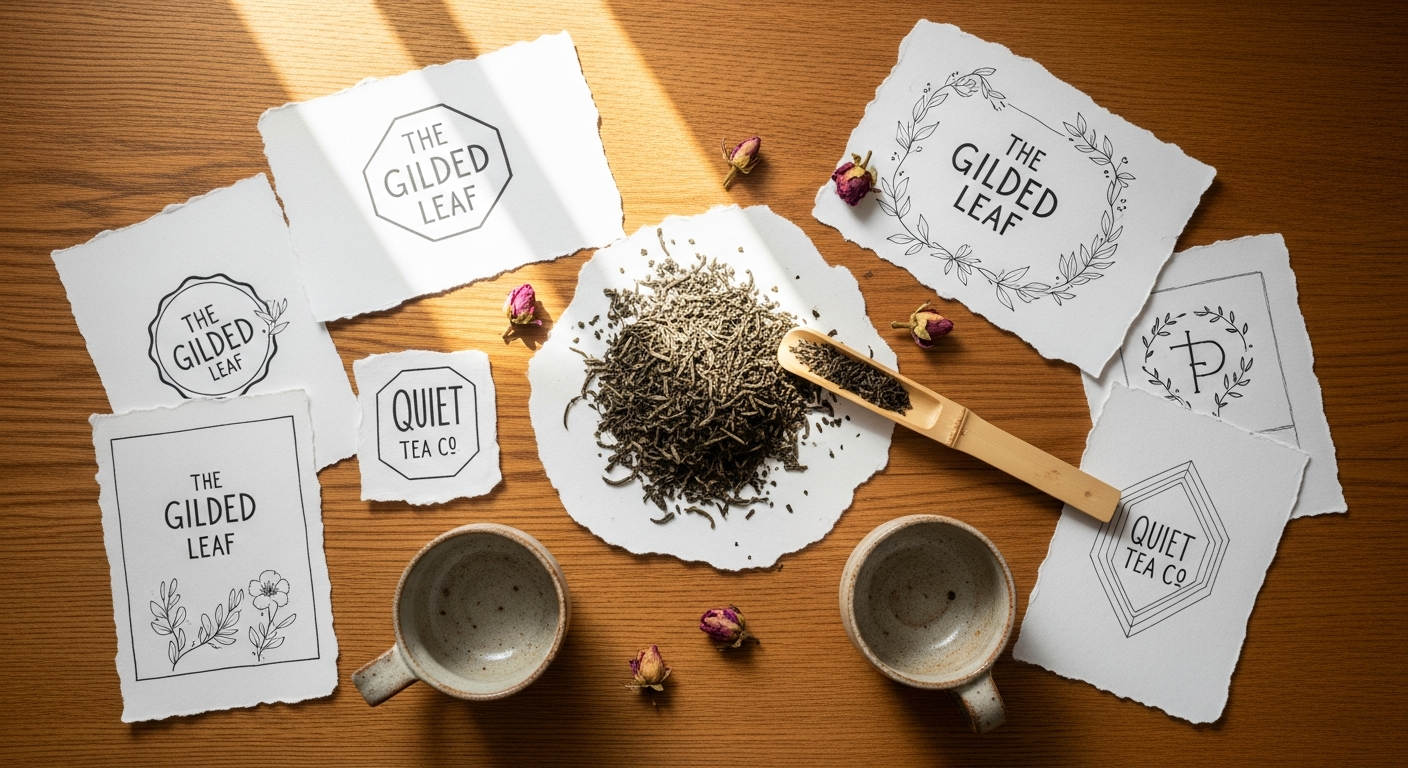
Running a tea shop in today’s market requires more than just brewing quality leaves. The specialty tea industry continues expanding rapidly, yet statistics paint a sobering picture: the market is projected to reach $3.2 billion by 2026, while 60% of new tea shops close within their first three years. The difference between thriving and failing often comes down to one critical factor—brand identity.
Whether you’re launching your first location or reimagining an existing concept, establishing a strong tea shop identity from the beginning directly impacts your survival and growth. Your name, your product lineup, your online presence, and your physical space combine to create a memorable impression that customers either remember or forget. Many aspiring tea entrepreneurs face the same fundamental challenge: standing out in a crowded marketplace where potential customers can’t locate them online and struggle to recall their brand.
The good news? You don’t need massive capital or industry experience to build a recognizable tea shop brand. You need strategy, consistency, and clarity about who you serve and why your tea shop matters. Throughout this guide, you’ll discover how to choose a name that ranks in search results, develop signature products that customers crave, build your digital visibility, create an atmosphere people want to experience repeatedly, and implement marketing tactics that generate word-of-mouth momentum.
Start building your tea shop brand today with expert resources and tools
Crafting a Tea Shop Name That Sticks (And Gets Found Online)
Your tea shop’s name is the first brand impression customers encounter—whether they’re scrolling through Google Maps, discovering you on Instagram, or asking a friend for a recommendation. Generic names like “The Tea House” or “Local Tea Shop” blend seamlessly into the background of search results, which means customers looking for tea shops in your area may never find you.
Specificity wins in today’s market. Names that incorporate location descriptors (“Pearl District Tea Company”), unique selling propositions (“Single-Origin Tea Collective”), or distinctive personality (“Steep & Serenity”) immediately communicate what you offer and who you serve. These names appear in search results more prominently because they match the specific language your target customers actually use when searching online.
Before finalizing your choice, test the name across multiple platforms. Check if the domain name is available, whether social media handles align across Instagram, TikTok, and Facebook, and if the name translates appropriately across different languages and cultures—especially critical if you’re targeting international customers or planning future expansion. Research your local competitors simultaneously. Identify naming gaps in your market. If three other tea shops already exist in your area, choosing a name that emphasizes what makes you different becomes essential.
Consider how your name functions in conversation. Can people spell it easily when you mention it verbally? Does it evoke the right emotional response? Will it still feel relevant in five years, or does it depend on current trends that may fade?
Developing Your Signature Tea Product Line
Naming your tea shop is one challenge; deciding what tea to actually sell presents another. Your sourcing strategy sets the foundation for everything that follows. Single-origin teas appeal to enthusiasts seeking specific regional characteristics and stories. Blended teas offer consistency and creative possibilities. Seasonal selections keep customers returning to discover what’s new. Specialty offerings like fermented pu-erh or rare white teas attract connoisseurs willing to pay premium prices.
Most successful tea shops organize their core offerings around primary tea categories: black teas, green teas, white teas, oolongs, herbal infusions, and pu-erh. This framework makes sense to customers and allows for organized shelf displays and menu layouts. Within each category, resist the temptation to stock everything. Narrowness often outsells breadth. A curated selection of 30-40 teas beats an overwhelming inventory of 200 options.
Signature blends become the heartbeat of brand recognition. These are teas you develop that customers can’t find anywhere else—perhaps a jasmine-infused green tea blend, a cooling herbal recovery blend, or a cozy nighttime chamomile creation. When customers return asking specifically for your signature blends by name, you’ve created genuine brand loyalty. Develop these blends deliberately, test them repeatedly, and refine based on customer feedback.
Establishing strong supplier relationships early matters more than most new shop owners realize. Contact potential tea suppliers, ask about minimum order quantities, payment terms, and quality consistency. Visit suppliers if possible. Understanding where your tea originates, how it’s processed, and why you’ve chosen specific products helps you communicate authenticity to customers. Your staff will sound more credible educating customers when you’ve personally vetted every product.
Pricing requires balance. Underpricing erodes your margins and positions your tea shop as budget-focused rather than quality-focused. Overpricing limits customer accessibility and generates resentment. Research what other tea shops charge for comparable products in your market. Add sufficient margin to cover costs, labor, rent, and growth investment—typically 2.5-3x wholesale cost for loose-leaf tea.
Explore proven tea sourcing strategies and product development frameworks
Building Digital Visibility for Your Tea Shop Brand
A beautiful physical tea shop means nothing if nobody knows it exists. Your digital presence determines whether customers searching “tea shop near me” discover you or your competitors. Begin by claiming and optimizing your Google Business Profile—the single most important digital real estate for local businesses. Complete every field: business description, hours, phone number, address, photos, and customer reviews. Upload multiple high-quality images showing your tea selection, brewing station, and ambiance. This profile appears directly in Google Maps and local search results.
Your website doesn’t need to be elaborate, but it must function flawlessly on mobile devices where 70% of searches now occur. Include your core information prominently: address, hours, tea selection overview, and contact details. Avoid animation, slow-loading images, or confusing navigation that frustrates visitors. Many successful tea shops use simple, clean designs that load quickly and clearly communicate their identity.
Location-based keywords are your allies. When customers search “loose-leaf tea near me” or “specialty tea shop in [neighborhood name],” you want your shop appearing in results. This happens when your website, Google Business Profile, and local citations (business directories) consistently use these location keywords naturally. Write your business description mentioning your neighborhood or city name. Create blog posts around local tea culture or neighborhood discovery.
Content around tea education attracts customers organically. Develop a simple content strategy addressing questions potential customers ask: How do you brew different tea types? What are the health benefits of various teas? How should you store tea properly? Which teas help with sleep or energy? These topics generate social media posts, blog articles, and video content that establish your authority while capturing search traffic. Share brewing guides, tea origin stories, and seasonal recommendations across your platforms.
Instagram and TikTok thrive on visual storytelling. Film short videos of your tea preparation process, the steam rising from a freshly steeped cup, your shop’s ambiance during quiet morning hours, or customer reactions to new blends. Behind-the-scenes content humanizes your brand. Showcase your space, your team, your supplier relationships, and your genuine passion for tea. Authenticity resonates far more than polished corporate content.
Establishing Your Physical and Brand Atmosphere
Walking into a tea shop should feel like entering a carefully curated experience, not a generic retail space. Your physical environment communicates your brand values before customers speak a word. If your brand emphasizes tranquility and mindfulness, your space should reflect calm through soft lighting, natural materials, and minimal clutter. If your brand celebrates vibrant energy and community, your design might feature bold colors, communal seating, and dynamic artwork.
Sensory experiences matter profoundly in tea retail. The aroma wafting through your space, the music playing softly in the background, the temperature of the room, even the textures of your brewing equipment—all these elements combine to create memory. Customers return not just for tea but for the complete experience. Consider ambient music that complements your brand (jazz for sophisticated elegance, acoustic for warm minimalism), fresh flowers or plants that add life, and perhaps subtle natural fragrances that enhance the tea experience without overwhelming it.
Your team transforms from order-takers into brand ambassadors when they genuinely understand tea. Invest in staff training that goes beyond your employee handbook. Host regular tea tastings where staff samples products and learns flavor profiles, brewing temperatures, and pairing possibilities. When customers ask questions, knowledgeable staff provide recommendations that feel personalized rather than scripted. This expertise builds trust and drives higher ticket sales.
A loyalty program doesn’t require complexity. Simple systems work best: customers receive a card with ten boxes; their tenth purchase earns them a free tea or discount. Digital apps offer sophistication, but paper cards often generate more personal connection. Beyond discounts, loyalty programs signal that you value repeat customers. Consider occasional surprises: an unexpected free sample, advance notice of limited releases, or exclusive blends for members only.
Your product display teaches customers unconsciously. New arrivals catch the eye when positioned at standing eye level. Bestsellers benefit from prominent shelf placement. Seasonal collections deserve dedicated space where changing displays signal freshness. Include small cards describing each tea’s origin, flavor profile, and suggested brewing method. Visual merchandising reduces decision paralysis and increases basket sizes.
Marketing Your Tea Shop to Build Brand Recognition
Before grand opening day, plan a soft opening where you invite friends, family, and neighborhood residents to experience your tea shop informally. Gather honest feedback. Which teas do people gravitate toward? What questions do they ask repeatedly? How does the space feel when filled with people? This initial feedback refines operations before your official launch reaches a broader audience.
Local partnerships amplify your reach exponentially. Connect with yoga studios, wellness practitioners, fitness coaches, and wellness bloggers in your area. Offer them complimentary tea products or favorable wholesale rates. When they recommend your tea shop to their audiences, the recommendation carries authority. Conversely, partner with them at your location through tasting events, wellness talks, or collaborative product launches.
Shareable content creates organic growth. Educational posts about tea benefits naturally encourage sharing: “Five teas that improve sleep,” “How tea boosts metabolism,” “Calming tea blends for anxiety.” These posts serve viewers while positioning your shop as knowledgeable. Pair content with soft calls-to-action: “Try our sleep-blend sample at the shop this week.”
Targeted social media advertising reaches passionate tea enthusiasts efficiently. Platforms like Instagram and Facebook allow you to target by interests (wellness, organic products, cooking, home décor) and location. A small daily budget ($10-20) generates awareness among nearby customers actively engaged with related topics. Retargeting ads remind people who visited your website to return.
First-time customer incentives overcome initial purchase hesitation. Offer 15% off the first visit, a free sample with purchase, or bonus loyalty points for opening an account. New customers who try your tea risk disappointment; incentives reduce that perceived risk. Many become repeat customers once they discover products they love.
Measuring Success and Adapting Your Strategy
Numbers guide smarter decisions. Track foot traffic using simple door counters or smartphone apps. Monitor conversion rates—what percentage of foot traffic results in sales? Calculate average transaction value. These metrics reveal whether customers are browsing without buying, purchasing smaller amounts than expected, or responding well to your offerings. Review monthly to identify trends.
Which teas consistently sell out? Which languish on shelves? Monthly sales data shows which products generate revenue and customer satisfaction. Discontinue underperforming products promptly rather than letting inventory accumulate. Expand successful products: introduce related varieties or increase stock.
Qualitative feedback matters as much as sales numbers. Occasionally, ask customers directly: What brought you here today? Which teas do you love? What would you like us to stock? Email surveys sent to loyalty program members generate useful insights. Listen to casual conversations; customers often mention what they wish you offered.
Online metrics reveal digital strategy effectiveness. Which pages on your website receive the most traffic? How long do visitors stay? Where do they come from (direct search, social media, Google Maps)? Google Analytics and social platform analytics dashboards provide this information. High bounce rates suggest your content isn’t matching visitor expectations; low traffic from specific platforms suggests you should adjust your social media strategy.
Set realistic growth benchmarks. Year one typically focuses on establishing market presence, building a customer base, and refining operations. Revenue might be modest as you invest in inventory, marketing, and staff training. Year two benefits from brand recognition and repeat customers; expect revenue growth of 30-50%. Year three and beyond can achieve stability and sustainable profitability if foundational work in years one and two was solid.
Your Tea Shop’s Journey Begins Now
Building a recognizable tea shop brand doesn’t happen overnight, but it happens reliably when you approach the work with intention and genuine passion for your product. The shopkeepers who thrive aren’t necessarily those with the most capital or industry experience—they’re the ones who thoughtfully develop their identity and consistently execute against it.
Your tea shop’s name, your signature blends, your optimized Google Business Profile, and your inviting physical space all tell a cohesive story that potential customers encounter repeatedly across different touchpoints. When these elements align, they create recognition. When customers remember your name, recall your signature blend, and feel drawn back by your atmosphere, you’ve built something sustainable.
Start small and build momentum. Pick one or two elements you can execute with genuine excellence this week: perhaps developing and perfecting your signature blend while simultaneously optimizing your Google Business Profile and launching a basic Instagram account. As you gain traction and collect customer feedback, expand into other areas. Success builds on itself. Early adopters become advocates. Word-of-mouth spreads. Your brand identity strengthens.
The tea enthusiasts in your community are actively searching for quality, authenticity, and an experience worth returning to. Your responsibility is simple: make sure they find you, experience what you’ve created, and become advocates who bring their friends.
Begin your tea shop brand-building journey with comprehensive resources and expert guidance
Leave a Reply