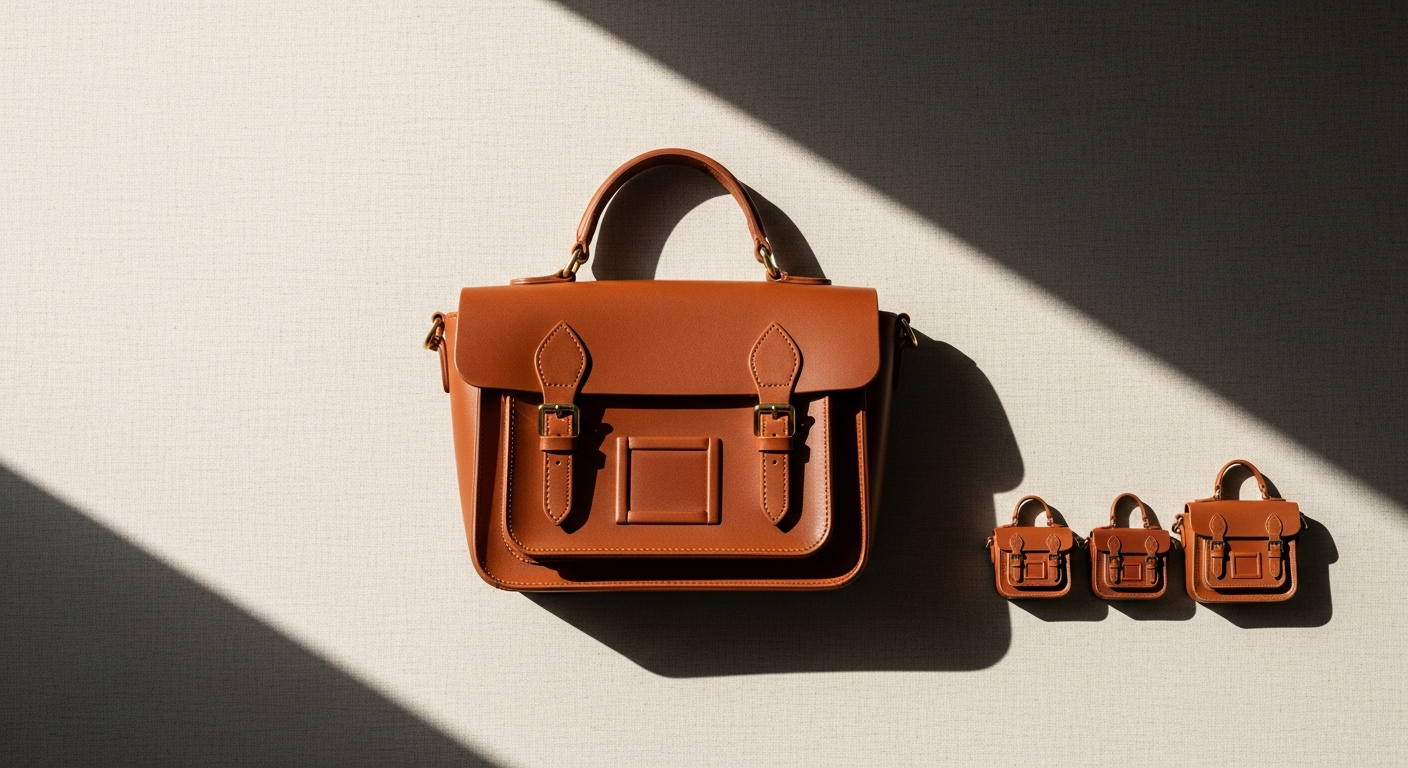
Since 2011, the 3.1 Phillip Lim Pashli Satchel has commanded the handbag market with unwavering devotion—and for good reason. This isn't just another luxury accessory; it's the rare bag that transcends seasonal trends while remaining perpetually relevant in street style photography and professional wardrobes alike.
When Phillip Lim and Wen Zhou designed the Pashli, they were responding to a very specific moment in fashion history—one drowning in logomania and brand-obsessed aesthetics. They created something radically different: a bag that whispers rather than shouts, recognized instantly by its signature double vertical zippers and impeccable silhouette, yet refreshingly free from the logo overload that plagued the early 2010s.
The Design Philosophy Behind an Iconic Silhouette
The Pashli emerged during an era when handbags screamed logos from every angle. Fashion houses plastered their names across leather surfaces as if visibility equaled desirability. Phillip Lim and Wen Zhou rejected this approach entirely. Instead, they engineered a bag whose identity lies in its architectural precision—a silhouette so distinctive that logo placement becomes unnecessary.
How the Pashli emerged as a response to 2010s logomania and excessive branding
The early 2010s aesthetic was intoxicated with visible branding. Monogram canvas, oversized initials, and conspicuous hardware defined luxury perception. The Pashli arrived as a quiet rebellion. Its recognition stems not from a repeated monogram but from unmistakable structural elements that signal sophistication through restraint. This design philosophy proved prescient; a decade later, logomania feels dated while the Pashli remains contemporary.
The signature double vertical zippers: functional expansion meets aesthetic brilliance
Those twin vertical zippers aren't mere decoration—they're functional genius disguised as style. They allow the bag to expand when needed, transforming capacity without sacrificing the structured silhouette. When closed, they create a sculptural front panel that defines the bag's character. When open, they reveal practical expandability. Few accessories achieve such harmony between form and function.
Structured silhouette and how it maintains its shape through years of wear
The Pashli's thick, textured leather doesn't slouch or sag. The bag maintains crisp edges and a defined silhouette even when weighted with daily essentials. This structural integrity sets it apart from many competitors that gradually lose their shape under regular use. The leather's quality allows it to develop character and patina while preserving the architectural lines Lim and Zhou intended.
Minimalist front clasp (push-lock padlock) as a design statement
Rather than ornate hardware, the Pashli features a understated push-lock padlock. This minimal approach reinforces the bag's aesthetic philosophy: functionality without theatrical branding. The clasp is secure, practical, and visually restrained—exactly what a modern luxury bag should be.
Why the Pashli remains instantly recognizable without relying on visible logos
Instantly recognizable yet logo-free. Walk through a fashion district and spot a Pashli from across the street. That's not coincidence—it's deliberate design. The double zippers, the structured form, the proportions—these elements create visual identity without screaming a brand name. This approach has proven more enduring than any monogram.
The balance between statement piece and versatile everyday bag
The Pashli occupies rare territory. It's striking enough to elevate casual outfits yet refined enough for professional settings. It functions as a statement piece without demanding that you make a specific style declaration. This versatility explains its presence across diverse wardrobes and lifestyles.
Size Comparison: Finding Your Perfect Pashli Match
Mini Pashli: Compact dimensions, street-style credibility, and what it actually holds
The Mini Pashli has achieved near-mythical status among fashion bloggers. Its compact proportions make it perfect for evening outings or minimalist daily carry. Street style photographers consistently feature the Mini, drawn to its proportional elegance on various body types. Despite its size, it holds the essentials—phone, wallet, keys, and a lipstick. It's not designed for commuters or travel, but as an everyday bag for light-load days, it's unmatched.
Medium Pashli: The Goldilocks option for professionals and everyday users
The Medium Pashli is where practicality meets style. Professionals use it as a work bag without compromising aesthetics. Parents appreciate its capacity for daily necessities without requiring a diaper bag aesthetic. It's the size that works for most people most of the time—not too compact, not unwieldy. The expandable zippers add genuine functionality at this size.
Large Pashli: Maximum capacity and when the weight becomes a consideration
The Large Pashli offers maximum capacity, appealing to those who carry substantial daily loads or travel frequently. Here's the trade-off: size translates to weight. The Large, when filled, becomes noticeably heavy, particularly for crossbody carry over extended periods. For shoulder-carry or brief carries, it's magnificent. For all-day crossbody wear, consider your tolerance for weight.
Dimensional specifications and capacity differences between sizes
Each size increment substantially increases capacity. The Mini accommodates essentials; the Medium holds a full work setup including laptop cases (depending on bag configuration); the Large provides generous space for travel or multi-day excursions. Actual dimensions vary by retailer, but the progression is logical and intentional.
Real-world usage scenarios for each size
The Mini excels for evening events, quick errands, and minimalist daily carry. The Medium thrives in office environments, weekend outings, and daily commuting. The Large suits weekend travel, gym-to-work transitions, and situations requiring substantial capacity. Matching size to actual usage patterns determines satisfaction.
How size choice impacts the bag's aesthetic and proportions on different body types
Size proportionality matters significantly. The Mini on a tall frame can appear diminished; on petite frames, it's perfectly scaled. The Medium works across most body types. The Large on smaller individuals can overwhelm proportions. Consider how the bag relates to your frame, not just your capacity needs.
Interior organization features across all sizes
All Pashli sizes include internal zip pockets and slip pockets for organization. The Medium and Large offer more interior real estate for strategic organization, while the Mini requires thoughtful arrangement. This simple organizational infrastructure prevents the chaotic bottom-of-the-bag feeling common in unstructured satchels.
Material Quality and Durability Assessment
Thick, textured leather construction and what it means for longevity
The Pashli's leather is deliberately thick and substantially textured. This isn't delicate fashion leather; it's built for extended use. Thickness provides durability, resists creasing, and ages beautifully. The textured surface hides minor wear better than smooth leather, maintaining aesthetic integrity through daily use.
How the Pashli's leather ages and develops character over time
Unlike bags that deteriorate, the Pashli improves with age. The leather develops a patina, subtle color shifts, and character marks that add rather than detract. Owners report that year-old Pashlis look better than new ones—more lived-in, more authentic, more beautiful. This aging trajectory is rare in contemporary luxury.
Structural integrity of handles and strap attachment points
The handle and strap attachments withstand genuine daily abuse. These junction points don't fray, tear, or fail under normal use. The construction quality extends throughout; stitching is precise, reinforcement is strategic, and weak points are nearly nonexistent.
Resistance to wear, creasing, and environmental factors
The Pashli resists environmental stress admirably. Rain doesn't permanently damage the leather. Minor creases don't persist. Scuffs fade or blend into the patina. The bag doesn't require obsessive protection; it's genuinely built for regular use.
Comparison to other luxury satchels in the same price bracket
At $695 (Mini) and upward, the Pashli competes against Céline, Mulberry, and similarly positioned brands. The Pashli's leather quality matches these competitors while the design philosophy feels more contemporary. Many comparable bags cost significantly more without delivering superior longevity.
Maintenance requirements for keeping your Pashli pristine
The Pashli requires minimal maintenance beyond occasional conditioning. A quality leather conditioner annually maintains suppleness; occasional gentle cleaning addresses surface marks. Unlike delicate luxury items requiring professional care, the Pashli suits owner maintenance. This practical approach reflects its design philosophy—beautiful but not precious.
Color options and how different finishes perform over extended use
The Pashli appears in various colors and finishes. Classic black and navy remain most versatile. Lighter shades show wear more visibly, though patina development can be attractive. Matte and textured finishes age more gracefully than polished leathers, which can scratch noticeably.
Investment Value and Pricing Strategy
New Pashli Mini pricing ($695 and up) and what influences cost variations
The Mini Pashli starts around $695, though pricing varies by retailer, currency, and specific finishes. Exotic leather options, special colorways, or limited editions command premium pricing. Standard leather in classic colors typically fall at the base price point or slightly above.
Medium and Large size pricing across different retailers
The Medium typically ranges between $750-$850, while the Large reaches $850-$950 depending on leather quality and finish. These aren't fixed prices—different retailers and geographic markets show variation. Currency fluctuations also affect pricing for international shoppers.
Pre-owned market opportunities and realistic price reductions
The secondary market is robust for Pashlis. Gently used examples often sell for 40-60% of retail pricing. Lightly used bags in desirable colors might command higher secondary prices. The strong resale market reflects genuine demand and perceived value.
Cost-per-wear analysis for luxury handbag investments
A $695 Pashli used 250 days annually over four years totals $0.70 per wear. That's extraordinarily economical for a luxury accessory—comparable to mid-range bags used casually. Frequent users achieve even lower cost-per-wear metrics.
Resale value and market demand for secondary market Pashlis
The Pashli holds value remarkably well. Classic colors in good condition maintain 50% of original value; some rare finishes appreciate. The consistent demand means selling a Pashli involves minimal hassle—they move quickly on secondary markets.
Seasonal sales and where to find legitimate discounts
Legitimate Pashli discounts are rare, but seasonal sales at department stores occasionally offer 10-20% reductions. End-of-season clearances sometimes provide deeper discounts on specific colors. Patience and watchful shopping can yield savings without sacrificing authenticity.
Authentication concerns when buying pre-owned options
Authentication is crucial when purchasing secondary-market Pashlis. Counterfeits exist. Legitimate pre-owned purchases should come from verified sources: Vestiaire Collective, Rebag, or specialized luxury consignment shops that authenticate rigorously. Private sales require photo examination of construction details, zippers, and stitching quality.
The Verdict: Is the Pashli Your Next Handbag Investment?
The 3.1 Phillip Lim Pashli Satchel isn't just a bag—it's a masterclass in restraint, functionality, and timeless design that refuses to age out of relevance. After examining every angle, from its impeccable construction to its versatile carrying options, this is one of the few luxury purchases that genuinely earns its place in your collection. The real question isn't whether the Pashli is worth the investment; it's which size aligns with your lifestyle and how you plan to carry it daily.
If you prioritize durability, versatile styling, and a piece that works equally well in boardrooms and coffee shops, the Pashli delivers on all fronts. The Medium strikes an impressive balance between capacity and wearability, while the secondary market opens doors for those wanting entry-level pricing on this iconic accessory. Before you commit, honestly assess which size matches your daily routine—because the perfect Pashli is the one you'll actually carry, not the one that sits in your closet.
Leave a Reply