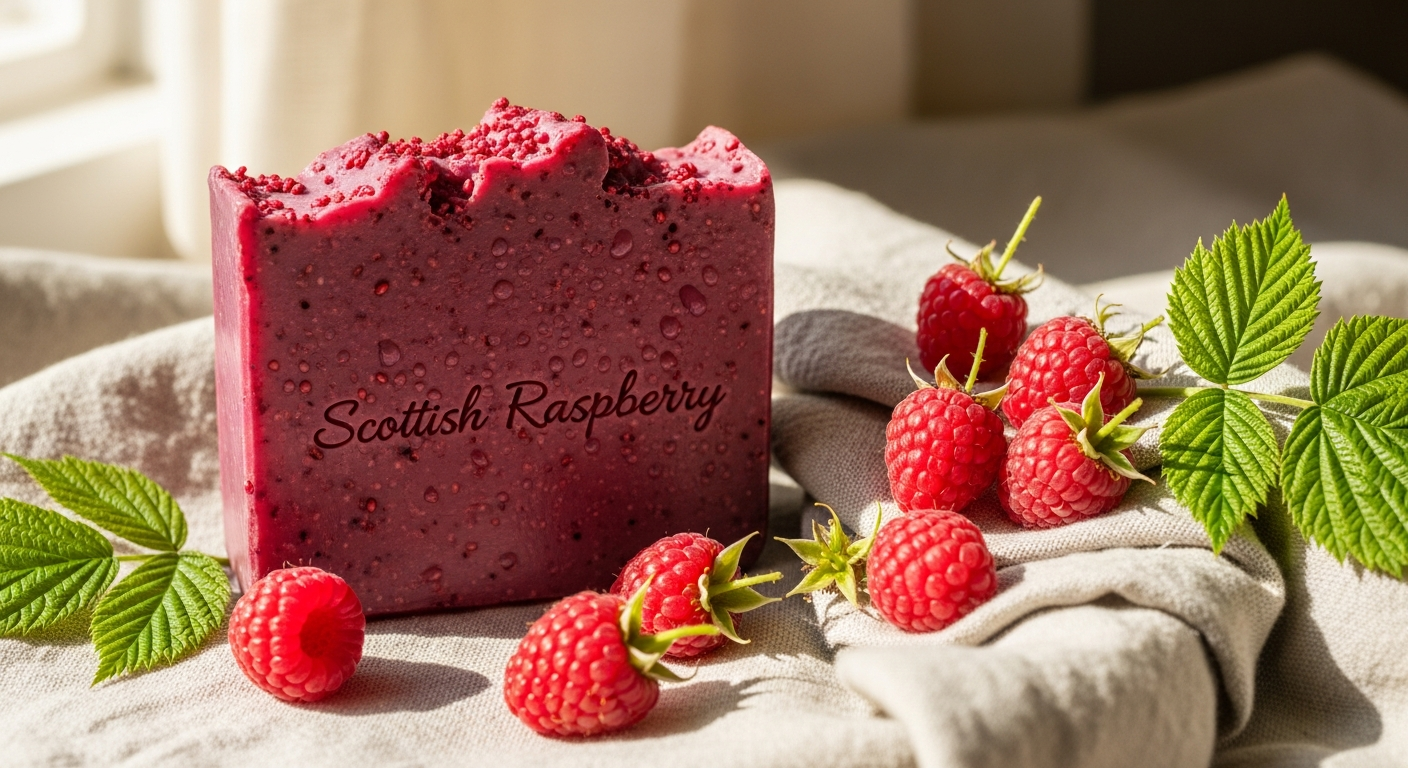
Sensitive skin affects nearly 60% of women and 40% of men globally, yet most conventional soaps strip away natural moisture and trigger irritation. The culprit isn't always obvious—it's often the very products marketed as gentle that wreak havoc on reactive skin types. Choosing the right cleanser becomes an act of self-care when your skin barrier is compromised.
The Wild Scottish Raspberry Organic Soap Bar represents a shift toward intentional skincare, handcrafted in the Scottish Highlands and formulated specifically to cleanse without compromising your skin's protective layer. Unlike mass-produced alternatives filled with synthetic fragrances and harsh chemicals, this soap prioritizes nourishment alongside cleansing. Discover how the Wild Scottish Raspberry Organic Soap Bar can transform your sensitive skin routine today.
This article breaks down exactly what makes this soap exceptional for reactive skin types, examining the science behind its key ingredients, how it compares to conventional alternatives, and whether it's truly worth the investment for your personal skincare routine. Understanding these details helps you make an informed decision about whether this product aligns with your skin's needs.
The Sensitive Skin Problem That Most Soaps Get Wrong
How conventional bar soaps and body washes disrupt the skin's natural pH balance
Most mass-market soaps operate on a simple principle: strip dirt and oil as aggressively as possible. This approach works against your skin's natural pH balance, which hovers between 4.5 and 5.5 on the acidic side. When conventional soaps—typically alkaline at pH 9 or higher—contact your skin, they disrupt this delicate equilibrium. Your skin must then work overtime to restore its acid mantle, a protective layer that shields against bacteria, viruses, and irritants.
For sensitive skin types, this pH disruption isn't minor. It triggers a cascade of inflammation, weakening the skin barrier and leaving your complexion vulnerable to whatever comes next.
Why synthetic fragrances and harsh surfactants trigger inflammation and irritation
Synthetic fragrances are chemical cocktails designed to last, survive shipping, and appeal to mass markets—not to comfort your skin. These compounds penetrate the skin barrier and activate inflammatory responses, particularly in individuals with rosacea, eczema, or contact dermatitis. Your immune system essentially treats fragrance molecules as invaders, launching a defensive response that manifests as redness, burning, and itching.
Harsh surfactants—the cleansing agents that create lather—work similarly. Sodium lauryl sulfate (SLS) and sodium laureth sulfate (SLES) are cheap, effective, and notoriously irritating. They strip lipids from your skin's surface, disrupting the protective barrier and causing the tight, dry sensation that follows a shower.
The difference between cleansing and stripping away protective oils
Cleansing removes dirt, sweat, and bacteria. Stripping removes these elements along with your skin's natural oils—sebum and other lipids your body produces specifically to protect and hydrate. The distinction matters enormously. Effective cleansing leaves your skin feeling fresh and clean. Stripping leaves your skin feeling tight, uncomfortable, and desperate.
When you strip your skin repeatedly, it compensates by producing excess sebum, leading to the frustrating cycle many people experience: oily skin that also feels sensitive and irritated. Natural soaps cleanse effectively without this destruction.
Common skin reactions to mass-market products including redness, dryness, and eczema flare-ups
Users of conventional soaps frequently report immediate and delayed reactions. Redness appears within minutes of use, sometimes accompanied by a burning sensation. Dryness sets in within hours, progressing to flaking and cracking by the next day. For those with eczema, conventional soaps often trigger flare-ups that persist for days—intense itching, weeping patches, and inflamed skin that requires recovery time.
Contact dermatitis develops in some individuals after repeated exposure, with reactions worsening over time rather than improving. This pattern indicates that the soap isn't just irritating—it's damaging the skin barrier progressively.
Raspberry Seed Oil and Botanical Extracts: Nature's Healing Arsenal
Deep dive into raspberry seed oil's anti-inflammatory and antioxidant properties
Raspberry seed oil contains ellagic acid and anthocyanins—powerful compounds that combat inflammation at the cellular level. These antioxidants neutralize free radicals that contribute to skin aging and irritation. Unlike synthetic anti-inflammatories, raspberry seed oil works gently, reducing redness and calming reactive skin without the side effects associated with chemical additives.
Research on raspberry seed oil demonstrates its capacity to strengthen the skin barrier, improve hydration retention, and reduce transepidermal water loss. For sensitive skin, this translates to visible improvements in texture, tone, and comfort.
How Rubus Idaeus raspberry leaf supports skin healing and reduces irritation
Rubus Idaeus, the botanical name for red raspberry, contains tannins and flavonoids that promote skin healing and reduce inflammation. The leaf extract specifically supports the skin's natural repair processes, making it particularly valuable for eczema-prone and sensitized complexions. These compounds work synergistically with raspberry seed oil, amplifying the soothing effect.
Raspberry leaf has been used in traditional skincare for centuries, and modern science confirms its effectiveness. It reduces histamine response—the chemical your body releases during allergic reactions—helping to minimize itching and irritation.
Glycerin from organic vegetable oils as the hydration powerhouse
Glycerin derived from certified organic vegetable oils functions as a humectant, drawing moisture from the environment into your skin. Unlike synthetic humectants, plant-derived glycerin is gentle and compatible with sensitive skin. It forms a protective layer that prevents moisture loss while allowing your skin to breathe.
The Wild Scottish Raspberry Organic Soap Bar incorporates this glycerin, ensuring that cleansing doesn't leave your skin parched. Instead, your skin emerges from washing feeling hydrated and supple.
Organic coconut oil's gentle cleansing action without harsh residue
Coconut oil in saponified form (sodium cocoate) provides excellent cleansing power without the stripping effect of synthetic surfactants. It removes dirt and bacteria effectively while maintaining your skin's natural lipid barrier. The fatty acids in coconut oil actually nourish skin, counteracting the drying effect common with conventional soaps.
This ingredient demonstrates that effective cleansing and skin nourishment aren't mutually exclusive—they work together when formulated correctly.
Rich Lather Without the Harsh Chemicals
The science behind luxurious lather in natural soap formulations
Lather isn't just aesthetically pleasing—it indicates effective cleansing action. Natural soaps create rich, creamy lather through the saponification process, where oils and lye interact to form cleansing molecules. This lather is gentler than synthetic foam because the molecules are naturally derived and compatible with skin.
The Wild Scottish Raspberry Organic Soap Bar produces noticeably luxurious lather, signaling quality formulation and proper oil ratios. This tactile experience enhances the cleansing ritual, making skincare feel like self-care rather than a chore.
How sustainable organic oils create effective cleansing without synthetic surfactants
The soap's formulation relies on sustainable organic palm oil and coconut oil—both producing excellent cleansing properties when saponified. Rather than relying on chemical surfactants like SLS, the soap harnesses the natural properties of these oils. The result is effective cleansing that respects both your skin and the environment.
Decyl glucoside, included in small quantities, is a plant-derived surfactant that provides additional cleansing power without irritation. It's derived from glucose and coconut oil—natural ingredients your skin recognizes.
The balance between effective cleansing and skin-nourishing properties
This soap achieves what most conventional products cannot: genuine balance. It cleanses effectively while simultaneously nourishing. The glycerin, raspberry seed oil, and botanical extracts work during the cleansing process, not after. Your skin emerges clean, moisturized, and calm rather than compromised and reactive.
Why this soap outlasts conventional options with superior longevity
Natural soaps are denser than commercial alternatives, lasting significantly longer despite their solid appearance. The absence of water and filler ingredients means more actual soap in each bar. Users consistently report that a single bar lasts considerably longer than conventional options, making the £6.95 price point genuinely economical.
This longevity contributes to the soap's value proposition. You're investing in a product that delivers results and lasts, reducing the need for constant repurchasing.
Real Results for Sensitive Skin Types: What Users Report
Documented improvements in eczema-prone and reactive skin conditions
Users with eczema report remarkable improvements after switching to the Wild Scottish Raspberry Organic Soap Bar. The combination of raspberry seed oil, botanical extracts, and nourishing oils calms inflammation and reduces the frequency of flare-ups. Rather than experiencing irritation from cleansing, their skin barrier strengthens.
These improvements manifest within weeks for many users, with continued enhancement over months as the skin barrier fully restores.
Testimonials from users with rosacea, dermatitis, and contact sensitivities
People with rosacea describe visible reduction in facial flushing and the persistent redness that characterizes the condition. The soap's gentle formulation doesn't trigger the vascular responses common with conventional products. Users with dermatitis report improved comfort and reduced itching, allowing their skin to heal.
Contact sensitivities—where specific ingredients trigger severe reactions—become manageable when users switch to this soap. The absence of synthetic fragrances and harsh chemicals eliminates common triggers entirely.
Before-and-after experiences with skin texture, redness, and irritation
Before using this soap, users describe rough, inflamed, and uncomfortable skin. After switching, they report smooth texture, normalized tone, and the ability to go through the day without irritation or itching. The visible difference in skin appearance—clearer, calmer, more radiant—surprises many who had struggled for years.
These changes occur because the soap supports healing rather than causing ongoing damage.
How long it typically takes to see improvements after switching to natural soap
Initial improvements in comfort often appear within days. Skin feels less tight and irritated immediately after switching. Visible reductions in redness and texture changes emerge within 1-2 weeks. Substantial improvements in eczema, dermatitis, or other conditions typically manifest within 4-6 weeks as the skin barrier fully repairs.
Patience during the adjustment period—often called a "transition phase"—yields significant rewards.
How to Maximize Benefits: Proper Use for Sensitive Skin
Best practices for using natural soap with compromised skin barriers
Wet your face or body thoroughly with water, creating a protective layer. Lather the soap between your hands or on a soft washcloth, then apply gently to your skin. Avoid vigorous scrubbing or extended contact time. Rinse thoroughly with lukewarm water, ensuring no residue remains. Pat dry gently rather than rubbing.
The key is gentleness—your skin doesn't need harsh treatment to become clean.
Water temperature recommendations for sensitive skin cleansing
Hot water opens pores and can strip additional oils from your skin. Cold water may not rinse soap effectively. Lukewarm water—body temperature or slightly cooler—provides optimal cleansing without additional irritation. This temperature range allows the soap to work effectively while minimizing stress on your skin barrier.
Frequency of use and how to avoid over-cleansing
Twice daily cleansing (morning and evening) is appropriate for most skin types. Some sensitive skin individuals benefit from cleansing only once daily, particularly on days without visible dirt or sweat. Over-cleansing removes too much of your skin's natural protective oils, triggering compensatory sebum production and irritation.
Pay attention to how your skin responds and adjust frequency accordingly.
Pairing with complementary products for optimal results
After cleansing, apply a hydrating toner or essence while your skin is still slightly damp. Follow with a gentle moisturizer appropriate for sensitive skin. These layered products create additional hydration and protection. Avoid products containing fragrance, essential oils (which can irritate), or active ingredients like acids or retinoids during the initial adjustment period.
The goal is to support healing rather than introduce additional variables.
Making the Switch: Transitioning Sensitive Skin to Natural Soap
What to expect during the transition period and adjustment phase
Your skin may experience a brief adjustment phase lasting 3-7 days. This transition occurs because your skin has adapted to conventional soaps' stripping effects, producing excess oil to compensate. When you switch to a nourishing soap, your skin initially continues this overproduction before realizing it doesn't need to work so hard.
During this phase, your skin might feel slightly oilier or experience minor breakouts as it purges accumulated residue from conventional products. This is temporary and actually indicates progress.
Signs that your skin is responding positively versus experiencing detox symptoms
Positive responses include gradual reduction in redness, decreased itching or irritation, and improved skin texture. Your skin feels more comfortable after cleansing rather than tight and dry. Subtle improvements appear daily, with cumulative changes becoming obvious weekly.
Detox symptoms include temporary increased oiliness, minor congestion, or brief redness that improves daily. These symptoms differ from genuine irritation because they're mild, temporary, and steadily improve rather than worsen.
Timeline for visible improvements in sensitivity and irritation
Days 1-3: Immediate comfort improvement; skin feels less tight.
Weeks 1-2: Redness reduction becomes visible; itching decreases noticeably.
Weeks 2-4: Texture improvements emerge; skin tone normalizes.
Weeks 4-8: Significant barrier repair evident; condition-specific improvements (eczema, dermatitis) become apparent.
Weeks 8+: Full benefits realized as your skin barrier completely restores.
How to troubleshoot if initial reactions occur
If genuine irritation develops—intense redness, burning, or worsening itching—discontinue use and consult a dermatologist. Confirm that the reaction isn't a positive transition response before abandoning the product. Most users find that reducing usage frequency or duration temporarily allows adjustment while still benefiting from the formula.
If you have specific ingredient sensitivities (such as coconut oil sensitivity, which exists but is rare), the soap may not be appropriate despite its gentle formulation.
The Sensitive Skin Game-Changer You've Been Looking For
Switching to the Wild Scottish Raspberry Organic Soap Bar isn't just about cleansing—it's about respecting your skin's needs and choosing ingredients that work with your body rather than against it. The combination of raspberry seed oil, organic glycerin, and botanical extracts creates a cleansing experience that's rare in today's market. At £6.95 per bar or better value in bulk, this is genuinely affordable skincare that delivers results without compromise.
If you've struggled with conventional soaps or felt frustrated by endless product cycling, this is your answer. Your sensitive skin deserves better, and The Highland Soap Company has created something genuinely special. The handmade quality, organic ingredients, and proven track record across diverse skin conditions position this soap as a reliable solution for anyone seeking genuine relief from sensitivity and irritation.
Ready to experience the difference? Start with a single bar or grab the 3-bar bundle to lock in the best value with the Wild Scottish Raspberry Organic Soap Bar.
Leave a Reply