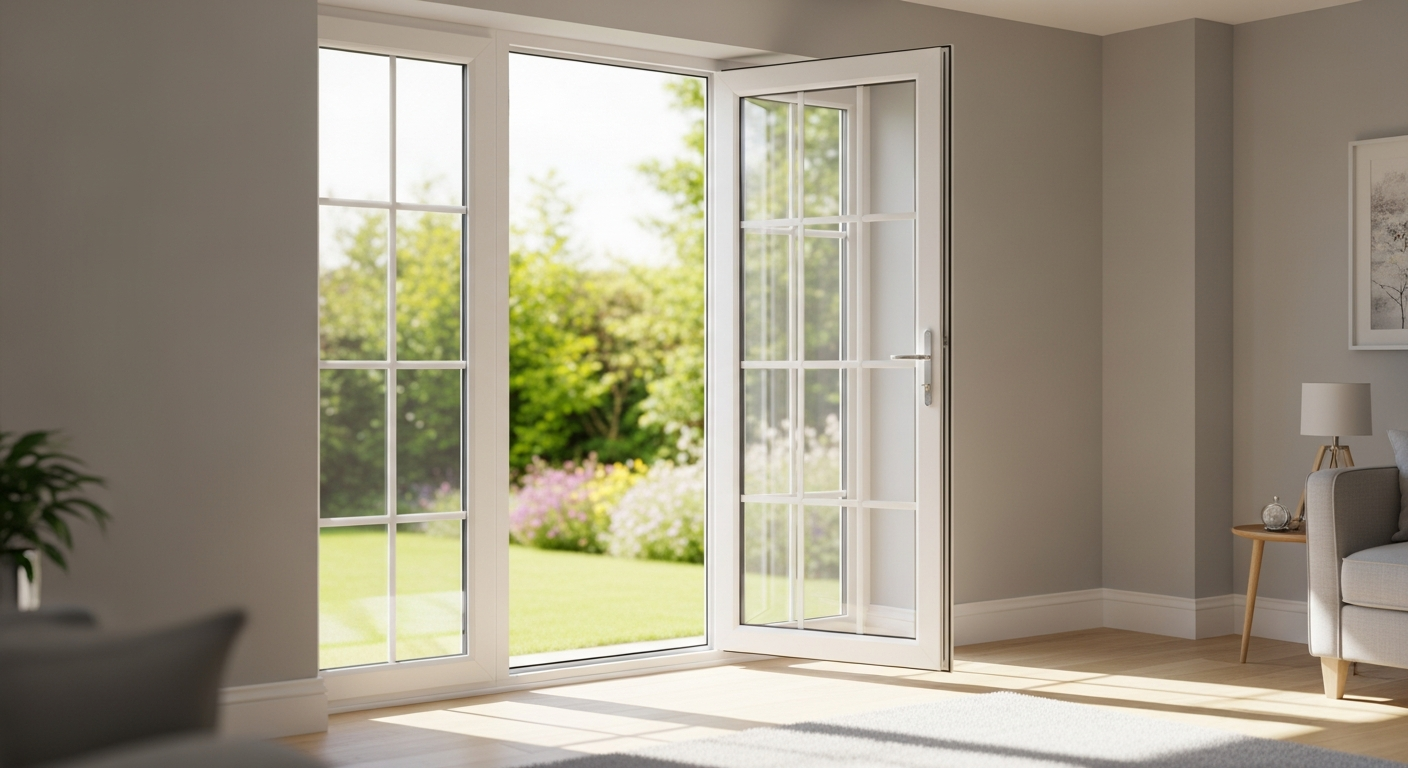
Nearly 40% of a home's heat loss occurs through windows and doors—a statistic that should give any homeowner pause when planning renovations. If you're upgrading your outdoor access or creating a seamless connection to your garden, selecting the right patio door directly impacts both your comfort level and your heating bills. The porte-fenêtre standard PVC has become the preferred choice for those seeking versatility, extensive customization, and excellent value without stepping into luxury pricing territory.
Whether you're adding a balcony entrance, replacing an aging door, or designing a new garden transition, PVC patio doors deliver superior insulation, proven durability, and remarkable aesthetic flexibility. Your home's exterior deserves a solution that performs as well as it looks—and that's precisely what modern PVC patio doors provide. Explore customizable PVC patio door options today.
This guide walks you through material advantages, glazing configurations matched to your climate, different opening mechanisms, and how to use online configurators to build exactly what you need—all while respecting your budget constraints.
Why PVC Reigns as the Standard Choice for Patio Doors
PVC has established itself as the material of choice for exterior doors, and the reasons are grounded in performance rather than marketing hype. PVC profiles deliver thermal insulation that genuinely matters, achieving Uw values as low as 0.91 W/(m²K) when paired with triple glazing—a figure that translates directly to lower heating costs and more consistent interior temperatures throughout the year.
The structural engineering behind quality PVC doors involves five to six internal chambers separated by multiple seals. This chambered design creates exceptional air-tightness and weather resistance, meaning wind, rain, and cold air stay where they belong—outside. Profile thicknesses typically range from 70mm to 85mm, providing structural strength and operational longevity without the weight burden that comes with some aluminum alternatives.
Bonding technology reinforces frame integrity at stress points, extending the door's lifespan and ensuring smooth operation even after years of regular use. Unlike wood alternatives, PVC requires no painting, staining, or seasonal treatments. You won't spend weekends maintaining your doors—you'll spend them actually enjoying the views they provide.
Customization Options That Match Your Home's Unique Style
The true strength of the standard patio door lies in its flexibility. Your configuration choices start with color, where access to the complete RAL palette means matching existing architectural elements or making bold aesthetic statements becomes straightforward. Whether you want a classic white frame, sophisticated grey tones, or a custom color that coordinates with your home's character, the options exist.
Material selection extends beyond basic PVC. You can choose pure PVC for maximum thermal performance, wood for traditional aesthetics, aluminum for contemporary strength, or hybrid options like PVC-Alu or Bois-Alu that combine different materials' best properties. Frame shapes adapt to your home's design language—rectangular designs suit modern properties, while arched or custom-shaped frames work beautifully with period architecture.
Size customization means your door fits actual needs rather than constraining your design. A compact balcony access requires different dimensions than an expansive garden entrance, and both become possible through the configuration process. Beyond the frame itself, handles, hinges, locks, and decorative elements can be selected to reflect your personal taste and home's overall aesthetic.
Glazing Solutions for Thermal Comfort, Acoustics & Security
Glazing performance directly determines your door's functional value. Double glazing provides solid thermal insulation for moderate climates, achieving Uw values around 1.1–1.3 W/(m²K). This option works well for regions with milder winters or for homeowners prioritizing a balance between performance and cost.
Triple glazing represents the premium approach, delivering superior insulation performance ideal for cold regions or homeowners committed to maximum energy efficiency. The third pane creates an additional thermal barrier that meaningfully reduces heat transfer and often qualifies for energy efficiency rebates or certifications.
Acoustic performance matters if you're near busy streets or in urban environments. Modern glazing configurations achieve up to five absorption classes for noise reduction, meaning traffic sounds, neighbor activity, or street noise diminishes considerably. Laminated glass options prevent shattering and provide UV protection for interior furnishings, increasing both safety and longevity of your home's interior finishes.
Ground-floor installations or homes in higher-risk areas benefit from reinforced anti-burglary glass specifications that meet rigorous security standards. Low-emissivity coatings represent another performance layer, reflecting heat back into living spaces during winter while reducing solar gain in summer—essentially working as a smart thermal regulator throughout the year. Configure your ideal glazing combination now.
Opening Mechanisms: Finding the Right Operation Style for Your Needs
How your door opens shapes daily interaction with your outdoor space. Hinged swing doors offer classic design with full opening capability, making them ideal for traditional properties and ensuring barrier-free access. The familiar swinging motion feels natural and works well in most architectural contexts.
Tilt-and-turn systems provide dual functionality—tilt the door slightly for fresh air circulation and ventilation, or fully open it for complete access or window cleaning. This flexibility appeals to homeowners who value both security and convenience.
Sliding configurations save valuable floor and wall space, making them perfect for compact balconies or areas where swing clearance proves impractical. Pocket doors represent the ultimate space-saving approach, sliding completely into wall cavities for maximum unobstructed views and seamless indoor-outdoor transitions that feel almost invisible.
Multi-sash arrangements combine multiple panels in various configurations, accommodating larger openings or asymmetrical designs that match specific architectural requirements. Soft-close mechanisms prevent slamming and extend hardware lifespan, reducing wear and maintaining smooth operation over years of use. Child-safe locks restrict opening angles to prevent accidental falls—a critical safety feature for homes with young children.
Your Personalized Patio Door Awaits
The porte-fenêtre standard PVC represents far more than a simple door—it's an investment in your home's thermal efficiency, aesthetic appeal, and long-term functionality. By leveraging customization options, understanding glazing performance, and selecting the opening mechanism that fits your lifestyle, you're creating an outdoor connection that works exactly as you envision it.
The combination of superior PVC insulation properties, extensive personalization capabilities, and significant cost savings compared to traditional retail channels makes this solution compelling for homeowners across diverse architectural styles and budgets. Your ideal door doesn't require compromise between performance, aesthetics, and affordability. Configuration tools available online transform a complex selection process into a straightforward, visual experience where you see exactly what you're building before purchase.
The difference between settling for standard options and designing something truly personalized often comes down to taking the time to explore what's actually possible. Start your configuration today and experience how thoughtful customization and quality engineering can transform your home's exterior. Build your custom patio door and see the difference quality makes.
Leave a Reply