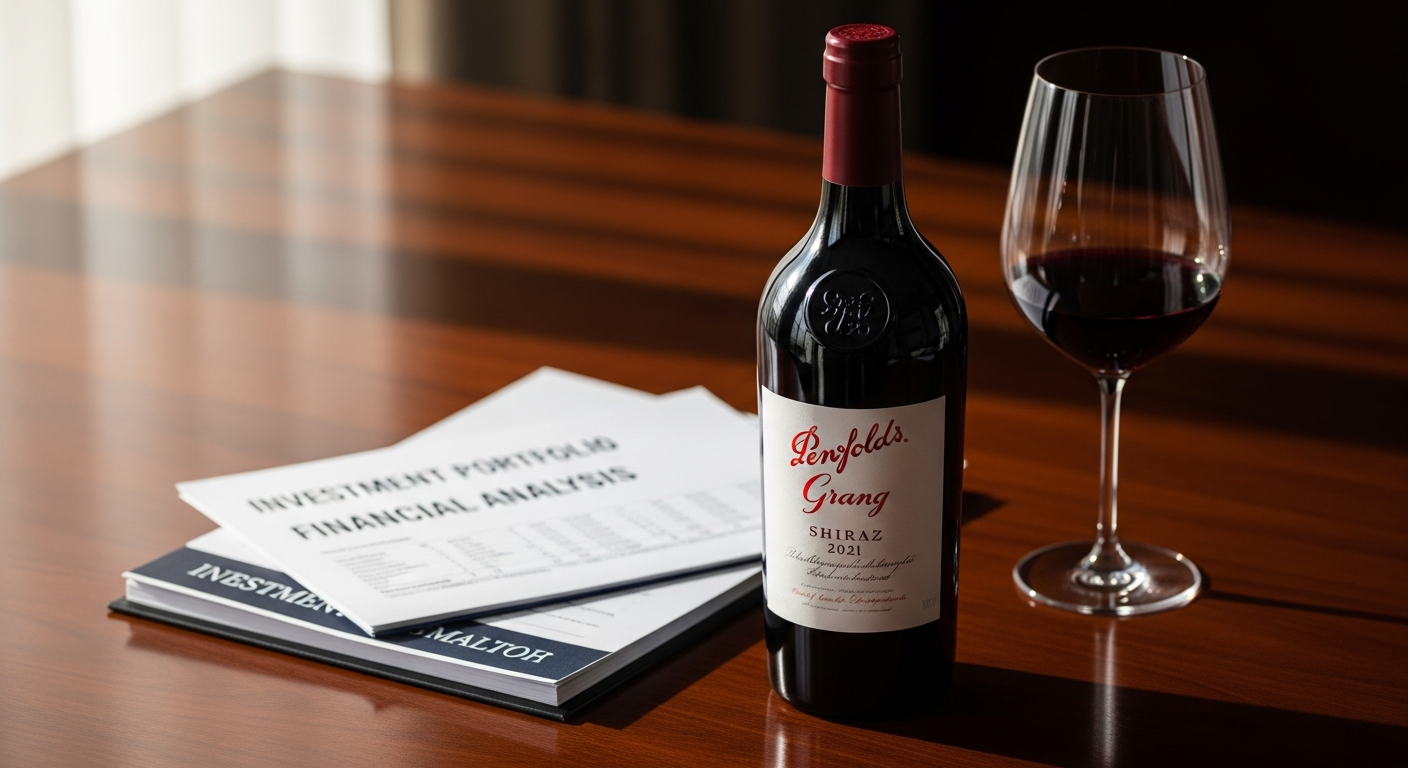
Penfolds Grange Shiraz 2021 wine bottle with elegant label on dark background

Penfolds Grange Shiraz 2021: Investment Guide

Australian wine investment has experienced remarkable growth over the past decade, yet one bottle consistently rises above the competition at auction houses and in collector portfolios. The 2021 vintage of Penfolds Grange—Australia's most coveted Shiraz—recently earned Langton's #1 Wine of the Year for 2025, a recognition that underscores its unwavering status as the benchmark for serious collectors. This achievement matters because it signals institutional validation in a market where reputation drives both desirability and financial performance.

The wine investment landscape rewards discipline and informed selection. I've observed fine wine portfolios flourish when collectors prioritize bottles with proven track records and genuine scarcity, while others falter by chasing trends or overlooking fundamentals. Penfolds Grange represents something increasingly rare—a wine that delivers extraordinary sensory pleasure today while appreciating meaningfully in value tomorrow. Its combination of immediate drinking satisfaction and long-term investment potential creates a compelling case for inclusion in any serious collection.

This guide examines what makes the 2021 vintage essential for wine investors and enthusiasts alike.

Explore current Penfolds Grange 2021 pricing and availability at premier fine wine merchants today.

The Investment Case for Penfolds Grange Shiraz 2021

The financial performance of Penfolds Grange speaks for itself when you examine auction results across multiple years and markets. This wine has demonstrated consistent price appreciation that rivals or exceeds conventional investment vehicles. Langton's Classification—Australia's definitive ranking of the nation's most collectible wines—consistently positions Grange at its apex, a status it has maintained for decades. This institutional validation matters tremendously because it establishes a foundation that newer or unproven wines cannot replicate.

Historic auction data reveals the pattern clearly. Grange performs with remarkable consistency, commanding premium pricing even during market downturns when other fine wines experience volatility. The 2021 vintage enters this proven ecosystem with immediate credibility, backed by its Wine of the Year recognition and the institutional prestige of Penfolds' winemaking heritage. Secondary market demand remains robust globally, with collectors across North America, Europe, and Asia competing for available bottles. This liquidity advantage—the ability to sell relatively quickly at fair market value—distinguishes Grange from many fine wines that struggle for buyer interest outside niche markets.

Limited production runs further support long-term value retention. Penfolds produces Grange in quantities far smaller than mainstream wines, yet significantly smaller than other luxury bottles. This scarcity dynamic, combined with strong collector demand, creates favorable conditions for appreciation. Investors who acquired earlier vintages—the 2018, 2015, or 2010 releases—have witnessed substantial gains, establishing a historical precedent that supports similar expectations for the 2021.

Scarcity and Production Constraints

Penfolds carefully controls Grange production to maintain its exclusivity and market positioning. Unlike mass-produced wines or even other premium labels, each vintage release remains intentionally limited. This supply constraint, coupled with increasing global demand, naturally supports value appreciation over time. The 2021 vintage entered the market with a retail price around $899 per bottle, and secondary market pricing has already begun its upward trajectory as collectors scramble to secure allocations.

Secondary Market Liquidity and Demand Patterns

Fine wine markets operate on principles of supply and demand, just like other investment assets. Grange's consistent appearance in auction catalogs from major houses—Sotheby's, Christie's, and specialized fine wine auctioneers—demonstrates active buyer interest. Auction results consistently show bottles selling at or above estimates, with competitive bidding driving prices higher. This pattern indicates genuine collector demand rather than speculative interest, a distinction that matters significantly for long-term value stability.

Understanding the 2021 Vintage's Structural Excellence

The sensory profile of Penfolds Grange 2021 distinguishes itself through an exceptionally balanced combination of power and refinement. The wine exhibits an opulent fruit profile—rich, concentrated, and intensely aromatic—that announces itself immediately upon opening. Yet beneath this initial impression lies remarkable structural complexity. The tannin framework is robust without overwhelming, a characteristic that defines great Shiraz and promises extended aging potential.

American oak plays a crucial role in this vintage's character. Penfolds employs new, fine-grained American oak that imparts fragrant nuances complementary to the intense fruit. This oak influence creates additional layers of complexity—hints of vanilla, spice, and subtle sweetness that harmonize with the wine's natural characteristics rather than dominating them. The result is a bottle that tastes magnificent immediately, yet possesses the structural integrity to evolve beautifully over multiple decades.

The 2021 growing conditions in South Australia contributed meaningfully to this vintage's quality. The balance between fruit ripeness and tannin maturity achieved optimal equilibrium, a fortunate alignment that doesn't occur every year. Concentrated flavor intensity defines the drinking experience—this is a wine that demands attention, that fills the palate with layered sensations, that rewards contemplation. It represents the benchmark against which modern Australian Shiraz is measured.

Discover the complete tasting notes and technical specifications of the 2021 vintage through specialist fine wine retailers.

Tannin Structure and Maturation Timeline

Grange 2021 enters the market with tannins that are mature yet structured. The wine is approachable now—serious collectors can enjoy bottles today and experience genuine pleasure—yet it possesses the architectural framework for decades of continued evolution. The typical drinking window for Grange extends 25-40 years from vintage, though exceptional bottles have proven their quality well beyond this timeframe.

The maturation timeline follows a predictable arc for this wine class. Year one through five represents the primary drinking phase for those seeking current gratification. Years five through fifteen mark the sweet spot for most collectors—the wine has shed its primary youth while retaining vibrancy and freshness. Years fifteen onward reveal the wine's truest character, as oxidative processes gradually transform the profile into something increasingly complex and tertiary. Understanding this timeline helps collectors make strategic decisions about when to consume their holdings versus hold for appreciation.

Concentrated Flavor Intensity and Aging Potential

The concentrated nature of Grange 2021's flavor profile contributes directly to its exceptional aging potential. Wines with greater extraction and complexity possess more sensory material to evolve over time. As the wine ages, tannins gradually soften, acidity integrates more seamlessly, and secondary flavors—leather, earth, dried fruit, subtle oxidative notes—develop additional nuance. This transformation doesn't diminish the wine; instead, it reveals new dimensions that justify the collector's patience.

Cellaring Strategy and Long-Term Storage Considerations

Proper cellaring is absolutely essential for wines of this caliber and price point. Storage conditions directly impact whether your investment appreciates or deteriorates, making this consideration fundamental to long-term success. Temperature stability represents the most critical variable. Grange 2021 requires storage between 45-65°F, with the ideal temperature around 55°F. Fluctuations matter tremendously—even small variations can accelerate oxidation and degrade the wine's structure.

Horizontal bottle orientation (on its side) maintains cork moisture and prevents cork degradation. A dry cork can crack or shrink, allowing oxygen infiltration that compromises the wine. Humidity levels should remain between 50-80% to prevent label deterioration and cork issues. Darkness is equally important—exposure to light accelerates aging processes and can create undesirable flavor compounds.

Professional fine wine storage facilities offer climate-controlled environments specifically designed for long-term preservation. These facilities maintain precise temperature and humidity levels, provide insurance coverage, and employ security measures that home cellars typically cannot match. For collections worth tens of thousands of dollars or more, professional storage often represents a worthwhile investment. The facility fees—typically $200-500 annually per case—pale in comparison to the potential loss from improper storage.

Insurance and Documentation Requirements

High-value wine collections require proper insurance coverage. Standard homeowners or renters insurance typically provides inadequate coverage for fine wine, and some policies exclude alcohol entirely. Specialized fine wine insurance provides comprehensive protection against theft, damage, and loss. Documentation becomes equally important—maintaining detailed records of acquisition dates, purchase prices, tasting notes, and storage conditions supports both insurance claims and future sales transactions.

Professional appraisals by certified wine experts establish documented value for insurance purposes and assist with estate planning or succession considerations. These appraisals cost several hundred dollars per collection but provide essential documentation and credibility with insurers and future buyers.

Market Dynamics and Collector Demand Patterns

Premium pricing for Penfolds Grange at fine wine auctions reflects institutional credibility and collector consensus. Bottles consistently sell well above their original retail prices, particularly for older vintages with established track records. The 2021 vintage commands premium pricing specifically because it arrives with exceptional quality credentials and the Langton's Wine of the Year recognition. This immediate prestige accelerates demand from collectors seeking to capitalize on value appreciation before scarcity becomes even more pronounced.

Seasonal market trends influence auction results and secondary market pricing. Auction houses typically schedule major sales during spring and fall, periods when collector demand peaks. Summer months show reduced trading activity, while winter experiences variable demand depending on vintage ratings and market sentiment. Understanding these patterns helps collectors optimize entry and exit timing—acquiring during slower periods may offer negotiating advantages, while selling during peak demand windows maximizes returns.

Collector demographics driving Grange demand span multiple global markets. Established collectors in Australia, the United Kingdom, and North America form the primary market, but growing collector populations in Asia—particularly Singapore, Hong Kong, and China—increasingly compete for available bottles. This international demand creates a broader market for the wine, supporting liquidity and pricing stability across geographic regions.

Critical Reviews and Market Valuation

Critical reviews from respected wine publications and expert tasters influence collector perception and market pricing. Langton's Wine of the Year recognition for the 2021 vintage carries particular weight because Langton's holds substantial credibility in Australian wine markets. High scores from James Halliday, Langton's expert panels, or international critics like Robert Parker can accelerate demand and support price appreciation. The 2021 vintage enters the market with institutional validation that positions it favorably against competing wines seeking collector attention.

Currency Fluctuations and International Collector Interest

International collector interest in Australian wines fluctuates based on currency exchange rates and relative pricing across global markets. When the Australian dollar strengthens against major currencies, bottles become more expensive for overseas collectors, potentially reducing international demand and supporting prices for domestic buyers. Conversely, currency weakness creates pricing advantages for international collectors, expanding the potential buyer pool and supporting broader market demand.

Building Your Collection Around This Cornerstone Holding

Strategic allocation of Penfolds Grange within a diversified wine collection balances concentration risk with the benefits of owning a proven performer. Financial advisors typically recommend allocating 10-25% of a wine portfolio to flagship bottles like Grange—sufficient exposure to benefit from appreciation while maintaining diversification across other wines, regions, and vintages. This allocation strategy parallels conventional investment portfolio construction, where concentration in top performers is balanced against broader market exposure.

Complementary wines that enhance overall collection balance might include other premium Australian Shiraz from different producers (Torbreck, Henschke), Bordeaux or Rhône wines from respected châteaux, or fine wines from other regions that offer different flavor profiles and aging characteristics. This diversification reduces dependence on any single wine or region appreciating as expected while providing varied tasting experiences across your collection.

Vertical tasting strategies using multiple vintages of Grange reveal the wine's evolution over time and deepen understanding of vintage variation. Acquiring the 2021 alongside the 2015 or 2010 vintages allows collectors to taste how this wine develops, making the tasting experience itself a form of investment in knowledge and appreciation. Vertical tastings also generate considerable satisfaction for serious collectors—they represent the culmination of patience and planning, offering sensory rewards that complement financial appreciation.

Acquisition Timing and Market Entry Points

Market entry timing influences acquisition cost and potential returns. The 2021 vintage currently trades at premium pricing relative to retail due to limited availability and strong collector demand. Early acquisition—within the first year or two of release—offers the benefit of potential scarcity premiums if supply becomes extremely constrained. However, prices may also soften if broader market conditions deteriorate or if large allocations suddenly enter the secondary market.

New collectors should evaluate their financial capacity and timeline before committing significant capital. Penfolds Grange represents a meaningful investment at $899-1,200+ per bottle on the secondary market, and serious collectors typically acquire multiple bottles to justify storage costs and build meaningful position size.

Exit Strategy Planning and Succession Considerations

Exit strategy planning deserves consideration before acquisition. How will you eventually liquidate these holdings—through auction houses, private sales to collectors, or through wine merchants? Each approach offers different advantages and costs. Auction houses provide broad exposure to competitive bidding but charge substantial commissions (typically 10-15% buyer's premium plus seller's fees). Private sales to collectors or wine merchants may offer faster execution but potentially lower final prices.

Succession planning becomes important for larger collections. Will your heirs inherit these wines? Do they have the knowledge to properly maintain and eventually sell them? Documenting storage locations, insurance details, and tasting notes facilitates smooth transitions and ensures your collection retains value across generations.

The Collector's Verdict: Why 2021 Penfolds Grange Remains Non-Negotiable

The Penfolds Grange Shiraz 2021 transcends the category of merely excellent wine—it functions as a strategic asset combining sensory excellence with proven financial performance. The evidence supporting its inclusion in serious collections accumulates on multiple fronts: unmatched investment performance across vintages, structural complexity that rewards patient cellaring, and demonstrated market demand that continues strengthening rather than weakening.

This vintage delivers simultaneously on multiple dimensions. It tastes extraordinary today for collectors seeking immediate gratification. It evolves beautifully over decades as tannins soften and secondary flavors emerge. It appreciates meaningfully in value as scarcity builds and collector consensus solidifies around its quality credentials. The rarity of finding a wine that succeeds across all three dimensions—present enjoyment, future development, and financial appreciation—underscores why Grange occupies such a central position in fine wine portfolios.

What fundamentally separates Grange from countless other fine wines competing for collector attention is institutional credibility. Langton's recognition as Wine of the Year, consistent auction performance across multiple decades, and collector consensus create a credibility foundation that newer or unproven wines cannot match. This foundation provides stability and confidence that justifies the significant capital commitment required.

For collectors ready to strengthen their portfolios, begin by researching current market pricing through reputable fine wine merchants and auction house estimates. Evaluate your storage capacity—whether home cellaring or professional facilities—and ensure adequate insurance coverage before acquisition. Consider consulting a wine investment advisor if you're committing meaningful capital, particularly if you're new to fine wine investing.

The 2021 vintage remains relatively available now, but scarcity is already building as serious collectors position themselves for the years ahead. Market dynamics suggest that supply constraints will become more pronounced while demand continues its upward trajectory. Taking action sooner rather than later positions collectors advantageously before scarcity-driven premiums accelerate further.

Begin building your collection by checking available inventory and pricing at trusted fine wine specialists now.


Comments

Leave a Reply

Your email address will not be published. Required fields are marked *