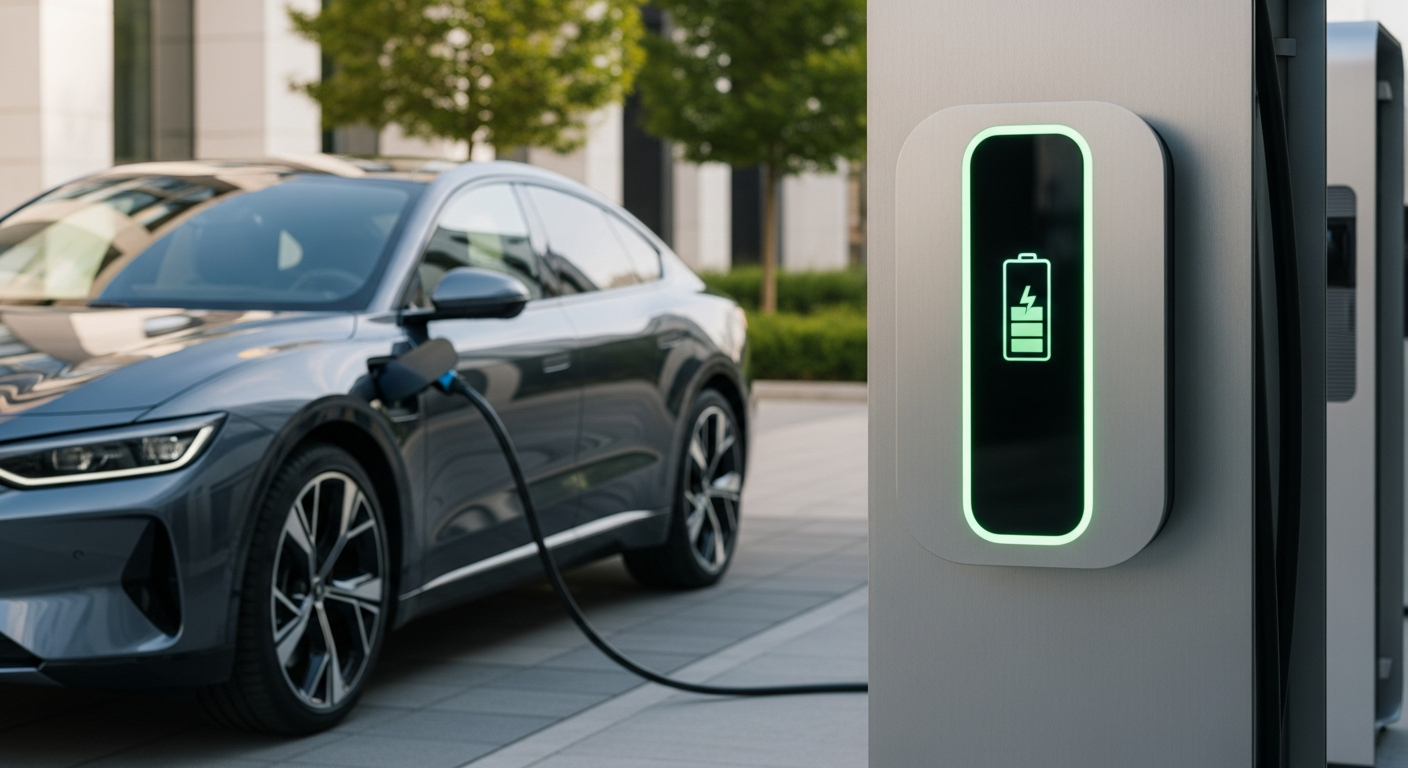
Electric vehicles are changing the way people drive. They offer quiet performance, lower tailpipe emissions and the convenience of charging instead of visiting a fuel station.
However, EVs also come with components and repair needs that can differ from those of petrol or diesel cars. That is why choosing suitable insurance matters.
AXA eAuto EV Insurance may be worth considering if you want protection designed around the financial risks of owning and driving an electric vehicle.
Before purchasing a policy, it is important to understand the available cover, the limits that may apply and whether EV-specific equipment is included.
This guide explains what to look for when comparing AXA eAuto EV Insurance with other electric vehicle insurance options.
Explore AXA eAuto coverage options and get your personalized quote today.
What Is AXA eAuto EV Insurance?
AXA eAuto EV Insurance refers to motor insurance intended for electric vehicles.
Like conventional comprehensive car insurance, an EV policy may help protect the insured vehicle against accidental damage, theft and third-party liabilities, depending on the selected plan and local policy terms.
The main difference is the need to consider parts unique to an electric car. These may include the high-voltage battery, charging cable, charging equipment and specialised electrical systems.
Exact benefits, limits and exclusions can differ by country, vehicle and policy, so customers should always rely on their official quotation, policy schedule and policy wording.
Why Electric Vehicles Need the Right Insurance
Although EVs and conventional cars face many of the same road risks, repairing an electric vehicle can require specialised technicians, diagnostic equipment and manufacturer-approved parts.
The battery is also one of the most valuable components in an EV.
Suitable electric vehicle insurance can help manage costs arising from:
- Collisions and accidental damage
- Theft or attempted theft
- Fire and other insured events
- Damage caused to another person or their property
- Towing or roadside incidents
- Damage to EV-specific equipment, when expressly covered
Insurance does not cover every mechanical or electrical problem. Battery degradation, wear and tear, manufacturer defects and improper charging may be excluded unless the policy specifically says otherwise.
Coverage to Check in an AXA eAuto EV Insurance Policy
When reviewing an AXA eAuto EV Insurance quotation, look beyond the premium. The most useful policy is one that matches how you use, park and charge your vehicle.
1. Accidental Damage
Comprehensive cover may pay for eligible repairs after a collision or another insured accident.
2. Theft and Malicious Damage
EVs contain high-value technology, while portable charging cables may also be attractive to thieves.
Confirm whether theft of the vehicle is covered and whether charging accessories are protected when stored in or used with the car.
3. Third-Party Liability
Third-party liability helps protect you financially if an insured incident causes injury to another person or damage to their property. Review the applicable liability limits and any legal assistance included in the plan.
4. Battery Protection
The traction battery deserves special attention because it can be expensive to inspect, repair or replace.
Ask whether accidental battery damage is covered, how the insurer determines whether repair or replacement is necessary and whether leased batteries are treated differently.
Battery warranties and motor insurance serve different purposes. A manufacturer warranty generally addresses qualifying defects, while insurance typically responds to specified accidental events.
Neither should be assumed to cover normal loss of battery capacity.
5. Charging Cable and Charging Equipment
Some EV policies may cover a charging cable or home wall charger under defined circumstances.
Check whether the equipment must belong to you, be attached to the insured vehicle or be located at the insured address. A wall charger may instead need protection under a home insurance policy.
6. Roadside Assistance and Towing
Roadside support can be valuable if an EV is immobilised following an accident, electrical problem or depleted battery.
Confirm what events qualify, where the vehicle can be towed, the distance or cost limit and whether out-of-charge assistance is included.
7. Personal Accident Benefits
Depending on the chosen policy, personal accident benefits may provide financial support following eligible injuries or death involving the insured vehicle. Review who is protected and the benefit limits.
8. Natural Hazards
Flood, storm, earthquake and other natural-hazard protection may be included, optional or excluded depending on the market and policy.
EV owners in flood-prone locations should check this section carefully and follow manufacturer safety advice if a vehicle or charger is exposed to water.
What May Not Be Covered?
Common exclusions can include:
- Gradual battery degradation or reduced driving range
- Mechanical or electrical breakdown not caused by an insured event
- Wear and tear, corrosion or poor maintenance
- Damage resulting from unauthorised modifications
- Use of incompatible or unapproved charging equipment
- Commercial, racing or other undeclared vehicle use
- Driving without a valid licence or under prohibited conditions
- Losses above stated limits or below the applicable excess
This is not an exhaustive list. Read the current policy wording and schedule for the exclusions that apply to your cover.
How Much Does AXA eAuto EV Insurance Cost?
There is no single price for AXA eAuto EV Insurance. Premiums are usually calculated using a combination of factors, which may include:
- EV make, model, age and market value
- Battery type and replacement cost
- Availability and price of spare parts
- Driver age, experience and claims history
- Location and typical vehicle use
- Annual mileage
- Chosen coverage, limits and excess
- Optional benefits or add-ons
A lower premium is not automatically the best value. Compare the total protection, excess, claim limits, repair network and EV-specific terms before deciding.
How to Choose the Right EV Insurance
Use these steps when assessing an electric car insurance policy:
- Confirm EV eligibility. Make sure the exact make, model and variant can be insured.
- Review battery terms. Check accidental-damage cover, exclusions and settlement rules.
- Check charging protection. Ask about portable cables, adapters and home chargers.
- Understand roadside support. Verify whether depleted-battery assistance and suitable towing are available.
- Compare repair options. Find out whether repairs use authorised facilities and approved EV parts.
- Choose a manageable excess. A higher excess may reduce the premium but increases what you pay during a claim.
- Disclose modifications and usage. Accurate information helps prevent claim disputes.
- Read the complete wording. Marketing summaries do not replace the legal policy documents.
Benefits of Choosing EV-Focused Protection
The strongest reason to consider AXA eAuto EV Insurance is not simply that the vehicle is electric. It is the opportunity to select protection that acknowledges how an EV is built, charged and repaired.
Appropriate cover can offer:
- Financial protection against major insured losses
- Greater clarity around high-value EV components
- Access to assistance when the vehicle is immobilised
- Protection against eligible third-party claims
- Added confidence for daily driving and longer journeys
Frequently Asked Questions
Does AXA eAuto EV Insurance cover the battery?
Battery cover depends on the applicable policy. Accidental damage may be covered under some comprehensive plans, while degradation, wear and tear, defects or improper charging may be excluded. Check the policy wording for the battery terms that apply to your vehicle.
Is a home EV charger covered?
A home charger may be covered by motor insurance, home insurance or a separate equipment warranty, depending on the insurer and circumstances. Confirm the correct policy before relying on cover.
Does EV insurance include assistance if the battery runs out?
Not always. Some roadside-assistance packages may provide towing or charging-related help, while others only respond to accidents or breakdowns. Review the assistance limits and conditions.
Are hybrid vehicles eligible?
Eligibility for hybrids and plug-in hybrids varies. Enter the exact vehicle variant when requesting a quotation or ask an authorised representative to confirm.
Is electric car insurance more expensive?
It can be, particularly when the vehicle has a high purchase price or costly specialised parts. However, premiums vary by vehicle, driver, location, cover and claims history. A personalised quote is the most reliable way to estimate cost.
Get the Right Protection for Your EV
An electric vehicle is a significant investment, and its insurance should reflect both everyday road risks and EV-specific considerations.
AXA eAuto EV Insurance may provide a convenient way to protect your car, but the right choice depends on the exact cover, limits, excess and exclusions offered to you.
Before buying, request a personalised quote and review the official policy documents. Pay particular attention to battery protection, charging equipment, roadside assistance, authorised repairs and natural-hazard cover.
With the right information, you can choose insurance that supports your EV ownership journey with greater confidence.
Calculate your personalized AXA eAuto premium and secure comprehensive EV protection today.
Leave a Reply