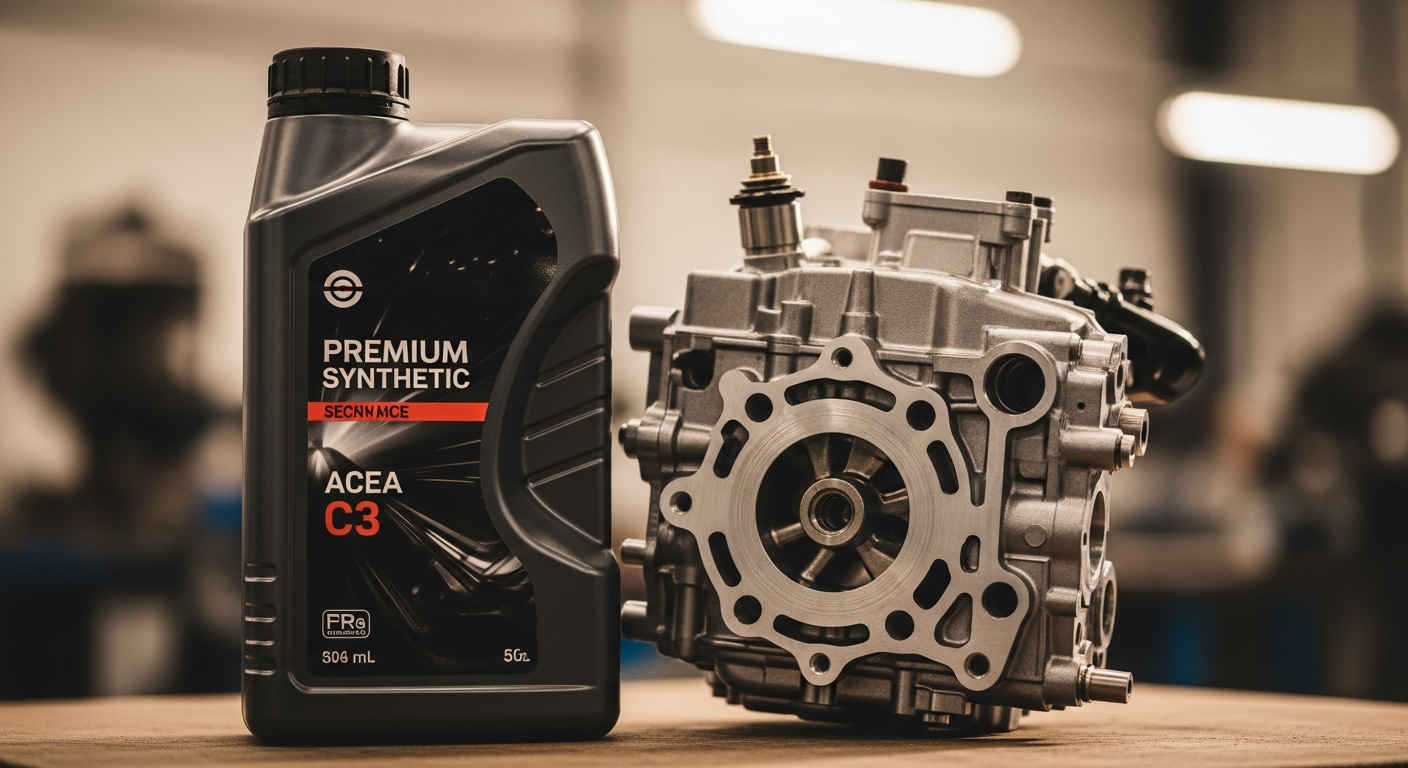
Modern engines demand high-performance lubrication that protects critical components, supports fuel efficiency, and handles extreme operating conditions.
That is where ACEA C3 compliant synthetic engine oil comes in. Drivers across Europe and many other regions rely on this specification to maintain engine performance while helping reduce emissions system damage.
If you own a gasoline or diesel vehicle equipped with advanced exhaust after-treatment systems, choosing the correct oil specification is not optional.
Using the wrong oil can shorten engine life, reduce performance, and even damage expensive emission control components.
This guide explains what ACEA C3 means, how synthetic engine oils work, and why this specification is widely recommended for modern vehicles.
Discover ACEA C3 compliant oils that meet European standards
What Is ACEA C3?
ACEA stands for the European Automobile Manufacturers’ Association. The organization sets performance standards for engine oils used in European vehicles.
The ACEA C3 specification is designed for:
- High-performance gasoline engines
- Light-duty diesel engines
- Vehicles with diesel particulate filters (DPF)
- Vehicles with catalytic converters
- Extended oil drain intervals
ACEA C3 oils belong to the “C” category, which focuses on oils compatible with modern emission control systems.
The main characteristic of ACEA C3 oil is its mid SAPS formulation.
What Does Mid SAPS Mean?
SAPS stands for:
- Sulfated Ash
- Phosphorus
- Sulfur
Lower SAPS content helps protect sensitive emission components such as:
- Diesel particulate filters
- Catalytic converters
- Exhaust gas treatment systems
Traditional oils with high SAPS levels can leave deposits that clog these systems over time.
What Makes Synthetic Engine Oil Different?
Synthetic engine oil is engineered using advanced base oils and additives designed to outperform conventional oil in demanding conditions.
Benefits of synthetic engine oil include:
- Better high-temperature stability
- Improved cold-start protection
- Reduced engine wear
- Cleaner engine performance
- Longer oil life
- Improved fuel efficiency
When combined with ACEA C3 compliance, synthetic oil delivers strong protection for both the engine and the emissions system.
Key Features of ACEA C3 Compliant Synthetic Engine Oil
Excellent Engine Protection
ACEA C3 oils help reduce friction and wear under high stress conditions. This is especially important for turbocharged engines and vehicles used for long-distance driving.
Protection for Emissions Systems
Mid SAPS technology reduces ash buildup inside diesel particulate filters and catalytic converters, helping maintain efficient emissions control.
High Temperature Stability
Synthetic ACEA C3 oils resist thermal breakdown during high-speed driving, towing, and hot weather conditions.
Better Fuel Economy
Lower internal engine friction can contribute to improved fuel efficiency compared to lower-grade lubricants.
Extended Drain Intervals
Many ACEA C3 synthetic oils are formulated for longer service intervals when approved by the vehicle manufacturer.
Which Vehicles Require ACEA C3 Oil?
Many European automakers recommend ACEA C3 oil specifications, including:
- BMW
- Mercedes-Benz
- Volkswagen
- Audi
- Porsche
- Renault
- Peugeot
- Citroën
Common manufacturer approvals often associated with ACEA C3 include:
- BMW Longlife-04
- Mercedes-Benz MB 229.51 / 229.52
- VW 504.00 / 507.00
- Porsche C30
Always check your owner’s manual before selecting engine oil.
ACEA C3 vs Other ACEA Oil Specifications
Understanding the difference between ACEA oil standards helps drivers choose the right lubricant.
| Specification | Main Purpose | SAPS Level |
|---|---|---|
| ACEA C1 | Fuel economy, low viscosity | Low SAPS |
| ACEA C2 | Fuel efficiency with emissions protection | Mid SAPS |
| ACEA C3 | High protection and emissions compatibility | Mid SAPS |
| ACEA A3/B4 | High-performance gasoline/diesel engines | Full SAPS |
ACEA C3 oils typically provide stronger wear protection than ACEA C2 oils while still protecting emissions systems.
Browse ACEA C3 certified options from trusted manufacturers
Benefits of Using ACEA C3 Synthetic Engine Oil
Choosing the correct oil specification can help:
- Extend engine life
- Reduce engine sludge
- Maintain turbocharger performance
- Improve cold-start lubrication
- Lower maintenance costs
- Protect DPF and catalytic converters
- Maintain manufacturer warranty compliance
Using non-compliant oil may increase the risk of engine deposits and emissions system failure.
How to Choose the Right ACEA C3 Oil
When shopping for engine oil, check for:
Official ACEA C3 Certification
The label should clearly state ACEA C3 compliance.
Correct Viscosity Grade
Common viscosity grades include:
- 5W-30
- 5W-40
- 0W-30
Use the viscosity recommended by your vehicle manufacturer.
Manufacturer Approvals
Many automakers require specific approvals beyond ACEA standards.
Fully Synthetic Formula
Fully synthetic oils typically provide better long-term protection compared to semi-synthetic options.
Signs Your Engine Needs an Oil Change
Even premium ACEA C3 synthetic oil eventually degrades over time.
Watch for these signs:
- Engine noise increases
- Reduced fuel efficiency
- Dark or dirty oil
- Oil warning light
- Rough engine performance
- Excess exhaust smoke
Following the recommended oil service interval helps maintain engine reliability.
Common Questions About ACEA C3 Engine Oil
Can I Use ACEA C3 Oil in a Gasoline Engine?
Yes. ACEA C3 oils are suitable for many gasoline and diesel engines, especially European models.
Is ACEA C3 Good for Diesel Engines?
Yes. ACEA C3 oils are widely used in diesel vehicles equipped with diesel particulate filters.
Does ACEA C3 Improve Fuel Economy?
It can help improve efficiency by reducing engine friction, though results vary by vehicle and driving conditions.
Can I Mix ACEA C3 Oil With Other Oils?
Mixing oils is generally not recommended unless necessary during emergencies. Using the correct specification consistently provides the best protection.
Choosing the Right Protection for Your Engine
ACEA C3 compliant synthetic engine oil plays a major role in protecting modern engines and emissions systems. Its mid SAPS formulation, strong wear protection, and thermal stability make it a preferred choice for many gasoline and diesel vehicles.
Drivers who choose the correct ACEA C3 synthetic oil can help maintain engine efficiency, reduce long-term repair costs, and support cleaner emissions performance.
Before purchasing engine oil, always verify the required specification in your owner’s manual and select a trusted brand that meets official ACEA C3 standards.
Explore ACEA C3 compliant options and protect your engine today
Leave a Reply