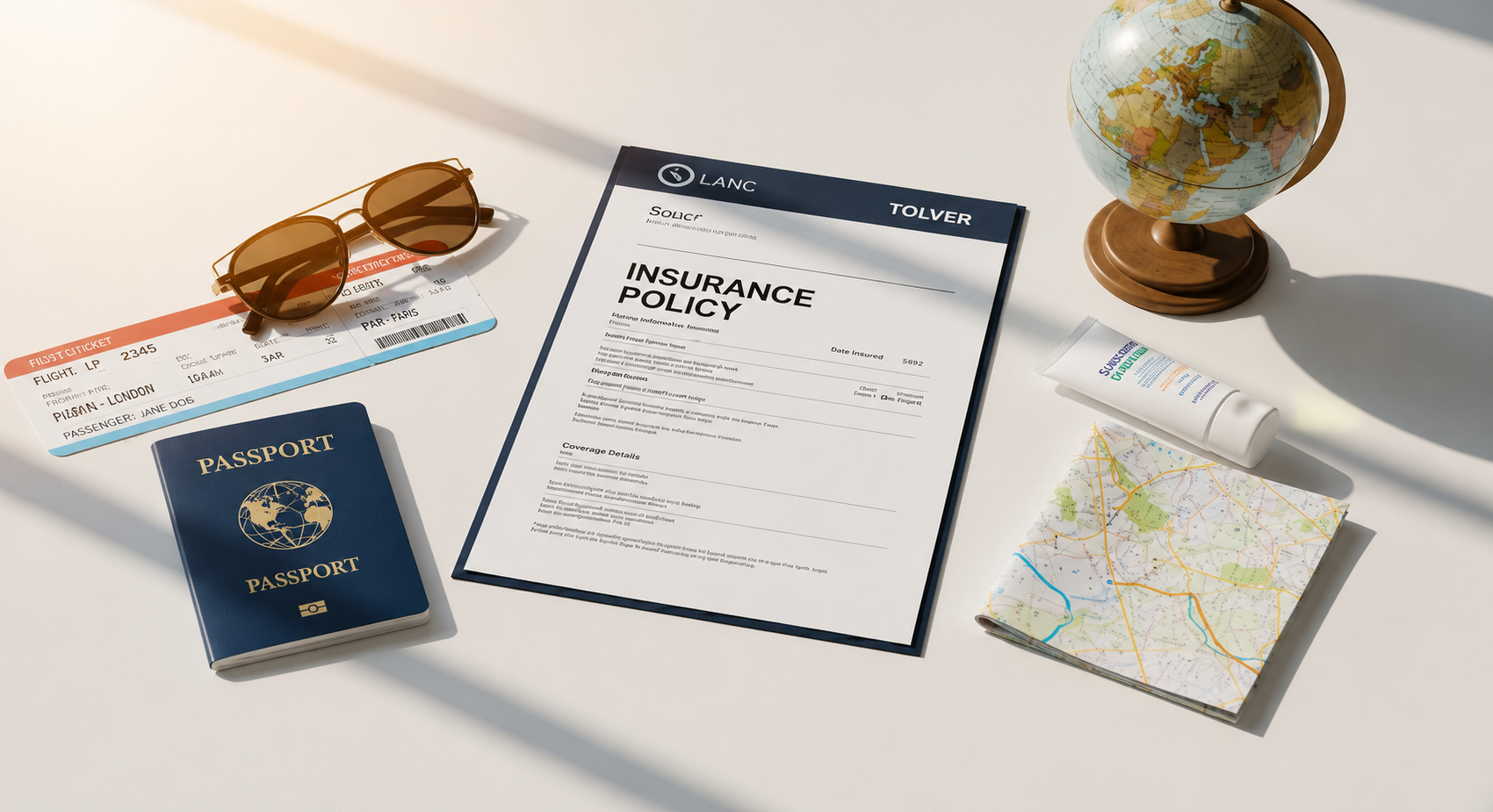
Travel can bring exciting experiences, but unexpected disruptions may quickly affect your plans and budget. Flight cancellations, delayed baggage, medical emergencies, and interrupted trips are some situations travelers may encounter.
An Annual Travel Insurance Smart Policy may provide a practical way to prepare for these uncertainties, particularly when you expect to take several trips within a year.
Instead of arranging separate insurance for every journey, an annual policy typically provides coverage for multiple eligible trips during a defined 12-month period. This approach may simplify travel preparation while offering protection based on the policy’s specific terms and limits.
What Is an Annual Travel Insurance Smart Policy?
An Annual Travel Insurance Smart Policy is a type of travel insurance designed to cover multiple eligible trips during a policy year. It may also be called annual multi-trip travel insurance.
You generally purchase one policy and use its coverage for qualifying journeys throughout the coverage period. However, insurers commonly place a maximum duration on each individual trip, such as a certain number of consecutive days.
This means annual coverage does not necessarily allow unlimited trip lengths. Checking the maximum trip duration before purchasing a policy is particularly important if you take extended holidays or long business trips.
How Does Annual Travel Insurance Work?
Annual travel insurance typically begins on the effective date stated in your policy documents and continues for approximately one year. During that period, eligible trips may receive coverage without requiring you to purchase a completely new policy each time.
Depending on the insurer and plan, coverage may apply to domestic travel, international travel, or both.
You may still need to meet specific requirements for every journey. These could include limits on trip length, approved destinations, medical conditions, activities, or reasons for cancellation.
Reading the policy wording can help you understand exactly when coverage begins and ends.
What May an Annual Travel Insurance Smart Policy Cover?
Coverage varies considerably among insurers and plans. However, an annual policy may include several common travel protections.
Emergency Medical Expenses
Medical treatment outside your home country can become expensive. Some annual travel policies may cover eligible emergency medical expenses resulting from unexpected illnesses or injuries during a covered trip.
Coverage could include hospital treatment, emergency transportation, or medically necessary services, depending on the policy.
Pre-existing medical conditions may require additional disclosure or may have special exclusions and limitations.
Trip Cancellation
If an unexpected covered event prevents you from taking a planned journey, cancellation coverage may reimburse certain prepaid and non-refundable expenses.
Covered reasons might include specific illnesses, injuries, family emergencies, or other events defined within the policy.
Changing your mind about traveling generally does not qualify unless the policy specifically includes that protection.
Trip Interruption
Sometimes a journey begins normally but needs to end earlier than expected. Trip interruption coverage may help with certain expenses when you have to return home because of an eligible event.
The amount available and qualifying circumstances depend on your policy terms.
Lost, Stolen, or Damaged Baggage
Baggage problems can disrupt an otherwise enjoyable trip. Annual travel insurance may provide financial protection when eligible personal belongings are lost, stolen, or damaged.
Policies usually include overall limits as well as maximum amounts for individual valuables. High-value electronics, jewelry, or specialist equipment may require separate protection.
Baggage Delay
If checked luggage does not arrive when you do, baggage-delay benefits may help cover necessary purchases such as toiletries or basic clothing.
A minimum delay period may apply before you can make a claim, so keeping receipts and airline documentation could be important.
Travel Delay
Long transportation delays may result in unexpected meals, accommodation, or transportation expenses.
Some annual policies may reimburse eligible costs after your delay exceeds a specified number of hours. The reason for the delay may also need to qualify under the policy.
Who Might Consider Annual Travel Insurance?
Annual coverage may be worth considering when you travel several times during the year. It could be particularly useful for frequent holidaymakers, business travelers, families taking several trips, or people regularly visiting relatives abroad.
For example, consider someone planning four international journeys over the next 12 months. Purchasing and managing four separate policies may require additional time and administration. An annual policy could potentially place those eligible journeys under one coverage arrangement.
However, annual insurance does not automatically provide better value for everyone. Someone planning only one holiday might find a single-trip policy more suitable.
Annual Travel Insurance vs Single-Trip Insurance
Understanding the basic differences may make choosing coverage easier.
| Feature | Annual Travel Insurance | Single-Trip Insurance |
|---|---|---|
| Number of trips | Multiple eligible trips | One specified trip |
| Coverage period | Usually around 12 months | Duration of one journey |
| Convenience | One policy for several trips | New policy for each journey |
| Best suited for | Frequent travelers | Occasional travelers |
| Trip duration | Often limited per journey | Based on selected travel dates |
| Cost effectiveness | May suit multiple trips | May suit one or two trips |
Neither option is automatically better. Your travel frequency, destinations, trip lengths, age, activities, and required coverage can influence which policy may suit your circumstances.
Benefits of Choosing an Annual Travel Insurance Smart Policy
One potential advantage is convenience. Once your annual policy is active, you may not need to search for new insurance before every eligible journey.
Annual coverage may also make budgeting easier because you pay for coverage covering a defined period instead of arranging insurance separately throughout the year.
Another potential advantage is flexibility. An unexpected weekend getaway or additional business trip may already fall within your existing coverage, provided it meets the policy requirements.
For frequent travelers, this structure may make managing insurance considerably simpler.
Important Policy Limits to Check
The phrase “annual travel insurance” can sometimes create the impression that every trip taken during the year is automatically covered. In practice, policies usually have conditions and restrictions.
Before purchasing coverage, check important details such as:
- Maximum number of days permitted for each trip
- Medical expense coverage limits
- Cancellation and interruption limits
- Baggage and personal-item limits
- Geographic coverage
- Age restrictions
- Pre-existing medical condition rules
- Adventure sport exclusions
- Excess or deductible amounts
- Requirements for reporting losses or delays
Does Annual Travel Insurance Cover Every Destination?
Not necessarily. Policies may define specific geographic regions or exclude particular destinations.
For example, an insurer might offer European, worldwide excluding certain countries, or broader worldwide coverage. Government travel advisories may also affect eligibility for claims.
Before booking a destination, checking whether it falls within your policy’s geographic coverage can prevent unpleasant surprises later.
Are Adventure Activities Included?
Standard policies may cover common holiday activities while excluding higher-risk sports and adventures.
Activities such as skiing, scuba diving, trekking, motorcycling, or competitive sports might require additional coverage. Even when an activity is included, restrictions may apply regarding altitude, depth, equipment, supervision, or licensing.
If active travel is part of your plans, reviewing the activity section of your policy is especially important.
How to Choose an Annual Travel Insurance Smart Policy
Start by considering how you expect to travel during the next 12 months. Think about the number of trips, destinations, typical trip duration, activities, and people requiring coverage.
Next, compare policies based on meaningful coverage rather than price alone. A lower premium might look attractive, but limited medical or cancellation protection could make the policy less appropriate for your travel plans.
Pay particular attention to exclusions. Understanding what a policy does not cover can be as important as knowing what it includes.
Finally, review the claims process. Check what documents you may need and how quickly incidents must be reported. Keeping booking confirmations, receipts, medical records, and transportation documents may make submitting an eligible claim easier.
Frequently Asked Questions About Annual Travel Insurance
Is annual travel insurance worth considering?
It may be worthwhile if you expect to take several eligible trips within one year. Comparing the total cost and coverage of annual and individual policies can help you evaluate potential value.
Can families get annual travel insurance?
Many insurers offer annual policies for couples and families. Definitions of eligible family members and rules regarding traveling separately may vary.
Does annual travel insurance cover business trips?
Some policies may cover business travel, while others may restrict or exclude particular work-related activities. Check the policy terms if you regularly travel professionally.
Can you travel for several months on one annual policy?
Possibly, but maximum trip-duration restrictions commonly apply. A policy lasting one year does not necessarily mean an individual journey can last an entire year.
Are pre-existing medical conditions covered?
Coverage depends on the insurer and policy. You may need to declare certain medical conditions, pay an additional premium, or meet eligibility requirements.
Making Smarter Choices for Year-Round Travel Protection
An Annual Travel Insurance Smart Policy may offer a convenient option when multiple journeys are part of your yearly plans. Having one policy for several eligible trips can reduce repeated insurance arrangements while potentially providing protection for medical emergencies, cancellations, delays, and baggage problems.
The key is to look beyond the word “annual.” Review individual trip-duration limits, destinations, medical coverage, exclusions, deductibles, and claim requirements carefully. Your policy should reflect how you actually travel rather than simply offering the lowest premium.
By comparing coverage details before purchasing, you can choose annual travel insurance that better fits your schedule, destinations, budget, and level of protection.
Start your year-round protection with the Annual Travel Insurance Smart Policy today
Leave a Reply