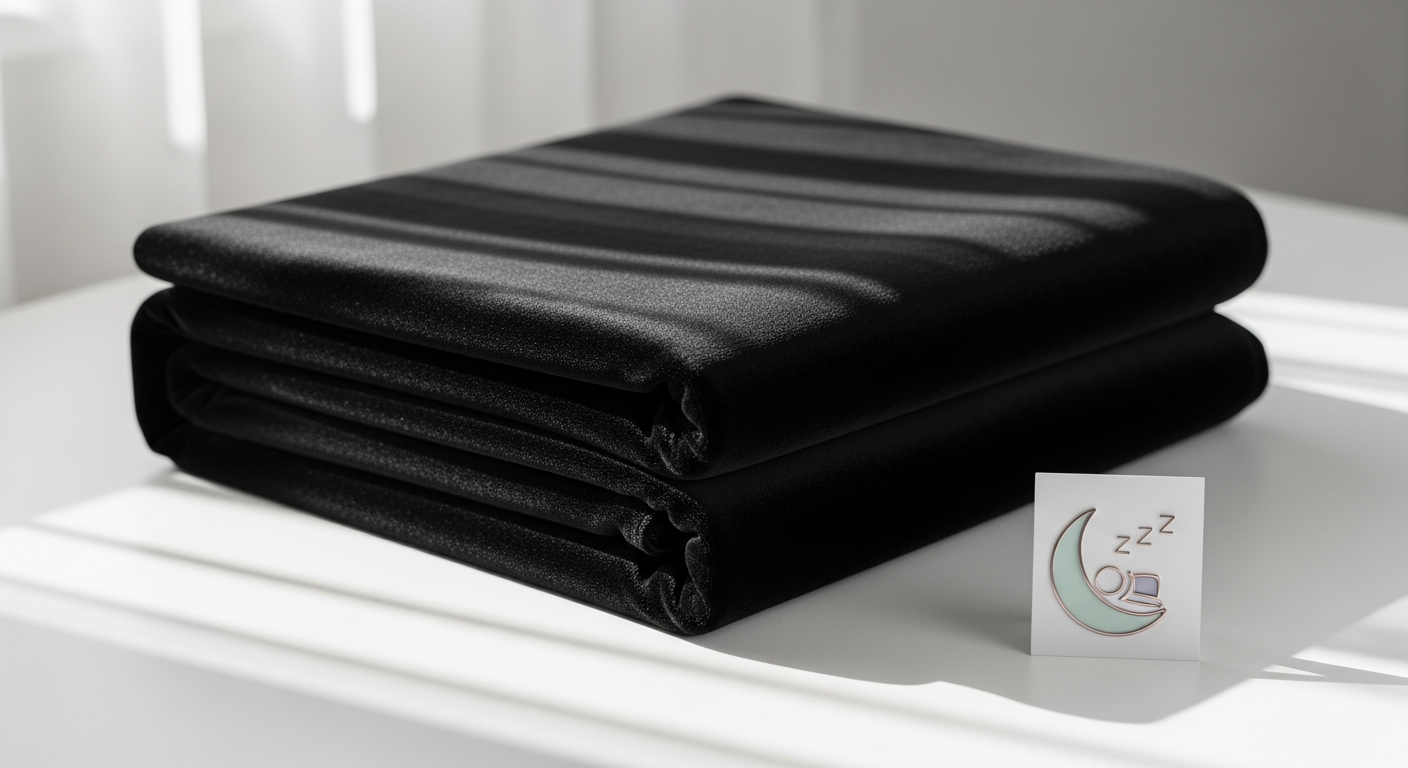
Sleep deprivation has become an epidemic. Roughly 35% of Americans find their rest disrupted by unwanted bedroom light—streetlamps bleeding through windows, early morning sun creeping past thin curtains, or the glow of neighboring buildings piercing the darkness. The problem isn’t a lack of desire for better sleep; it’s that most people reach for standard curtains that simply lack the engineering to block persistent light sources.
TheHues Custom Blackout Soundproof Curtains represent something fundamentally different. These aren’t just thicker versions of regular drapes. Built with 4-layer velvet heavyweight construction, they deliver a trifecta of benefits: complete darkness that transforms your bedroom into a true sleep sanctuary, noise dampening that quiets the chaos outside your walls, and thermal regulation that keeps your space at the ideal temperature. For anyone serious about reclaiming their sleep quality, this solution merges science with practicality.
This guide walks you through the mechanics of what makes these curtains work so effectively. You’ll understand how their advanced multi-layered design achieves complete blackout performance, discover the customization flexibility that adapts to virtually any bedroom layout, and determine whether the investment justifies itself through improved sleep and energy savings.
Explore TheHues Custom Blackout Soundproof Curtains and transform your sleep environment.
How the Velvet Heavyweight Fabric Blocks 100% of Ambient Light
The outer layer of TheHues curtains uses a dense velvet fabric that physically absorbs and blocks light rather than simply reducing it. Ambient light—whether from streetlamps, neon signs, or the early morning sun—cannot penetrate this tightly woven material. The velvet’s natural texture creates a light-trapping surface that prevents photons from passing through, delivering genuine 100% blackout rather than the “mostly dark” performance of standard room-darkening options.
The Role of Each Layer in the Multi-Layered Design
Every layer in TheHues’ construction serves a specific purpose. The outer protective layer shields against wear and fading while maintaining the fabric’s integrity. Beneath that sits the blackout core—the primary barrier against light penetration. The insulation barrier comes next, trapping air molecules to regulate temperature and dampen sound vibrations. Finally, the inner lining provides a polished appearance while adding structural support and additional thermal protection. This strategic stacking creates synergistic benefits that single-layer alternatives cannot match.
Why Single or Double-Layer Curtains Fail to Achieve True Blackout Performance
Standard curtains, even those marketed as “blackout,” typically use a single densely woven layer or a two-ply construction. These designs sacrifice practicality for cost savings. Light still finds pathways through microscopic gaps in the weave. A double-layer approach adds some improvement but remains insufficient against determined light sources. TheHues’ 4-layer system creates redundancy—if one layer allows trace light through, the next layer blocks it. This engineering philosophy ensures that no light reaches your pillow.
The Difference Between Room-Darkening and 100% Blackout—And Why It Matters for Sleep Quality
Room-darkening curtains reduce light by 50-75%, which feels adequate during the day but becomes problematic at night. Even a small amount of light exposure—often called “ambient light intrusion”—can suppress melatonin production and disrupt your circadian rhythm. Your body’s natural sleep-wake cycle depends on genuine darkness during sleep hours. TheHues’ 100% blackout construction creates true night conditions regardless of external light sources, allowing your body’s natural sleep hormones to function optimally. This distinction matters enormously for sleep quality and recovery.
Beyond Light Control—Soundproofing That Actually Quiets Your Space
Many people assume blackout curtains only address light. The reality is that TheHues’ multi-layered construction simultaneously tackles noise pollution—one of sleep’s most persistent enemies. The same principles that block light also dampen sound waves, creating a quieter, more serene bedroom environment.
How the Multi-Layered Construction Dampens External Noise
Sound travels through air as vibrating waves. When those waves hit the dense, heavy fabric of TheHues curtains, the mass of the material absorbs the energy rather than allowing it to transmit through. Traffic noise from nearby highways, neighbor conversations leaking through walls, construction sounds, sirens, and environmental noise all lose intensity as they pass through the velvet and insulation layers. The cumulative mass of four layers creates a significant acoustic barrier that single-layer solutions cannot replicate.
The Acoustic Science: Mass and Density as Noise-Reduction Factors
Physics dictates that heavier materials reduce sound transmission more effectively than lighter ones. TheHues uses heavyweight velvet specifically because its density offers superior noise-dampening properties. The insulation barrier adds another dimension—trapped air pockets within the material act as sound absorbers, converting acoustic energy into minimal heat rather than allowing it to pass through. This combination of mass and air-trapping insulation creates meaningful noise reduction without requiring thick foam panels or wall-mounted acoustic treatments.
Real-World Noise Reduction Scenarios
Apartment dwellers surrounded by neighbor noise experience transformative results with these curtains. Urban bedroom windows that face busy streets notice significant reduction in traffic noise. Homes near highways benefit from dampening the constant low rumble. Light sleepers in chaotic households gain the ability to rest undisturbed. Parents managing children’s sleep schedules appreciate the noise barrier that reduces stimulation. In each scenario, the same 4-layer construction that blocks light simultaneously creates acoustic peace.
Decibel Reduction Expectations: What Customers Can Realistically Expect
While exact decibel reduction varies based on window construction, frame fit, and noise frequency, customers consistently report noticeable improvement in sound transmission. Many experience a reduction equivalent to lowering the volume of external noise by 30-50%, depending on the noise source. Lower-frequency sounds like traffic rumble reduce more effectively than high-frequency noises, but the overall effect transforms most bedrooms from “noisy” to “noticeably quieter.” This practical outcome matters far more than precise technical specifications.
Discover how TheHues curtains create acoustic and light-blocking sanctuary in your bedroom.
Thermal Regulation and Energy Savings—The Hidden Financial Benefit
Beyond sleep enhancement, TheHues curtains deliver a quieter financial benefit: reduced energy consumption. The same insulation layers that block light and sound also regulate your room’s temperature, easing the burden on your HVAC system across every season.
How the Insulating Layers Trap Warm Air in Winter and Reflect Heat in Summer
During winter months, warm air naturally tries to escape through windows—one of the least insulated parts of any room. TheHues’ insulation barrier creates a thermal buffer, trapping warm air inside and reducing heat loss. In summer, the same layers reflect incoming heat, keeping your bedroom cooler without excessive air conditioning strain. The velvet’s density and the insulation’s air pockets work together to create a thermal break between your climate-controlled bedroom and the outdoor environment.
Potential Energy Savings: Reduced HVAC Strain and Lower Heating and Cooling Costs
The financial impact depends on your climate, current energy costs, and HVAC system efficiency. Homeowners in regions with extreme temperature swings—cold winters or hot summers—typically see the most dramatic savings. A single bedroom using TheHues curtains might reduce heating costs by 10-15% during winter and cooling costs by similar percentages during summer. When multiplied across an entire home or across multiple years, these reductions translate into meaningful cumulative savings that offset the initial investment.
How Thermal Curtains Work in Different Climates
In cold climates, the insulation layers prevent warm interior air from escaping through windows, reducing heating demands. In hot climates, they reflect solar heat before it enters your living space. Temperate regions benefit from both effects depending on the season. The thermal performance doesn’t diminish in milder climates—it simply manifests differently, maintaining consistent room temperature with less HVAC intervention.
Calculating Your ROI: Comparing the $97-$105 Per-Panel Investment Against Monthly Utility Bill Reductions
A typical bedroom requires two to three panels of blackout curtains. At current pricing of $97.60-$105.75 per panel, a complete bedroom installation costs roughly $195-$317. If thermal regulation reduces your heating and cooling costs by $10-20 monthly, you recover this investment within 10-32 months. After that payback period, every month delivers pure savings. Over a decade, the financial benefit far exceeds the initial outlay—especially when combined with the improved sleep quality and avoided replacement purchases due to durability.
Seasonal Performance: Maximum Benefits During Extreme Weather Months
The thermal benefits intensify during seasons when temperature extremes push your HVAC system hardest. Winter heating seasons and summer cooling seasons generate the most noticeable energy savings. Spring and fall provide secondary benefits as the thermal buffer still reduces demand, though temperature swings are less extreme. This seasonal variation means your ROI accelerates during harsh weather months while continuing to provide year-round value.
Customization Without Compromise—Design Your Perfect Fit
Off-the-shelf blackout curtains often force compromises. Windows come in countless sizes and shapes, yet standard curtains limit you to three or four basic dimensions. TheHues rejects this limitation entirely, offering genuine customization that ensures a perfect fit and aesthetic.
The Full Range of Customization Options
TheHues allows you to specify exact length and width measurements, eliminating the gaps and light leaks that plague standard curtains. Fabric choices range from luxurious velvet to natural linen to carefully balanced linen blends. Header styles include rod pocket designs, grommet systems, pinch pleat construction, and track-compatible options. Color selection extends beyond standard black and white to match your bedroom’s aesthetic. Every specification is customizable, meaning your curtains integrate seamlessly into your bedroom design rather than forcing your space to accommodate the curtains.
How Custom Measurements Ensure Zero Gaps, Maximum Light Blockage, and Professional Appearance
Light leaks occur at edges and tops where standard curtains don’t perfectly match window dimensions. Custom measurements eliminate these gaps by tailoring length and width to your exact specifications. This precision transforms the appearance from “off-the-rack curtains” to “professionally installed window treatment.” The visual impact extends beyond blackout function—custom-fitted curtains elevate your entire bedroom’s design aesthetic.
Fabric Options Breakdown: Velvet for Luxury, Linen for Natural Aesthetics, and Linen Blends for Balanced Approach
Velvet fabric offers maximum light blocking, superior soundproofing, and a luxurious tactile quality that transforms a bedroom into a sophisticated retreat. Linen provides a more natural aesthetic, lighter weight, and a refined appearance that suits minimalist or Scandinavian design preferences. Linen blends balance durability, light-blocking capability, and visual appeal for those seeking middle ground. Your fabric choice affects not just blackout performance but the entire sensory experience of your bedroom.
Header Style Choices: Rod Pocket, Grommet, Pinch Pleat, and Track-Compatible Options
Rod pocket headers slide easily over standard curtain rods, offering classic simplicity and clean lines. Grommet headers use rings for modern appearance and easier opening and closing. Pinch pleat construction delivers elegant folds and sophisticated design presence. Track-compatible options integrate with specialized hanging systems. Your choice depends on your window hardware, aesthetic preference, and ease-of-use priorities.
The Advantage of Bespoke Ordering for Non-Standard Window Sizes and Architectural Challenges
Not all windows follow standard dimensions. Angled windows in attic bedrooms, oversized windows in master suites, and unusual wall configurations create challenges that off-the-shelf solutions cannot address. TheHues’ customization accommodates these architectural realities. Unusually tall windows, extremely wide expanses, or asymmetrical layouts all become solvable problems through bespoke ordering. This flexibility makes premium blackout solutions accessible regardless of your home’s configuration.
Investment Analysis—Is the Premium Price Tag Justified?
TheHues curtains cost more than budget alternatives. The pricing typically ranges from $97.60-$105.75 per panel, placing them in the premium category. This price warrants examination. Does the investment actually justify itself?
Pricing Structure
TheHues’ pricing scales based on customization complexity. Simpler orders with standard fabric and basic measurements fall toward the lower end. Specialty fabrics, elaborate header styles, or unusual dimensions adjust the price upward. Despite customization variables, the brand maintains competitive pricing compared to high-end boutique curtain services while delivering superior quality to budget competitors.
Cost Comparison: TheHues Premium Curtains vs. Budget Blackout Alternatives vs. Layering Multiple Products
Budget blackout curtains from mass retailers cost $30-50 per panel but typically require replacement within 2-3 years due to fabric degradation or layer separation. TheHues curtains, built with durable construction and premium materials, maintain performance for 5-7+ years with proper care. Layering multiple products—blackout liners, thermal panels, and separate soundproofing treatments—costs roughly $150-250 and creates bulky, inelegant solutions. TheHues’ single-solution approach eliminates this complexity while delivering superior results at comparable total cost.
Quality Indicators That Justify the Investment
TheHues maintains rigorous quality standards: no loose threads, properly aligned seams, durable construction, and consistent performance across all panels. These details matter. Loose threads unravel into major damage. Weak seams fail within months. Inconsistent construction means some panels perform while others don’t. TheHues’ commitment to quality ensures your investment maintains integrity across years of use.
Value Proposition for Renters
Renters typically hesitate about permanent window treatments. TheHues’ customization accommodates rental situations—rod pocket headers install and remove easily without wall damage. Custom sizing means the curtains work perfectly in your current rental and adapt to future homes. This flexibility makes premium blackout solutions accessible for renters rather than limiting them to subpar alternatives.
Long-Term Savings Calculation
The complete value equation includes: initial purchase cost ($195-315 for a typical bedroom) plus energy savings ($10-20 monthly = $120-240 annually) plus durability avoiding replacement purchases (5-7 year lifespan vs. 2-3 years for budget alternatives) plus improved sleep quality (harder to quantify but meaningful). Over a decade, the total value significantly exceeds the upfront investment.
Who Benefits Most—Ideal Use Cases and Household Scenarios
While anyone seeking better sleep benefits from premium blackout curtains, certain situations create particularly compelling use cases where these curtains become near-essential solutions.
Shift Workers and Night-Shift Sleepers
Night-shift workers need to sleep during daylight hours when their bodies’ natural circadian rhythm pushes toward wakefulness. TheHues’ complete blackout capability creates artificial nighttime conditions, allowing the body to produce melatonin and achieve genuine rest despite daylight outside. For people whose livelihoods depend on effective daytime sleep, these curtains aren’t a luxury—they’re a professional necessity.
Parents of Infants and Young Children
Consistent nap schedules require reliable darkness. TheHues’ complete blackout enables predictable sleep windows, making parenting significantly more manageable. Early bedtimes become practical when exterior light doesn’t interfere with young children’s sleep expectations. Parents often report that premium blackout curtains transformed their households’ sleep consistency.
Light-Sensitive Individuals
People with photophobia (light sensitivity) or circadian rhythm disorders experience genuine physical discomfort from ambient light. Standard curtains provide insufficient relief. TheHues’ 100% blackout construction addresses the actual problem rather than managing its symptoms. For these individuals, premium blackout isn’t optional—it’s therapeutic.
Urban Apartment Dwellers
City living means constant light intrusion: streetlamps, neon signs, neighboring buildings’ windows, and vehicle headlights. Standard curtains prove inadequate. TheHues’ density blocks persistent urban light sources, transforming bedrooms from chronically compromised spaces into dark sanctuaries. Noise reduction adds another layer of value, addressing the acoustic chaos that accompanies urban living.
Bedroom Home Offices
Remote work blurred boundaries between professional and personal spaces. Creating clear separation—especially light control that signals “sleep zone” rather than “work zone”—supports better sleep and work-life balance. Custom blackout curtains delineate these functional spaces while maintaining aesthetic integration.
Practical Considerations—What You Should Know Before Ordering
Before committing to custom blackout curtains, address several practical considerations that affect installation success and long-term satisfaction.
Installation Requirements: Rod Strength, Wall Conditions, and Professional vs. DIY Hanging
TheHues’ heavyweight construction requires robust hardware. Standard thin curtain rods may sag under the weight. Verify that your existing rods can support the additional mass, or plan to upgrade hardware as part of your installation. Wall conditions matter—ensure mounting surfaces can handle the weight without damage. Most people successfully hang these curtains using standard installation methods, though some architectural situations benefit from professional installation.
Maintenance and Care: Cleaning Recommendations, Fabric Durability, and Long-Term Appearance
TheHues’ velvet and linen fabrics require gentle care. Vacuuming with an upholstery attachment removes dust without damage. Spot cleaning with mild solutions addresses spills. Avoid excessive washing, which compromises fabric integrity. The heavy construction resists snags and tears better than lightweight alternatives. With reasonable care, these curtains maintain appearance and performance for years.
Lead Time for Custom Orders: Production Timeline and Delivery Expectations
Customization requires production time. Expect 2-4 weeks from order to delivery depending on fabric availability and production capacity. Planning ahead prevents rush situations. TheHues’ timeline remains competitive with other premium customization services, and advance ordering ensures your curtains arrive when you need them.
Return Policies and Satisfaction Guarantees
TheHues stands behind its products. Understand the return window and process before ordering. The brand’s 5-star customer satisfaction ratings suggest that issues are rare, but knowing your recourse provides peace of mind. Quality construction and accurate custom measurements mean returns are uncommon, but the guarantee exists.
Measuring Your Windows Correctly: Avoiding Costly Mistakes with Custom Orders
Precision measurements prevent expensive errors. Measure from the top of your window frame to the floor (or desired curtain length), and measure the full width of your window plus coverage area. Account for any obstructions like handles or trim. TheHues provides detailed measurement guides to ensure accuracy. Taking time during this step prevents ordering curtains that don’t fit properly.
Customer Experiences—Real-World Results From Sleep-Deprived Homeowners
Theory matters less than results. Real customers document how TheHues curtains transformed their sleep and living conditions.
Case Study: Apartment Dweller Eliminating Streetlight Intrusion and Gaining Quality Sleep
A city dweller dealing with relentless streetlight bleeding through windows ordered TheHues custom blackout curtains sized precisely to fit an oddly shaped window. The transformation was immediate—for the first time in her apartment’s tenure, she experienced genuine darkness. Within a week, her sleep quality noticeably improved. She no longer jolted awake at passing car headlights. Her energy levels improved, her mood stabilized, and she attributed these changes directly to consistent, uninterrupted sleep enabled by complete darkness.
Testimonial: Shift Worker Creating Reliable Blackout Conditions for Daytime Rest
A hospital nurse working night shifts struggled to sleep during daylight hours despite exhaustion. Standard curtains allowed enough light penetration to prevent deep sleep. After installing TheHues blackout curtains, daytime sleep became possible. The complete darkness signaled sleep time to his body, enabling melatonin production despite morning light outside. His sleep quality improved dramatically, reducing the chronic fatigue that had plagued him for years.
Parent Perspective: Achieving Consistent Nap Times and Early Bedtime Routines
A parent with young children battled inconsistent nap schedules, with children waking early from naps when afternoon light flooded the bedroom. TheHues curtains created the darkness necessary for sustained naps. Bedtime routines shifted from chaotic to manageable. The complete blackout allowed the parent to establish consistent sleep windows, transforming the household’s daily rhythm.
Energy Bill Impact: Documented Savings from Thermal Regulation Across Seasons
A homeowner tracking utility expenses through seasons noted measurable reductions after installing TheHues thermal blackout curtains in the master bedroom. Winter heating bills dropped approximately 12%, and summer cooling costs decreased by a similar percentage. Across the year, the documented savings ranged from $80-120 monthly depending on seasonal extremes. The financial benefit proved tangible and consistent.
Aesthetic Transformation: How Premium Curtains Elevated Bedroom Design While Solving Functional Problems
Beyond functional improvements, custom blackout curtains elevated bedroom aesthetics. The precise fit and quality construction created a polished, intentional appearance that transformed bedrooms from utilitarian to refined. Choosing fabric and header styles allowed bedroom design to be cohesive rather than compromised. The curtains became design features rather than obvious problem-solvers.
Making the Switch—Your Action Plan for Better Sleep and Comfort
Ready to upgrade your bedroom’s blackout capabilities? This structured approach ensures success.
Assessing Your Current Window Treatment Problems: Light, Noise, Temperature, or Aesthetic Concerns
Begin by identifying your primary problem. Is streetlight intrusion preventing sleep? Does neighbor noise interrupt rest? Does your bedroom run cold in winter or hot in summer? Are you dissatisfied with your current curtains’ appearance? Your specific concern influences fabric choice and installation decisions. Most people experience multiple problems simultaneously—light, noise, and temperature all matter. Recognizing your hierarchy of concerns clarifies which features matter most.
Measuring Your Windows Accurately: Step-by-Step Guide to Ensure Perfect Fit
Use a metal tape measure for accuracy. Measure from the top of the window frame to your desired curtain length (typically floor or slightly above). Measure the full width of your window plus coverage area (typically 4-8 inches beyond the frame on each side for maximum light blockage). Measure at multiple heights to account for uneven walls or frames. Write down exact measurements and note any obstructions like handles, trim, or architectural features.
Selecting the Right Customization Options: Fabric, Header, Color, and Size Decisions
Choose velvet for maximum light blocking and luxury feel, linen for natural aesthetics, or blends for balanced properties. Select header style based on your existing hardware or desired appearance: rod pocket for classic simplicity, grommet for modern function, pinch pleat for elegance. Choose colors that integrate with your bedroom design. Finalize exact dimensions based on your measurements.
Ordering Process: Navigating TheHues’ Customization Platform and Timeline
Visit TheHues’ website and use their customization tools to input your specifications. Verify your measurements, fabric choice, header style, and color selections. Review the estimated timeline and confirm delivery. Complete the order and note the production timeframe. Most customers receive confirmation within 24 hours and begin production shortly after.
Installation Preparation: Gathering Hardware, Planning Hanging Strategy, and Timeline Management
Verify your existing rods can support heavyweight curtains, or purchase upgraded hardware. Plan your hanging approach—rod pocket installation slides onto existing rods, while grommet installation uses rings. Gather necessary tools: level, measuring tape, and installation hardware. Schedule installation for a time when you can manage the process without rushing. Plan for delivery and installation within the same week to minimize the gap between ordering and enjoying your new curtains.
The Bottom Line: Premium Blackout Curtains as a Sleep Investment
TheHues Custom Blackout Soundproof Curtains represent something beyond typical window treatments—they’re a deliberate investment in sleep quality, energy efficiency, and bedroom aesthetics. The 4-layer construction delivers genuine results that standard alternatives cannot match: complete darkness that remains dark, noise reduction that creates environmental peace, and thermal regulation that eases HVAC strain.
Yes, the $97-$105 per-panel price sits above budget options. Yet the equation changes dramatically when you factor in durability that extends across years, customization that eliminates compromises, and the cascading benefits of better sleep and lower utility bills. For shift workers whose income depends on daytime sleep, light-sensitive individuals seeking relief, and anyone exhausted by chronic sleep disruption, these curtains represent a turning point. The financial investment pays dividends through improved health, reduced fatigue, and measurable energy savings.
If you’ve cycled through ineffective curtains, tolerated unwanted light bleeding into your bedroom, or lost sleep to external noise, the experience available through premium blackout solutions differs fundamentally. The difference between “mostly dark” and “completely dark” matters profoundly for sleep physiology. The difference between “somewhat quieter” and “noticeably peaceful” transforms your bedroom’s function.
Leave a Reply