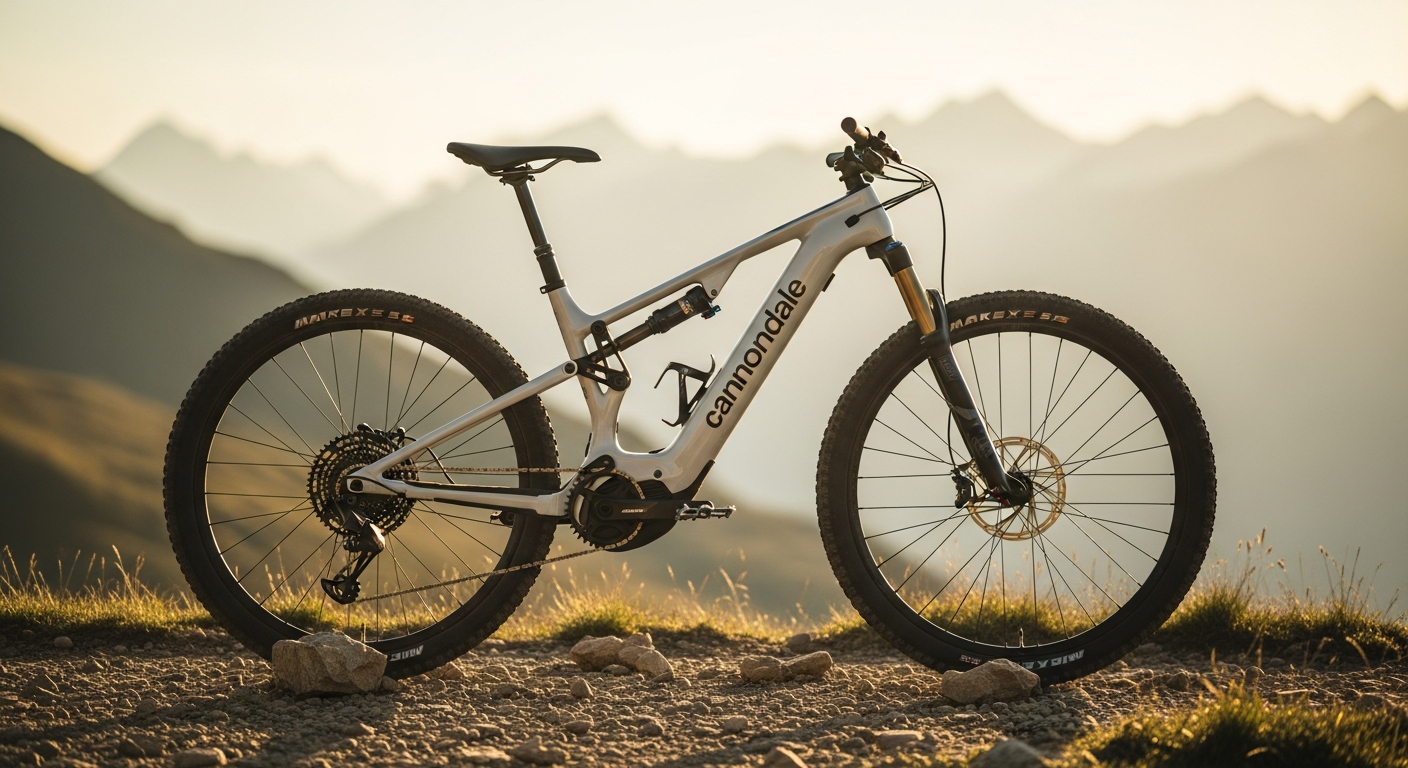
Electric mountain bikes have historically presented an uncomfortable ultimatum: embrace lightweight handling and sacrifice climbing power, or accept a 50-pound tank that steamrolls terrain but feels sluggish on technical sections. The Cannondale Moterra SL shatters this false choice entirely. This bike consistently dominates best-seller lists at major retailers, and the reason is straightforward—it delivers full-power motor assistance while weighing under 45 pounds on premium builds, something that seemed physically impossible just a few years ago.
Cannondale engineered the Moterra SL to occupy a performance sweet spot that traditional e-MTBs couldn't reach. By pairing a robust 85Nm Shimano EP801 motor with a custom 601Wh battery and their innovative FlexPivot carbon chainstay, they created something genuinely rare: a bike that rides like a nimble analog machine but climbs like a full-power e-MTB. This isn't another electric mountain bike attempting incremental improvements—it's a category-defining machine reshaping how riders think about capability and weight.
Discover the Cannondale Moterra SL and experience the future of lightweight e-MTB technology.
Frame Engineering That Redefines Lightweight E-MTB Design
FlexPivot Chainstay Technology
Cannondale's signature FlexPivot system replaces traditional pivot bearings with a flexible carbon section, fundamentally changing how the frame manages suspension forces. This design reduces weight without sacrificing efficiency—the chainstay flexes rather than pivoting, maintaining suspension performance while eliminating the maintenance demands of traditional bearings. The result feels tangible on the trail: a frame that responds predictably while weighing noticeably less than competitors.
Series 1 Carbon Fiber Construction
The frame's optimized carbon layup delivers strength without unnecessary material. Premium models achieve sub-20kg builds through meticulous engineering of tube shapes, wall thicknesses, and fiber orientation. Each section of the frame exists for a reason—nothing extra, nothing missing. This thoughtful construction philosophy extends across the entire lineup, though entry-level builds naturally carry slightly more weight while maintaining the core performance characteristics.
Size-Specific Geometry and Adjustability
Each frame size receives proportionally engineered reach and stack measurements, ensuring handling characteristics remain consistent across the lineup. An adjustable headset angle allows riders to dial geometry for different trail conditions—slack it for aggressive downhill runs, steepen it for climbing efficiency. This flexibility means the same frame adapts to your riding preferences rather than forcing compromise.
Internal Battery Integration and Flip Chip Compatibility
The custom 601Wh battery sits within the frame profile, lowering the center of gravity and improving weight distribution. This internal positioning contributes directly to the bike's playful handling and nimble feel. A flip chip allows switching between 29/27.5 mixed-wheel or dual-29 configurations without frame modifications, letting riders optimize for their preferred terrain characteristics.
Motor and Battery Performance: Where Power Meets Efficiency
The Shimano EP801 drive unit delivers 85Nm of torque with a 600W peak power output—sufficient for confident climbing on steep technical grades without overwhelming lighter riders. This motor feels intuitive and natural during pedaling; assistance arrives responsively without the robotic disconnect some riders experience with heavier e-MTB motors.
The custom 601Wh battery capacity balances range with weight, tipping the scales at approximately 3.1 kg (6.8 lb). High energy density design means the battery packs meaningful range into a compact, lightweight package. However, the non-removable battery design—while optimizing frame weight and geometry—limits charging flexibility during multi-day trips or situations requiring multiple battery swaps.
Range varies considerably depending on terrain, rider weight, and assistance mode selection. Sustained climbing in full power mode depletes the battery faster than rolling singletrack at moderate assistance. Most riders find the capacity adequate for full-day trail sessions, though extreme multi-hour expeditions may present limitations worth considering before purchase.
Explore the performance capabilities of the Moterra SL's advanced motor and battery system today.
Suspension, Geometry, and Handling Dynamics
The Moterra SL runs 150mm of rear suspension travel paired with 160mm up front, typically equipped with high-end Fox Factory components on premium builds. This travel allocation balances climbing efficiency—the rear suspension doesn't bob excessively during pedaling—with genuine descending capability for technical terrain.
The mixed-wheel setup of 29-inch front and 27.5-inch rear (with flip chip option for dual-29) creates specific handling characteristics. The larger front wheel rolls over obstacles smoothly while the smaller rear wheel increases maneuverability and encourages playful cornering. This combination feels noticeably more agile than traditional full-power e-MTBs while maintaining the stability riders expect from 150mm+ of travel.
The low bottom bracket enhances stability and cornering confidence, allowing aggressive line selection through technical sections. However, this design increases pedal strike risk on terrain with large obstacles—something to monitor during technical climbing and complex line choices. The overall ride character feels more analog than electric despite the full-power motor; the bike responds to rider inputs with precision rather than muscling through terrain.
Real-World Performance: Climbing, Descending, and Technical Terrain
Climbing performance stands out immediately. The 85Nm motor combined with balanced geometry transforms steep, sustained ascents into manageable efforts. Technical climbing over rocks and roots feels confident rather than desperate—the lightweight frame allows precise line selection while the motor handles the grunt work. Riders consistently report that climbing difficulty shifts from muscular effort to technical skill, a meaningful distinction for all-day riding.
Descending capability matches the climbing prowess. The suspension tune encourages confidence on technical downhill sections while the lightweight frame translates to responsive, playful handling. Aggressive line choices feel rewarded rather than punished. The bike's lower weight compared to traditional full-power e-MTBs makes a noticeable difference in how quickly it responds to direction changes and terrain variations.
Technical terrain handling benefits from the responsive geometry and lightweight construction. Rock gardens and root-strewn sections feel manageable because the frame's agility allows precise foot placement and line selection. Heavier e-MTBs often feel committed to their initial line; the Moterra SL encourages micro-adjustments and exploratory riding through difficult terrain.
Pricing Structure and Value Across Build Tiers
Three primary build levels make the Moterra SL accessible across different budgets. The SL 2 entry point sits around $7,000, offering the core Moterra SL experience with solid component specifications. The SL 1 mid-range version at approximately $8,750 represents the sweet spot for most riders—balanced component quality with genuine performance capability. The LAB71 premium edition reaches $14,000, pairing top-tier components with premium finishes and maximum performance potential.
Component quality justifies the price spread. Higher-spec builds feature superior drivetrains (SRAM XO T-Type AXS versus lower-tier options), premium suspension tuning with Fox Factory components, and high-performance brakes like SRAM CODE Silver Stealth. The price premium reflects real differences in ride quality, durability, and shifting precision.
The lightweight e-MTB category commands premium pricing relative to traditional e-bikes, but the Moterra SL delivers genuine performance justification. The engineering achievement of combining full-power motor assistance with sub-20kg weight represents significant technical accomplishment. Resale value typically remains strong thanks to Cannondale's premium brand reputation and the bike's innovative design—a consideration for riders concerned about long-term cost.
Genuine Trade-Offs and Realistic Limitations
The non-removable battery optimization for weight and frame design creates real inconvenience for multi-day trips where battery swapping would be valuable. This design choice makes sense from an engineering perspective but shouldn't surprise new owners accustomed to removable battery systems.
The low bottom bracket's stability advantage comes with increased pedal strike vulnerability on technical terrain. Riders transitioning from higher-clearance bikes may initially struggle with this trade-off, though technique adjustment typically resolves the issue. Terrain selection and line choice become more deliberate rather than automatic.
The stock Maxxis Dissector rear tire can lose grip unexpectedly in specific conditions, leading some reviewers to recommend aftermarket tire testing. This limitation reflects the rear wheel's size and geometry rather than tire quality issues; experimenting with alternative rubber often improves traction feel.
The Fox 36 Factory fork—objectively a premium component—occasionally lacks sensitivity in specific conditions or according to individual rider preferences. This represents a minor tuning consideration rather than a fundamental design flaw, though worth acknowledging for riders with particular suspension sensitivity.
Minor usability concerns include confusing color-coding on the display, requiring an adjustment period for new riders. While not a dealbreaker, these small friction points accumulate as part of the realistic ownership experience.
The weight advantage deserves context—the Moterra SL remains heavier than mid-power e-MTB alternatives, with the full-power motor accounting for significant mass. The lightweight advantage measures itself relative to comparable full-power e-MTBs rather than as an absolute lightweight achievement.
Who Should Ride the Moterra SL (And Who Shouldn't)
The Moterra SL excels for technical trail enthusiasts seeking full-power assistance without traditional e-MTB weight penalties. Aggressive terrain specialists benefit from the balanced geometry and lightweight frame when tackling steep climbs, rocky descents, and complex trail features. Riders frustrated by 50-pound e-bikes will appreciate the maneuverability of sub-20kg builds, and climbing-focused riders thrive with the 85Nm motor and supportive geometry on sustained ascents.
All-day trail explorers find the battery capacity and motor efficiency sufficient for extended riding sessions. The responsive handling specifically rewards intermediate-to-advanced riders comfortable with engaging geometry; beginners typically prefer more stability-focused designs.
The Moterra SL fits less naturally for casual riders seeking maximum comfort, those with budget constraints below $7,000, or riders prioritizing battery removability as a non-negotiable feature. These limitations don't represent design failures—they reflect the bike's specific design philosophy prioritizing lightweight performance and integrated engineering over accessibility or maximum versatility.
The Lightweight Revolution on Two Wheels
The Cannondale Moterra SL represents a genuine breakthrough in electric mountain bike design. By refusing to accept the traditional weight-versus-power trade-off, Cannondale created a machine that climbs like a full-power e-MTB, handles like a nimble analog bike, and weighs less than most riders expected possible. The FlexPivot chainstay, custom Shimano EP801 integration, and thoughtful geometry work together seamlessly—this is a purposefully engineered solution rather than a compromise bike.
Real limitations exist. Pedal strike risk on technical terrain requires awareness. The non-removable battery limits charging flexibility. Stock components like the Dissector tire may need upgrading. These friction points pale beside what Cannondale delivered: a full-power electric mountain bike weighing under 45 pounds that rides noticeably lighter than its actual weight.
The decision between SL 2, SL 1, and LAB71 builds depends on budget and component priorities, but any version delivers the core promise—lightweight, powerful, and genuinely fun. Whether you prioritize value or peak performance, the Moterra SL addresses the core aspiration: technical trail capability without the weight penalty traditional e-MTBs imposed.
Start your Moterra SL journey and redefine what's possible on an electric mountain bike.
Leave a Reply