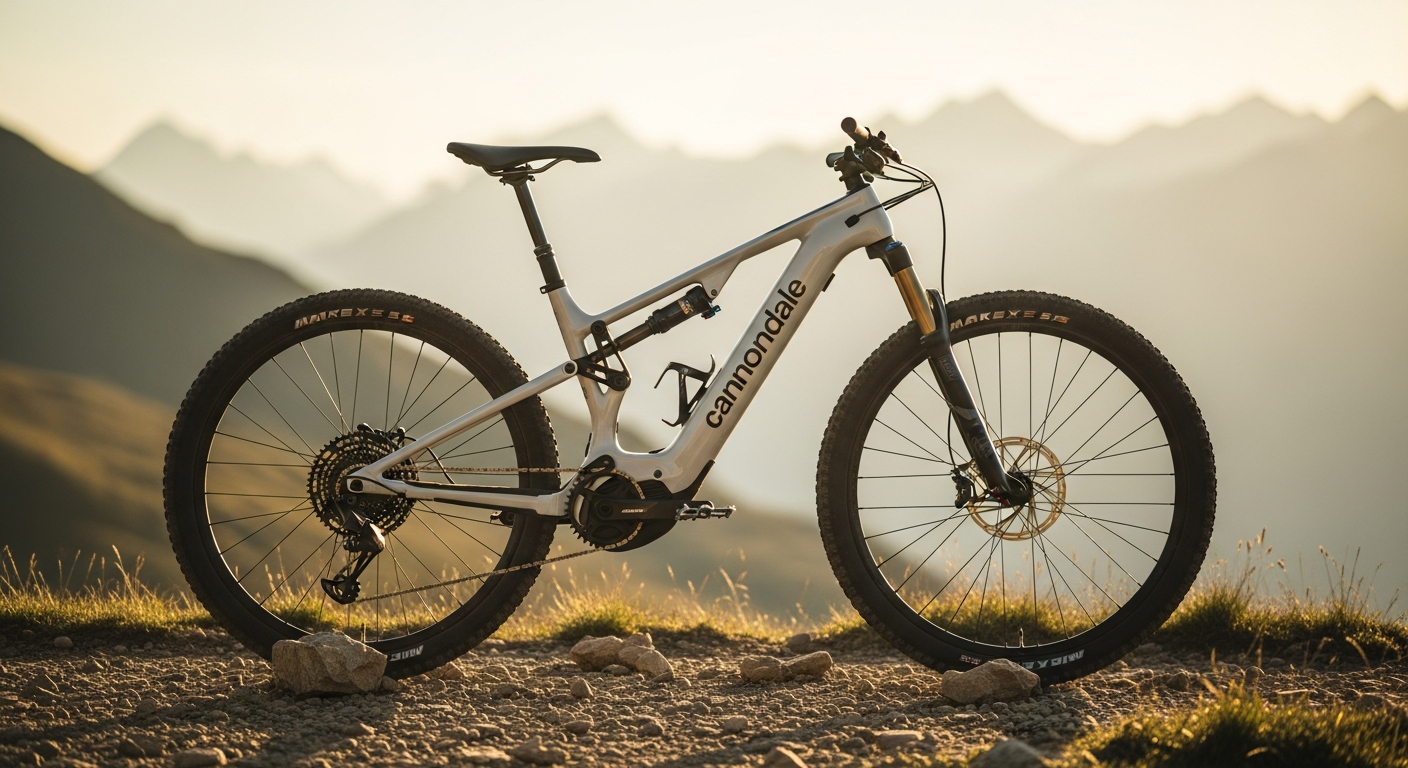
Electric mountain bikes have long forced riders into an uncomfortable position: accept the heft of full-power assistance or sacrifice climbing ability for lightweight handling. The Cannondale Moterra SL shatters this false choice by delivering a remarkable achievement—a 20kg (43.4-46.8 lbs) e-MTB that produces 85Nm of torque and 600W of peak power, matching or exceeding heavier competitors while maintaining the responsive, alive feel that makes trail riding genuinely enjoyable.
This breakthrough emerges from deliberate engineering decisions across every system. A custom Series 1 carbon frame, innovative FlexPivot chainstay technology, and Cannondale’s proprietary 601Wh battery work in concert to eliminate unnecessary weight without compromise. The motor—a custom-tuned Shimano EP801—delivers smooth, intuitive assistance that feels natural rather than mechanical, transforming steep climbs into manageable challenges while preserving the bike’s inherent agility.
Explore the Cannondale Moterra SL and experience lightweight e-MTB engineering firsthand.
The Weight Revolution: How Cannondale Cracked the Lightweight E-MTB Code
Custom Series 1 Carbon Construction and Strategic Component Selection
The Moterra SL’s 20kg foundation begins with obsessive attention to material selection and manufacturing precision. Cannondale’s Series 1 carbon frame employs advanced layup techniques that concentrate material exactly where it’s needed—reinforcing stress points while eliminating unnecessary thickness elsewhere. This isn’t simply using lighter materials; it’s intelligent placement.
Every component choice reflects this philosophy. The frame geometry, suspension design, and even cable routing underwent scrutiny to shed grams without sacrificing durability or performance. Component manufacturers delivered weight-conscious options: lightweight aluminum hardware, carbon fiber accessories, and selective material upgrades throughout the drivetrain and brake systems.
FlexPivot Chainstay: Engineering Stiffness Without Bulk
Cannondale’s FlexPivot technology represents a genuine innovation in suspension design. Rather than traditional pivot hardware—multiple bearings, bolts, and mounting points that accumulate weight—FlexPivot replaces these conventional elements with an integrated chainstay design that flexes strategically while maintaining lateral stiffness.
The result is counterintuitive: removing hardware typically associated with suspension performance actually improves it. The chainstay responds more naturally to impacts, absorbs energy more effectively, and eliminates the micro-movements and play that plague bolted pivot systems. Riders feel the difference immediately—the bike responds to inputs with precision rather than slop.
Weight Comparison to Full-Power E-MTBs and Category Standards
Most full-power electric mountain bikes land in the 25-27kg range (55-60 lbs), with some heavier builds pushing toward 28-30kg. The Moterra SL’s 20kg represents nearly a 10-pound advantage—substantial enough to affect climbing acceleration, maneuverability on technical terrain, and rider fatigue during long outings.
This weight advantage reshapes the riding experience in ways that raw specifications don’t capture. Lighter bikes respond faster to direction changes, require less effort to lift over obstacles, and demand less from your body during extended climbs. The motor handles the power delivery; the lightweight platform handles the finesse.
How Lightweight Construction Transforms Handling and Technical Responsiveness
The traditional e-MTB penalty is weight—motors and batteries add mass that dulls responsiveness and increases momentum. The Moterra SL partially reverses this equation. By keeping total weight under 21kg, Cannondale preserved the snappy, playful handling characteristics that make non-assisted mountain bikes genuinely fun to ride.
Technical trail sections—rock gardens, tight switchbacks, drop-offs—become manageable rather than exhausting. The bike’s agility allows you to thread through obstacles with precision, while the motor quietly handles the energy demands of steep climbing. You’re not fighting momentum; you’re riding in partnership with the machine.
Motor & Battery Performance: Understanding the Shimano EP801 Advantage
Custom-Tuned Shimano EP801: 85Nm Torque and 600W Peak Power Specifications
The Shimano EP801 motor powering the Moterra SL isn’t a stock component—Cannondale worked directly with Shimano to customize the tuning specifically for this application. The result delivers 85Nm of torque (impressive for a mid-drive motor) and 600W of peak power, positioning the Moterra SL at the upper tier of e-MTB performance despite its lightweight profile.
Torque matters more than raw wattage for mountain biking. Torque is the rotational force that actually turns the pedals and propels you uphill; watts is simply the rate at which energy depletes. The 85Nm figure means the motor effectively multiplies your pedal input, making steep grades feel manageable even when you’re fatigued.
Real-World Climbing: Steep Technical Ascents and Power Delivery
On a 30-percent grade with loose, rocky terrain—the kind of climb that typically forces dismounts on non-assisted bikes—the Moterra SL’s motor assistance feels remarkably smooth. The motor ramps in proportion to your pedal input, providing support without the jarring engagement or cutoff you experience on some e-MTB systems.
The custom tuning means the motor responds intelligently to terrain changes. Rolling terrain at moderate grades feels like pedaling an assisted bike; technical rock sections with steep pitches deliver more aggressive support. This nuanced response creates a sensation of partnership rather than automation—you’re still climbing, but the motor handles the heavy lifting.
Traction improves noticeably thanks to the motor’s torque delivery. Loose climbing sections that typically result in wheel spin become manageable; the motor’s smooth engagement allows the rear tire to maintain grip rather than spinning free.
Cannondale 601Wh Battery: Energy Density, Range, and Ride Time
The 601Wh battery is internally mounted within the downtube, offering two advantages: protection from impacts and weight distribution that keeps the bike’s center of gravity low. High energy density means more usable power from a smaller, lighter package compared to older battery technology.
Real-world range varies significantly based on terrain, rider weight, assistance mode, and environmental conditions. Conservative estimates suggest 40-60km (25-37 miles) on technical terrain with moderate assistance, with potential for 60-80km on flatter trails using eco mode. That’s sufficient for most day rides, though riders tackling multi-hour trail sessions in steep terrain should plan accordingly.
The battery doesn’t come out for charging without dropping the motor, which is a genuine consideration for riders wanting to charge at work or swap batteries mid-ride. However, the internal mounting design protects the battery from elements and theft.
Motor Responsiveness and Natural Assistance Characteristics
Many riders coming to e-MTBs from non-assisted bikes report an initial adjustment period—the motor assistance feels mechanical or laggy. The Shimano EP801’s custom tuning largely eliminates this disconnect. The motor response feels almost physiological, reacting to your pedal input with a smooth, predictable curve rather than a hard engagement or delay.
This responsiveness transforms technical descents. While the motor obviously provides less advantage on downhills, its light, smooth engagement allows you to maintain momentum through rollers without abrupt power surges that destabilize the bike.
Suspension Geometry & Adjustability: Fine-Tuning Your Ride
150mm Rear Travel with FlexPivot Technology and Impact Absorption
The 150mm rear travel, paired with the FlexPivot chainstay design, creates a suspension platform optimized for technical trail riding. This travel range sits slightly below longer-travel enduro bikes but pairs with the lightweight frame to create a responsive, efficient climber that still handles rough descents.
FlexPivot’s strategic flexibility means the chainstay absorbs impacts that would normally transmit through traditional pivot hardware. Root strikes, rock impacts, and washboard terrain feel noticeably smoother. The rear wheel maintains traction because the suspension responds progressively rather than stalling.
160mm Front Fork Travel: Balanced Technical Capability
The front fork provides 10mm more travel than the rear, creating a slightly progressive geometry that favors climbing (lower angle, shorter fork) while still providing enough travel for technical descents. Most Moterra SL builds come equipped with Fox Factory suspension, which offers excellent tuning range and precision damping.
160mm represents a thoughtful compromise—enough travel to handle rocky technical sections and jumps without the excess mass and momentum of longer forks. It encourages a riding style that relies on skill and bike handling rather than suspension absorbing all impacts.
Mixed-Wheel Setup Versus Dual 29-Inch Configuration
The standard mixed setup pairs a 29-inch front wheel with a 27.5-inch rear, a combination that’s become increasingly popular in modern trail bikes. The larger front wheel rolls over obstacles more easily and provides better forward momentum, while the smaller rear wheel offers enhanced agility and shorter chainstays for technical maneuverability.
A flip chip allows conversion to a dual 29-inch setup. This configuration increases rollover ability and momentum retention on fast, flowing terrain at the cost of slightly reduced agility in tight technical sections. The mixed setup is the default for good reason—it provides optimal balance for the Moterra SL’s intended use.
Angle-Adjust Headset and Bottom Bracket Height Tuning
The angle-adjust headset allows fine-tuning the head tube angle within a range of approximately 0.7-1 degree. Slackening the head tube angle (making it more horizontal) increases stability on descents and high-speed terrain; steepening the angle improves climbing capability by putting you more over the front wheel.
Bottom bracket height adjustment via flip chip also influences geometry. Raising the bottom bracket steepens the seat tube angle, improving climbing position; lowering it slackens the seat tube, increasing standover clearance and descending confidence.
These adjustments mean the Moterra SL can be tuned for different terrain preferences without needing to replace major components. A rider tackling steep, technical climbing routes can dial in geometry that favors that style; an all-mountain rider tackling mixed terrain can find a middle-ground setup.
Real-World Riding Experience: Technical Climbs to Playful Descents
Traction and Motor Assistance on Steep, Loose Climbing Sections
Riders consistently report that the Moterra SL excels as a technical climber. The combination of smooth motor assistance, lightweight frame, and responsive suspension creates a platform that maintains traction on loose climbing sections where momentum typically suffers.
The motor’s 85Nm torque provides sustained push through the steepest grades. Even when you’re tired and your pedal power diminishes, the motor compensates smoothly without dropping support or surging ahead of your pedal input. On loose pitches where wheel spin typically forces dismounts, the motor’s consistent delivery keeps the rear tire gripping.
Technical Terrain Navigation: Rock Gardens, Roots, and Obstacle-Heavy Sections
The lightweight frame, responsive suspension, and adjustable geometry combine to create a platform that feels confident in technical terrain. Where heavier e-MTBs tend to develop momentum that’s difficult to control, the Moterra SL responds to input precision. You can thread lines through tight sections, lift the front wheel over obstacles, and maintain control without relying on the suspension to absorb impacts.
The FlexPivot technology particularly shines in rocky sections. The progressive chainstay response means impacts don’t transmit harshly through the frame; instead, they’re absorbed with natural flex that maintains traction without stalling the bike.
Descent Behavior: Stability, Speed Control, and Nimble Responsiveness
Descents showcase the Moterra SL’s dual nature—stability when you need it, responsiveness when you demand it. The 160mm front fork and 150mm rear travel provide sufficient range to handle technical descents without excessive bobbing or loss of control. High-end suspension components (typically Fox Factory) offer precision damping that scales from small impacts to substantial hits.
The lightweight frame means the bike doesn’t carry excessive momentum through turns or require excessive braking force to control speed. Technical descent sections that would feel ponderous on heavier e-MTBs feel playful and manageable.
Jump Performance and Impact Absorption
The suspension platform handles jumps with impressive composure. The rear suspension soaks up landings without harsh impacts transmitting to your body or causing the bike to stall on landing. The FlexPivot chainstay’s natural response means the bike settles quickly and maintains composure for subsequent features.
Because the overall bike weight is reasonable, jumps don’t require excessive impact energy to absorb. You can jump the Moterra SL like a lighter non-assisted bike rather than the heavy machines that dominate the e-MTB category.
Ideal Riders & Use Cases: Who Should Buy the Moterra SL
Technical Trail Enthusiasts and Climbing-Heavy Route Preference
Riders who prefer steep, technical climbing-focused routes benefit tremendously from the Moterra SL’s combination of lightweight construction and full motor power. The bike doesn’t sacrifice climbing performance despite its reduced weight, and the responsive handling makes technical ascents genuinely enjoyable rather than exhausting.
Transitioning from Non-Assisted Bikes
Riders coming from traditional mountain bikes often struggle with the weight, momentum, and sluggish handling of conventional e-MTBs. The Moterra SL bridges this gap. It provides motor assistance to expand your trail access and reduce physical demand, but maintains the responsive, playful character that makes non-assisted bikes genuinely fun to ride.
Enduro and All-Mountain Riders
Riders tackling mixed terrain with significant elevation gain find the Moterra SL’s balanced geometry particularly effective. The bike climbs efficiently thanks to motor assistance and responsive handling, yet handles descents with composure and stability. The adjustable geometry allows tuning for specific terrain preferences without compromising versatility.
Fitness-Conscious Riders Appreciating Reduced Bike Weight
Some riders use e-MTBs as training tools—extending their range and maintaining fitness while enjoying longer rides. The Moterra SL’s lightweight construction means they’re still engaging physically with the bike rather than letting pure motor power do all the work. The reduced weight makes the bike easier to maneuver and control, particularly during technical sections.
Elevate Your Trail Game With Intelligent E-MTB Engineering
The Cannondale Moterra SL isn’t simply another electric mountain bike—it’s a direct response to riders who’ve grown frustrated with traditional compromises. The 20kg weight, 85Nm torque, 600W motor power, and innovative carbon frame construction combine to deliver full e-MTB capability wrapped in a package that actually feels like a mountain bike. The lightweight design, adjustable geometry, and premium component selection (Fox suspension, SRAM XO Eagle AXS or Shimano XT, Magura MT7 or SRAM Code brakes) create a platform genuinely versatile across terrain types and riding styles.
Legitimate trade-offs exist. The integrated battery requires motor removal for off-bike charging, a genuine inconvenience for multi-ride days or riders with limited charging access. The Shimano EP801 produces an audible whine that some riders find objectionable. The $8,750+ price tag ($7,000-$14,000 depending on build) makes this a significant investment that requires confident commitment rather than impulsive purchase.
However, these drawbacks dissolve for serious riders tackling steep, technical terrain who’ve become frustrated with either the weight of traditional full-power e-MTBs or the power limitations of lighter alternatives. The Moterra SL solves a genuine problem: how to access full motor assistance without accepting the heft, momentum, and sluggish handling that characterizes the category.
If you’re serious about expanding trail access, conquering elevation gain without sacrificing responsive handling, and investing in a bike engineered for years of aggressive riding, the Moterra SL warrants genuine consideration. A test ride reveals what specifications cannot convey—the sensation of riding a full-power e-MTB that actually feels like a mountain bike.
Experience the Cannondale Moterra SL—where lightweight engineering meets intelligent e-MTB power.
Leave a Reply