Heavy-duty transport tasks often demand equipment that won't quit. The reality is stark: most standard wheelbarrows fail when you need them most, buckling under genuine weight or rusting away after a single season. If you've experienced the frustration of a flimsy wheelbarrow collapsing mid-project or watching rust spread across the tub within months, you're not alone.
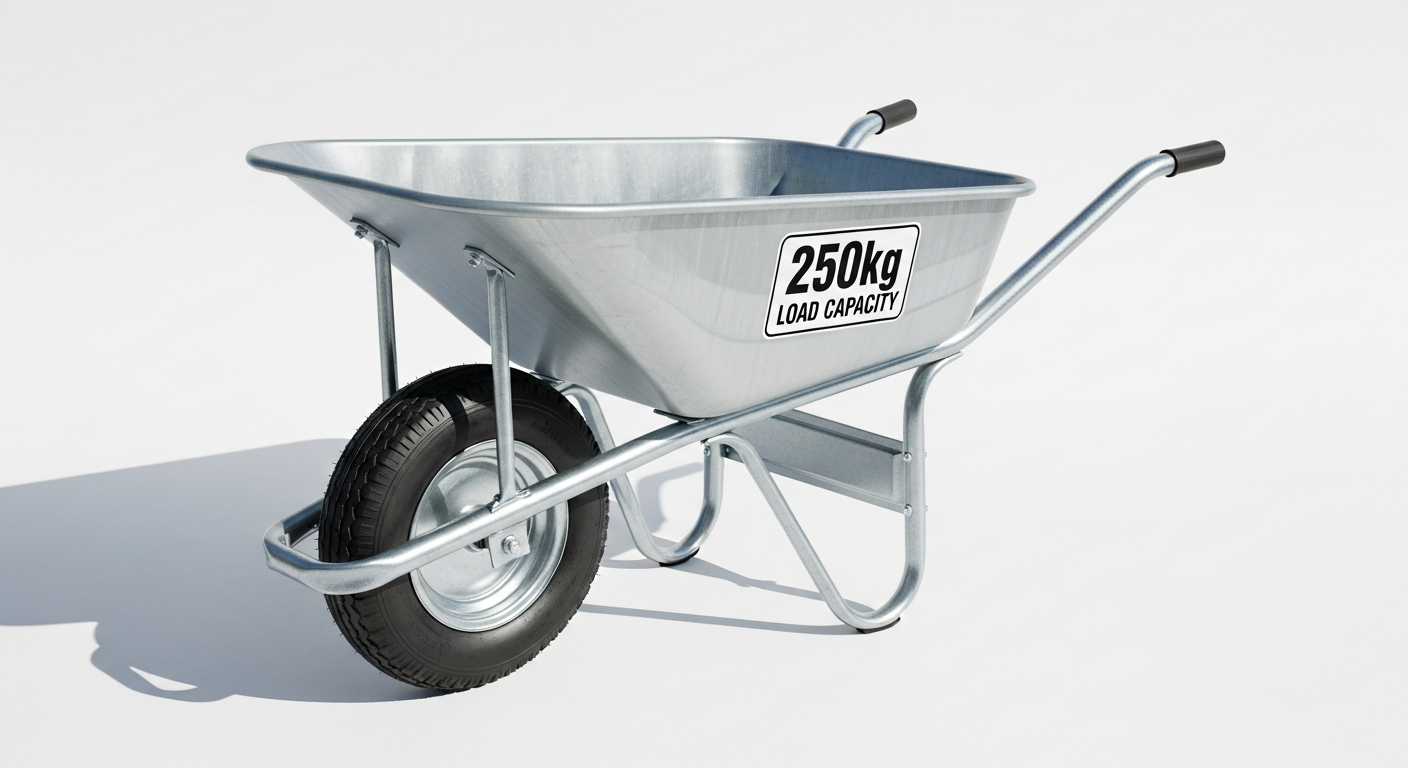
The galvanized wheelbarrow with 100-liter capacity and 250kg load rating has become the go-to solution for landscapers, construction crews, and serious home gardeners who refuse to compromise on performance. This isn't just another garden tool—it's engineered to handle the demands that ordinary wheelbarrows can't sustain. Built with materials specifically chosen for durability and a design that prioritizes both capacity and maneuverability, this wheelbarrow represents a fundamental shift in how professionals and dedicated DIYers approach material transport.
Understanding what makes this wheelbarrow different requires looking beyond marketing claims and examining the actual construction, real-world performance capabilities, and how it stacks up against alternatives in its weight class. Discover the specifications and performance advantages of this reliable transport solution.
Why Load Capacity Matters More Than You Think
How 250kg capacity changes your workflow efficiency
A 250kg capacity wheelbarrow doesn't just move more material per trip—it fundamentally transforms how you approach projects. Instead of making eight trips to move a pile of soil, you make two or three. This isn't about convenience; it's about efficiency. When you're working against daylight, weather windows, or simple fatigue, every trip eliminated means more energy preserved for actual work.
Real-world materials and their weights
The practical value of high capacity becomes obvious when you consider what you're actually transporting. A cubic meter of standard garden soil weighs approximately 1,200–1,500 kg. Gravel ranges from 1,300–1,600 kg per cubic meter. Wet concrete can exceed 2,400 kg per cubic meter. These materials are what professionals move daily. A 100-liter wheelbarrow holds roughly 0.1 cubic meters, meaning you're moving manageable loads in the 100–200 kg range depending on material density—well within the 250kg safety margin.
Calculating trips saved on typical garden and construction projects
Consider a modest landscaping project: regrading a 50-square-meter garden bed with 15 centimeters of new topsoil. That's approximately 7.5 cubic meters, or 75 full wheelbarrow loads. With a standard 50-liter wheelbarrow, you're making 75 trips. With the 100-liter model at full capacity, you're down to 38 trips. Cut that in half again by operating at practical capacity, and you're still eliminating hours of unnecessary movement.
The difference between maximum load and practical working load
Maximum load rating and practical working load are two different metrics. The 250kg maximum represents the structural limit before the wheelbarrow frame fails. Your practical working load—the weight at which you can still maneuver safely and efficiently—typically sits 15–25% lower, around 190–210kg. This distinction matters because working at maximum capacity strains both the equipment and your back. The 100-liter volume with a 250kg rating gives you substantial headroom to operate comfortably.
Why oversizing capacity protects your investment long-term
Equipment rated for heavier loads than your typical use lasts longer. If you operate at 60–70% of rated capacity, the frame, welds, and bearings experience proportionally less stress. A wheelbarrow rated for 250kg that typically carries 150–180kg will outlast a 150kg-rated wheelbarrow pushed to its limits on the same jobs. This is basic mechanics: staying below design limits extends lifespan.
Galvanized Steel Construction: Rust-Proofing That Actually Lasts
How galvanization creates a protective barrier against corrosion
Galvanization works through a metallurgical process: steel is submerged in molten zinc, creating a multi-layer coating. The outermost layer is pure zinc, which oxidizes to form zinc oxide and zinc carbonate—compounds that protect the underlying steel. If the coating is scratched, the zinc near the damaged area sacrifices itself chemically to protect the exposed steel underneath. This self-healing property distinguishes galvanization from painted finishes, which offer no secondary protection once compromised.
Why galvanized tubs outperform painted steel in moisture-heavy environments
Paint provides a single barrier. Once moisture penetrates—through scratches, at seams, or through micropores in the coating—rust spreads unchecked underneath. Galvanized steel performs differently. Even if the outer layer develops white rust (zinc oxidation), this actually slows further corrosion rather than accelerating it. For gardening and landscaping, where wheelbarrows spend their lives exposed to moisture, soil contact, and seasonal weather cycles, galvanization provides inherently superior protection.
Expected lifespan of galvanized finishes with proper maintenance
Standard galvanized coatings on wheelbarrows typically last 10–20 years under normal conditions with minimal maintenance. Normal conditions mean rinsing off soil after use, storing in a covered area, and addressing any significant damage promptly. The galvanized tub on this wheelbarrow, combined with the powder-coated steel frame, can realistically deliver 12–15 years of reliable service for someone using it regularly without neglect.
Exposure conditions that test galvanized durability
Coastal environments with salt spray accelerate corrosion even on galvanized surfaces, reducing lifespan by 30–40%. Constant contact with acidic materials like certain fertilizers or concrete wash can speed degradation. High-use scenarios—like daily operation at construction sites—expose the coating to abrasion that painted finishes can't match. The 40cm pneumatic tire wheelbarrow handles these conditions better than alternatives, but galvanization itself is tested most harshly by salt exposure and constant wetness.
Pneumatic Tire Performance on Difficult Terrain
All-terrain tunnel profile tire design and what it actually does
Tire tread patterns aren't decorative. The tunnel profile—those grooved channels running across the tire—channels mud, water, and debris away from the contact patch. On soft ground, this design prevents the tire from becoming packed with mud, which would reduce traction and increase rolling resistance. On gravel or loose soil, the profile bites into the surface rather than sliding across the top. This distinction matters tremendously when moving a heavily loaded wheelbarrow through a muddy garden or across a construction site.
Why 40cm diameter pneumatic wheels handle mud, gravel, and uneven ground better
A larger diameter wheel requires less force to roll over obstacles like rocks or ruts. The 40cm pneumatic wheel on this model represents the sweet spot for garden and light construction use—large enough to handle rough terrain efficiently, small enough to maintain maneuverability in confined spaces. Pneumatic (air-filled) wheels also absorb shock from uneven ground, protecting both your back and the cargo from jarring impacts that solid wheels can't dampen.
Ball-bearing wheel mechanics and smooth maneuverability benefits
Ball-bearing wheels rotate with minimal friction once moving. This means less effort pushing the wheelbarrow, particularly over distance. For someone making repeated trips across a property or job site, the cumulative effect of reduced rolling resistance translates to noticeably less fatigue. Ball-bearing design also distributes load more evenly across the wheel assembly, extending the working life of tire and axle components.
Car valve system: easy inflation and maintenance advantages
The standard car valve (Schrader valve) found on this wheelbarrow means you can inflate it with the same pump you use for vehicle tires. No proprietary tools or special equipment needed. When tire pressure drops—which happens gradually with any pneumatic tire—you add air in minutes. This accessibility encourages proper maintenance. A properly inflated pneumatic tire rolls easier and lasts longer than an underinflated one that's working harder on every rotation.
Real-World Applications Across Different Industries
Landscaping and garden design projects where this wheelbarrow excels
Landscapers rely on wheelbarrows for moving soil amendments, mulch, stone, and plant materials across properties. The 100-liter capacity reduces trip count on medium-sized projects significantly. Whether spreading topsoil for a lawn renovation, distributing mulch beds, or moving quarried stone for hardscape work, the combination of capacity and maneuverability keeps projects moving. The galvanized tub resists damage from rocky materials that might dent or puncture lesser equipment.
Construction site debris removal and material transport
Construction sites demand robust equipment. Rubble, concrete chunks, mixed debris, lumber—these materials are heavy, abrasive, and sometimes sharp. A wheelbarrow rated for only 100kg capacity would require constant replacement or reinforcement. The 250kg capacity and galvanized construction withstand the punishment of active construction environments. The pneumatic tire handles uneven ground and temporary site conditions—ruts from heavy equipment, loose gravel, temporary terrain modifications—more effectively than solid-wheel alternatives.
Nursery and horticulture operations handling bulk plants and soil
Nurseries move enormous quantities of potted plants and bulk growing medium daily. The 100-liter capacity combined with ball-bearing wheels means staff accomplish more in the same labor hours. Galvanized durability matters in nursery settings, where constant watering, moisture-laden soil, and fertilizer exposure accelerate corrosion on standard equipment.
Home renovation and DIY projects benefiting from high capacity
Homeowners tackling renovation projects—removing old materials, transporting building supplies, landscaping changes—often underestimate material volume. The 100-liter capacity accommodates unexpected needs without forcing mid-project equipment modifications. Galvanized construction means the wheelbarrow survives storage between projects and multiple seasons of occasional use without developing rust that compromises structure.
Price-to-Performance Breakdown at €42.95–€57.95
What you're actually getting at this price point versus premium alternatives
At this price range, you're acquiring galvanized capacity that would cost 40–60% more from premium garden equipment brands. The construction quality—galvanized tub, powder-coated frame, ball-bearing pneumatic wheel—matches or exceeds equipment costing €75–€100. Premium brands offer design refinements, aesthetic choices, or brand reputation, but functionally you're getting the core engineering at a substantial discount.
Hidden costs to consider (maintenance, repairs, replacements)
Galvanized equipment requires minimal maintenance beyond occasional rinsing and tire pressure checks. Unlike painted steel, you won't need touch-up paint or protective treatments. Tire replacement represents the primary ongoing cost—approximately €15–€25 per tire when needed. Frame repairs, if necessary, are straightforward welding jobs. These costs remain low compared to purchasing replacement wheelbarrows.
Warranty and guarantee coverage across DeubaXXL platforms
DeubaXXL typically provides standard manufacturer warranty coverage on wheelbarrows through their regional platforms (deubaxxl.es for Spanish markets, for example). Coverage generally includes manufacturing defects in materials and workmanship. Assembly issues or normal wear aren't covered. Understanding your specific regional warranty terms through the DeubaXXL platform you purchase from is essential before ordering.
Long-term cost analysis: initial investment vs. lifespan value
At €50 (midpoint pricing), you're investing approximately €3.33 per year of expected service life over a 15-year period. For comparison, replacing a standard 50-liter wheelbarrow every 5 years costs €7–€10 annually. The higher initial capacity and durability of this model reduce per-year equipment costs while simultaneously improving efficiency through fewer trips and less project time. The initial investment pays for itself within 2–3 years of regular use through time savings alone.
Your Next Move: Invest in Reliable Transport
The DeubaXXL Galvanized Wheelbarrow with 100L capacity and 250kg load rating delivers genuine performance without the premium price tag. The combination of galvanized durability, pneumatic tire versatility, and substantial capacity creates a reliable workhorse that won't let you down when you need it most.
At the €42.95–€57.95 price range, you're securing equipment that typically lasts for years with minimal maintenance. This isn't theoretical—galvanized finishes have proven track records in demanding environments, and ball-bearing pneumatic wheels handle real-world conditions that standard wheelbarrows struggle with.
Stop settling for wheelbarrows that rust, crack, or struggle under genuine weight. Stop making unnecessary trips because your equipment can't handle realistic loads. Take action today by evaluating your specific needs against this model's capabilities and experience the difference that proper equipment makes in your outdoor work. Order your galvanized wheelbarrow today and transform how you move materials.
Leave a Reply