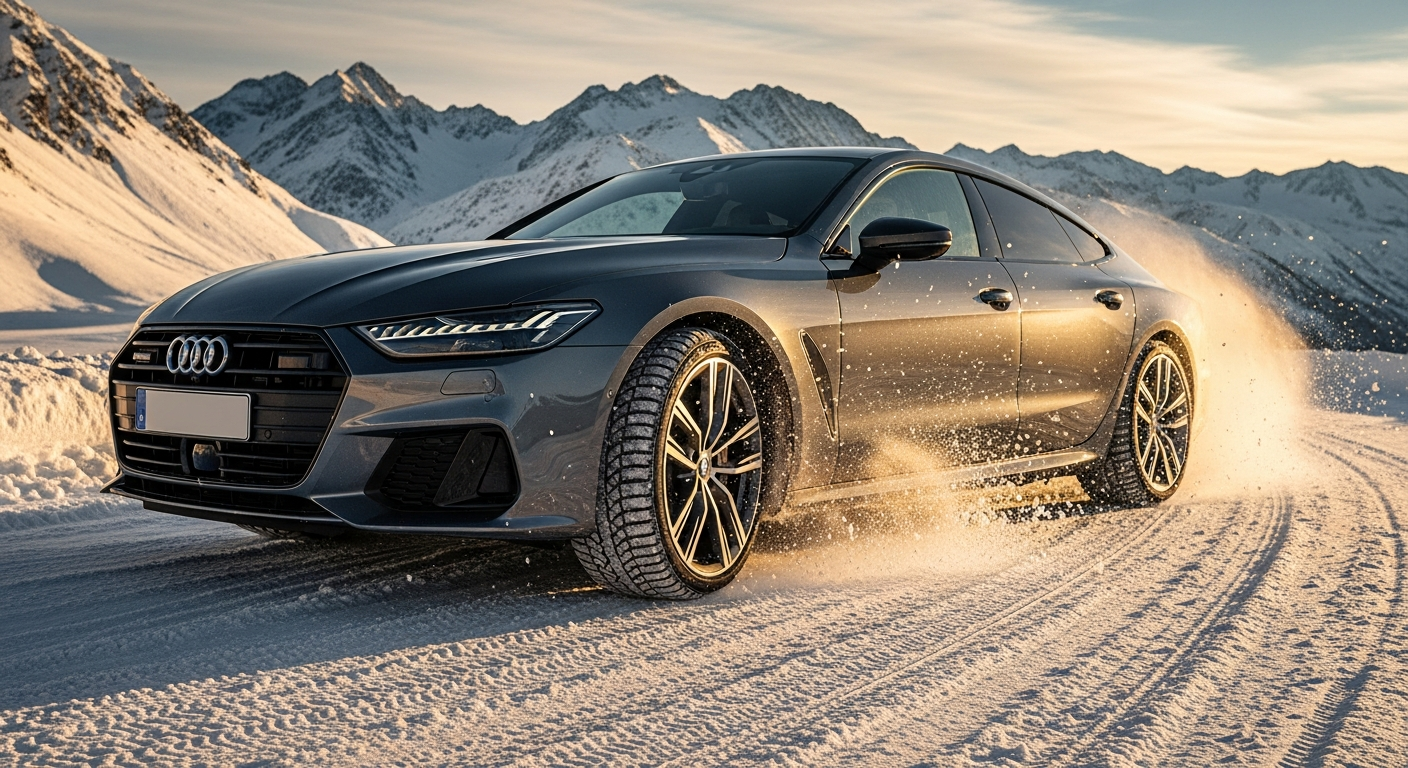
Winter driving demands respect. Statistics show that over 40% of winter accidents stem from inadequate tire grip on snow and ice—a sobering reality that catches many drivers off guard when temperatures plummet. Yet countless drivers still rely on all-season tires during the harshest months, gambling with safety out of convenience or cost concerns.
The Continental WinterContact series has earned its status as a best-seller across European tire retailers like reifen.at and reifendirekt.at for a fundamental reason: these tires represent years of engineering precision aimed at a single objective—keeping drivers safe when conditions turn treacherous. The engineering that goes into each tire reflects Continental's commitment to winter performance, not as an afterthought, but as the core mission.
This guide breaks down the tread technology that gives WinterContact tires their competitive edge, examines real-world performance across different winter scenarios, and helps determine whether the premium price delivers genuine value. Check current WinterContact pricing and availability at your local tire retailer. You'll discover specific features that matter most when navigating ice, snow, and slush, plus honest insights into whether these tires suit your actual driving needs.
Advanced Tread Compound Technology Behind Winter Grip
The foundation of WinterContact performance lies in its advanced rubber compound. High silica content in these compounds remains flexible at sub-zero temperatures—a critical distinction from standard all-season tire materials that harden and lose grip when the mercury drops. All-season tires use different silica ratios optimized for year-round performance, which inevitably means compromises in both winter and summer conditions.
WinterContact compounds maintain their molecular flexibility across a temperature range spanning from mild winter conditions down to severe cold. This flexibility translates directly to grip. When your tire makes contact with snow or ice, microscopic deformations in the rubber compound allow the tire to mold around surface irregularities, creating the friction necessary for traction. Standard tire materials simply can't achieve this adaptability across the full winter spectrum.
The compound resists hardening during prolonged cold exposure—a common failure point with inferior winter tires. Even after sitting in freezing conditions overnight, WinterContact tires retain their grip characteristics when you accelerate from a standstill. This matters in real driving situations where a cold start on an icy driveway could be your first critical test.
Durability comparisons with budget winter alternatives reveal a significant gap. Budget options often sacrifice compound longevity to hit lower price points, meaning they degrade faster as tread wears down. WinterContact compounds maintain their performance characteristics across a longer tire lifespan, effectively extending the period during which your safety investment delivers full value.
Sipe Design and Groove Architecture for Snow and Ice Traction
Thousands of micro-sipes cut into the WinterContact tread create additional edges specifically designed to grip snow crystals. These tiny slots function like miniature claws, digging into snow with mechanical precision. The more edges in contact with snow, the greater the gripping power—this is fundamental winter tire physics that separates effective winter tires from mediocre ones.
Deep groove patterns run through the tread architecture with a specific purpose: slush and water evacuation. Winter roads aren't just snow and ice—they're dynamic surfaces where melting snow creates slush, and rain can fall before or after snow events. WinterContact grooves channel this moisture away from the tire-to-road contact patch, preventing the hydroplaning that transforms a winter drive into a terrifying loss of control.
The directional tread design deserves specific attention. This pattern orientation isn't random; it's engineered to disperse water most effectively when the tire rotates in its intended direction. Install WinterContact tires backwards, and you lose a measurable portion of their aquaplaning resistance. Proper installation isn't just about the rubber meeting the road—it's about every design feature working as intended.
Groove depth directly impacts longevity and evolving performance. A new WinterContact tire with full tread depth provides superior water evacuation and snow gripping compared to the same tire at 50% tread wear. However, even at legal minimum tread depth, WinterContact tires still outperform worn all-season tires in winter conditions—a testament to compound engineering and sipe design working in concert.
Aquaplaning resistance separates genuinely safe winter tires from those that merely carry the "winter" label. Independent testing across European markets consistently shows WinterContact tires maintaining grip margins on wet, icy surfaces where competitors hydroplane. The specific groove patterns vary slightly across different WinterContact models like the TS 870 and TS 860, with each generation incorporating lessons from previous iterations.
Explore the full range of WinterContact models and find your perfect fit today.
Real-World Braking Performance on Winter Surfaces
Braking distances on snow tell the story that matters most to drivers. Independent testing documents that WinterContact tires reduce stopping distances on snow by 10-15% compared to all-season alternatives—a difference that translates to several car lengths in emergency situations. At highway speeds, those car lengths represent the difference between avoiding a collision and becoming part of one.
Ice braking capabilities represent the ultimate winter tire challenge. Ice provides less surface texture than snow, offering fewer opportunities for mechanical grip. WinterContact tires achieve their ice braking performance through that high-silica compound working in concert with sipe design. The rubber stays pliable enough to conform to ice surface irregularities while the sipes create microscopic gripping points. The result: stopping power that drivers can feel when they need it most.
Wet road braking during winter brings another dimension. Winter roads transition between conditions frequently—wet pavement, then patches of ice, then wet slush. WinterContact tires maintain response across these transitions because their compound and tread design don't sacrifice wet braking for winter performance. The deep grooves that excel in snow evacuation also channel water on wet pavement, maintaining the contact patch under braking pressure.
European tire testing organizations like those conducting ratings for major retailers consistently rank WinterContact tires at the top of winter performance categories. These tests measure not just average performance but the safety margins—how much better do these tires need to perform to justify their higher cost? The answer repeatedly comes back: significantly better, especially in critical braking scenarios.
Steering response and handling stability during winter maneuvers reveal another layer of performance. A tire that grips well under braking but feels loose during cornering creates driver confusion and reduces confidence. WinterContact tires provide predictable steering feedback and stability through winter turns—the kind of feel that allows drivers to navigate challenging roads without second-guessing their tires' capabilities.
Driver feedback consistently praises the confidence these tires inspire. Winter driving involves constant micro-decisions about speed, braking, and cornering angles. When drivers trust their tires, they make better decisions. When they doubt their tires, they over-compensate and create problems. WinterContact tires build that trust through reliable, predictable performance across winter's unpredictable scenarios.
Compatibility Across Vehicle Types and Sizes
The WinterContact series spans an impressive range of vehicle applications. Passenger cars, sedans, and compact vehicles have extensive size options, from 15-inch wheels on economical models up through larger fitments for performance-oriented vehicles. This breadth means most drivers can find their exact tire size within the WinterContact lineup rather than settling for a partially suitable alternative.
SUVs and crossovers represent a growing segment of winter driving, and WinterContact offers dedicated options engineered for the weight and handling characteristics of these vehicles. Larger wheels and higher load ratings accommodate the increased mass of SUVs while maintaining the tread design integrity that makes WinterContact effective. Crossover owners don't need to compromise on winter grip because of their vehicle choice.
Light truck and van specifications bring WinterContact to commercial and work vehicle operators. These vehicles often carry loads that standard tire designs don't account for. WinterContact models for trucks and vans incorporate reinforced sidewalls and load-appropriate compounds to maintain winter performance even under heavy cargo conditions.
Speed ratings indicated on WinterContact tires carry practical implications. A tire rated for 210 km/h performs differently than one rated for 160 km/h—the difference lies in internal construction, compound formulation, and reinforcement patterns. Matching your tire's speed rating to your driving style ensures you're getting the right engineering for your specific needs. High-speed-rated WinterContact tires cost more but provide additional margins for drivers on motorways.
Fitment considerations go beyond simply matching tire size. Vehicle weight, suspension setup, and wheel size all interact with tire performance. Consulting your vehicle's owner manual for OEM recommendations ensures you select WinterContact options engineered specifically for your car's characteristics. Continental provides detailed fitment guidance across their product lines, removing guesswork from the selection process.
OEM recommendations matter because manufacturers spend extensive resources testing tire performance on their vehicles during development. When a car manufacturer specifies WinterContact tires as original equipment or recommends them as replacements, they're endorsing tires that match their engineering standards. This alignment between vehicle and tire engineering maximizes both safety and performance.
Pricing Strategy and Long-Term Value Assessment
WinterContact tires range from €80 to €200 per tire depending on size and specific model. Smaller tire sizes for compact cars fall toward the lower end while larger SUV sizes command premium pricing. Understanding this range helps set realistic expectations rather than being surprised at the checkout counter.
Budget winter tire alternatives cost considerably less—sometimes 40-50% cheaper than WinterContact options. The gap narrows your calculation to a simple question: what's the value of superior braking distance, more predictable handling, and reduced aquaplaning risk? For drivers on tight budgets, the answer might be financially challenging. For drivers prioritizing winter safety, the cost difference becomes acceptable.
Mid-range winter tire options occupy the space between budget and premium products. These tires offer better winter performance than all-season alternatives but don't match WinterContact engineering. The question becomes whether the performance gap justifies staying with a mid-range option or stepping up to premium engineering.
Durability factors directly justify the higher initial investment. WinterContact compounds resist hardening and degradation across multiple winters. A WinterContact tire still delivering excellent grip in year three of ownership represents true value compared to a budget tire that's already showing significantly reduced performance. The cost-per-mile advantage shifts toward premium tires when longevity enters the calculation.
Tread wear patterns reveal how WinterContact tires maintain performance across their lifespan. Quality tires wear more evenly and predictably than alternatives, meaning you get maximum mileage before replacement becomes necessary. Uneven wear that reduces a tire's usable life represents hidden cost—something budget alternatives frequently exhibit.
Total ownership value calculations spanning multiple winters show WinterContact tires delivering competitive economics. While the upfront cost hurts, the durability and performance justify the expense when spread across actual seasons of use. Drivers keeping vehicles beyond three or four winters particularly benefit from this extended value proposition.
Comfort and Noise Characteristics During Winter Driving
WinterContact tires deliver surprisingly quiet ride quality for winter tire standards. Winter tires typically sacrifice some comfort for performance because aggressive tread patterns and stiff compounds can generate noise and vibration. WinterContact engineers found a middle ground, achieving winter performance without the constant tire noise that makes winter drives fatiguing.
Noise reduction technology starts with tread design. The pattern of sipes and grooves can either amplify or dampen the sound of rubber on pavement. WinterContact patterns were specifically engineered to reduce the harmonic frequencies that winter tires typically generate. The result: highway driving that doesn't require raised voices in the cabin.
Vibration dampening contributes to overall ride smoothness. The compound's flexibility allows it to absorb road imperfections more effectively than stiffer alternatives. On rough winter road surfaces—which often deteriorate under harsh winter conditions—this vibration dampening becomes noticeable and appreciated.
Interior cabin comfort during extended winter journeys matters more than many drivers realize. A multi-hour winter drive with constant tire noise and vibration creates driver fatigue that increases accident risk. WinterContact tires maintain comfortable conditions across long distances, supporting driver alertness and attention. This comfort factor shouldn't be dismissed as merely pleasant—it's a safety contribution.
Handling response and steering feedback precision give drivers consistent communication from their tires. The tire tells the driver through steering feel exactly how much grip is available. Vague, numb steering that doesn't provide clear feedback creates driver uncertainty. WinterContact tires deliver clear, responsive feedback that helps drivers make informed speed and cornering decisions.
Passenger comfort ratings from independent reviews consistently highlight the experience of riding in a car equipped with WinterContact tires. Passengers notice quieter cabins and smoother rides compared to budget winter tire alternatives. This isn't luxury—it's the practical outcome of thoughtful engineering that refuses to compromise comfort for performance.
Limitations and Seasonal Transition Considerations
Winter tires underperform in warm weather conditions by design. The high-silica compound that remains flexible in cold becomes too soft at elevated temperatures, generating excessive heat and accelerating wear. Driving on winter tires during summer doesn't just waste money—it compromises safety by reducing braking performance and increasing tire failure risk.
Temperature thresholds for switching to summer tires cluster around 7°C as the transition point. Above this temperature, summer tires begin delivering their designed performance advantages. Below it, winter tires take over. The transition between seasonal tires isn't arbitrary—it reflects fundamental engineering differences between tire types.
Accelerated wear patterns when winter tires are used outside their season catch some drivers off guard. A WinterContact tire might survive on warm pavement for a week or two with minimal damage, but extend that to months and the damage becomes serious. The tire compound deteriorates faster, tread wears unevenly, and failure risk increases substantially.
Storage requirements between seasons involve basic maintenance. Winter tires should be stored in cool, dry conditions away from direct sunlight. Improper storage can degrade the compound and weaken sidewalls. For drivers without dedicated storage space, this becomes a practical limitation requiring either creative solutions or acceptance of additional costs.
Seasonal changeover labor costs add to the total expense of winter tire use. Mounting, balancing, and alignment checks during changeover consume time and money. Some drivers bundle these services into annual maintenance routines, spreading costs across multiple vehicle needs. Others view changeover as a separate expense, increasing the perceived cost of seasonal tire use.
Fuel efficiency impact during warmer months if winter tires are left on vehicles exceeds what many drivers expect. The rolling resistance of winter tires increases fuel consumption by 5-10% compared to summer tires. Over months of summer driving, this efficiency penalty accumulates into a significant fuel cost penalty. Changing to summer tires isn't optional for cost-conscious drivers in regions with defined seasons.
Continental's Brand Reputation and Innovation Track Record
Continental's winter tire engineering extends across decades of focused development. The company didn't stumble into WinterContact excellence—decades of research, testing, and refinement built the platform that dominates European tire retailer shelves. This historical commitment reflects a manufacturer that prioritizes winter safety as a core competency rather than an afterthought.
Continuous tread technology improvements across product generations show Continental's commitment to progress. Each generation of WinterContact tires incorporates lessons from previous versions, competitor analysis, and emerging testing data. The TS 870 represents advancement beyond earlier models through compound refinement and sipe optimization. This progression demonstrates that Continental views winter tire development as an ongoing challenge rather than a solved problem.
Independent testing rankings consistently place WinterContact tires among the highest performers in European tire evaluations. Major automotive and consumer testing organizations regularly benchmark WinterContact models against competitors, and the results consistently favor Continental's engineering. These independent validations carry more weight than marketing claims because they come from organizations with no stake in sales success.
Consumer review trends across major retailers show satisfaction rates among the highest in the winter tire category. Drivers who purchase WinterContact tires return to leave positive reviews at surprisingly high rates. This repeat satisfaction translates to repeat purchases, explaining the best-seller status across European platforms.
Market leadership position in the European winter tire segment reflects Continental's engineering advantage. When drivers and fleet managers specify winter tires, WinterContact frequently appears at or near the top of recommendation lists. This market position gets maintained only through consistent product performance meeting customer expectations.
Commitment to safety innovation and R&D investment ensures WinterContact tires continue improving. Continental invests substantially in testing facilities, compound research, and tread design optimization. This commitment supports the company's positioning as a safety-focused manufacturer rather than a cost-cutting competitor.
Making Your Winter Safer: The WinterContact Decision
The Continental WinterContact series delivers precisely what winter drivers need: grip that holds when it matters most, braking distances that shrink in critical moments, and engineering that refuses to compromise on safety. Yes, you'll pay a premium compared to budget alternatives. But here's the reality: winter tires aren't luxury items—they're insurance policies against the unpredictable. The difference between a controlled stop and a dangerous skid can mean everything.
If you drive regularly through winter conditions, prioritize safety, and want tires that deliver quiet, comfortable performance without sacrificing capability, WinterContact tires represent a smart investment in your peace of mind. The compound remains flexible when it counts, the tread design channels away slush and water with proven effectiveness, and independent testing validates performance across every winter scenario you'll encounter.
The seasonal transition and storage requirements demand planning and commitment. The upfront cost stings. The storage logistics challenge some drivers. Yet these practical inconveniences pale against the confidence you'll feel accelerating from a stoplight on ice or braking suddenly on snow knowing your tires will respond predictably and safely.
Start your WinterContact upgrade by checking your current tire size and exploring options at major tire retailers today. Your next winter drive could be your safest one yet.
Leave a Reply