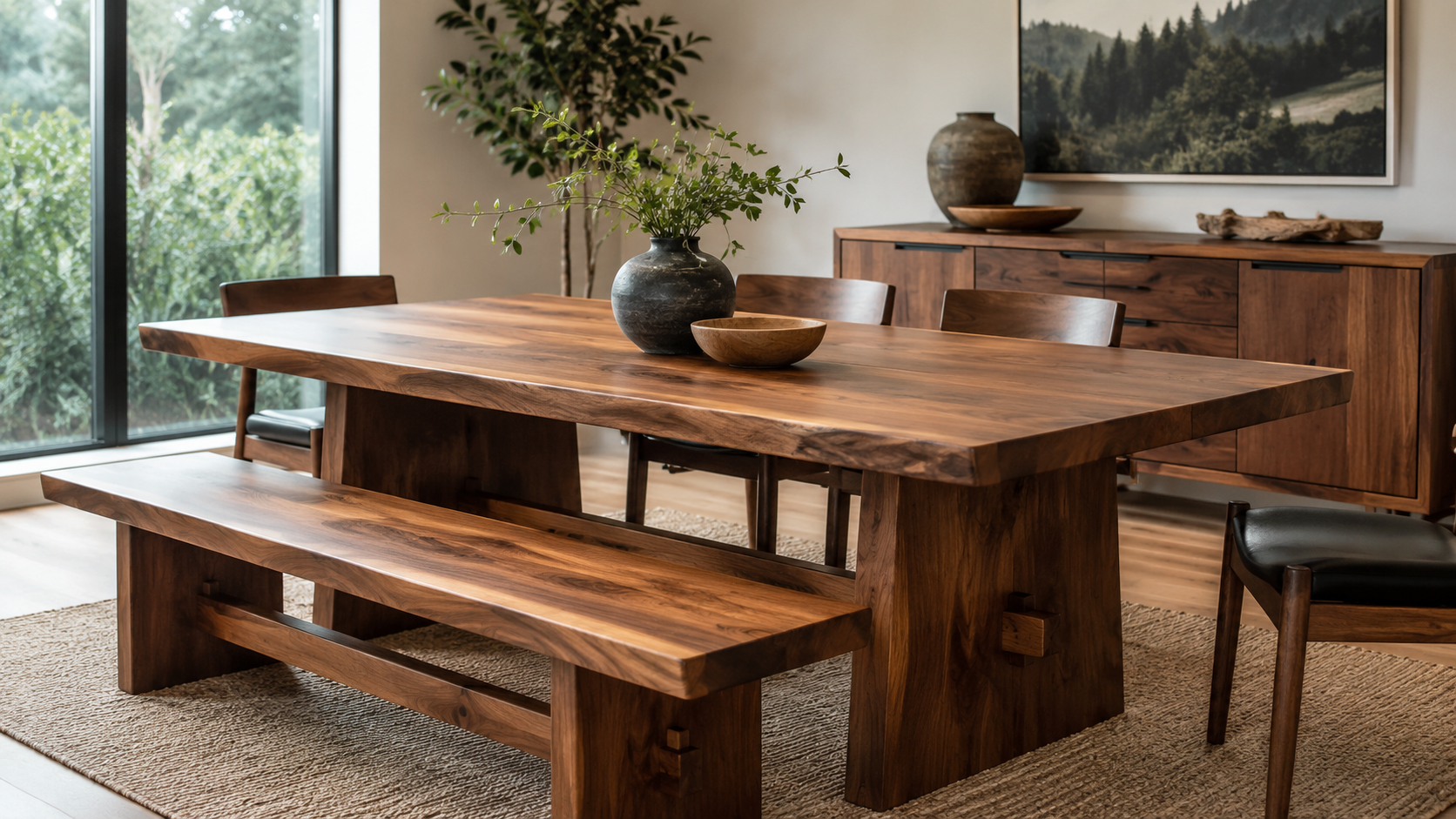
Custom wood furniture gives you the freedom to choose furniture that matches your space, style, and everyday needs.
Instead of selecting mass-produced items with fixed sizes and limited designs, you can have pieces built specifically for your home or office.
From dining tables and bookshelves to bed frames and office desks, custom furniture provides flexibility that ready-made products often cannot.
Many homeowners appreciate handcrafted wood furniture because it combines practical use with quality craftsmanship.
A well-built custom piece may last for decades with proper care, making it a worthwhile investment for those who value durability and timeless design.
In this guide, you’ll learn how custom wood furniture works, its benefits, popular wood choices, pricing factors, maintenance tips, and frequently asked questions to help you make an informed decision.
What Is Custom Wood Furniture?
Custom wood furniture refers to furniture designed and built according to your specific preferences instead of being manufactured in standard sizes or styles.
You typically choose:
- Dimensions
- Wood species
- Finish color
- Design style
- Hardware
- Storage features
- Edge profiles
- Table legs or bases
A furniture maker then creates the piece based on those specifications.
Examples include:
- Dining tables
- Coffee tables
- Kitchen islands
- TV stands
- Bookshelves
- Office desks
- Bed frames
- Nightstands
- Cabinets
- Floating shelves
Why Choose Custom Wood Furniture?
Many people select custom furniture because it offers greater flexibility than ready-made alternatives.
Some common advantages include:
Fits Your Space Perfectly
Standard furniture may leave unused gaps or simply not fit smaller rooms.
Custom-built furniture can be designed around:
- Small apartments
- Large open spaces
- Angled walls
- Alcoves
- Home offices
- Built-in storage areas
This helps maximize available space.
Personalized Design
Every home has its own style.
Custom furniture allows you to match your décor by selecting details such as:
- Modern
- Farmhouse
- Scandinavian
- Traditional
- Industrial
- Mid-century modern
- Rustic
- Coastal
You can also customize:
- Table thickness
- Drawer style
- Shelf spacing
- Handle designs
- Finish colors
Long-Term Durability
Many custom furniture makers use solid hardwood instead of particle board or MDF for structural components.
Popular hardwoods include:
- Oak
- Maple
- Walnut
- Cherry
- Ash
- Hickory
These woods generally offer excellent strength when properly maintained.
Better Material Selection
You know exactly what materials are being used.
Depending on the builder, you may choose:
- Solid hardwood
- Reclaimed wood
- Sustainable wood
- Live edge slabs
- Engineered wood components where appropriate
Popular Types of Custom Wood Furniture
Custom Dining Tables
Dining tables remain one of the most requested custom furniture pieces.
Customization options include:
- Seating capacity
- Table shape
- Live edge design
- Pedestal or trestle base
- Extension leaves
- Finish color
Custom Office Desks
Home offices continue to grow in popularity.
A custom desk can include:
- Cable management
- Built-in drawers
- Monitor shelves
- Adjustable height options
- Keyboard trays
- Storage cabinets
Custom Bed Frames
A handmade wooden bed frame can become the centerpiece of a bedroom.
Options often include:
- Storage drawers
- Floating platforms
- Upholstered headboards
- Built-in lighting
- Matching nightstands
Custom Cabinets
Wood cabinets can be designed for:
- Kitchens
- Bathrooms
- Laundry rooms
- Home offices
- Entertainment centers
Since they’re built for your space, they may provide better storage efficiency.
Custom Bookshelves
Bookshelves don’t have to be standard rectangles.
They can be customized for:
- Floor-to-ceiling storage
- Corner installations
- Built-in entertainment walls
- Decorative displays
Popular Wood Choices
Different wood species have distinct appearances and characteristics.
| Wood Type | Appearance | Durability | Common Uses |
|---|---|---|---|
| Oak | Prominent grain | High | Tables, cabinets |
| Maple | Smooth, light color | High | Desks, dressers |
| Walnut | Dark brown | High | Luxury furniture |
| Cherry | Warm reddish tone | High | Dining furniture |
| Ash | Light grain | High | Modern furniture |
| Hickory | Strong grain | Very High | Heavy-use furniture |
| Pine | Softwood | Moderate | Rustic furniture |
| Reclaimed Wood | Weathered appearance | Varies | Accent furniture |
Solid Wood vs Engineered Wood
Understanding the difference can help you choose the right material.
| Feature | Solid Wood | Engineered Wood |
|---|---|---|
| Natural grain | Yes | Often covered with veneer |
| Repairable | Usually | Limited |
| Lifespan | Often several decades | Depends on construction |
| Weight | Heavier | Lighter |
| Cost | Higher | Lower |
Each material has suitable applications depending on the project and budget.
Custom Furniture Design Process
Although every workshop follows its own process, many projects include these steps.
1. Consultation
Discuss:
- Room measurements
- Design preferences
- Budget
- Timeline
2. Design Planning
The builder prepares drawings or digital mockups for approval.
3. Material Selection
Choose:
- Wood species
- Finish
- Hardware
- Construction details
4. Building
The furniture maker cuts, joins, sands, assembles, and finishes the piece.
5. Delivery and Installation
Larger items may be delivered and installed on-site.
Factors That Affect Cost
Several factors influence pricing.
These include:
- Wood species
- Furniture size
- Design complexity
- Labor time
- Finish quality
- Hardware
- Shipping distance
- Installation requirements
For example, a large walnut dining table with custom joinery generally costs more than a simple pine coffee table because of material and labor differences.
How to Choose the Right Furniture Maker
Before placing an order, it helps to evaluate a few important details.
Look for:
- Portfolio of completed work
- Customer reviews
- Clear communication
- Material transparency
- Written estimates
- Realistic production timelines
- Warranty information
Asking questions early can help prevent misunderstandings later.
Caring for Custom Wood Furniture
Proper maintenance helps preserve the appearance of wood furniture.
Some useful practices include:
- Dust regularly with a soft cloth.
- Clean spills promptly.
- Avoid prolonged moisture exposure.
- Keep furniture away from direct sunlight when possible.
- Use coasters and placemats.
- Maintain stable indoor humidity.
- Apply manufacturer-recommended wood care products when needed.
Avoid harsh chemical cleaners unless the furniture maker specifically recommends them.
Is Custom Wood Furniture Worth It?
The answer depends on your priorities.
Custom wood furniture may be a good choice if you:
- Need specific dimensions
- Prefer solid wood construction
- Want a personalized design
- Plan to keep furniture for many years
- Appreciate handcrafted workmanship
If your main priority is the lowest possible price, mass-produced furniture may better fit your budget.
Frequently Asked Questions
How long does custom wood furniture take to build?
Production times vary depending on the furniture maker, design complexity, material availability, and current workload. Some projects may take several weeks, while larger or highly detailed pieces can take longer.
What wood lasts the longest?
Hardwoods such as oak, walnut, maple, cherry, and hickory are widely recognized for their durability when properly maintained.
Can custom furniture match existing décor?
Yes. Builders can often adjust dimensions, wood species, stain colors, finishes, and hardware to complement existing furniture and interior styles.
Is solid wood better than engineered wood?
Each has advantages. Solid wood generally offers excellent longevity and repairability, while engineered wood may provide a more affordable solution for certain furniture types.
Can custom furniture increase home value?
Built-in custom cabinetry and professionally crafted storage solutions may enhance a home’s appeal, though the impact on resale value depends on buyer preferences and local market conditions.
Create Lasting Value With Custom Wood Furniture
Custom wood furniture gives you the opportunity to create pieces that fit your space, reflect your personal style, and support your daily routine.
With a wide selection of wood species, finishes, and design options, you can customize everything from dining tables and bookshelves to office desks and bedroom furniture.
While custom-built pieces may require a larger investment than mass-produced alternatives, many homeowners value their craftsmanship, durability, and tailored design.
By choosing quality materials, working with an experienced furniture maker, and following proper care practices, you can enjoy furniture that remains functional and attractive for many years.
Leave a Reply