The Architectural Legacy Behind Arne Jacobsen's Iconic Typography
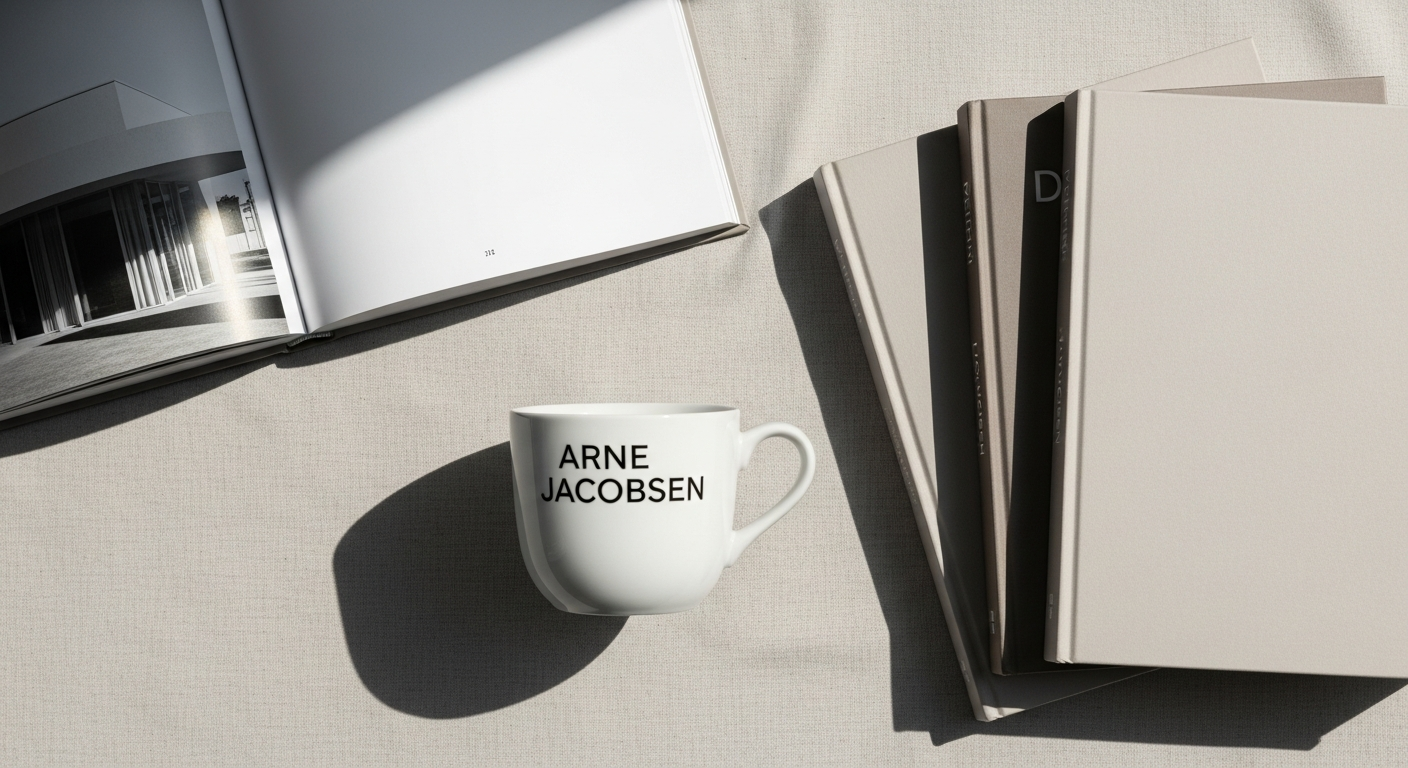
Over 89 years after Arne Jacobsen first sketched his revolutionary typeface, the Design Letters Arne Jacobsen Typography Porcelain Cup remains one of Scandinavia's most coveted design objects. This isn't just another coffee mug—it carries the weight of architectural heritage born from Jacobsen's 1937 vision for Aarhus City Hall, embodying Bauhaus philosophy where form follows function. Crafted from fine bone china and available in customizable alphabet format, each cup tells a personal story.
When one considers what makes a design truly iconic, the answer rarely lies in complexity. Jacobsen's hand-drawn letterforms achieved something remarkable: timeless elegance that refuses to feel dated despite nearly a century of design evolution. The porcelain cup translates this architectural accomplishment into something tactile, personal, and functional—a rare achievement in a world of throwaway goods.
Explore the Design Letters collection and find your perfect personalized cup today.
The Historical Significance of Jacobsen's 1937 Commission
From City Hall to Contemporary Homes
Arne Jacobsen received the commission to design typography for Aarhus City Hall during a pivotal moment in design history. The resulting letterforms represented far more than signage—they embodied a philosophical approach to visual communication that prioritized clarity, elegance, and restraint. These hand-drawn characters became the foundation for what would eventually evolve into the Design Letters brand decades later.
The transition from architectural application to consumer product wasn't arbitrary. Jacobsen's typography possessed an inherent versatility that transcended its original context. What worked beautifully engraved into City Hall's facade translated equally well onto ceramic surfaces, proving that truly exceptional design operates across scales and materials.
Bauhaus Philosophy in Every Letter
The Bauhaus movement's core principle—that beauty and utility must coexist—runs through every aspect of Jacobsen's typography. The letterforms avoid unnecessary ornamentation while maintaining visual warmth. Each character stands legible and distinctive, yet harmonizes with its companions. This balance reflects the modernist conviction that good design shouldn't force a choice between aesthetics and functionality.
Contemporary Scandinavian design owes enormous debt to these foundational principles. The minimalist aesthetic that defines Nordic interiors stems directly from this mid-century philosophy. Jacobsen's typeface anticipated trends that wouldn't dominate design discourse for another generation, positioning it as genuinely forward-thinking rather than retroactively fashionable.
Why Mid-Century Danish Design Still Resonates
Mid-century Danish design carries an almost magnetic appeal in contemporary spaces. Unlike some historical movements that feel locked to their era, this design language speaks to enduring human preferences: honesty in materials, clarity in form, and restraint in decoration. Jacobsen's work exemplifies these values without lecturing.
The porcelain cup succeeds because it doesn't announce itself as "important design." It simply performs beautifully, feels substantial, and looks genuinely good—the holy trinity that separates lasting design from forgotten trends. Collectors and everyday users alike appreciate this understated confidence.
Understanding Bone China Quality and Craftsmanship
The Science Behind Fine Bone China
Fine bone china represents the premium tier of ceramic tableware, distinguished by its composition and firing process. Unlike standard porcelain, bone china incorporates calcined animal bone—typically at least 30 percent—which fundamentally alters its structural properties. This addition creates material that's simultaneously more durable and more refined than conventional porcelain.
The result feels noticeably different in hand. Bone china possesses a subtle warmth that pure porcelain sometimes lacks. It's warmer to the touch when holding cold liquids and retains heat more effectively with hot beverages. These thermal properties aren't coincidental—they emerge directly from the material's composition.
Durability and Longevity Advantages
Design Letters' commitment to bone china signals an intention toward permanence. This material withstands daily use better than delicate porcelain alternatives, making it genuinely practical for regular coffee or tea consumption rather than reserved for special occasions. The density of bone china means it resists chipping and cracking under normal circumstances—important for a product meant to become a beloved household staple.
The cost difference between bone china and standard porcelain reflects this durability. Customers choosing the Design Letters cup invest in an object that will perform flawlessly for decades. This longevity calculation transforms the purchase from simple merchandise to genuine investment in quality.
Material Excellence in Hand and Eye
When holding a bone china cup, the weight immediately communicates quality. This substantial feel separates the porcelain cup from lightweight ceramic alternatives that feel insubstantial despite similar dimensions. The glaze finish on Design Letters cups achieves a particular smoothness that develops a subtle patina with age, becoming more beautiful through use rather than degrading.
The hand-finishing details visible on each cup reinforce the craftsmanship narrative. Glazing variations and subtle surface characteristics prove these aren't factory-uniform products stamped from identical molds. Each cup emerges as a slightly individual object, adding to its perceived—and actual—value.
Care and Preservation
Maintaining bone china requires only basic attention. Hand-washing preserves the glaze finish better than dishwashers, though most Design Letters cups can tolerate mechanical washing. The material's inherent durability means that reasonable care preserves the cup's appearance indefinitely. Unlike trendy ceramics that show wear quickly, bone china often looks better with age.
Storing the cups in a dedicated space prevents accidental damage while allowing easy access. Many owners display their collections openly, treating the cups as decorative objects worthy of visible space rather than tucking them away in cupboards.
Discover premium bone china craftsmanship with Design Letters' official collection.
The Power of Personalization: Creating Meaningful Design Choices
Single-Letter Selection and Personal Identity
The alphabet format of Design Letters cups transforms them from generic tableware into personalized objects. Each cup features a single letter, allowing owners to select their initial, a loved one's letter, or characters that hold private significance. This fundamental customization option explains much of the product's enduring appeal.
Selecting your letter becomes a small moment of intentionality in consumer culture. Rather than accepting whatever arrives in a package, you're making an active choice about which character will accompany your morning routine. This agency matters more than manufacturers typically acknowledge.
Building Collections and Spelling Names
The true versatility emerges when collectors assemble multiple letters to spell names, create monogrammed sets, or build family collections. A parent might gather letters spelling each child's name. A couple might display their initials side-by-side. These assemblages transform individual cups into meaningful installations that represent family identity and personal history.
This collecting impulse extends beyond pragmatism. Many owners display their letter collections on shelves or in cabinets, treating them as decorative installations rather than purely functional objects. The visual rhythm of arranged alphabet letters creates surprisingly compelling wall displays.
Psychological Dimensions of Ownership
Psychological research confirms that personalized objects generate stronger emotional attachment than identical mass-produced items. Owning something uniquely yours—even a simple letter designation—creates a sense of ownership that transcends normal consumer relationships. Your letter cup becomes "your" cup in a way factory-standard tableware never achieves.
This emotional connection drives the sustained popularity that keeps Design Letters products on best-seller lists. Owners maintain these cups across years and even decades, actively caring for them rather than replacing them casually. They become part of personal identity in subtle but meaningful ways.
Gift-Giving and Emotional Value
The personalization aspect transforms the cup into an exceptionally thoughtful gift. Rather than presenting generic tableware, you're offering something specifically selected for that individual. Gifts that incorporate someone's initial or initial of a significant word feel more considered and cherished than standard options.
Baby showers represent one ideal context for these gifts—parents collect multiple letters to spell their child's name, creating a set that grows with personal meaning. Similar scenarios occur for weddings, anniversaries, and milestone celebrations where personalized items carry deeper significance than mass-produced alternatives.
Objects as Keepsakes
Design Letters cups frequently transition from functional tableware to cherished keepsakes. Recipients report keeping cups far longer than typical ceramics, displaying them even after daily use periods end. This preservation impulse indicates successful emotional connection—the object transcends its utilitarian purpose to become genuinely meaningful.
Over time, these cups become associated with memories and relationships. A cup bearing a child's initial might later remind parents of early parenting years. A gift received from a particular person becomes linked to that relationship. These psychological associations transform simple ceramic objects into repositories of personal history.
Beyond the Kitchen: Unexpected Versatility
Stylish Desk and Workspace Organization
While designed for beverages, the porcelain cup's size and visual appeal make it equally suitable for desk organization. Designers and creatives frequently repurpose them as stylish holders for pencils, fine-point pens, or paintbrushes. The refined aesthetic elevates workspace appearance compared to standard pen cups, adding professional elegance to creative environments.
The narrower opening naturally accommodates writing implements while the cup's weight prevents tipping. This practical advantage, combined with visual appeal, makes the cups genuinely useful desktop accessories rather than purely decorative.
Bathroom and Personal Care Applications
Many households discover that Design Letters cups work beautifully for bathroom organization. The refined ceramic construction suits toothbrush storage, makeup brush display, or cotton swab organization. These applications position the cup as a small luxury that transforms utilitarian bathroom items into curated displays.
The bone china material proves particularly suitable for bathroom environments—it's non-toxic, dishwasher-safe when necessary, and resistant to moisture damage. Owners report that cups used in bathrooms maintain their appearance as well as kitchen examples.
Decorative Objects and Interior Styling
Interior designers frequently incorporate Design Letters cups into styled vignettes, recognizing their visual power as standalone objects. A single cup featuring a meaningful letter creates impact on open shelving, bedside tables, or bathroom counters. Small collections displayed together establish visual rhythm and sophistication.
The minimalist typography photographs well, making these cups popular among home styling enthusiasts and interior design professionals. Their aesthetic appeal transcends nostalgic appreciation—they genuinely enhance contemporary spaces by adding layers of visual interest without clutter.
The Lasting Impression of Thoughtful Design
The Design Letters Arne Jacobsen Typography Porcelain Cup transcends the ordinary beverage vessel through a rare combination of historical significance, material excellence, and genuine personalization. Jacobsen's 1937 vision continues to resonate nearly nine decades later—not as a relic of the past, but as a living design philosophy that speaks to anyone seeking authenticity in their everyday objects.
This porcelain cup delivers on multiple fronts: it performs brilliantly as a functional beverage holder, stands proudly as a decorative accent, and carries meaningful weight as a personalized gift that actually gets cherished. What truly sets this product apart is its refusal to compromise—bone china craftsmanship doesn't sacrifice durability for beauty, Bauhaus typography doesn't sacrifice legibility for artistic expression, and personalization doesn't sacrifice quality for customization.
Whether drawn to Scandinavian design heritage, seeking a gift that transcends fleeting trends, or simply wanting to infuse your space with meaningful objects, this cup delivers. The sustained best-seller status across global markets testifies to something authentic at the product's core—a design that genuinely improves daily life while maintaining artistic integrity.
Leave a Reply