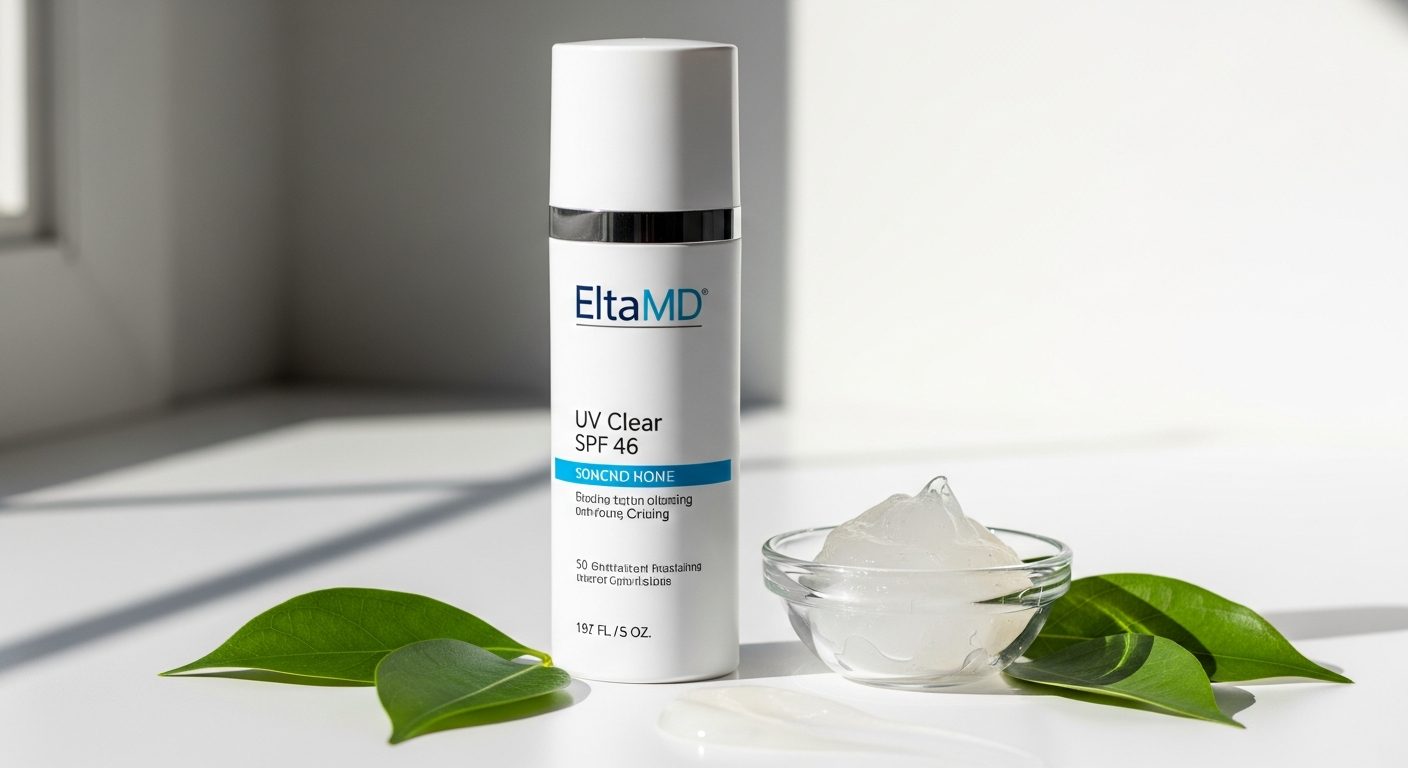
Why Acne-Prone Skin Needs a Different Sunscreen Approach
The sunscreen-breakout connection: How traditional formulas clog pores and trigger congestion in acne-prone skin
The irony of skincare is cruel: the product meant to protect your skin often becomes its worst enemy. Traditional sunscreens rely on heavy oils and occlusive ingredients that sit on the surface, creating a breeding ground for bacteria and sebum buildup. For acne-prone individuals, applying conventional sunscreen feels like coating their face in a pore-clogging barrier. Within hours, congestion appears, existing breakouts worsen, and the cycle of irritation intensifies. This isn't user error—it's a fundamental mismatch between standard sunscreen formulations and the needs of problem skin.
The culprit lies in texture and ingredient selection. Most mass-market sunscreens prioritize easy application and cost-effectiveness over skin compatibility. They contain silicones, mineral oils, and heavy emollients that provide a luxurious feel during application but trap bacteria and dead skin cells underneath. For those already battling acne-causing bacteria, this creates an ideal environment for breakouts. The result is a painful choice: either risk sun damage or trigger inflammation.
The niacinamide advantage: Why vitamin B3 is a game-changer for reducing sebum production and calming inflammation
Niacinamide, also known as vitamin B3, operates differently than most skincare ingredients. Rather than simply coating the skin, it actively regulates sebaceous gland function, reducing excess oil production at the source. This is particularly valuable for acne-prone individuals whose skin naturally produces elevated sebum levels. By moderating oil production, niacinamide creates an environment less hospitable to acne-causing bacteria.
Beyond oil control, niacinamide strengthens the skin barrier and reduces inflammatory responses. It calms the redness and irritation that accompany acne and rosacea, making it an ideal companion to sun protection. When combined with sunscreen, niacinamide doesn't just protect against UV damage—it simultaneously addresses the underlying inflammation driving problematic skin conditions.
Oil-free vs. oil-control: The difference between avoiding oils and actively regulating them
Not all oil-free formulations are created equal. Some simply omit obvious oils while relying on silicones or other heavy ingredients that create the same occlusive effect. True oil-free formulations avoid these problematic ingredients entirely, allowing the skin to breathe while maintaining hydration through alternative mechanisms like humectants.
Active oil-control goes further. Rather than passively avoiding oils, it regulates the skin's natural sebum production. This approach addresses the root cause of congestion instead of merely avoiding additional oil sources. The distinction matters significantly for acne-prone skin, where the goal isn't zero oil but balanced, healthy oil production.
Non-comedogenic certification: What this means and why it matters for your skin barrier
Non-comedogenic certification indicates that a product has been tested and confirmed not to clog pores or contribute to comedone formation. This testing typically involves applying the product to susceptible individuals and monitoring for breakouts or congestion over extended periods. The certification provides objective assurance that the formula won't trigger the exact problems acne-prone skin experiences.
For a sunscreen, non-comedogenic status is non-negotiable. Sun protection is essential, but not at the cost of skin health. This certification ensures you can apply daily protection without sacrificing the clarity you've worked hard to achieve.
Dermatologist recommendations: Why professionals specifically suggest EltaMD UV Clear for acne and rosacea
Dermatologists recommend EltaMD UV Clear SPF 46 because it solves a problem their patients face constantly: the inability to find sunscreen compatible with acne-prone or rosacea-affected skin. The formula's lightweight texture, non-comedogenic certification, and inclusion of therapeutic ingredients like niacinamide align perfectly with professional treatment goals.
When a dermatologist prescribes acne medication or rosacea treatment, they're managing inflammation and regulating skin function. A sunscreen that actively supports these goals—rather than undermining them—becomes a cornerstone of successful treatment. That's why this product appears so frequently in professional recommendations and treatment regimens.
The Science Behind EltaMD UV Clear SPF 46's Dual-Protection Formula
Broad-spectrum SPF 46 explained: UVA and UVB coverage and what the SPF number actually protects against
SPF measures protection against UVB rays, the primary cause of sunburn and surface-level skin damage. SPF 46 blocks approximately 97.8% of UVB radiation, providing robust defense against the rays responsible for acute sun damage. However, SPF numbers tell only part of the story.
UVA rays penetrate deeper into the skin, causing premature aging, collagen breakdown, and increased skin cancer risk. These rays don't cause visible sunburn, making them easier to ignore—but their damage accumulates over time. Broad-spectrum protection addresses both UVB and UVA, ensuring comprehensive coverage against the full spectrum of harmful radiation.
Transparent zinc oxide (9.0%): Physical sun protection benefits and why it doesn't leave a white cast
Zinc oxide is a physical blocker, meaning it sits on the skin's surface and reflects UV rays away before they can penetrate. At 9.0% concentration, this ingredient provides substantial broad-spectrum protection. The advantage of physical blockers lies in their immediacy—they begin protecting as soon as applied, with no need for skin absorption or activation time.
Traditionally, zinc oxide leaves a visible white cast on the skin, making it impractical for daily facial use, particularly for those with darker skin tones. EltaMD's formulation uses micronized, transparent zinc oxide that provides the same protective benefits without the cosmetic downside. This advancement allows users to gain the benefits of physical sun protection without aesthetic compromise.
Octinoxate (7.5%): Chemical filter properties and how it complements physical blockers
Octinoxate is a chemical UV filter that absorbs UV radiation and converts it into heat, dissipating it away from the skin. At 7.5% concentration, it addresses wavelengths that physical blockers alone might miss, particularly in the UVA range. Chemical filters require absorption into the skin to become effective, which is why application time and formulation matter.
The pairing of octinoxate with transparent zinc oxide creates a complementary system. While zinc oxide provides immediate, reflective protection, octinoxate absorbs rays that slip through, creating layered defense. Neither ingredient dominates; instead, they work synergistically to eliminate gaps in coverage.
The hybrid approach: Why combining physical and chemical filters provides superior protection
Relying solely on physical blockers leaves gaps in UVA protection, while chemical filters alone may not provide adequate broad-spectrum coverage. The hybrid approach addresses these limitations by combining the strengths of both technologies. Physical blockers offer immediate, broad protection and stability, while chemical filters provide targeted absorption of specific wavelengths.
This combination also enhances cosmetic elegance. Chemical filters allow for a lighter, more elegant formulation than high concentrations of physical blockers alone would permit. The result is a sunscreen that performs like a professional-grade product while feeling lightweight enough for daily wear under makeup.
Skin Cancer Foundation approval: What this certification signifies for product efficacy and safety
The Skin Cancer Foundation's seal of recommendation indicates that the product has undergone rigorous testing for both UV protection efficacy and safety. This organization doesn't approve products lightly; their standards reflect dermatological best practices and evidence-based research. The seal signifies that EltaMD UV Clear SPF 46 meets objective standards for sun protection that extend beyond marketing claims.
This certification carries particular weight for individuals concerned about skin cancer risk. It represents third-party validation that the product delivers the protection it promises, without hidden compromises or misleading marketing.
Active Skincare Ingredients That Transform Sun Protection
Niacinamide (5%): Reducing redness, minimizing pores, and evening out skin tone
The 5% concentration of niacinamide in EltaMD UV Clear SPF 46 exceeds typical skincare formulations, maximizing its therapeutic potential. At this level, niacinamide visibly reduces the redness associated with acne and rosacea, strengthens the skin barrier, and minimizes pore appearance. Users report that consistent application leads to noticeable improvements in overall skin tone evenness and reduced inflammation.
For acne-prone skin, this concentration actively addresses one of the primary concerns: inflammatory redness that persists even after active breakouts resolve. Rather than simply masking redness with coverage, niacinamide works to reduce it at the source.
Hyaluronic acid benefits: Hydration without heaviness and moisture retention for compromised skin barriers
Hyaluronic acid is a humectant, meaning it draws moisture into the skin rather than providing occlusive coverage. A single molecule of hyaluronic acid can hold up to 1,000 times its weight in water, making it exceptionally effective for hydration. This mechanism is particularly valuable for acne-prone or rosacea-affected skin, which often has compromised barriers and reduced natural moisture retention.
The inclusion of hyaluronic acid means EltaMD UV Clear SPF 46 actually improves skin hydration while protecting against sun damage. This dual action prevents the dryness and irritation that many acne treatments cause, allowing users to maintain a healthy skin barrier while treating active concerns.
Lactic acid exfoliation: Gentle chemical exfoliation that brightens without irritation
Lactic acid is an alpha hydroxy acid (AHA) that gently dissolves the bonds between dead skin cells, promoting natural exfoliation. Unlike physical scrubs that can damage sensitive skin, lactic acid works chemically at a pace the skin can tolerate. This gentle exfoliation removes dull, dead skin buildup, revealing brighter skin underneath and promoting a more even tone.
For acne-prone skin, this exfoliation is particularly valuable. It prevents the accumulation of dead skin cells that can clog pores, while simultaneously addressing hyperpigmentation and post-inflammatory erythema that often follows breakouts. The result is progressively clearer, brighter skin with continued use.
Discover why EltaMD UV Clear SPF 46 is transforming skincare routines for acne-prone skin.
Fragrance-free, paraben-free formulation: Why these omissions matter for sensitive skin
Fragrance is a common irritant for sensitive and acne-prone skin, often triggering inflammation or allergic reactions. Parabens, while generally recognized as safe, are preservatives that some individuals react to or prefer to avoid. EltaMD's decision to exclude both demonstrates a commitment to minimizing potential irritants.
For individuals with rosacea or reactive skin, this formulation approach is significant. Every ingredient serves a functional purpose—protection or treatment—without unnecessary additions that might trigger sensitivity. This focused ingredient list reduces the risk of unexpected reactions while maximizing tolerance.
Synergistic ingredient action: How these components work together to address multiple skin concerns simultaneously
The true strength of EltaMD UV Clear SPF 46 lies not in individual ingredients but in their combined action. Niacinamide calms inflammation while regulating sebum, creating a foundation for barrier repair. Hyaluronic acid hydrates and plumps, supporting the barrier's structural integrity. Lactic acid gently exfoliates, preventing congestion and promoting even tone. Meanwhile, the hybrid UV filter system provides comprehensive protection without compromising skin health.
These ingredients don't compete or neutralize each other; instead, they amplify each other's benefits. A sunscreen that calms inflammation while protecting against UV damage represents a fundamental shift in how sun protection addresses problem skin. Rather than temporary solutions, EltaMD UV Clear SPF 46 offers sustained improvement through multiple mechanisms simultaneously.
The Bottom Line for Problem Skin Protection
EltaMD UV Clear SPF 46 Sunscreen represents a rare convergence—effective broad-spectrum sun protection that actually improves your skin rather than compromising it. The combination of transparent zinc oxide and octinoxate delivers reliable UV defense, while niacinamide, hyaluronic acid, and lactic acid work overtime to calm inflammation, hydrate, and brighten. For anyone with acne-prone, rosacea-affected, or sensitive skin, this isn't just another sunscreen; it's a therapeutic tool that prevents damage while actively addressing your skin's most pressing concerns.
Yes, it costs more than drugstore options, but when you factor in the dermatologist recommendations, Skin Cancer Foundation approval, and the potential to finally wear sunscreen without triggering breakouts, the investment becomes remarkably justified. The price reflects both the formulation complexity and the years of development required to solve a problem that affects millions of people daily.
The real cost of inadequate sun protection extends far beyond the initial purchase price. Sun damage accumulates silently, contributing to premature aging, hyperpigmentation, and increased skin cancer risk. Meanwhile, using the wrong sunscreen perpetuates the breakout cycle, requiring additional treatments and prolonging the time to clear skin. EltaMD UV Clear SPF 46 eliminates this false choice between protection and skin health.
If you've been caught between sun protection and clear skin, stop compromising and try EltaMD UV Clear SPF 46 today.
Leave a Reply