Why Braided Construction Matters for Performance Fuel Systems
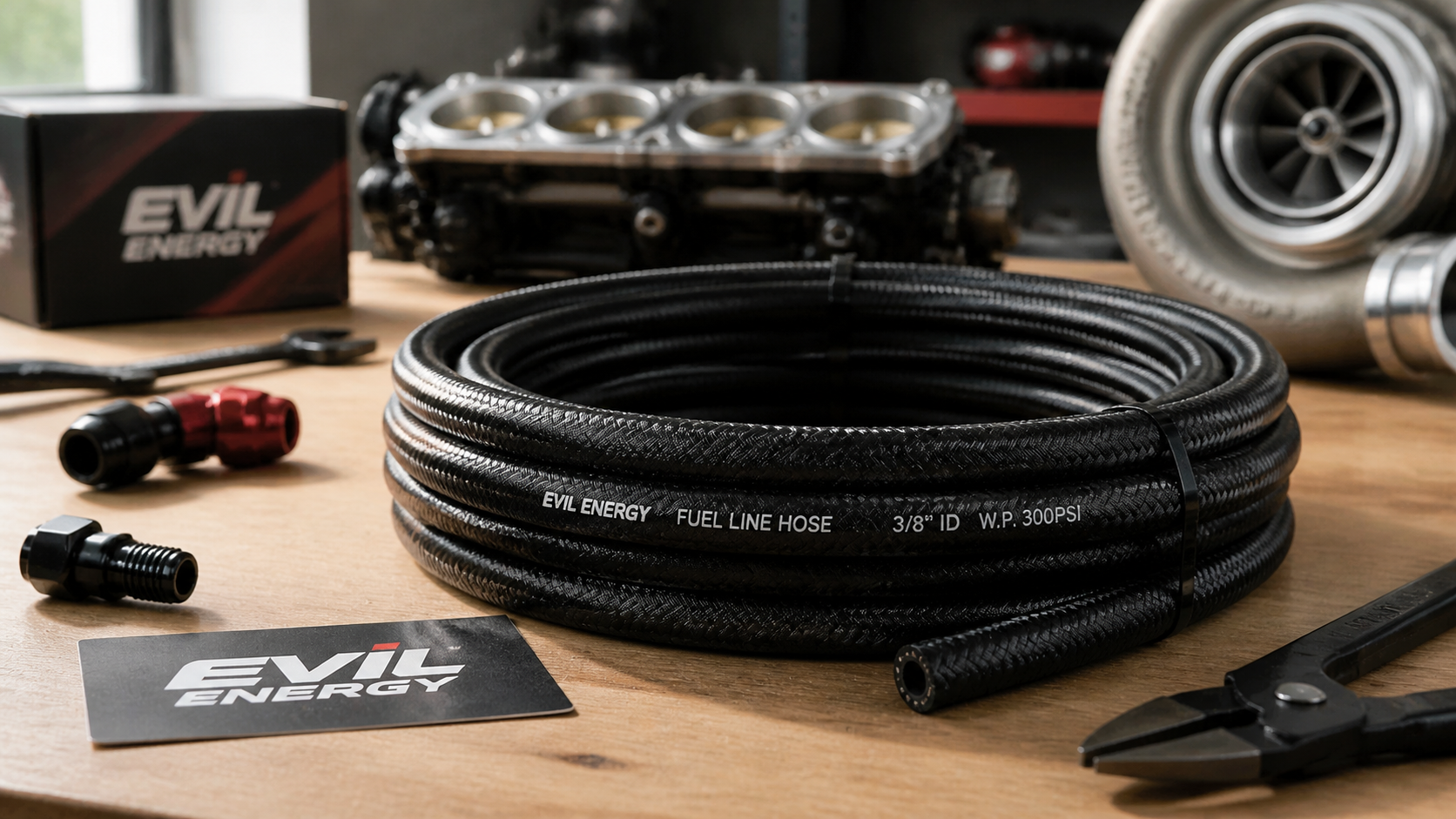
Braided hose construction separates genuinely reliable fuel systems from those that fail under stress. When you compare a braided design to standard rubber hose, the difference becomes immediately obvious—braided reinforcement wraps around the inner tube, creating a protective layer that resists punctures, abrasion, and degradation far more effectively than exposed rubber alone. This matters because your fuel line sits inches from hot engine components, rotating pulleys, and sharp edges. Standard rubber hose simply can't withstand that environment for long.
Braided Design vs. Standard Rubber Hose: Durability, Flexibility, and Abrasion Resistance Comparison
Standard rubber hoses crack and become brittle when exposed to heat cycles and fuel vapors. Braided construction maintains flexibility across a wider temperature range while actively resisting the mechanical wear that destroys cheaper alternatives. The braided sleeve also allows the hose to flex without kinking, a critical advantage when routing through tight engine bays where space is at a premium. Evil Energy hoses use this reinforced design across their entire lineup, which is why they've become the go-to choice for builders who want their fuel system to actually survive the first season.
Temperature and Pressure Range Specifications That Make Evil Energy Hoses Suitable for Modified Street Cars and Race Builds
Evil Energy fuel line hoses handle temperature ranges that accommodate everything from mild street car modifications to aggressive race applications. These hoses typically support fuel system pressures ranging from carbureted low-pressure setups all the way up to high-boost turbocharged applications. The braided construction maintains structural integrity at both extremes, preventing failure modes that could leave you stranded or worse—spraying fuel where it shouldn't go.
How Braided Reinforcement Prevents Fuel Line Collapse Under High-Performance Conditions
Under high fuel pressure, standard hose can collapse or pinch, restricting fuel flow to your engine. This creates lean conditions, misfire, and potential engine damage. Braided reinforcement prevents this collapse by distributing pressure evenly across the hose wall. The result is consistent fuel delivery regardless of whether you're running 5 PSI through a carburetor or 60+ PSI through a fuel-injected turbo engine.
Resistance to Fuel Degradation and Chemical Exposure Over Extended Use
Fuel contains solvents and additives that attack rubber compounds over time. Braided hoses resist this chemical assault better than unprotected alternatives, maintaining their structural properties season after season. Even ethanol-blended fuels, which are particularly aggressive on standard hose materials, won't degrade Evil Energy hoses at the rate they would cheaper options.
Weight and Space-Saving Advantages in Tight Engine Bay Configurations
Performance builders know that engine bays shrink when you're routing around turbos, intercoolers, and custom intake manifolds. Braided hose offers the same diameter as rubber but with superior structure, allowing you to route more creatively without worrying about kinking or collapse. The lightweight construction also contributes to your overall build weight—a consideration that matters when every pound counts.
Aesthetic Appeal of Braided Hoses in Visible Custom Installations
Let's be honest: your custom engine bay matters visually. Braided hose looks purposeful and professional, transforming a fuel system from "functional" to "show-quality." That visual appeal isn't just ego—it reflects the quality of construction underneath.
Sizing Your Evil Energy Fuel Line Hose: Inner Diameter and Length Selection
Getting the size right is non-negotiable. Too small a diameter and you'll choke your fuel supply. Too large and you'll create unnecessary volume that affects fuel pressure stability. Evil Energy offers multiple inner diameter options, each corresponding to AN (Army-Navy) fitting standards that have become the industry baseline for performance fuel systems.
Understanding AN Fitting Standards and How They Correspond to Hose Inner Diameters
AN fittings use a straightforward numbering system: AN4 refers to a 1/4-inch inner diameter, AN6 is 3/8-inch, AN8 is 1/2-inch, and AN10 is 5/8-inch. Each step up roughly doubles the flow capacity. Evil Energy hoses come in all these standard sizes, making it easy to match existing components or build from scratch using industry-standard fittings.
Calculating Fuel Line Length Requirements Based on Fuel Tank Location and Engine Placement
Measure twice, cut once—this old adage applies perfectly to fuel line installation. You'll need to account for the actual path the hose must follow from your fuel tank through the engine bay to your fuel pump, filter, and regulator. Don't just measure the straight-line distance; account for the routing around obstructions. Add a few extra feet for routing flexibility and future modifications.
Common Sizing Mistakes DIY Builders Make and How to Avoid Them
The most common error is underestimating hose length, which forces tight bends that restrict flow or create stress points that eventually leak. Another mistake is matching hose diameter to existing components without verifying those components were sized correctly to begin with. Take time to research your specific fuel pump's flow capacity and your fuel pressure regulator's requirements before committing to a hose size.
Matching Hose Diameter to Fuel Pump Output and Fuel Pressure Regulator Specifications
Your fuel pump and pressure regulator specifications dictate the minimum hose diameter. A fuel pump rated for 60 gallons per hour requires at least AN6 hose to deliver fuel without excessive pressure drop. Push that same pump through AN4 hose and you're asking for trouble. Check your component specs and cross-reference them with Evil Energy's sizing guide.
Multi-Application Inner Diameter Options Available in Evil Energy's Product Lineup
Evil Energy doesn't force you into a one-size-fits-all approach. Their product lineup includes AN4, AN6, AN8, and AN10 options, each available in multiple lengths. This flexibility means you can build a fuel system that matches your specific needs rather than compromising on a standard size.
Tools and Resources for Measuring Existing Fuel System Components
A simple measuring tape and digital calipers give you everything you need to verify existing hose sizes and calculate new routing distances. Evil Energy's website also provides sizing guides and fitment resources that help you match products to your specific vehicle and fuel system configuration.
Installation Techniques for DIY Builders and Custom Engine Bays
Installation isn't complicated, but it does demand attention to detail. Rush the process and you'll spend your summer chasing fuel leaks instead of enjoying your car.
Step-by-Step Installation Process for Fuel, Oil, Coolant, and Other Fluid-Transfer Applications
Start by removing the old hose if replacing an existing setup. Next, carefully insert your hose into the first fitting, pushing it in until it seats fully—you should feel a slight resistance and hear a click as the hose lock engages. Slide your hose clamp down and position it about 1/4-inch from the fitting end. Repeat this process at the other end. Tighten both clamps evenly, checking that the hose isn't kinked or twisted. Finally, fill your fuel system and inspect for leaks before starting the engine.
Proper Hose Routing to Avoid Engine Heat Sources and Moving Components
Route your hose away from exhaust manifolds, turbo housings, and anything spinning at high RPM. Even brief contact with a hot engine component can melt hose outer layers, compromising the braiding and creating a failure point. Use clamps and brackets to secure the hose every 12-18 inches, preventing vibration-induced abrasion against engine block edges or headers.
Securing Hoses with Appropriate Clamps and Brackets for Vibration Resistance
Standard worm-gear clamps work fine for most applications, though some builders prefer band clamps for a cleaner look. What matters is tightening them firmly without over-tightening, which can damage the hose fitting. Rubber-lined clamps prevent the clamp itself from cutting into braiding. For high-vibration applications like turbocharged engines, consider adding additional support brackets every foot or so.
Leak Testing Procedures and Pressure Verification After Installation
Before firing up your engine, pressurize your fuel system with a hand pump and spray soapy water around every fitting. Any bubbles indicate a leak. If you find one, reseat the fitting by disconnecting the hose, pushing it in firmly until you hear that click, and reconnecting. Most leak issues resolve with this simple procedure.
Common Installation Errors That Compromise Performance or Longevity
Under-tightened clamps are the most common culprit behind fuel leaks. Another frequent mistake is routing hose too close to moving engine components—pulleys and fan belts will shred braiding if given the chance. Some builders also fail to support the hose adequately, leading to vibration-induced abrasion and eventual failure.
Time Requirements and Skill Level Expectations for Different Installation Scenarios
A straightforward fuel pump upgrade might take 2-3 hours for a first-timer. A complete fuel system overhaul with custom routing through a modified engine bay could stretch to 6-8 hours depending on complexity. The good news is nothing here requires specialized skills—just mechanical aptitude, patience, and attention to detail.
Fuel Type Compatibility and Pressure Rating Verification
Before you buy a single foot of hose, verify exactly what your fuel system demands. Different fuel types and engine configurations require different hose specifications, and mixing them is a recipe for failure.
Ethanol-Blended Fuel Compatibility and Hose Material Considerations
Modern ethanol-blended gasoline is more aggressive on rubber than traditional fuel. Evil Energy hoses are formulated to resist ethanol exposure, but you should still verify compatibility if you're running E85 or other high-ethanol blends. Standard rubber hoses simply can't handle these fuels long-term.
Diesel, Gasoline, and Alternative Fuel Compatibility Specifications
Different fuels require different hose chemistries. Diesel fuel has different solvency characteristics than gasoline, and alternative fuels like biodiesel add their own compatibility concerns. Evil Energy publishes compatibility charts for each fuel type—consult these before purchasing if you're running anything other than straight gasoline.
Pressure Rating Requirements for Carbureted, Fuel-Injected, and Turbocharged Applications
Carbureted engines typically run 3-7 PSI. Fuel-injected engines operate at 35-50 PSI. Turbocharged applications might demand 60+ PSI with dynamic pressure spikes even higher. Evil Energy hoses handle all these scenarios, but you need to verify your specific fuel pressure requirement and ensure your hose is rated for it.
How to Verify Your Specific Fuel Type Requirements Before Purchasing
Consult your fuel pump manufacturer's documentation and your fuel pressure regulator specs. If you're using a universal component, research the builder community in your specific platform forums—people who've already built similar setups have tested these configurations extensively.
Temperature Range Specifications for Street Cars, Race Vehicles, and Extreme-Duty Builds
Street cars typically operate in -20°F to +180°F range. Race vehicles and turbo builds push toward -20°F to +220°F or higher. Evil Energy hose specifications account for these variations—verify that your chosen hose meets the temperature extremes you'll actually encounter.
Documentation and Spec Sheets to Review Before Committing to a Hose Purchase
Evil Energy provides detailed specification sheets for every hose size and configuration. Download these documents, compare them against your fuel system requirements, and verify compatibility before ordering. Five minutes of spec sheet review prevents hours of troubleshooting later.
Cost-Benefit Analysis: Why Evil Energy Hoses Dominate the Budget Build Market
Performance doesn't require premium pricing if you understand what you're buying. Evil Energy hoses prove this principle better than almost any automotive product.
Price Range Breakdown ($20–$60) Based on Diameter, Length, and Quantity
An Evil Energy AN6 hose in 10-foot length typically runs $25-$35. AN8 sizes stretch to $40-$50, and larger diameters or longer lengths approach $60. Compare this to premium brands charging $80-$150 for identical specifications, and the value becomes crystal clear.
Comparison of Evil Energy Pricing Against Premium Aftermarket Brands
Premium hose brands charge 2-3x what Evil Energy asks, often for identical specifications. The difference isn't always in performance—it's in brand reputation, packaging, and marketing. For DIY builders and street car applications, Evil Energy delivers performance equal to brands costing twice as much.
Total Cost of Ownership Including Fittings, Clamps, and Installation Labor
A complete fuel system upgrade might require $100-$150 in Evil Energy hose, plus another $50-$100 in fittings and clamps. If you're installing it yourself, that's your complete cost. Professional installation might add $200-$500 depending on complexity. Even with labor, you're still saving hundreds compared to premium brands.
Value Proposition for First-Time Builders Versus Experienced Tuners
First-time builders appreciate the low entry cost—you can experiment and learn without massive financial commitment. Experienced tuners value the savings that allow them to invest in other components like fuel pumps, injectors, or engine management systems where premium products genuinely make a bigger difference.
Bulk Purchasing Options and Availability Across Multiple Retailers
Evil Energy hoses are widely available through major automotive retailers, Amazon, and specialty performance shops. This availability drives competitive pricing and ensures you're never stuck searching for a hard-to-find component. Bulk purchases sometimes qualify for additional discounts.
Return on Investment Through Reliability and Reduced Replacement Frequency
Evil Energy hoses don't fail prematurely. A hose installed correctly and maintained properly will outlast several seasons of regular use. This reliability means you're not buying replacement hoses every year—your initial investment actually pays dividends through longevity.
Real-World Applications: From Street Cars to Race Builds
Theory is one thing; actual builder experience proves Evil Energy hoses work across the full spectrum of automotive performance projects.
Fuel System Upgrades for Naturally Aspirated Street Car Modifications
A naturally aspirated 350 small-block receiving a mild cam and intake upgrade needs reliable fuel delivery but nothing extreme. AN6 hose with a simple mechanical fuel pump setup becomes the foundation for a fuel system that easily handles 400+ horsepower without flinching. Many street car builders start with Evil Energy hose for exactly this reason—it's adequate for their needs and doesn't waste money on overkill specifications.
Turbo and Supercharged Engine Plumbing Requirements and Hose Selection
Forced induction demands attention to fuel pressure and volume. A turbocharged engine running 60+ PSI fuel pressure requires AN8 hose minimum to prevent excessive pressure drop. Evil Energy AN8 and AN10 sizes become essential components in turbo builds, providing the flow capacity and pressure rating that keeps up with aggressive tune-ups and power levels.
Drag Racing and Circuit Racing Fuel System Configurations
Race-focused builds sometimes demand premium redundancy and extreme pressure ratings, but many racers prove that Evil Energy hoses perform reliably in bracket racing and amateur circuit racing applications. The key is verifying your specific fuel pressure requirement and selecting the appropriate Evil Energy size rather than assuming you need premium brands.
Custom Engine Bay Aesthetics and Visual Presentation Considerations
Braided Evil Energy hose looks at home in any engine bay, whether you're building a show car or a quarter-mile rocket. The clean appearance creates a professional impression without the premium price tag of specialty brands.
Compatibility with Aftermarket Fuel Pumps, Filters, and Regulators
Evil Energy hoses use industry-standard AN fittings, making them compatible with virtually every aftermarket fuel component. Whether you're using a Holley fuel pump, Aeromotive regulator, or Bosch injectors, Evil Energy hose connects everything seamlessly.
Case Studies and Builder Testimonials from the Tuning Community
Builders consistently report that Evil Energy hoses prove their worth through reliability and low cost. Online forums and tuning communities contain dozens of threads where enthusiasts confirm successful integrations into their personal builds. The testimonials reveal a pattern: Evil Energy hoses deliver when it counts, without breaking the budget.
Potential Limitations and When to Consider Premium Alternatives
Evil Energy hoses aren't perfect for every scenario, and intellectual honesty demands acknowledging where premium alternatives might be appropriate.
Scenarios Where High-End or Extreme-Duty Applications Demand Premium Brands
If you're building a top-fuel drag car, a pro-street show car with multi-thousand-dollar paint, or an exotic engine build with experimental fuel systems, premium brands might justify their cost through additional redundancy and warranty coverage. The same logic applies to professional racing environments where failure isn't an option and reliability margins matter as much as component cost.
Pressure and Temperature Thresholds Where Evil Energy Hoses May Reach Their Limits
Evil Energy hoses typically max out around 250 PSI and 250°F under sustained conditions. Extreme applications exceeding these thresholds genuinely do require premium alternatives rated for higher limits. Know your application's actual demands and select accordingly.
Compatibility Concerns with Specialty Fuels or Exotic Engine Builds
Builders experimenting with alternative fuels, nitromethane injection, or other exotic fuel systems should contact Evil Energy directly for compatibility confirmation rather than assuming their hoses will work. These edge cases fall outside normal automotive applications.
Long-Term Durability Expectations in Different Climates and Usage Patterns
Hoses stored outdoors in intense UV exposure will degrade faster than those in climate-controlled garages. Vehicles driven daily in extreme heat will stress hoses differently than weekend-only builds. Consider your specific climate and usage pattern when planning replacement intervals.
Upgrade Pathways for Builders Planning Future Performance Increases
If your current build is a stepping stone toward significantly higher power levels, verify that your Evil Energy hose size will still be adequate when you reach those future goals. Upgrading just the hose later is cheaper than discovering inadequate sizing after you've already tuned your engine.
Professional Racing Environments Where Redundancy and Reliability Margins Matter Most
Professional racing operations often demand dual fuel lines with redundant regulators and pressure relief systems. Evil Energy hoses work in these applications, but the system architecture itself might benefit from premium component selection where failure consequences extend beyond personal inconvenience.
Getting the Most Out of Your Evil Energy Fuel Line Hose Investment
Installation is just the beginning. Proper maintenance extends hose life and prevents failure modes that interrupt your driving season.
Maintenance Practices to Extend Hose Lifespan and Prevent Premature Failure
Inspect your fuel hoses annually, looking for signs of cracking, bulging, or discoloration. Keep them away from excessive heat by maintaining proper routing clearance. Check clamp tightness once per season, as vibration can gradually loosen them over months of driving.
Regular Inspection Schedules for Braided Hose Condition and Fitting Security
A visual inspection every 500-1000 miles catches problems early. Feel the hose for soft spots or bulges, which indicate weakening inner tube material. Confirm fitting clamps haven't loosened and that the hose isn't rubbing against engine components.
Storage and Handling Tips for Unused Hose Inventory
Fuel hose doesn't last forever on the shelf. Store extra hose in a cool, dry place away from direct sunlight and engine bay heat. Don't coil it tightly—lay it out loosely to prevent permanent kinking. Use unused hose within 2-3 years for best results.
Troubleshooting Common Issues Like Leaks, Pressure Drops, or Routing Problems
Leaks usually mean loose clamps or unseated fittings—reseat the fitting and tighten the clamp firmly. Pressure drops often indicate hose diameter too small for your fuel pump output or an undersized fuel filter restriction. Routing problems are typically solved by adding support brackets to prevent hose movement against sharp edges.
Upgrading or Replacing Hoses as Your Build Evolves and Demands Increase
As you add power or modify your fuel system, don't assume your existing hose is adequate. Recalculate your fuel pressure and flow requirements, then verify your current hose size still fits. Upgrading to a larger diameter is straightforward and inexpensive compared to chasing fuel pressure issues later.
Community Resources and Forums Where Builders Share Evil Energy Hose Experiences
Platform-specific forums and performance communities offer real-world feedback from builders who've integrated Evil Energy hoses into builds similar to yours. These communities catch edge cases and compatibility issues quickly, saving you experimentation time.
The Bottom Line for Your Next Performance Build
Evil Energy fuel line hoses deliver genuine value—and that's not hyperbole. They've earned their place in thousands of garages because they solve a real problem: how to build a capable, professional-looking fuel system without sacrificing your entire budget. Whether you're tackling your first engine bay refresh or executing a complex turbo installation, these hoses offer the flexibility, durability, and compatibility you need to get the job done right.
The key takeaway is don't overlook the fundamentals. Selecting the correct inner diameter, verifying pressure and temperature ratings, and following proper installation techniques will set you up for success. Evil Energy hoses aren't a shortcut to cutting corners—they're a smart choice for builders who understand that performance doesn't require premium pricing when you make informed decisions.
Ready to upgrade your fuel system? Start by measuring your current setup, confirming your fuel type and pressure requirements, and browsing Evil Energy's sizing options. Your custom engine bay is waiting, and the right hose choice is just the beginning.
Leave a Reply