Every year, anglers leave behind thousands of pounds of microtrash in rivers, streams, and lakes—from discarded tippet and fly wrappers to broken fishing line that tangles around wildlife. The problem isn’t intentional; it’s simply the byproduct of a day spent on the water, where small pieces of gear get lost or discarded without a second thought.
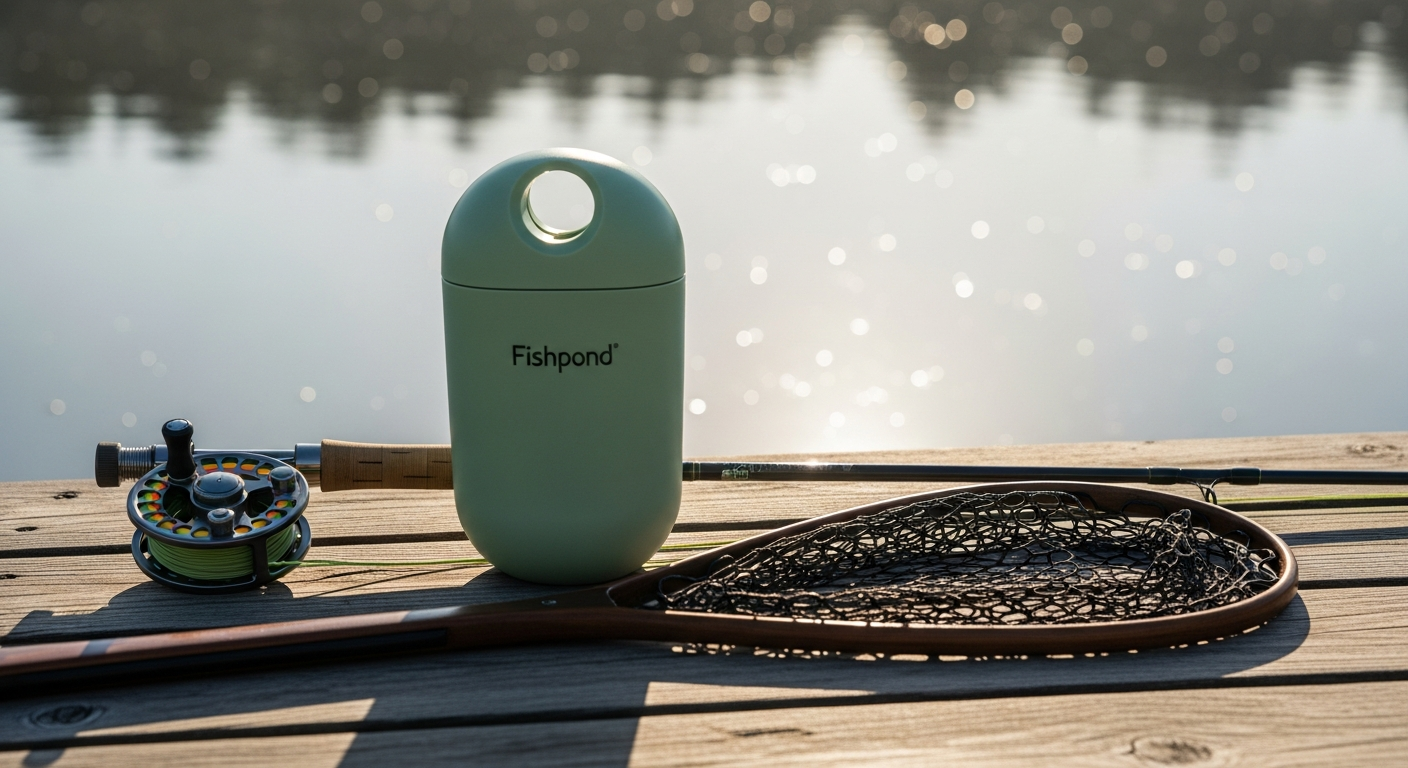
The Fishpond PioPod Microtrash Container has become the go-to solution for environmentally conscious anglers who refuse to leave their footprint on the water. This compact, USA-made container addresses a real pain point in the fishing community with its durable recycled polypropylene construction and innovative elastomeric cap. Discover how the Fishpond PioPod can transform your approach to responsible fishing.
You’ll find everything you need to know about the PioPod in this guide—from its standout design features and sizing options to real-world attachment methods and how it fits into a conservation-minded angler’s gear setup. Whether you’re a seasoned fly fisher or just beginning to explore sustainable practices, this container proves that environmental responsibility doesn’t require sacrifice or added complexity.
Why Microtrash Management Matters for Modern Anglers
The Environmental Impact of Discarded Fishing Line, Tippet, and Fly Wrappers in Aquatic Ecosystems
Every piece of fishing line left behind represents a potential threat to aquatic life. Unlike organic materials that break down naturally, monofilament and fluorocarbon can persist in waterways for years, even decades. Fish become entangled in discarded line, their movement restricted and feeding compromised. Birds and mammals mistake small pieces of tippet and wrapper material for food, causing internal injuries or starvation. The cumulative effect of thousands of anglers leaving behind just a few pieces each season creates an environmental burden that wildlife populations struggle to endure.
How Microtrash Accumulates in Waterways and Affects Fish Populations and Wildlife
Microtrash doesn’t just disappear into the current. Instead, it settles along the streambed, collects in eddies, and wraps around vegetation. As it accumulates, it creates physical barriers that disrupt aquatic habitats. Fish eggs become entangled in debris, preventing successful reproduction. Invertebrates—the foundation of the aquatic food chain—get caught in fishing line and wrapper debris, reducing populations that fish depend on for nutrition. Wildlife like otters, muskrats, and beavers face serious injury or death when encountering tangled microtrash during their search for food.
The Pack It Out Philosophy and Its Role in Sustainable Fishing Practices
The pack-it-out mentality represents a fundamental shift in how anglers approach their environmental responsibility. Rather than viewing the river as a place where small debris can be left behind, conscious anglers recognize that they brought these materials to the water and bear responsibility for removing them. This philosophy extends beyond fishing—it encompasses a broader outdoor ethics framework that treats wild places with respect and foresight. When anglers commit to packing out their microtrash, they become stewards rather than visitors, ensuring that the waters they love remain healthy for future generations and all the creatures that depend on them.
The Engineering Behind the PioPod’s Compact Design
Recycled Polypropylene Construction and Its Durability Benefits for Outdoor Conditions
The PioPod’s material choice reflects both practical engineering and environmental consciousness. Recycled polypropylene provides exceptional durability without the weight or bulk of alternatives. This polymer resists UV degradation from prolonged sun exposure on the water, maintaining structural integrity through countless fishing seasons. It withstands temperature fluctuations, remaining flexible in cold conditions and stable in heat. The material also resists moisture absorption, meaning the container won’t become brittle or develop mold even when exposed to wet conditions day after day. Best of all, using recycled content means the PioPod itself embodies the conservation principles it helps you practice.
The Elastomeric Cap Mechanism: How It Securely Traps Microtrash Without Spillage
The elastomeric cap distinguishes the PioPod from ordinary containers. Rather than relying on a twist-lock or push-fit design, this specialized cap features a flexible, high-grip material that accepts microtrash readily while maintaining a secure seal. Fishing line can be fed through without struggling, yet once inside, nothing escapes. The cap’s design accommodates various trash sizes—from fine tippet to larger fly wrappers—without requiring you to forcefully compress contents. This thoughtful engineering eliminates the frustration of broken containers or spilled debris on your vest or boat floor. The elastomeric material also resists degradation from the oils and chemicals often present on fishing gear.
Size Variations Explained: Micro (3.2″ x 1.9″) Versus Largemouth (6.75″ x 3.75″) Models
The Micro model suits anglers who fish light and travel frequently. Its compact footprint clips effortlessly to a lanyard or vest loop without adding noticeable bulk. For a day spent on a modest stream, the micro version holds ample microtrash without requiring emptying. The Largemouth model accommodates anglers who spend extended days on the water or fish with multiple rods and guides. Its larger capacity means fewer trips to dispose of contents, making it ideal for guided trips or tournaments where you’re generating consistent microtrash throughout the day. Choose the PioPod size that matches your fishing style and commitment to conservation.
Attachment Versatility and Gear Integration
Dual Attachment Provisions for Clipping to Fishing Vests and Lanyard Systems
The PioPod features multiple attachment points designed to work with your existing gear ecosystem. A clip-style attachment allows quick fastening to D-rings commonly found on fishing vests and packs. The dual-provision design means you can position the container exactly where it’s most accessible—some anglers prefer it on their dominant-side vest loop for quick access, while others clip it to a lanyard that keeps their hands free for casting. This flexibility ensures the PioPod integrates seamlessly regardless of your personal gear configuration.
How to Secure the PioPod to D-Rings, Belt Loops, and Fabric Attachment Points
Securing the PioPod requires no special tools or setup. Simply clip it to any D-ring on your vest or pack using the container’s built-in attachment mechanism. For belt-loop attachment, wrap the clip around your belt and tighten. If you prefer a lanyard, the PioPod accommodates standard cord or fishing lanyard materials, allowing you to customize the attachment length based on your preference. The lightweight construction means it won’t create stress points on your gear, and the durable clip won’t fatigue even after years of regular attachment and removal.
Integration with Existing Fly Fishing Gear Without Adding Unnecessary Weight
One of the PioPod’s greatest strengths lies in its minimalist approach to gear integration. Weighing only ounces, it adds negligible burden to your pack or vest. Unlike bulky trash bags or complicated multi-compartment systems, the PioPod occupies minimal space while delivering maximum functionality. Whether you fish with a traditional vest, a modern chest pack, or simply a lanyard, the PioPod fits naturally into your existing setup without requiring you to reorganize or sacrifice space for other essential gear. This frictionless integration makes it easier to adopt the habit of actually carrying microtrash containment rather than leaving it behind.
Making Microtrash Management a Non-Negotiable Part of Your Fishing Routine
The Fishpond PioPod Microtrash Container represents far more than just another piece of fishing gear—it’s a tangible commitment to protecting the waters you love. With its thoughtful engineering, durable construction, and genuine affordability, this USA-made container removes every excuse for leaving microtrash behind on the water.
What makes the PioPod truly special is how it transforms a conservation mindset into a simple, friction-free habit. You don’t need to think about sustainability when the tool is already clipped to your vest, ready to capture whatever small waste you generate. The compact design means you’ll actually carry it. The durable construction means it will outlast your gear changes. The affordable price—typically between $13.99 and $19.95—means cost never becomes an obstacle to responsible fishing.
If you’re serious about sustainable fly fishing, the PioPod deserves a spot on your gear checklist. Start with the size that matches your fishing style, clip it to your favorite attachment point, and join thousands of anglers who’ve already made the switch to responsible waste management. Get your Fishpond PioPod today and make microtrash management part of your fishing identity.
Leave a Reply