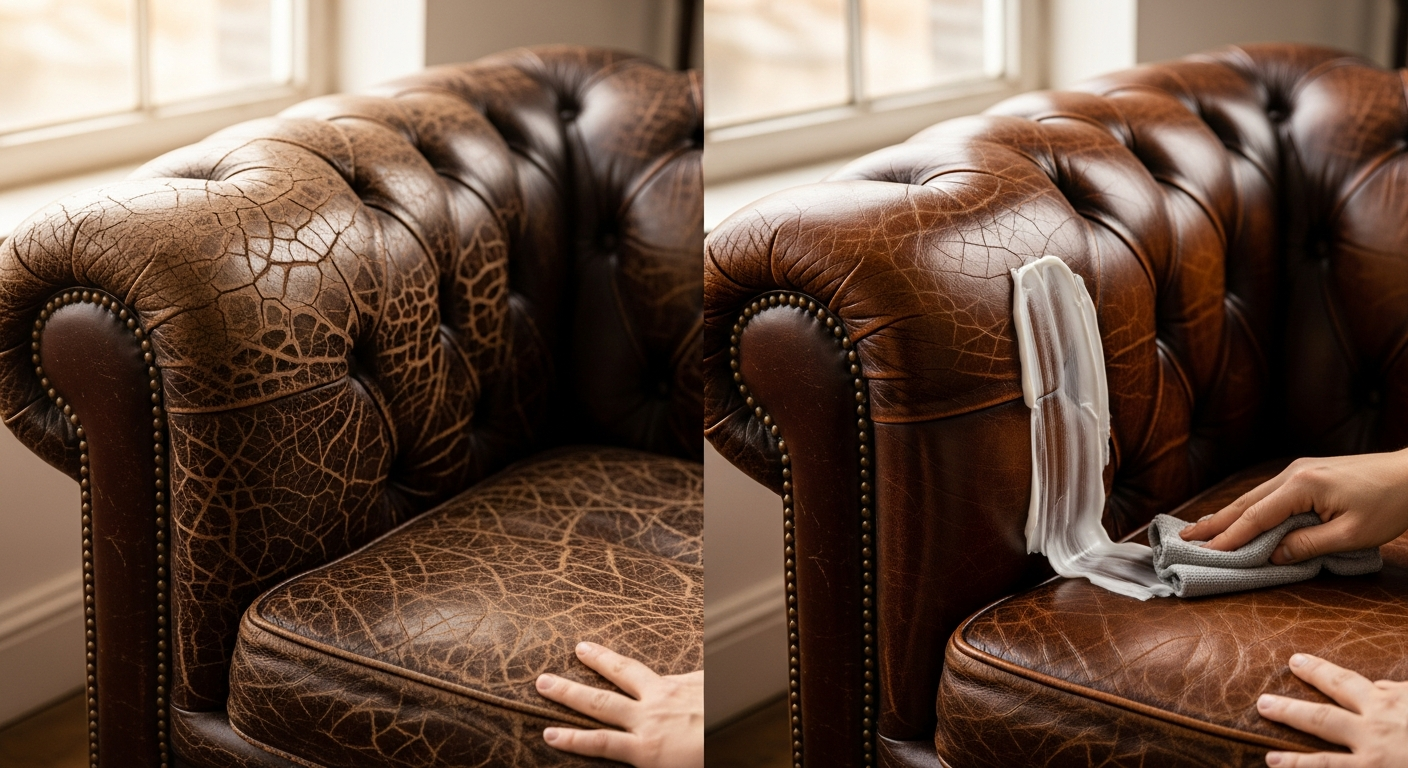
Your favorite leather sofa has seen better days. Those scratches from the dog, the faded patches from sunlight, the general wear that comes with living—they all add up to a piece that looks tired and old. Before you resign yourself to expensive replacements or costly professional restoration, consider what's actually possible with the right product.
Furniture Clinic Leather Recoloring Balm changed the equation by developing a pigmented recoloring balm specifically engineered for absorbent leather surfaces. This cream-like formula works across sofas, car interiors, jackets, shoes, and handbags—essentially any leather item that's lost its luster. The approach is straightforward: apply, wait, and watch transformation happen.
What Makes Furniture Clinic Leather Recoloring Balm Different
The formula stands apart through several design choices that matter in execution. A pigmented formula specifically targets absorbent leather surfaces, where water naturally soaks in rather than beading up on the surface. The cream-like texture blends seamlessly without visible edges or streaks—a critical feature when working on visible furniture or clothing.
Each jar includes two application sponges, which means you're ready to start immediately. The 8.5-ounce container proves surprisingly efficient; a little product goes a long way across multiple projects. Users consistently report that a single jar handles several restoration jobs, making the per-project cost minimal.
Identifying the Right Leather for This Restoration Balm
Not all leather is created equal, and determining compatibility takes one simple test. Place a water droplet on an inconspicuous area of your leather item. If the water soaks in within a few seconds, you have absorbent leather—perfect for this balm. If it beads up and sits on the surface, you're looking at non-absorbent leather, which requires different treatment approaches.
Furniture pieces most compatible with this balm include sofas, armchairs, ottomans, and other upholstered pieces with natural leather upholstery. Fashion items respond exceptionally well too: leather jackets, handbags, shoes, and boots all benefit from recoloring treatment. The versatility across categories means a single jar can address multiple items around your home.
Navigating the 16-Color Range for Perfect Shade Matching
Color selection now offers up to 16 distinct shades covering common leather tones. The neutral palette includes black, brown, tan, and cognac for classic leather pieces—the shades that handle most household leather goods. The expanded range means less guesswork and better chances of finding an exact or near-exact match.
Your matching strategy should involve photographing your leather item in natural light and comparing the swatches. Order sample packs if you're uncertain between two shades. This small investment prevents the frustration of applying a color that's slightly off from your original leather tone.
Step-by-Step Application Process for Professional Results
Begin by cleaning the leather surface thoroughly with a dry cloth to remove dust and debris. Any dirt particles interfere with even color application and can create spotted results. A quick wipe-down takes seconds but pays dividends in finish quality.
Apply balm using the included sponge in circular motions, working in small sections. The key to professional results involves building color gradually with multiple thin coats rather than applying one thick layer. This approach prevents visible edges, allows for better blending, and gives you control over final color depth.
Allow 15-30 minutes drying time between coats depending on temperature and humidity. Cooler, drier environments extend drying time slightly. Warmer conditions speed things along. Most users find that two to three thin coats achieve excellent color restoration, though deeper damage may require additional applications.
Cost Comparison: DIY Restoration vs. Professional Services
The economics of leather restoration shift dramatically when you handle the work yourself. A standalone jar costs approximately $29.95 for an 8.5-ounce container. Compare this to professional upholstery restoration, which typically runs $200–$500+ per piece depending on damage severity.
New furniture replacement costs paint an even starker picture. A quality leather sofa ranges from $800–$3,000+, making DIY restoration dramatically economical. You're looking at the difference between spending thirty dollars and spending thousands. The math becomes undeniable when you factor in the time and expense of furniture shopping, delivery, and disposal of old pieces.
Start your leather restoration journey with Furniture Clinic's affordable recoloring solution.
Real Results and Customer Satisfaction Metrics
Thousands of verified five-star reviews across multiple retail platforms speak to consistent performance. Customers repeatedly praise the product for transforming worn-out leather into a like-new appearance. The praise isn't hyperbolic marketing language—it's coming from people who invested thirty dollars and got results that match professional work costing ten times as much.
The Good Housekeeping Institute seal of approval validates quality standards beyond customer testimonials. Third-party testing confirms what users already knew: this balm delivers measurable results on damaged leather goods. The combination of user reviews and institutional validation removes doubt about whether the product actually works.
Maintenance Tips to Maximize Your Restoration Investment
Once you've restored your leather to its former glory, maintaining that appearance requires minimal effort. Dust leather regularly with soft, dry cloths to prevent dirt accumulation that can dull the finish over time.
Avoid excessive moisture exposure immediately after application for 48–72 hours, allowing the balm to fully cure and set. After this initial period, normal care resumes. Apply leather conditioner 2–3 weeks after recoloring to maintain suppleness and prevent cracking.
Protect from direct sunlight with curtains or UV-protective window treatments. Prolonged sun exposure fades leather naturally—preventing this through simple environmental controls preserves your restoration work longer.
The Smart Choice for Leather Lovers on a Budget
Furniture Clinic Leather Recoloring Balm delivers on its promise: transforming tired, faded, scratched leather into something that looks professionally restored—without the professional price tag. Whether you're facing a beloved sofa that's seen better days, a jacket with mysterious scuffs, or car seats that have lost their luster, this balm provides a straightforward, affordable solution that actually works.
The formula's simplicity masks its sophistication. A little product covers significant surface area. The included sponges ensure even application. The 16-shade range handles virtually any leather tone you encounter. With the Furniture Clinic Leather Recoloring Balm, you hold the power to restore your leather items yourself.
Start with a test application on a hidden area, select your perfect shade, and watch your leather come back to life.
Shop Furniture Clinic Leather Recoloring Balm and restore your leather items today.
Leave a Reply