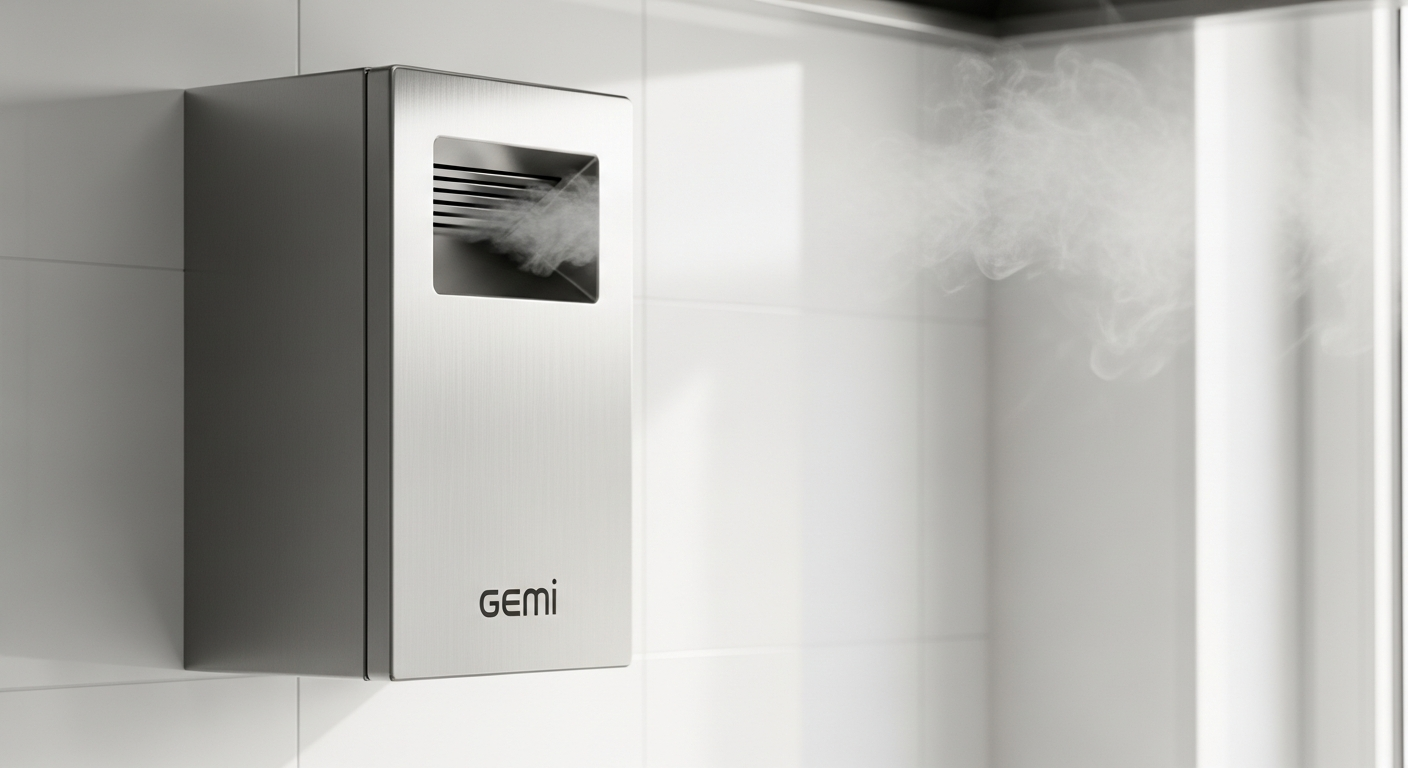
Smoke billowing into your dining area during service? You're not alone. Commercial kitchens and pizzeria owners lose thousands in revenue annually due to inadequate ventilation systems that fail when demand peaks. The solution isn't another generic exhaust fan—it's specialized equipment engineered specifically for the demands of high-heat, high-volume cooking environments.
Since 1983, Gemi Elettronica has built a reputation for solving the toughest smoke extraction challenges across Europe and beyond. The Gemi Basic Chimney Fan Electroaspirator has earned its status as the preferred choice for restaurants, pizzerias, and commercial barbecue operations that refuse to compromise on air quality or customer experience. This equipment represents the culmination of decades of engineering refinement dedicated to one mission: extracting smoke efficiently under the most demanding conditions.
Explore the Gemi Basic Chimney Fan Electroaspirator at gemimarket.at today.
This comprehensive guide covers everything you need to know about choosing and implementing the Gemi Basic for your commercial operation, including performance specifications, installation requirements, cost-benefit analysis, and real-world applications from successful restaurant owners who've already solved their smoke problems.
Why Commercial Kitchens Demand Specialized Electroaspirators
Standard chimney fans designed for residential fireplaces simply cannot handle the thermal stress, volume, and continuous operation required in commercial kitchens. When your pizzeria is firing 200 pies per hour or your barbecue operation is running smoke-intensive service from lunch through dinner, you need equipment built for exactly those conditions.
How standard chimney fans fall short in high-temperature, high-volume cooking environments
Residential-grade fans operate intermittently and in controlled temperature ranges. Commercial kitchens subject ventilation systems to sustained 400°F+ heat, grease-laden smoke, and relentless demand. Standard units overheat, accumulate excessive soot buildup, and lose efficiency rapidly. Within months, they either fail or require constant maintenance that disrupts service.
The engineering difference between residential and commercial-grade electroaspirators
Gemi's commercial-grade units feature reinforced motors designed for continuous duty cycles, larger capacity chambers to handle volume without performance degradation, and superior thermal management to survive the heat. The stainless steel construction resists corrosion from acidic smoke compounds that would destroy painted or mild steel residential models within a season.
Why smoke extraction efficiency directly impacts health codes and customer experience
Health inspectors measure air quality and ventilation adequacy. Inadequate smoke extraction triggers citations, forced closure periods, and fines. Beyond compliance, customers notice smoke. Lingering haze drives them away—they'll choose the competitor with cleaner air. Proper smoke extraction means code compliance, customer retention, and reputation protection.
How the Gemi Basic handles continuous operation in pizzerias and barbecue restaurants
The Gemi Basic is engineered for 24/7 operation. Its motor construction, bearing systems, and internal design prevent the overheating and burnout that plague undersized equipment. Pizzeria owners report running their units continuously during service windows without performance loss or thermal shutdowns.
The role of electroaspirators in maintaining air quality standards for commercial spaces
Smoke contains particulate matter and volatile compounds that accumulate in dining areas. Effective extraction protects staff health, improves food flavor perception (customers can actually taste their meal rather than smoke), and extends the lifespan of furnishings and kitchen equipment by reducing soot deposition.
Compliance requirements for commercial kitchen ventilation systems across different regions
European standards, North American codes, and local health department requirements all specify minimum air exchange rates and ventilation capacity. Your equipment must meet or exceed these thresholds. The Gemi Basic's specifications align with commercial kitchen standards across multiple regions, eliminating the risk of non-compliant installations.
Gemi Basic Electroaspirator Performance Specifications for Commercial Use
Understanding the technical capabilities of the Gemi Basic ensures you select the right model for your specific operation. Performance doesn't mean one-size-fits-all—it means matching your kitchen's demands to the equipment's capacity.
Smoke extraction capacity and CFM ratings for various kitchen sizes
The Gemi Basic delivers the air movement necessary for small to mid-sized commercial kitchens. CFM (cubic feet per minute) requirements depend on your kitchen's volume and cooking intensity. A 500-square-foot pizzeria has different needs than a 2,000-square-foot steakhouse. Gemi provides guidance on selecting the appropriate model based on your specific space and cooking methods.
Available voltage options (110V and other configurations) for different installations
The Gemi Basic is available in 110V for markets where that's standard, ensuring compatibility with your existing electrical infrastructure. Voltage compatibility prevents costly electrical upgrades and simplifies installation in existing facilities.
Square versus round design options and their applications in commercial kitchens
Square designs fit neatly into rectangular ductwork common in commercial installations. Round designs suit facilities with existing round chimneys or where aesthetic integration matters. Both designs deliver identical performance—the choice depends on your physical installation parameters.
Stainless steel construction benefits in high-heat, corrosive cooking environments
Stainless steel resists rust, corrosion, and degradation from acidic smoke compounds. This material choice extends equipment lifespan dramatically compared to painted or mild steel alternatives. In a commercial environment where equipment runs continuously and faces harsh conditions, stainless steel investment pays dividends through longevity.
Durability metrics and expected lifespan under continuous commercial operation
Gemi backs the Gemi Basic with a minimum 3-year warranty, extendable to 5 years—confidence that speaks to the engineering and construction quality. Many units operate successfully for 10+ years under proper maintenance, delivering exceptional value over their operational lifetime.
Noise levels and acoustic considerations for open-concept dining areas
Noise generation matters when your dining area is adjacent to the kitchen. The Gemi Basic operates at acceptable levels for commercial environments, though proper ductwork installation and vibration isolation mounting minimize any acoustic impact on customer experience.
Installation Considerations for Restaurant and Pizzeria Operators
Selecting the right equipment means nothing if installation goes wrong. Professional installation ensures your Gemi Basic performs at specification and maintains warranty coverage.
Professional installation requirements for commercial electroaspirators
Commercial electroaspirators require expertise. Improper installation creates performance issues, safety hazards, and voids warranty coverage. HVAC contractors experienced with commercial kitchen ventilation understand the critical details: proper mounting, secure ductwork connections, and correct airflow orientation.
Electrical connection specifications and power supply planning
Your facility must provide appropriate electrical service to the installation location. Undersized circuits cause performance issues. An electrician should evaluate your existing panel capacity and circuit routing before committing to an installation location. Plan electrical work into your project timeline.
Chimney ductwork compatibility and sizing for optimal performance
Ductwork diameter and length affect performance significantly. Undersized ducts create back-pressure that reduces extraction efficiency. The installation must use appropriately sized ductwork, minimize bends and connections, and ensure all joints are secure to prevent leaks that reduce performance.
Integration with existing HVAC systems in established restaurants
Many restaurants have existing ventilation systems. The Gemi Basic must integrate properly with these systems to avoid conflicts or performance degradation. Professional installers assess your current system and design integration that enhances overall ventilation rather than creating problems.
Timeline and cost factors for commercial installation projects
Installation typically requires several days of work, depending on complexity. Plan for electrical upgrades, ductwork modifications, and any structural work. Budget 2-4 weeks from purchase to full operational status, and schedule installation during slower business periods to minimize service disruption.
Post-installation testing and certification for code compliance
After installation, testing verifies performance meets specifications and code requirements. Documentation of installation and testing protects you during health inspections and provides evidence of compliance if any questions arise.
Request a professional installation quote through gemimarket.at's network of certified installers.
Cost-Benefit Analysis: Gemi Basic Investment for Commercial Operations
Price discussions require context. The Gemi Basic costs between $399 and $711 depending on specifications, plus installation. Understanding the return on this investment clarifies whether it's a cost center or a profit-driving asset.
Price range ($399–$711) compared to alternative commercial ventilation solutions
Budget alternatives exist, but they typically sacrifice durability, performance, and reliability. When you factor in replacement costs, maintenance expenses, and operational downtime from failures, the Gemi Basic's upfront cost proves economical over a 5-10 year horizon.
Long-term savings from reduced maintenance and superior durability
A properly functioning Gemi Basic requires minimal maintenance compared to cheaper alternatives that demand constant repair attention. Stainless steel construction resists corrosion, reducing replacement timelines. Commercial operators often report their Gemi units operating reliably for a decade, representing remarkable value per year of operation.
International pricing advantages and import considerations for global operators
Operators in certain regions find Gemi equipment significantly more affordable than locally manufactured alternatives, even accounting for shipping costs. Gemimarket.at serves international buyers, providing access to European pricing that beats local-only options.
ROI calculations based on improved customer retention and operational efficiency
Better air quality means fewer customers driven away by smoke. Reliable equipment means no emergency service calls during peak hours. These operational improvements translate directly to revenue protection and customer satisfaction gains that justify the investment.
Financing options and bulk purchasing discounts for multi-unit restaurant groups
Restaurant groups operating multiple locations benefit from volume pricing. Gemi works with operators managing multiple sites to structure favorable terms on bulk purchases, reducing per-unit cost significantly.
Hidden costs to factor in: installation, electrical work, and ductwork modifications
The equipment price is just the beginning. Budget additional funds for professional installation ($1,000-$3,000+), potential electrical upgrades ($500-$1,500), and ductwork modifications ($500-$2,000). Total project cost typically ranges $2,500-$5,000 depending on your facility's existing infrastructure.
Real-World Applications: Pizzerias, BBQ Joints, and Outdoor Kitchens
Theory matters, but results speak louder. Successful commercial operators have proven what the Gemi Basic delivers in real-world conditions.
Case studies of pizzeria owners solving chronic smoke problems with the Gemi Basic
High-volume pizzerias face the ultimate smoke extraction challenge. Wood-fired or high-temperature ovens generate massive smoke volume. Pizzeria owners who switched to Gemi Basic systems report transformed dining experiences—smoke no longer billows into the restaurant, customers linger longer, and air quality improvements drive repeat business.
How barbecue restaurants maintain food quality while managing smoke extraction
Barbecue operations face a paradox: they want wood smoke flavor in the food, but not smoke in the dining area. The Gemi Basic's performance allows operators to maintain authentic smoke flavor in the pit area while effectively extracting excess smoke before it enters customer spaces. This balance preserves food quality while protecting the dining experience.
Outdoor entertaining spaces and residential commercial kitchens
High-end residential properties with commercial-grade outdoor kitchens benefit from Gemi equipment. These spaces operate like restaurants but serve private clientele who expect professional-grade air quality. The Gemi Basic delivers that standard reliably.
Fireplace integration for upscale dining establishments
Fine dining establishments featuring decorative fireplaces in dining rooms face challenges—fireplaces produce smoke, but removing all of it eliminates the ambiance. The Gemi Basic's controllable performance allows operators to extract excess smoke while preserving the visual appeal of the fireplace.
Multi-unit restaurant groups standardizing on Gemi electroaspirators
Successful restaurant groups recognize equipment standardization benefits. Using the same Gemi model across multiple locations simplifies maintenance, reduces parts inventory, enables staff cross-training, and leverages volume purchasing. Several European restaurant groups have standardized exclusively on Gemi equipment across their portfolios.
Before-and-after performance comparisons from actual commercial installations
Restaurants that documented their situations before and after Gemi Basic installation show dramatic improvements: smoke evacuation times reduced from minutes to seconds, customer complaints about air quality disappeared entirely, and staff reported improved working conditions. These measurable improvements justify the investment consistently.
Maintenance and Operational Best Practices
Equipment performance depends on proper maintenance. The Gemi Basic is engineered for minimal upkeep, but following best practices extends lifespan and prevents problems.
Routine cleaning schedules for optimal electroaspirator performance
Regular cleaning prevents soot and grease accumulation that degrades performance. Monthly inspections and quarterly deep cleaning maintain optimal airflow. High-volume operations may need more frequent attention. Establish a cleaning schedule that matches your kitchen's intensity.
Soot and grease buildup prevention in high-volume cooking operations
Buildup accumulates fastest in pizza ovens and heavy barbecue operations. Cleaning intervals may need adjustment based on cooking type. Install appropriate filters and pre-cleaning systems to capture larger particles before they reach the electroaspirator, extending cleaning intervals.
Seasonal maintenance requirements and pre-service inspections
Before peak seasons, inspect your electroaspirator thoroughly. Test electrical connections, verify motor performance, clean accumulated buildup, and ensure all mounting hardware remains tight. Seasonal preparation prevents failures during your busiest periods.
Troubleshooting common issues in commercial kitchen environments
Performance drops gradually from accumulated buildup. Noise increases from worn bearings or vibration loosening. Unusual electrical behavior signals motor problems. Recognizing these warning signs allows you to address issues before they become emergencies.
When to call for professional servicing versus DIY maintenance
Cleaning and minor inspection work can be performed internally. Motor repairs, bearing replacement, and electrical diagnostics require professional technicians. Know the boundaries of internal capability and don't hesitate to call specialists when needed.
Extending equipment lifespan through proper care protocols
Consistent cleaning, prompt attention to issues, proper electrical maintenance, and seasonal inspections combine to extend your Gemi Basic's lifespan significantly. Many operators report equipment performing reliably for 10+ years with proper care—exceptional value for the initial investment.
Making the Right Choice: Is the Gemi Basic Right for Your Operation?
Not every operation needs the same equipment. Proper selection ensures you invest in capabilities that match your specific needs.
Assessing your kitchen's smoke extraction needs and capacity requirements
Analyze your kitchen layout, cooking methods, peak-hour volume, and current ventilation performance. A 500-square-foot pizzeria has different needs than a 3,000-square-foot steakhouse. Your assessment should consider both current operations and future expansion plans.
Determining whether the Basic model suits your operation or if upgrades are needed
The Gemi Basic handles smoke extraction for small to mid-sized commercial kitchens effectively. Larger operations or facilities with exceptional smoke production may benefit from upgraded models with greater capacity. Gemi representatives can help you identify whether the Basic meets your needs or if alternatives better suit your situation.
Questions to ask suppliers and installers before committing to purchase
Verify warranty details, clarify installation timelines, confirm electrical requirements match your facility, discuss maintenance support options, and ask for references from similar operations. Don't rely solely on equipment specifications—installer expertise matters significantly.
Evaluating your current ventilation system and compatibility factors
Existing ductwork, electrical infrastructure, and ventilation systems affect installation feasibility and cost. Have a professional evaluate your current setup before committing. Understanding compatibility prevents expensive surprises during installation.
Budget planning for commercial kitchen upgrades
Plan for equipment cost plus installation, electrical work, ductwork modifications, and contingencies. Commercial kitchen ventilation upgrades typically represent $2,500-$5,000 investments. Building this into your capital planning ensures you're prepared financially.
Timeline considerations for installation during off-season or renovation periods
Schedule installation during slower business periods when you can afford downtime. Coordinate with other kitchen upgrades if planning renovations. Professional installers often have schedules several weeks out, so plan accordingly.
The Bottom Line: Investing in Proven Smoke Extraction Technology
The Gemi Basic Chimney Fan Electroaspirator represents far more than a ventilation upgrade—it's a strategic investment in your restaurant's operational success and customer satisfaction. With four decades of engineering expertise backing every unit, you're purchasing reliability that translates directly to fewer service interruptions, better air quality, and happier diners who actually return.
Whether you're running a high-volume pizzeria, managing a premium barbecue restaurant, or operating a commercial outdoor kitchen, the Gemi Basic delivers the smoke extraction performance that commercial operations demand. The combination of durable stainless steel construction, flexible design options, and Gemi's industry-leading warranty coverage removes the guesswork from your ventilation decision.
Your customers notice air quality. Your staff works more comfortably in cleaner environments. Your equipment lasts longer when proper ventilation prevents soot damage. Your health inspections proceed without complications. These operational benefits compound over years, making your initial investment one of the smartest decisions in your kitchen's infrastructure.
Leave a Reply