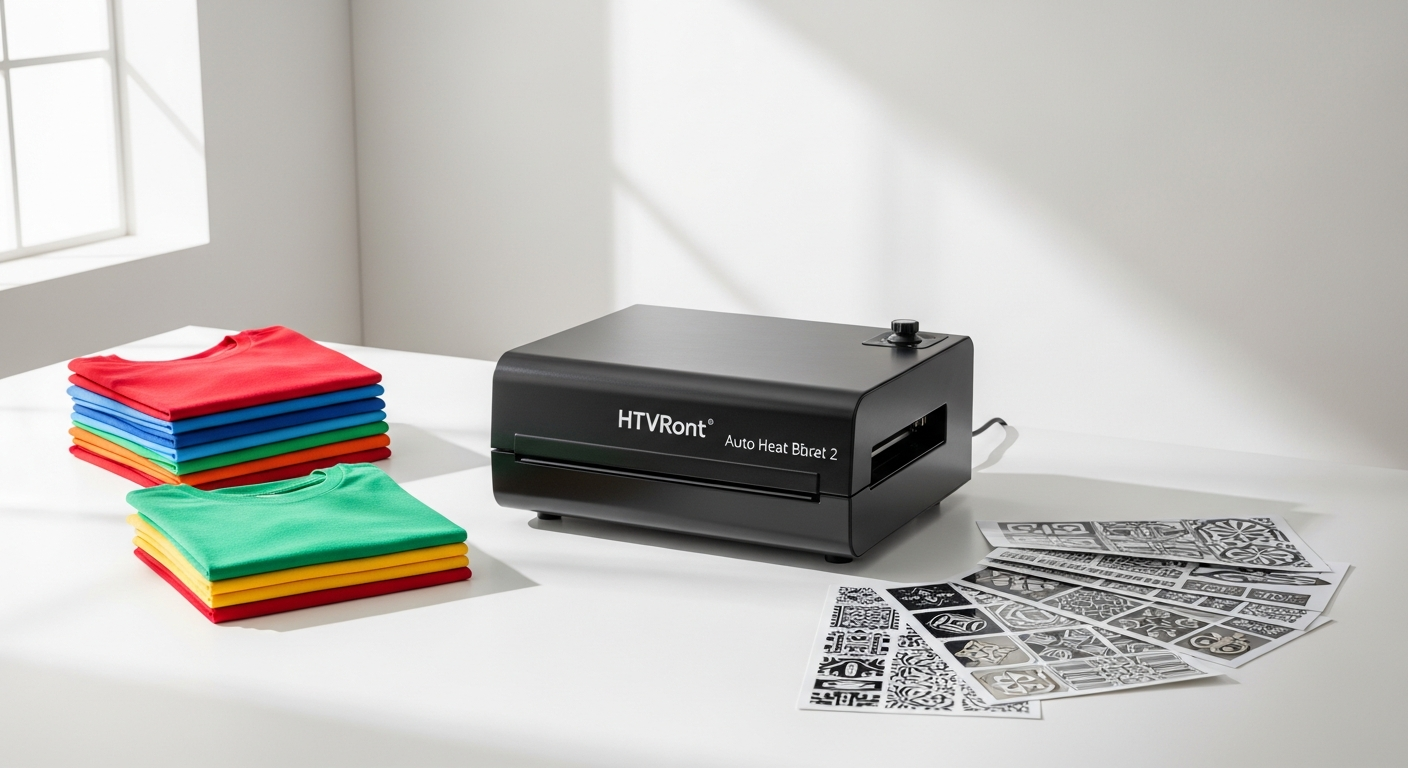
If crafters spent $500–$1,500 on heat press equipment only to face steep learning curves and disappointing results, something needed to change. Many end up with machines that promise professional output but deliver frustration instead. The market demanded a solution that balanced affordability with genuine capability, and the HTVRont Auto Heat Press 2 has emerged as exactly that: a machine that strips away the complexity without compromising on performance.
The upgrade from previous models introduced meaningful improvements that directly address crafter pain points. Automatic operation, intuitive controls, and adjustable pressure settings made professional-quality heat transfers accessible to hobbyists and small business owners alike. What sets this machine apart is how it manages to be beginner-friendly while remaining versatile enough for experienced crafters exploring different transfer methods and materials.
What Sets the HTVRont Auto Heat Press 2 Apart in the Crafting Market
The HTVRont Auto Heat Press 2 occupies a unique position in the equipment landscape. Its automatic close and open functionality eliminates the guesswork that plagues manual machines—no more accidental over-pressing or uneven heat distribution from inconsistent hand pressure. The machine handles the mechanical work while you focus on material prep and project planning.
The 15×15 inch heat plate provides genuine workspace without demanding a massive footprint. This size accommodates standard apparel projects, tote bags, and accessories without the bulk of commercial equipment. You get hands-free operation that frees you to organize materials, manage multiple projects, or simply step back and monitor the process.
The pricing reality separates this machine from competitors. At $349.99–$439.99, the HTVRont Auto Heat Press 2 costs less than many manual alternatives while delivering automatic features typically reserved for five-figure professional equipment. The machine heats quickly too—reaching 300°F in under five minutes and maximum 410°F in six minutes—so you're not waiting around between projects.
Its compact footprint of 16.5 inches wide, 19.5 inches deep, and 13 inches tall fits home studios, apartment craft spaces, and small workshop corners where larger equipment simply won't work.
Mastering the Control Panel—Digital Display and Preset Modes Explained
The digital display strips away intimidation with clearly labeled buttons for power, temperature, time, pressure, and mode selection. Each function has its dedicated button, preventing the confusion that comes with hidden menus or multi-step navigation sequences.
Four preset modes handle the most common crafting scenarios. These pre-programmed combinations take the guesswork out of temperature and time settings for vinyl, standard transfers, and other frequent applications. The presets exist partly for convenience and partly as a learning tool—examining the preset values teaches you how temperature and time interact for different materials.
Custom setting creation moves beyond the presets once you develop confidence. The machine lets you build personalized configurations tailored to specialty projects, unusual material combinations, or specific transfer methods. This flexibility means the machine grows with your skillset rather than constraining you to preset limitations.
Adjustable pressure ranging from 50 to 170 pounds accommodates delicate fabrics requiring light pressure and thick substrates demanding substantial force. This range eliminates the need to compromise on material selection. Polyester blends, canvas totes, thick cotton, and specialty fabrics all become viable projects because you can dial in appropriate pressure.
Temperature precision up to 410°F enables compatibility with vinyl application, DTF transfers, sublimation printing, and screen-printed garment pressing. One machine handles multiple transfer methods rather than requiring separate equipment for each technique.
The Pull-Out Drawer Feature—Convenience and Practical Considerations
The pull-out drawer represents a meaningful safety advancement. Material placement and removal happen without your hands entering the heated pressing area. This feature particularly benefits crafters managing repetitive sessions where hand fatigue and accidental contact become real concerns.
The drawer creates an ergonomic workflow. Instead of leaning over an open-face heat press, you slide your material onto an accessible tray, position it properly, then push it into the press. This mechanics reduce physical strain during extended crafting periods—a practical benefit that compounds over dozens of projects.
Honest assessment requires acknowledging the drawer's limitations. Some users report incomplete extension, making mid-session adjustments difficult if your design isn't perfectly centered. The opening size creates concerns about hand proximity to heat during certain applications, particularly when adjusting larger items.
Workaround strategies exist for these constraints. Many crafters pre-stage their material positioning before using the machine, minimizing the need for mid-press adjustments. Others use tweezers or small tools for fine positioning rather than relying on hand placement. These adjustments are minor and become second nature quickly.
The safety advantages of the drawer system outweigh the minor inconveniences. Compared to traditional open-face heat presses, this design protects your hands and arms throughout the entire process.
Performance Across Popular Heat Transfer Methods
The HTVRont Auto Heat Press 2 handles DTF transfers with adequate results. Direct-to-film applications benefit from the machine's temperature precision and consistent pressure, delivering professional-looking output for this increasingly popular transfer method.
Vinyl application succeeds reliably when you use the preset settings or dial in custom configurations for your specific vinyl type. The consistent pressure and temperature control ensure adhesive-backed designs bond properly without scorching or shifting.
Screen-printed garment pressing works well using the preset modes designed for pre-printed items. The automatic operation prevents the over-pressing that damages existing artwork on finished garments.
Sublimation printing readiness comes from the adjustable heat settings that accommodate polyester and specialty substrates. If you work with sublimation on mugs, blankets, or other poly-based materials, this machine meets those requirements.
Tote bags and accessory projects leverage the 15×15 inch plate for various non-apparel applications. Canvas bags, fabric patches, and decorative accessories all benefit from the adequate workspace and adjustable pressure.
The material thickness versatility stems from the 50–170 pound pressure range. Whether working with lightweight silk screening or thick canvas substrates, you adjust pressure appropriately rather than accepting compromise.
Comparing Value—Why Budget-Conscious Crafters Choose This Model
The price-to-features ratio presents compelling mathematics for crafters evaluating equipment investments. You receive automatic operation at a fraction of what commercial equipment costs. The jump from manual to automatic heat pressing typically demands a $1,000+ investment; the HTVRont Auto Heat Press 2 makes that jump affordable.
Beginner-friendly positioning eliminates intimidation factors for crafters new to heat pressing. The preset modes and automatic operation mean you aren't wrestling with complicated mechanics while learning transfer fundamentals. Success comes faster, building confidence that encourages continued exploration.
Small business affordability enables entrepreneurs launching operations without massive capital requirements. A side hustle selling custom apparel or personalized gifts becomes viable when equipment investment stays under $400. This accessibility democratizes heat pressing as a business tool.
Reliability metrics support consistent production for hobby-scale and micro-business operations. Users report dependable performance across dozens and hundreds of projects. The machine doesn't waver in delivering results once you understand its characteristics.
Sales and promotional pricing opportunities bring the investment even lower during peak seasons. Many retailers offer discounts during holiday periods or seasonal sales, occasionally dropping prices below $350. Watching for these windows makes an already-affordable investment even more attractive.
Getting Started—Essential Setup and First-Project Tips
Unboxing and assembly require minimal effort. Most users report functional machines within 30 minutes of opening the box. The instruction materials guide you through basic assembly, and the compact design means no complex mounting or installation demands.
Initial heat calibration ensures accurate temperature readings before your first project. Running the machine through a heating cycle without material lets you verify that displayed temperatures match actual plate temperatures. Small variations are normal; significant discrepancies suggest contacting support.
Material preparation techniques prevent common beginner mistakes. Wrinkled transfer designs, improperly positioned artwork, and material shifting all stem from inadequate prep work. Spend time positioning transfers accurately and smoothing wrinkles before pressing rather than hoping the heat press compensates for sloppy prep.
Pressure setting selection depends on your fabric weight and transfer type. Lightweight fabrics demand lower pressure; heavy substrates need more force. Start with preset recommendations, then adjust based on your results. Document successful settings in a notebook—you'll reference this guide frequently.
Temperature testing on scrap materials before committing to finished projects saves frustration. Test your transfer method, material combination, and pressure settings on inexpensive samples. Once you achieve acceptable results on scraps, proceed to finished projects with confidence.
Maintenance essentials prolong machine lifespan and consistent performance. Keep the heat plate clean with appropriate materials—avoid harsh chemicals that damage the surface. Allow the machine to cool between heavy use periods, and store it in a dry environment. Regular care transforms temporary equipment into a long-term asset.
Making Your Decision—Is the HTVRont Auto Heat Press 2 Right for You?
Ideal user profiles include hobbyists exploring heat transfer as a creative outlet, side hustlers testing market demand before larger investments, and small business owners scaling operations strategically. If you fit any of these categories, this machine warrants serious consideration.
Budget alignment matters significantly. If you're seeking automatic operation without five-figure investments, the HTVRont Auto Heat Press 2 slots perfectly into your financial reality. The price point eliminates equipment as a barrier.
Space requirements deserve honest assessment. The compact design fits most craft spaces, but verify your actual available footprint. Eighteen inches of depth and sixteen inches of width shouldn't present challenges for most home setups, but confirm before purchasing.
Project volume considerations determine whether automatic features justify the investment. If you're pressing dozens of items monthly, the hands-free operation and consistent results justify the cost. Light occasional use might not demand these capabilities, though the ease-of-use benefits apply regardless of volume.
Skill level matching confirms the beginner-friendly interface meets your needs. Experienced crafters won't feel constrained by the controls, while newcomers appreciate the straightforward operation. This universal accessibility represents genuine design achievement.
Material compatibility ensures your primary projects align with the machine's capabilities. The HTVRont Auto Heat Press 2 handles vinyl, DTF, sublimation, and screen-printed pressing effectively. If your primary methods fall within these categories, compatibility isn't a concern.
Your Next Steps in Automatic Heat Pressing
The HTVRont Auto Heat Press 2 represents a genuine inflection point for crafters tired of manual frustration and prohibitive pricing. This machine delivers on its promise of accessibility without sacrificing the automatic features and control that serious makers demand. Start with your most straightforward project to build confidence with the controls, then gradually explore custom settings as you develop intuition for different materials. Watch for seasonal sales that frequently drop the price below $350, making this already-affordable investment even more accessible.
Whether you're launching a side hustle, personalizing gifts, or finally pursuing that crafting passion you've shelved for years, the equipment barrier dissolves with this machine.
Leave a Reply